NFPA 1 Section 22.1 Salvage Yard Fire Safety
Quick Answer
NFPA 1 Section 22.1 sets the baseline for safer automobile wrecking yard operations by controlling fire risk, site layout, storage, and emergency access. For Australian industrial, retail, and commercial sites, strong salvage yard fire safety NFPA planning helps protect people, assets, and business continuity. Kord Fire Protection can support that effort with practical fire system design, compliance guidance, and ongoing protection.
NFPA 1 Section 22.1 and Why It Matters for Automobile Wrecking Yards
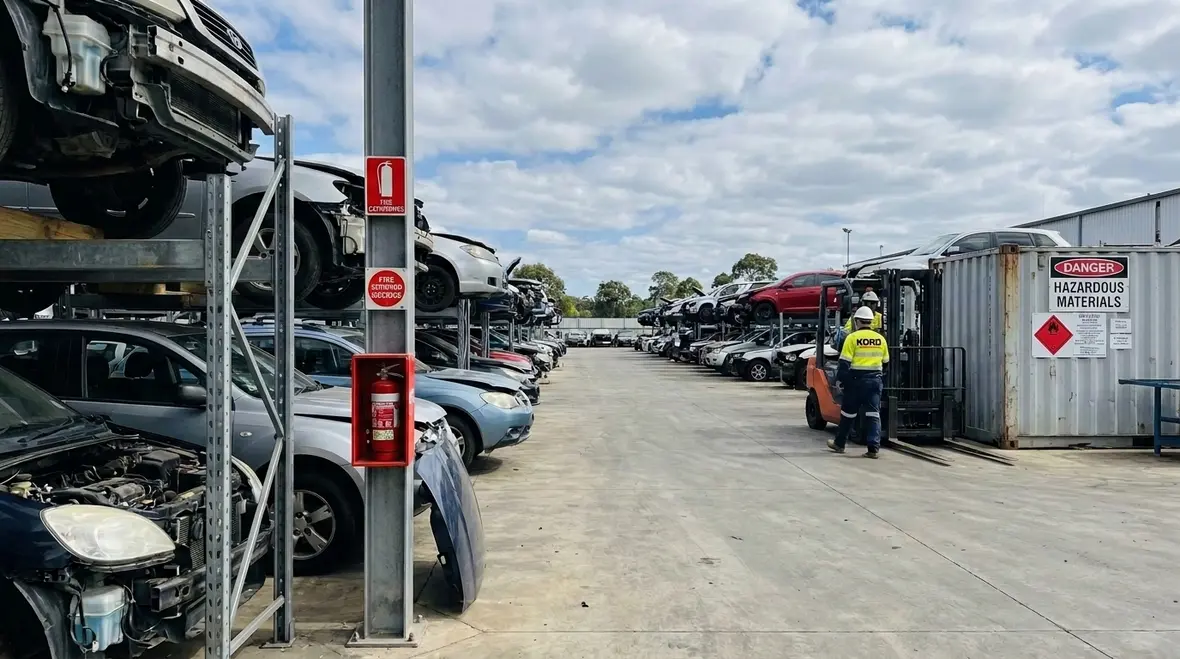
NFPA 1 Section 22.1 deals with the general fire safety needs of automobile wrecking yards. In plain terms, it helps reduce the chance that a yard full of scrap metal, fluid residues, batteries, tyres, and packed vehicles becomes a fast moving fire scene. That is not a good kind of busy. For operators across Australia, the rule set offers a strong benchmark for auto wrecking yard fire code planning, even when local requirements differ.
This section matters because wrecking yards hold more than vehicles. They often store fuels, oils, refrigerants, plastics, rubber, and mixed waste. As a result, one small ignition source can spread quickly. The standard pushes owners to think about spacing, cleanup, access, and fire response before an incident turns into a costly headline.
That practical mindset lines up well with full fire protection services that support inspection readiness, maintenance planning, and system coordination across busy commercial and industrial properties. Near the top of any salvage yard safety plan, it helps to think beyond one device or one checklist and build protection as a complete operating system instead.
How the General Rules Shape Yard Safety
Organization beats chaos every time
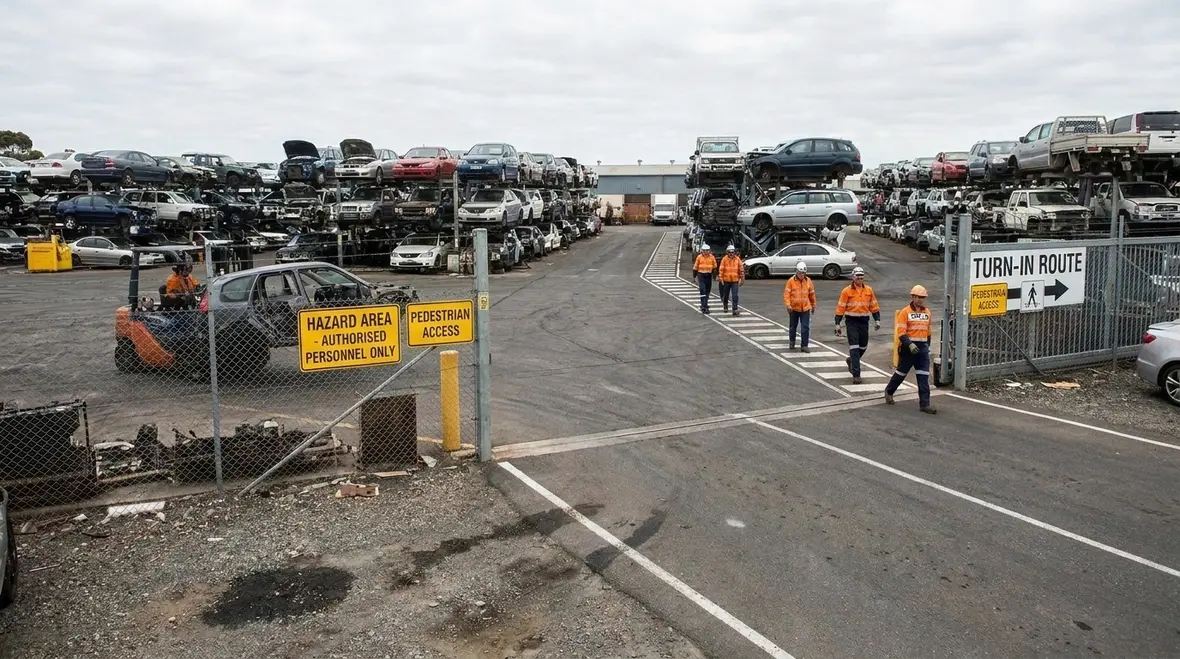
NFPA 1 Section 22.1 expects wrecking yards to manage fire risk at the site level, not just at the gate. That means keeping the yard organized, limiting clutter, and controlling hazardous material build up. It also means making sure emergency crews can reach the scene without playing a real life game of Tetris.
In practice, strong salvage yard fire safety NFPA planning usually focuses on layout discipline, access control, and the steady removal of the little things that become big problems later. A single blocked lane, leaking vehicle, or pile of neglected waste can quietly undo an otherwise well run operation.
Clear travel paths for fire trucks and emergency crews
Controlled storage of end of life vehicles and scrap parts
Removal or safe handling of fuels, oils, and other ignition sources
Site housekeeping that reduces fire load
Visible marking of access points, shutoffs, and hazard zones
These basics may sound simple, yet they often decide whether a fire stays small or turns into a site shutting event. When operators keep lanes open, process vehicles promptly, and remove hazards early, they are not just keeping an inspector happy. They are buying time, reducing confusion, and giving responders a fair chance to do their job.
Key Focus Area
Vehicle spacing
Battery removal
Fuel and fluid control
Emergency access
Housekeeping
Site Outcome
Slower fire spread
Lower ignition risk
Less smoke and heat load
Faster fire response
Better compliance confidence
When these two sides line up, the yard becomes easier to manage and harder to burn down. That is a good trade.
What a Strong Compliance Plan Looks Like
A plan that works on the ground, not just on paper
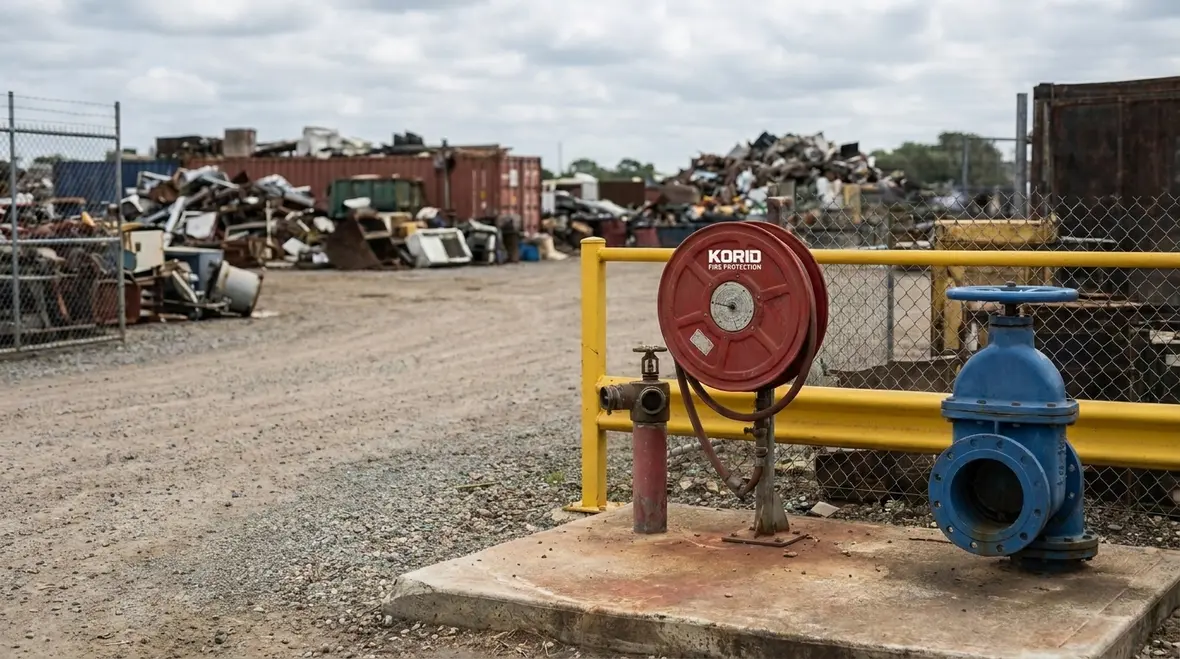
A solid compliance plan does more than satisfy an inspector. It helps keep operations stable. First, the site should map storage zones so that vehicles do not sit too close together. Next, staff should remove batteries, fuel, and other high risk items as early as possible in the processing flow. Then, the yard should maintain water supply access, extinguishers, and any fixed suppression equipment that the site uses.
Also, training matters. Workers need clear steps for hot work, smoking control, waste handling, and reporting damage to electrical systems or containers. Without that, a site can have the best layout in the world and still miss the obvious. Even Batman would agree that prevention beats rescue missions.
Written procedures should be short enough to use and strong enough to enforce. That means documented inspection routines, designated processing areas, and a schedule for removing hazardous components before they linger in open storage. The strongest sites make safety part of workflow, not a side quest that only appears when someone important visits.
It also helps to connect site planning with broader reference material like NFPA 1: A Comprehensive Guide to Fire Prevention and Safety. That resource supports the bigger picture by showing how code based thinking can improve housekeeping, access, detection, suppression planning, and long term risk control across demanding properties.
What Fire Risks Show Up Most Often in Salvage Operations
The hazards pile up fast
Automobile wrecking yards deal with a mix of risks that can stack up fast. A leaking fuel tank can feed flame. A battery can fail or short out. Tyres can burn hot and long. Plastics and interior materials can send smoke through a large area with very little warning.
Weather exposure, damaged wiring, hot work, and temporary storage habits can add even more pressure to the risk profile. Unlike a neatly controlled warehouse, a salvage yard changes daily. Vehicles arrive in unknown condition, parts move constantly, and combustible materials can end up exactly where nobody planned them to be.
That is why automobile salvage fire protection must cover both ignition prevention and fire control. Operators should not rely on one layer alone. Instead, they should combine site controls, staff training, and the right fire systems. When those layers work together, the yard gains time. And in fire safety, time is gold.
For some facilities, that broader system thinking naturally leads to evaluating fire suppression services that fit special hazards, industrial workflows, and changing storage conditions. Not every yard needs the same equipment, but every yard benefits from a protection strategy built around real site conditions rather than wishful thinking.
How Kord Fire Protection Can Support the Job
Practical support for a not so simple environment
Kord Fire Protection can become a vital partner for wrecking yard operators who want practical fire safety support. Because these sites face heavy fuel loads and changing layouts, they need more than a one size fits all answer. Kord Fire Protection can help assess the site, identify weak points, and support fire protection plans that fit the yard’s actual risks.
For industrial and commercial operations, that can include system selection, maintenance planning, compliance advice, and long term support. In addition, Kord Fire Protection can help align a site’s fire measures with local expectations while using NFPA 1 Section 22.1 as a strong reference point. That kind of partnership helps owners protect stock, staff, and uptime at the same time.
The real value is consistency. Salvage operations are busy, messy, and always changing. A dependable fire protection partner helps keep the essential pieces from drifting out of control. That includes inspection routines, maintenance intervals, system readiness, and practical recommendations that make sense for the way the yard actually works from one week to the next.
Why Australian Sites Should Pay Attention Now
Better planning protects more than property
Across Australia, industrial and commercial yards face pressure from safety rules, insurance needs, and business continuity demands. Even when NFPA standards do not act as law, they still offer a useful model for better fire planning. More importantly, they help site teams think ahead instead of reacting after smoke starts rising.
For retail, industrial, and salvage operators, this approach protects more than property. It protects reputation, supply flow, and customer trust. In a tight market, that can matter as much as the scrap itself.
A strong yard does not happen by accident. It comes from layout discipline, hazard removal, staff awareness, and protection systems that match the site. When all of those parts align, owners get fewer surprises, better resilience, and far more confidence that one preventable incident will not derail the entire operation.
FAQ
Conclusion
NFPA 1 Section 22.1 gives wrecking yards a clear path toward safer operations. For Australian sites, the right fire strategy protects workers, stock, and business flow. Kord Fire Protection can help turn that strategy into real site protection.
For operators ready to strengthen compliance and reduce risk, now is the time to act and build a fire plan that works when it matters most. In a setting full of hidden hazards and changing conditions, preparation is not extra. It is the job.

Join Our Newsletter!
Get the latest fire safety tips delivered straight to your inbox From our Newsletter.