NFPA 1 Section 22.5 Wrecking Yard Housekeeping Fire Safety
Quick Answer
NFPA 1 Section 22.5 calls for wrecking yards to stay orderly, reduce fuel, and control fire risk. In plain terms, good housekeeping keeps scrap, parts, and waste from turning into a fast moving fire problem. For industrial and commercial sites, Kord Fire Protection can help build safer routines, stronger compliance, and better day to day fire readiness.
NFPA 1 Section 22.5 matters because wrecking yards can collect hazards faster than most people can say “we’ll clean it up tomorrow.” In salvage yard housekeeping, small messes can turn into big risks, especially when oils, fuels, plastics, batteries, and metal piles sit close together. That is why auto junkyard cleanliness fire safety is not just a nice idea. It is a practical control that helps protect workers, assets, and operations. Teams that pair strong housekeeping with full fire protection services are usually in a far better position to prevent small hazards from becoming expensive emergencies.
When a yard runs clean and controlled, fire risk drops and work moves faster. That simple truth sits at the heart of wrecking yard housekeeping NFPA expectations. It also supports inspections, improves access to equipment, and makes emergency response far less chaotic when seconds matter.
What NFPA 1 Section 22.5 Means on the Ground
NFPA 1 Section 22.5 focuses on housekeeping in wrecking yards and similar salvage operations. It pushes owners and managers to keep combustible waste under control, separate dangerous materials, and avoid conditions that feed a fire. In practice, that means reducing clutter, removing buildup, and keeping access clear for people and emergency crews.
It also means treating the yard like an active risk zone, not a storage dump with a fence. Scrap metal may look harmless, yet hidden fluids, plastics, upholstery, and damaged components can create ignition paths. Therefore, a tidy yard is not about appearances. It is about fire load, access, visibility, and response time. A site can look rugged and still be well run, but a site buried in scattered debris is basically inviting trouble to RSVP.
Orderly yards reduce both fire load and confusion
Housekeeping standards work because they attack problems before they get momentum. If combustible rubbish is cleared, spills are identified early, and storage areas are defined, the yard becomes easier to inspect and easier to defend. Staff spend less time navigating clutter, and emergency crews have a better chance of reaching the source of a problem before it grows legs and starts running around the property.
How to Improve Wrecking Yard Housekeeping NFPA Compliance
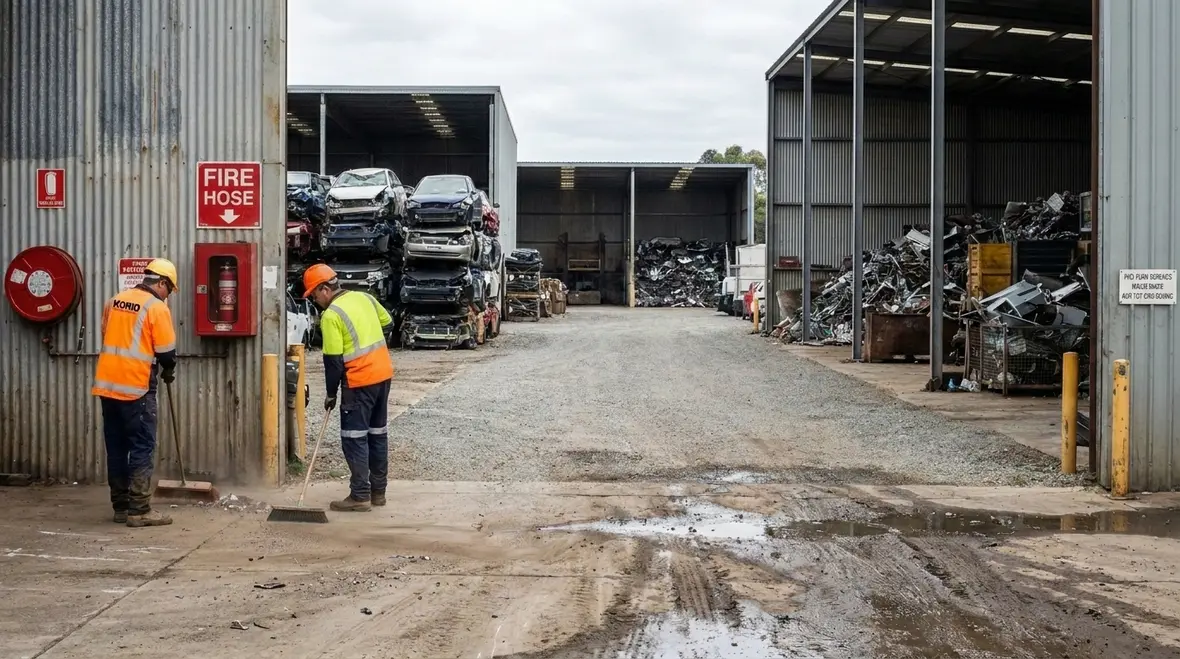
Good compliance starts with routine habits. First, teams should remove loose waste before it piles up. Next, they should sort materials by type so fuels, batteries, tyres, plastics, and metal do not all live together like an unhappy reunion cast. That one change alone can shrink the chance that a leak, spark, or heat source spreads from one hazard class to another.
Managers should also keep walkways, exits, hydrants, extinguishers, and access lanes clear. Then, they should schedule regular inspections and document what they find. That record helps show effort, and it also reveals patterns before they become problems. In addition, staff training matters. People on site need to know where to store waste, what to report, and how to act if they see smoke, heat, sparks, or spilled fuel.
Daily habits matter more than occasional cleanups
One of the biggest mistakes in salvage operations is treating housekeeping as a monthly reset instead of a daily control. A once in a while blitz may look impressive for an afternoon, but the yard’s true risk level depends on what happens every shift. Waste must leave consistently. Staging areas must stay defined. Problem vehicles should be isolated. If not, the site slowly slides back into disorder with the kind of confidence only bad ideas seem to have.
This is also a smart place to reinforce broader code awareness. For teams building a more complete compliance mindset, internal resources such as NFPA 1: A Comprehensive Guide to Fire Prevention and Safety can help connect day to day yard practices with the larger fire prevention framework.
Why Fire Risk Climbs in Salvage and Auto Wrecking Yards
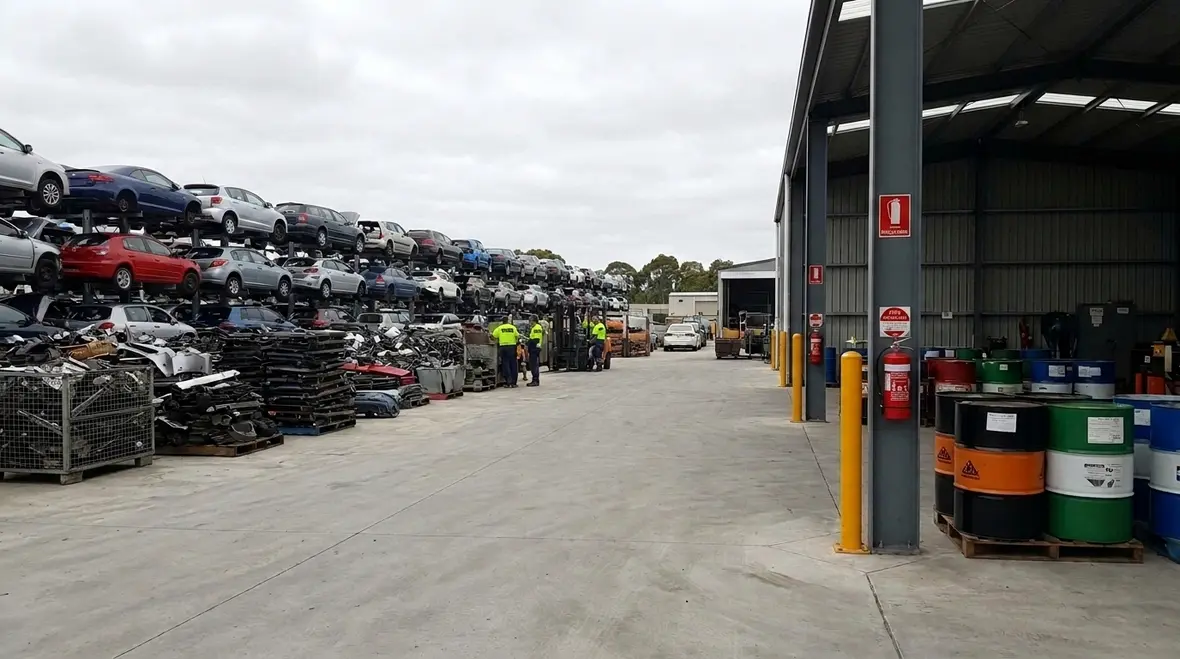
Salvage yards hold many ignition sources in one place. Vehicles may leak fuel or oil. Batteries may remain live. Hot work may happen nearby. Meanwhile, dry packaging, rubber, foam, insulation, and plastic can burn quickly. Once fire starts, it can travel through stacked materials and blocked lanes faster than a Marvel plot twist.
Furthermore, poor housekeeping can hide problems. A small leak may sit unseen under a vehicle. A damaged battery may wait for a spark. A pile of debris may stop fire crews from reaching the seat of the fire in time. A blocked lane may delay a forklift. A buried extinguisher may as well be decorative. That is why auto junkyard cleanliness fire safety must stay part of daily operations, not an afterthought reserved for inspection week.
Hidden hazards multiply when the yard gets crowded
The more congested a yard becomes, the harder it is to spot warning signs early. Congestion traps heat, limits visibility, and increases the odds that one issue blends into the background noise of normal operations. Even when staff know the risks, clutter makes the job harder. That is why separation distances, clean access paths, and disciplined material storage are not just housekeeping niceties. They are operational fire controls.
What a Practical Housekeeping Program Should Include
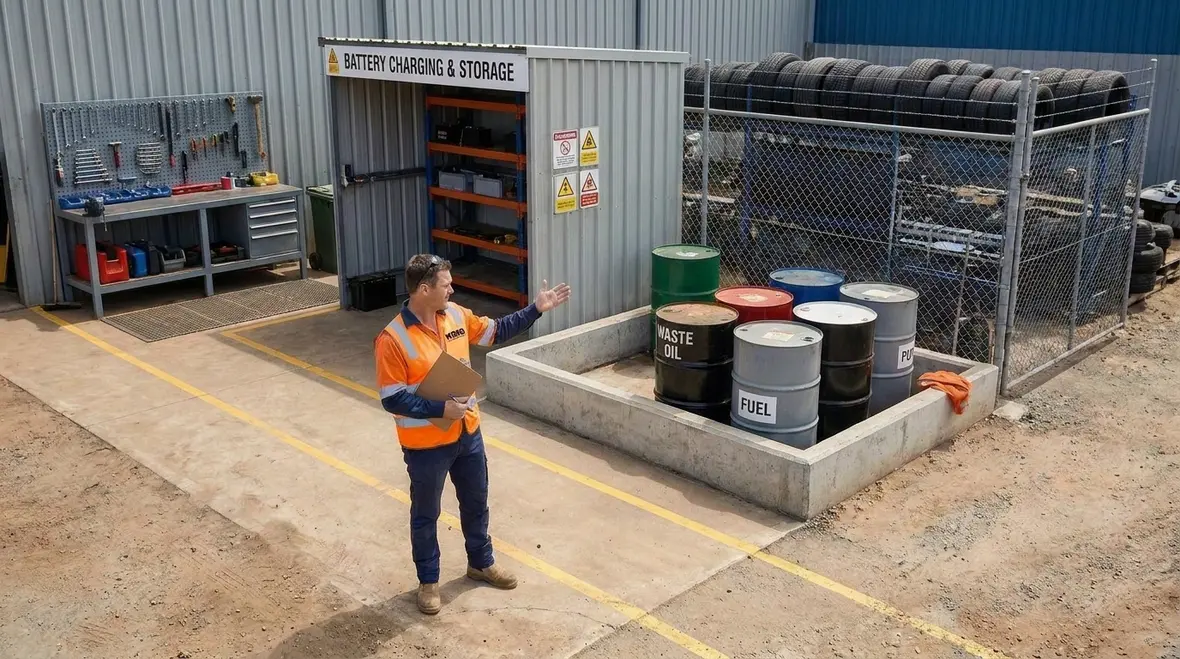
A solid housekeeping program should cover the whole site, not just the front gate and office. It should define who cleans, what they clean, when they clean, and how they report issues. It should also match site activity levels, because a busy yard usually needs more frequent checks. If the policy exists only in a binder that nobody opens, the binder may be the cleanest thing on the property, which is not exactly the goal.
Useful program elements include clear accountability, site maps for storage and access, inspection checklists, spill controls, and documented follow up. The goal is to remove ambiguity. When everybody knows what belongs where and what must be corrected immediately, the site becomes more predictable and far safer to manage.
- Regular removal of combustible waste and loose debris
- Safe storage for oils, fuels, aerosols, and batteries
- Clear separation of damaged vehicles, scrap, and waste streams
- Unblocked fire exits, hydrants, extinguishers, and access roads
- Routine checks for leaks, spills, and heat sources
- Documented inspections and follow up actions
In addition, the program should fit the site layout. A small yard with dense stacking needs a different rhythm than a large open facility. Either way, the aim stays the same: reduce fuel, reduce delay, and reduce surprises. A practical plan is one that crews can actually follow on a busy day, not one that assumes every hour is calm and every worker has unlimited time.
| Housekeeping Priority | Why It Matters |
| Combustible waste removal | Reduces fuel for fire growth |
| Clear access paths | Helps workers and fire crews move fast |
| Material separation | Limits heat, spark, and spill spread |
| Routine inspections | Finds problems before they grow |
How Kord Fire Protection Supports the Job
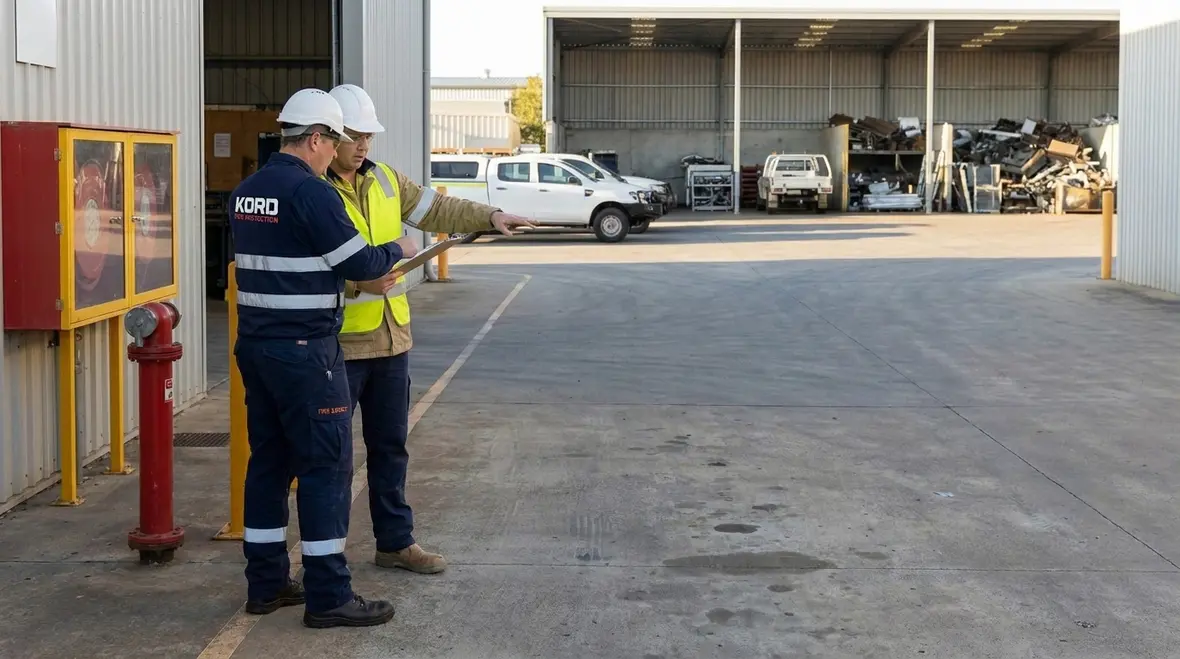
Kord Fire Protection can become a vital partner because this work needs more than advice from the sidelines. It needs fire protection planning that matches real site conditions. Kord can help assess risks, support housekeeping controls, and strengthen the systems that keep a property ready for inspection and emergency response.
For example, Kord may help identify where poor storage creates fire spread risk, where access needs improvement, and where fire equipment needs better protection. In addition, the team can support staff awareness so the site does not rely on guesswork. That matters because a clean yard without a fire plan is like a superhero with no cape. Still useful, but not ideal.
Kord’s broader service capabilities can also support the physical systems behind a safer site, including alarms, sprinklers, extinguishers, suppression systems, pumps, and preventive maintenance. Housekeeping lowers the chance of ignition and spread, but readiness also depends on whether the protection systems around the yard are maintained, visible, and available when needed.
How Sites Can Put the Standard to Work Every Day
Facilities that handle wrecking, salvage, or scrap operations should treat housekeeping as a daily safety task, not an occasional appearance project. First, they should align site procedures with NFPA 1 Section 22.5. Then, they should test those procedures against real work conditions, not paper only compliance. If the process falls apart during a busy delivery day, it is the process that needs work, not just the people using it.
Managers should train supervisors to spot risk early and act fast. They should review yard layout, drainage, waste storage, vehicle movement routes, and isolation areas for damaged units. They should also make sure contractors and temporary staff understand site expectations from day one. The cleaner the workflow, the cleaner the yard tends to stay.
The goal is simple. Keep the site clean enough that fire has fewer places to start and fewer places to go. That approach supports safer operations, stronger compliance, and better business continuity. It also sends a clear message to workers, inspectors, and clients that the facility is managed with discipline instead of crossed fingers.
FAQ
Conclusion
NFPA 1 Section 22.5 gives wrecking yards a clear message: keep the site clean, controlled, and ready. That means reducing combustible waste, separating hazards, protecting access, and making housekeeping part of the daily routine instead of the annual panic. When those basics are handled well, the yard becomes safer to work in and easier to defend when something goes wrong.
Kord Fire Protection can help turn that standard into practical action through risk reviews, stronger procedures, and support for the systems that back up a well managed site. For operators who want fewer surprises and better fire readiness, now is the right time to act before clutter becomes a crisis.

Join Our Newsletter!
Get the latest fire safety tips delivered straight to your inbox From our Newsletter.