NFPA 1 Section 20.9 and Apartment Building Fire Safety
Quick Answer: NFPA 1 Section 20.9 sets the baseline for apartment building fire safety by focusing on life safety, fire alarm readiness, clear exits, and practical fire control steps. For multi dwelling properties, it helps reduce risk, support compliance, and protect tenants. A partner like Kord Fire Protection can help keep systems ready, service on time, and paperwork in order.
For property teams that need broader support beyond one checklist item, Kord Fire Protection also offers full fire protection services that fit naturally with inspection readiness, maintenance planning, and day to day code compliance.
Why this matters for multi dwelling sites
Apartment fire safety NFPA guidance matters because smoke, heat, and panic do not wait for a convenient time. In multi dwelling buildings, one small fault can spread fast, and that makes residential building fire protection a serious business, not a box ticking exercise. For property managers and facilities teams, the multifamily fire code approach helps create order before trouble starts. It also helps people move fast, stay calm, and avoid the kind of chaos that makes even a simple alarm feel like a scene from a disaster film.
NFPA 1 Section 20.9 gives a practical framework for apartment building fire safety. It supports safe travel paths, alarm performance, fire control systems, and routine checks that keep the building ready. Just as important, it helps teams spot problems early, before a small issue grows legs and starts causing damage, downtime, and stress.
What NFPA 1 Section 20.9 focuses on
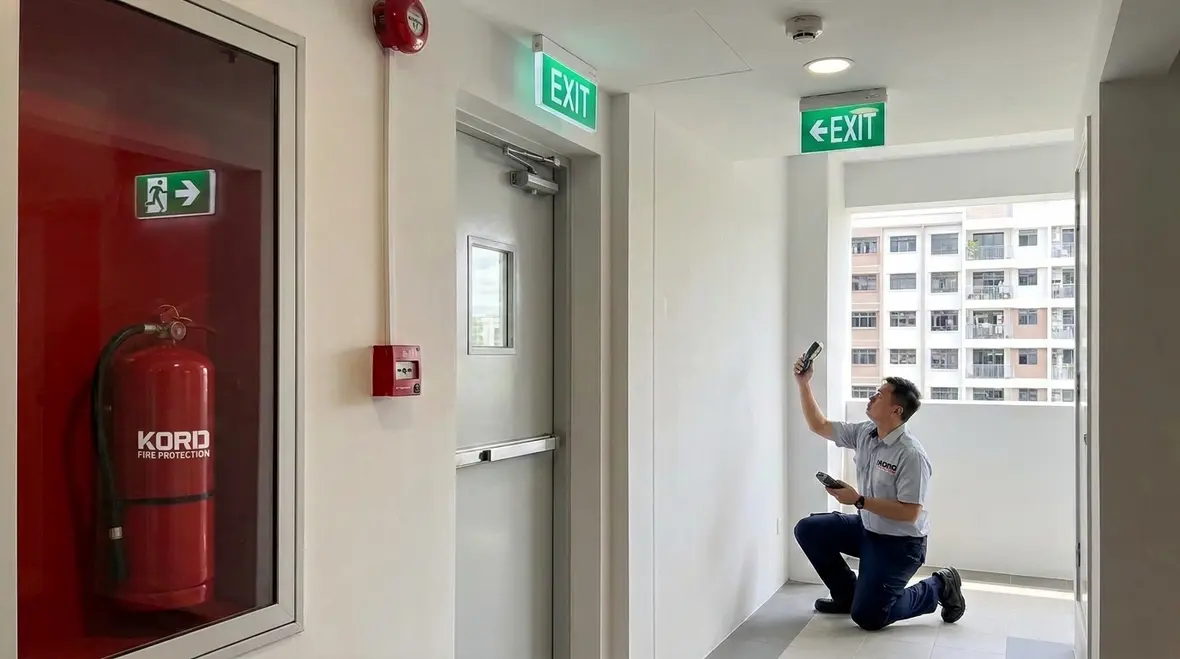
This section centers on reducing fire risk in apartment style buildings through clear safety controls. It covers the basics that matter most in a real emergency. That includes fire alarm systems, exit access, emergency lighting, extinguishers, sprinkler support, and regular maintenance. In other words, it does not try to impress anyone with fancy language. It tries to keep people alive.
For facilities teams, the value is direct. The apartment fire safety NFPA approach encourages steady inspection and service rather than last minute panic. As a result, building operators can handle issues before they become compliance problems or tenant complaints. That is a better soundtrack for any property, unless the goal is to star in a very bad action movie.
It also pairs well with broader fire prevention planning. If you want a wider code context around prevention strategy, inspections, and site level preparedness, Kord Fire Protection’s guide to NFPA 1 fire prevention and safety is a useful companion read.
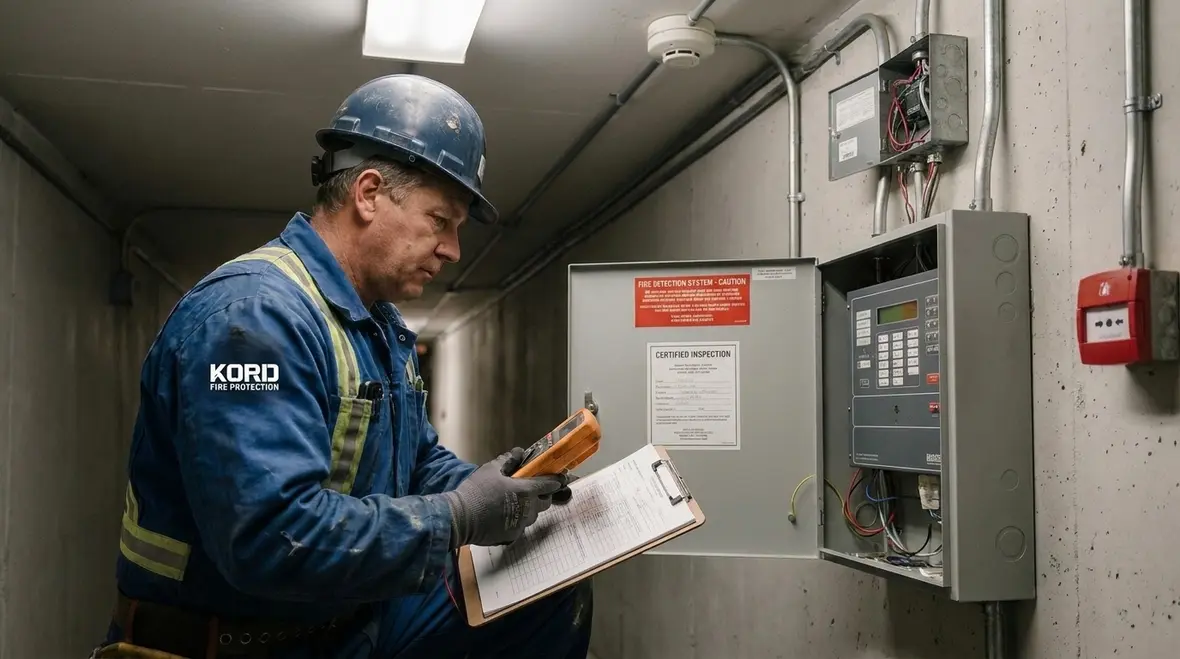
How compliance supports safer buildings
Compliance with the multifamily fire code does more than satisfy an inspector. It helps build a safer routine across the whole site. When systems are tested, exits stay clear, and fire doors work as planned, the building gains real protection. Also, insurance reviews, risk reports, and audit trails become easier to manage.
In practice, compliance helps with:
Routine system readiness
Fire alarms, sprinklers, emergency lights, and extinguishers stay in working order when service happens on time.
Faster response in an emergency
Clear exits and working devices help people react without confusion.
Lower risk of downtime
A strong residential building fire protection plan can reduce damage and avoid long shutdowns after an incident.
Better record keeping
Logs, inspection notes, and test results support due diligence across property portfolios.
Why consistency beats last minute scrambling
The biggest win is consistency. A building with scheduled service, current reports, and known system conditions is much easier to manage than one running on guesswork and crossed fingers. Property teams can budget repairs more sensibly, respond to faults faster, and speak with more confidence when inspectors, owners, or tenants have questions. Nobody enjoys a surprise fire system issue, especially one that appears five minutes before an important inspection.
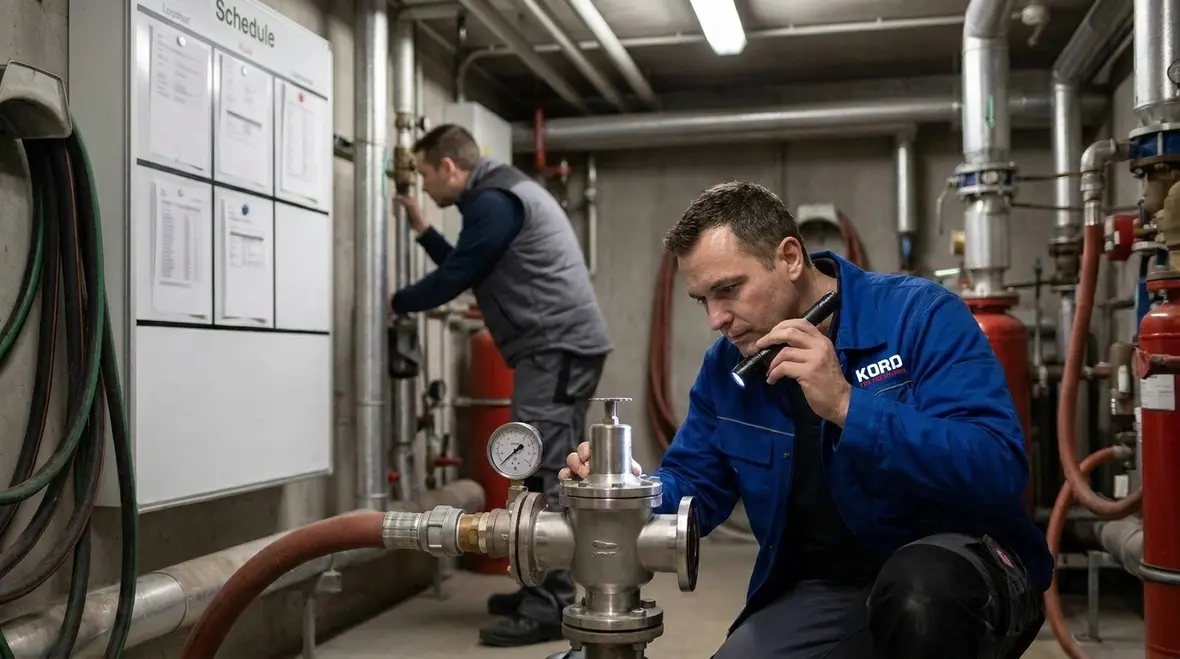
Where risk usually shows up
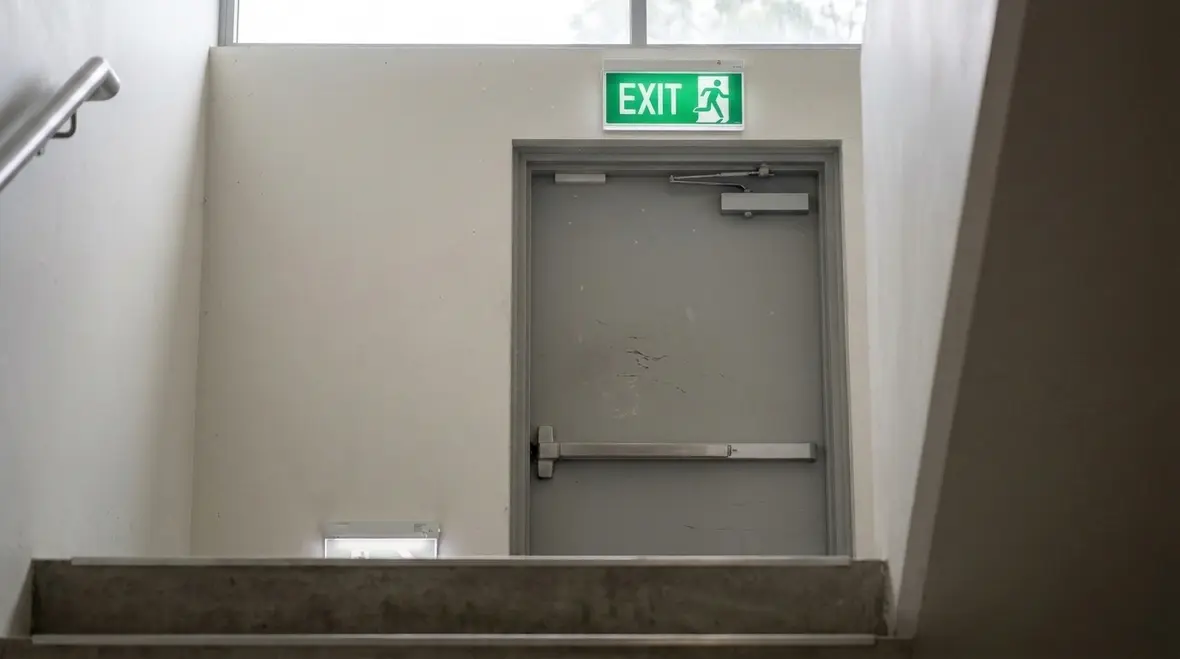
Fire risk often hides in plain sight. A blocked stairwell, a faulty alarm device, a door that does not close properly, or a sprinkler valve left in the wrong position can all weaken apartment fire safety NFPA outcomes. And yes, one missing service tag can turn a tidy compliance file into a very awkward conversation.
Common risk points include:
- Shared corridors and exits
These areas must stay open, marked, and free of clutter. - Plant rooms and service spaces
These zones often hold electrical or mechanical equipment that needs regular checks. - Fire doors and latches
If doors fail to shut or latch, smoke control drops fast. - Alarm and detection devices
A missed fault here can delay warning and raise harm. - Sprinkler and suppression systems
These systems need clean access, correct pressure, and scheduled testing.
What a good fire protection partner brings
Here is where Kord Fire Protection becomes a vital partner. For apartment complexes, mixed use towers, and other multi dwelling assets, the work goes beyond simple inspections. The site needs a team that understands the multifamily fire code, keeps service moving, and communicates clearly with facilities staff, owners, and tenants.
Kord Fire Protection can help with:
- Inspection and testing support
Systems get checked on schedule, so faults do not hide in the dark like a bad cameo in a superhero sequel. - Maintenance coordination
Service plans can align with building operations to reduce disruption. - Compliance records
Clear reports help prove that apartment fire safety NFPA duties are being met. - Practical advice
Teams can receive plain guidance on what needs repair, what needs priority, and what can wait. - Multi site support
For commercial facilities teams, one reliable partner can simplify fire safety management across several properties.
How teams can stay ahead of problems
| Task | Why it matters |
| Check alarms and detectors | Early warning protects people and limits spread |
| Inspect exits and lighting | Safe escape routes reduce panic in an emergency |
| Test suppression systems | Sprinklers and related systems help stop fire growth |
| Review fire doors | Closed doors slow smoke and heat movement |
| Keep service logs current | Records support compliance and faster repairs |
Because fire safety is never just one task, teams should treat it as part of daily site care. A well run property depends on routine checks, quick fixes, and a clear plan. Also, when Kord Fire Protection supports the process, the workload becomes easier to manage and less likely to spiral into a costly surprise.
A practical rhythm for property teams
A smart routine usually looks simple on the surface. Staff notice issues early, service vendors respond on schedule, records are updated without drama, and the building stays ready for both normal operations and worst case moments. That kind of rhythm does not happen by luck. It comes from assigning responsibility, checking common risk areas often, and making sure fire protection work is treated as part of normal building management instead of a seasonal panic project.
It also helps to think in layers. Detection, notification, suppression, egress, and documentation all support each other. If one layer slips, the whole safety picture gets weaker. That is why apartment building fire safety works best when teams stop treating systems as isolated boxes and start viewing them as one connected protection strategy.
FAQ
Final word for property teams
Apartment fire safety NFPA requirements work best when they stay practical, current, and well managed. For facilities leaders and property owners, Kord Fire Protection can help turn compliance into a steady process instead of a stressful scramble.
The result is safer buildings, clearer records, and fewer ugly surprises. In fire safety, calm preparation always beats heroic improvisation.

Join Our Newsletter!
Get the latest fire safety tips delivered straight to your inbox From our Newsletter.