NFPA 1 Section 20.13 Business Occupancy Fire Safety Guide
Quick Answer
NFPA 1 Section 20.13 guides business occupancies through clear fire safety steps that reduce risk, protect staff, and keep operations steady. It covers alarms, exits, fire extinguishers, and basic hazard control. For industrial, retail, and commercial sites, Kord Fire Protection can help turn code rules into simple, reliable action through its full fire protection services.
Business occupancy fire code in plain terms
NFPA 1 Section 20.13 focuses on fire safety in business occupancies, which includes offices, retail floors, warehouses with admin areas, and many commercial facilities. In simple terms, it sets the baseline for business occupancy fire code compliance so people can work safely and move out fast if trouble starts. It also supports office fire safety NFPA expectations by shaping how a building prepares for fire before a real emergency shows up. Because fire does not wait for a convenient time, the section pushes sites to stay ready, not lucky.
For industrial and commercial operators, this matters because good fire safety is not just about passing an audit. It also protects staff, stock, equipment, and business continuity. A fire alarm that works, an exit that stays clear, and an extinguisher in the right place can save a shift, a building, and a very bad Monday. Businesses that want to sharpen the basics can also explore Kord Fire Protection’s NFPA 1 comprehensive guide to fire prevention and safety for added context around broader code expectations.
What NFPA 1 Section 20.13 requires for business sites
NFPA 1 Section 20.13 sets out practical rules for everyday fire safety in business areas. It looks at how a site controls ignition risk, keeps fire protection gear ready, and maintains safe paths for evacuation. In other words, it supports business use fire protection by making sure the basics are done well and done often.
Core compliance points that usually matter most
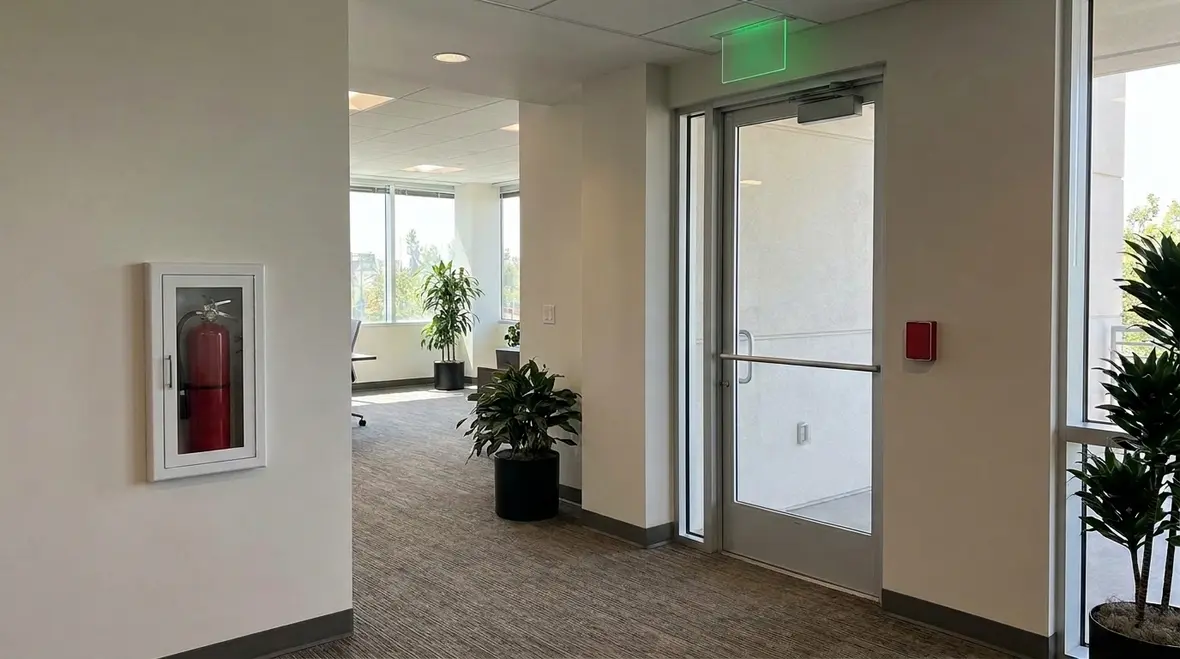
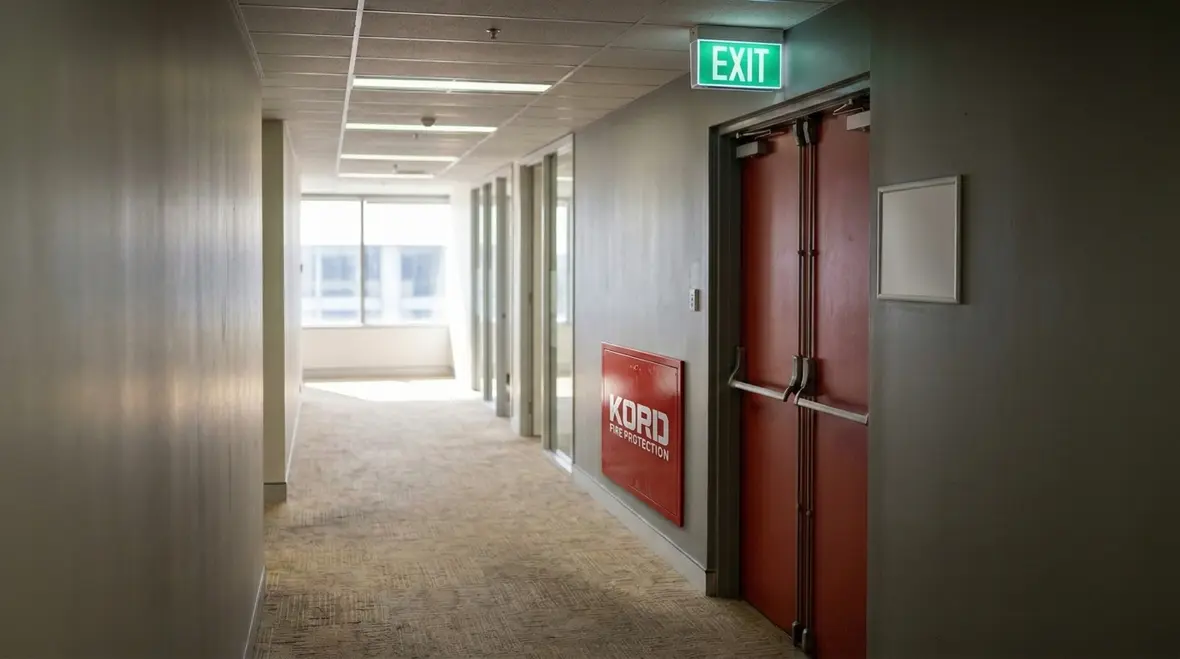
- clear exit access and exit signs
- working fire alarm and alert systems
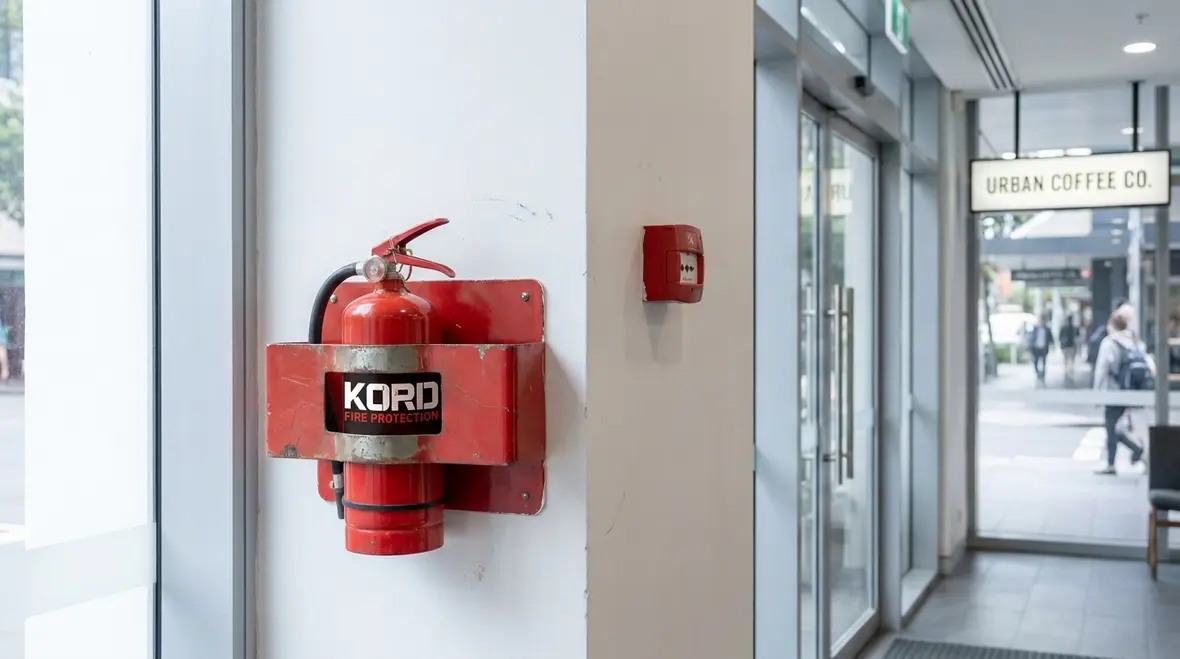
- portable fire extinguisher placement and service
- safe storage of combustible materials
- electrical safety and housekeeping
- staff readiness through training and drills
These items may sound simple, yet they often decide whether a small incident stays small. A loose power board or blocked exit can become the opening scene of a disaster. And nobody wants a fire report that begins with “someone thought it would be fine just this once.” The same idea shows up again and again in real inspection work: steady basics beat dramatic last minute scrambling every time.
That is also why teams should treat these requirements as part of daily site discipline rather than rare compliance chores. When managers check access paths, housekeeping, extinguisher visibility, and alarm readiness as routine habits, the code stops feeling like a separate language. It becomes part of how the building operates, which is exactly where strong fire safety belongs.
How business occupancy fire safety supports daily operations
Strong fire safety does more than reduce risk. It also helps sites run smoother. When a facility follows a clear fire safety plan, teams spend less time guessing and more time working. That matters in warehouses, retail centres, distribution hubs, and office buildings where people, goods, and machines all move at once.
Daily fire safety also helps leaders protect uptime. If a site has regular inspections, proper records, and a sound maintenance schedule, it avoids surprise failures during checks or emergencies. As a result, the business occupancy fire code becomes part of normal operations instead of a panic button pulled only after smoke appears.
Why operations teams benefit from fire safety discipline
A well maintained fire protection setup reduces friction in ways people do not always notice at first. Staff know where to go, what to avoid, and how to report hazards before those hazards become stories everyone repeats after lunch. Supervisors waste less time chasing missing records. Maintenance crews can plan works instead of reacting to unpleasant surprises. Even audits tend to feel less dramatic when the paperwork actually matches the site. Funny how that works.
This is especially useful for busy commercial properties where multiple contractors, deliveries, and shifting layouts can quietly create new risks. A stable fire safety routine acts like a quiet control system in the background. It does not ask for applause, but it keeps the place from slipping into chaos when no one is looking.
Fire safety areas that need the most attention
Some parts of a site need more care than others. The business occupancy fire code tends to place strong focus on the spots where risk rises fast. These often include storage rooms, plant rooms, electrical spaces, loading docks, and busy office or retail zones.
Dual view of common risk and control
| Risk Area | Why It Matters | Good Control |
| Exits and corridors | People need a fast escape path | Keep them clear and well marked |
| Electrical equipment | Faults can start fires quickly | Inspect, maintain, and repair early |
| Storage areas | Packed materials can feed fire growth | Separate, organize, and limit buildup |
| Fire extinguishers | First response can stop small fires | Place, test, and service them on time |
These control steps are not fancy, but they work. Like a good support role in a great film, they may not steal the spotlight, yet they keep the whole thing from falling apart. The smartest sites give extra attention to these high exposure areas because that is where one missed detail can multiply into a much bigger problem.
It also helps to review how these spaces change over time. A corridor that was clear last month can become part time storage. A plant room can slowly collect packaging, spare parts, and mystery items that no one claims. Fire safety declines in small steps long before it fails in obvious ones, which is why regular site walks matter so much.
Why audits and maintenance cannot be treated like paperwork
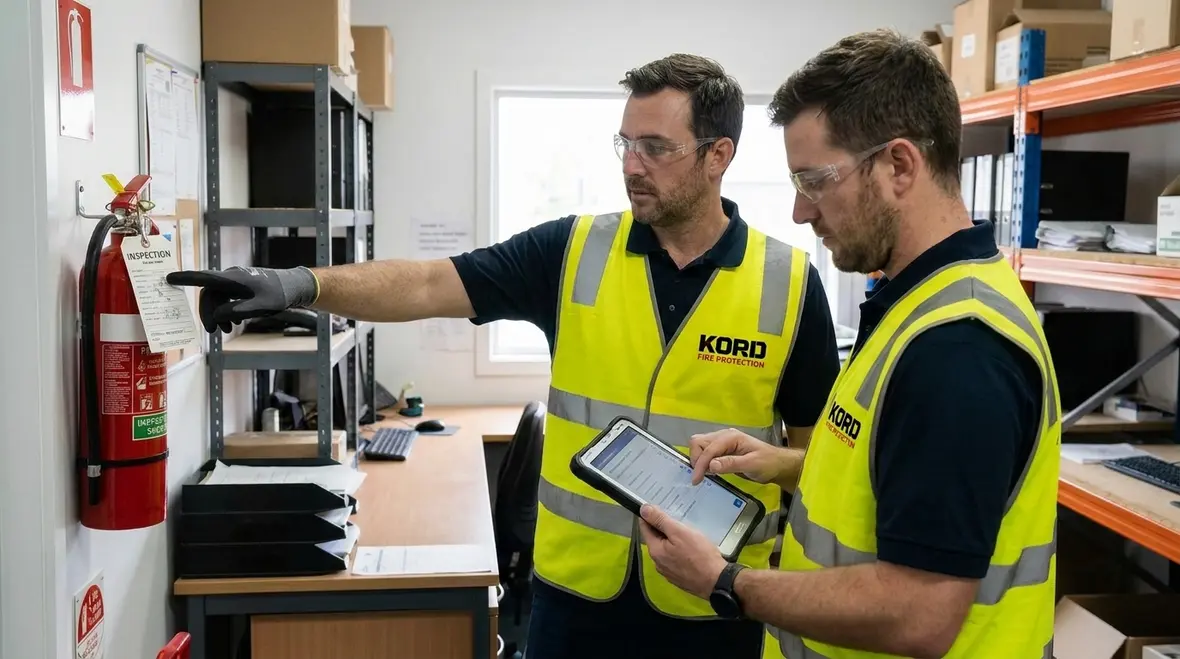
Fire safety compliance lives or dies on maintenance. If a system sits untouched for months, it may fail when needed most. That is why routine checks matter under office fire safety NFPA guidance and wider business use fire protection practice. Records should show what was checked, what was fixed, and what still needs action.
Regular servicing also helps businesses spot repeat issues. For example, if extinguishers keep ending up blocked, then the problem is not the extinguisher. It is the layout, the storage habit, or the people moving stock like they are auditioning for a Marvel scene. Strong records make those patterns visible before they become costly.
What good maintenance records should reveal
- which devices and systems were inspected
- when service took place and who completed it
- what faults were found and how they were corrected
- whether repeat issues keep returning in the same area
- what actions still need to be closed out by the site
When records answer those questions clearly, managers can make better decisions faster. They can budget maintenance, fix recurring hazards, and show auditors that compliance is active rather than decorative. That alone can save a site from a lot of last minute stress and some very awkward explanations.
How Kord Fire Protection supports business occupancy fire safety
Kord Fire Protection can become a vital partner by helping commercial and industrial sites turn fire code demands into practical systems that staff can live with. That matters because compliance works best when it fits real work, not just a folder on a shelf.
Where support makes the biggest difference
- fire safety inspections and hazard checks
- extinguisher supply, service, and placement advice
- system maintenance and compliance support
- site planning for safer exits and access
- ongoing fire protection guidance for changing facilities
For businesses, that support can reduce stress during audits and improve day to day readiness. More importantly, it can help managers avoid gaps that sit unnoticed until an emergency exposes them. In that moment, expert support is not a nice extra. It is the difference between control and chaos.
Sites looking to strengthen long term readiness may also find useful context in related Kord Fire Protection articles such as full lifecycle of fire protection servicing and fire suppression deficiencies found in inspections by Kord. Both support the same core point: steady inspection and maintenance habits usually prevent the ugly surprises.
FAQ
Conclusion
NFPA 1 Section 20.13 gives business occupancies a clear path to safer daily operations. The value is not just in knowing the rules. It is in applying them well enough that alarms, exits, extinguishers, storage controls, and routine maintenance all support the same goal: helping people get out safely and helping the site stay as prepared as possible.
For industrial, retail, and commercial properties, the smartest move is to pair strong fire safety habits with expert support. Kord Fire Protection can help keep systems ready, sites compliant, and people safer. When fire protection works well, business keeps moving. And that is the kind of calm every facility deserves.

Join Our Newsletter!
Get the latest fire safety tips delivered straight to your inbox From our Newsletter.