NFPA 1 Section 18.3 Water Supply for Fire Protection
Quick Answer: NFPA 1 Section 18.3 sets the ground rules for water supply for fire protection by requiring dependable fire water supply requirements, proper access, and enough flow for fire systems to do their job. For Australian industrial, retail, and commercial sites, that means fire protection water sources must be planned, tested, and maintained with care. Kord Fire Protection can help keep that process practical, compliant, and far less dramatic than a scene from a disaster movie.
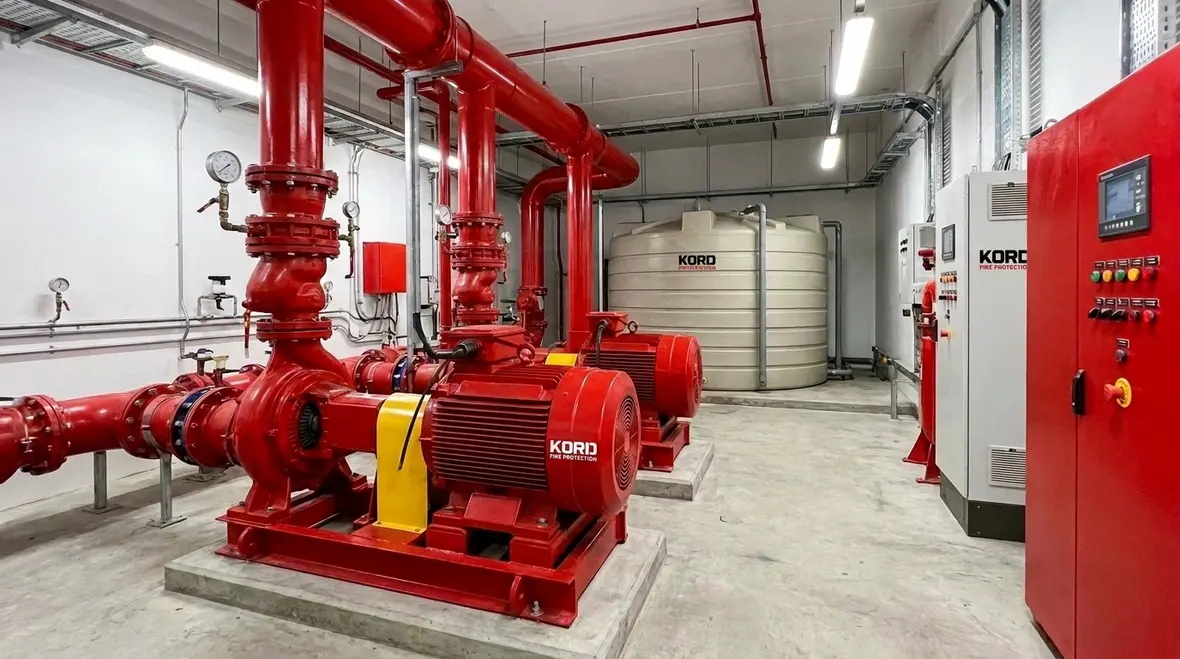
Near the start of any serious review, it also helps to connect water supply planning with real service support. Kord Fire Protection’s fire pump services fit naturally into that conversation because a dependable supply is not only about having water somewhere on site. It is about moving that water where it needs to go, at the pressure the system expects, without crossing your fingers and hoping the hardware feels cooperative that day. For broader code context, teams can also look at NFPA 1: A Comprehensive Guide to Fire Prevention and Safety as part of a bigger compliance picture. ([kordfire.com](https://kordfire.com/?utm_source=openai))
What NFPA 1 Section 18.3 Means for Site Safety
NFPA 1 Section 18.3 focuses on one simple truth: a fire protection system is only as good as the water behind it. In plain terms, the code expects a reliable water supply for fire protection so sprinklers, hydrants, and other systems can perform when needed. That matters across Australia, especially in industrial plants, shopping centres, warehouses, logistics hubs, and large commercial sites where a small delay can become a big bill.
In this part of the code, the goal is not paperwork for its own sake. Instead, it is about making sure fire protection water sources can support the hazard level on site. A system may look fine on a drawing, but if the supply cannot deliver the needed flow and pressure, the setup becomes a very expensive ornament. Nobody wants that kind of surprise.
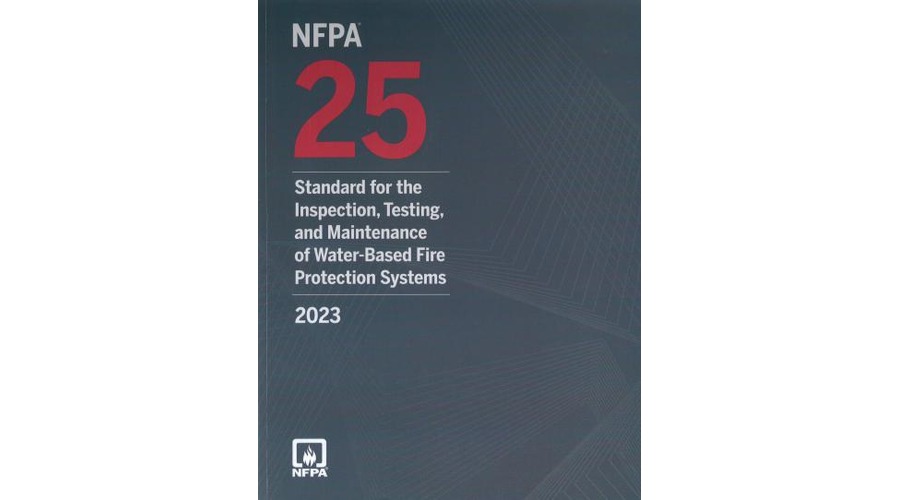
That practical view lines up with Kord Fire Protection’s wider approach to water based system performance. Their related content on water supply inspection and testing requirements and water supply reliability analysis for fire suppression systems reinforces the same point: appearance does not equal readiness, and measured performance tells the real story. ([kordfire.com](https://kordfire.com/nfpa-25-water-supply-inspection-and-testing-requirements/?utm_source=openai))
How Fire Water Supply Requirements Work in Practice
Volume, pressure, and duration are the big three
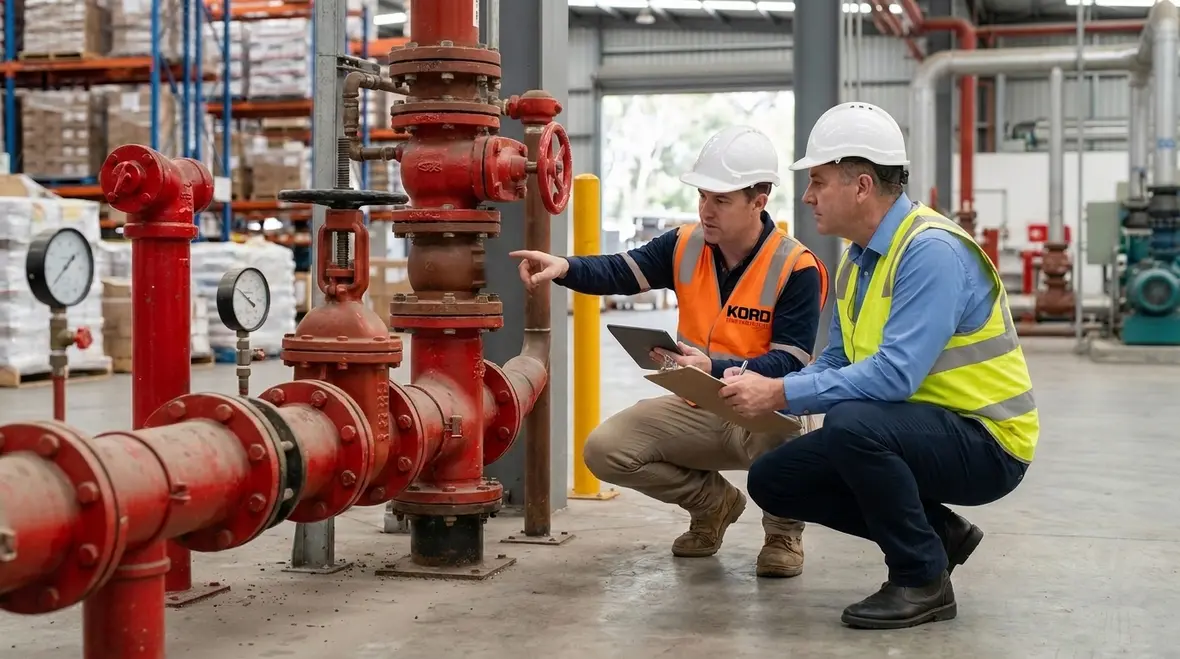
Fire water supply requirements usually cover three main points: volume, pressure, and duration. First, the site must have enough water to match the fire load. Second, that water must arrive with enough pressure to feed the system. Third, it must last long enough for fire crews and automatic systems to control the event.
These fire water supply requirements often depend on the building use, size, construction type, and fire risk. For example, a warehouse with high storage loads may need a very different supply than a retail centre with lower hazard areas. Therefore, a one size fits all approach rarely works. Fire protection should fit the site, not the other way around.
Just as important, the supply must stay dependable over time. Pumps, tanks, mains connections, valves, and hydrants all need checks. After all, water does not care about the business plan, the lease agreement, or the Monday morning rush. It only does its job if the system behind it works.
Testing proves the system is more than a nice theory
In practice, dependable performance comes from routine verification, not optimistic storytelling. Kord Fire Protection’s fire pump testing material explains that teams need to confirm startup behavior, circulation during churn conditions, and planned flow testing so results actually mean something. Their broader water supply inspection guidance also stresses documenting hydrants, tanks, meters, pumps, and related components instead of relying on a quick glance and a brave attitude. ([kordfire.com](https://kordfire.com/nfpa-25-8-3-fire-pump-testing-churn-tests-and-flow-planning/?utm_source=openai))
That is why site managers should think beyond the question, “Do we have water?” The better question is, “Can the system deliver the right water performance under demand?” That is a less poetic sentence, sure, but it is much more useful when auditors, insurers, or emergency crews come calling.
Water Supply NFPA Fire Code and Australian Facilities
The water supply NFPA fire code gives facility teams a framework for planning, testing, and maintaining water based fire protection. For Australian sites, this is especially useful when projects involve mixed use buildings, aging infrastructure, or sites with limited water main capacity. In those cases, the code helps guide decisions before problems show up during an inspection or, worse, during an emergency.
Facility managers should look at where the water comes from, how stable it is, and whether the system has enough backup. Municipal mains, dedicated tanks, fire pumps, and boosted supplies can all play a role. However, each source has strengths and limits. A council main may offer convenience, while a storage tank may provide resilience. The right mix depends on risk, location, and system demand.
In Australia, many sites also need to align the fire setup with local requirements, insurance needs, and operational realities. That is where a careful review of the water supply NFPA fire code becomes more than a compliance task. It becomes a business protection tool.
| Water Supply Option | Main Benefit | Common Risk |
| Municipal main | Easy access and shared infrastructure | Pressure drop during peak demand |
| Stored tank supply | Dedicated reserve for fire events | Requires inspection and upkeep |
| Fire pump system | Boosts pressure when needed | Depends on power and maintenance |
| Combined supply | Better resilience and flexibility | More parts to test and manage |
Kord Fire Protection’s overview of how NFPA 20 regulates fire pump systems adds helpful context here, especially where minimum suction reliability, valves, accessories, and retrofit testing all affect the way a site turns a water source into usable fire protection performance. ([kordfire.com](https://kordfire.com/how-nfpa-20-regulates-fire-pump-systems/?utm_source=openai))
How to Judge Fire Protection Water Sources on Site
What to inspect before an issue turns expensive
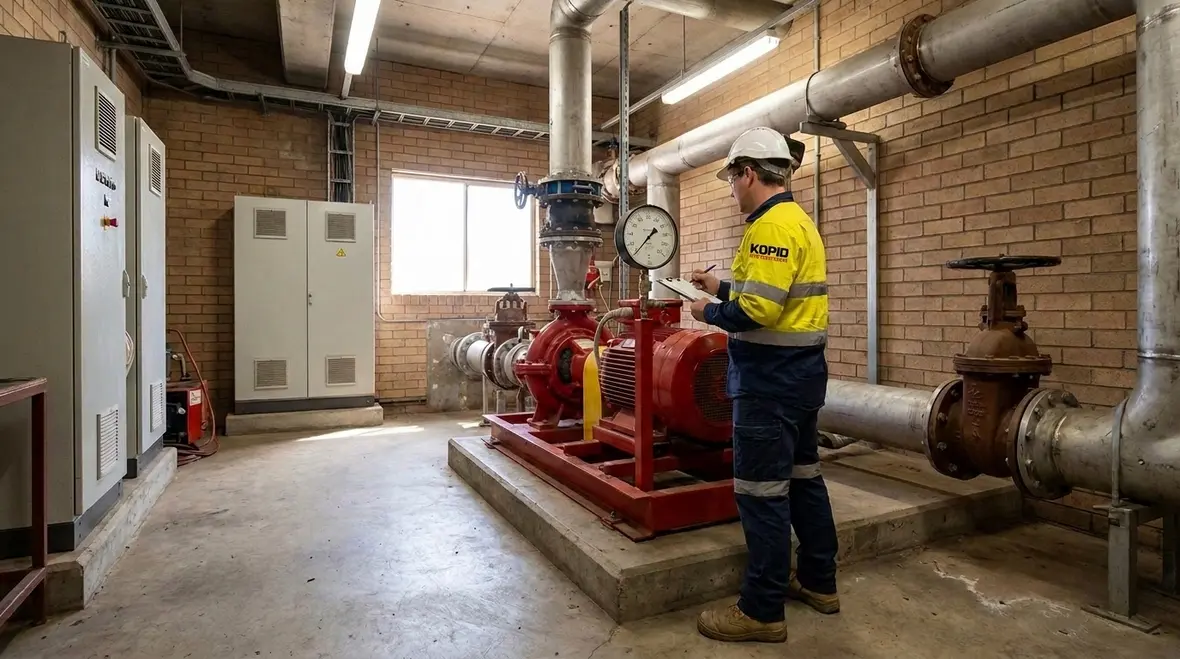
Good fire protection water sources do more than exist on a plan. They need to deliver, reliably and on time. So, site teams should check flow rate, pressure stability, storage capacity, access for emergency crews, and long term service condition. If a hydrant is blocked by a shipping container or a tank sits without proper maintenance, the whole system loses value fast.
Water quality also matters. Sediment, corrosion, and debris can reduce performance over time. That means inspections should include visible condition, testing records, and signs of wear. It may not sound glamorous, but neither does explaining why a pump failed because nobody checked it since the last office coffee machine upgrade.
For industrial and commercial sites, these checks help avoid shutdowns, asset loss, and insurance trouble. They also support safer site operations every day, not just during fire events.
Reliability comes from access, documentation, and repeatable checks
Kord Fire Protection’s reliability analysis for fire suppression systems describes why supply verification under stress matters so much. Their testing resources also point to practical checks such as confirming suction conditions, pump controls, valve positions, yard hydrants, and storage performance. In short, a source should not merely exist in a report from years ago. It should keep proving itself in the real world. ([kordfire.com](https://kordfire.com/water-supply-reliability-analysis-for-fire-suppression-systems/?utm_source=openai))
Why Kord Fire Protection Becomes a Vital Partner
Kord Fire Protection can play a vital role in making fire water supply requirements practical, compliant, and easier to manage. The team can help assess current systems, identify weak points, and support upgrades where water supply capacity falls short. That kind of support matters because fire protection is not just about equipment. It is about making sure the whole supply chain, from source to nozzle, actually works.
For facilities across Australia, Kord Fire Protection can assist with site reviews, water supply assessments, system planning, testing support, and ongoing maintenance guidance. As a result, businesses can reduce risk before it turns into downtime or damage. And in a world where every minute of shutdown hurts, that is not a small thing. It is the difference between smooth operations and a very bad week.
Just as importantly, Kord Fire Protection can help teams speak the same language. Owners, managers, contractors, and compliance teams often look at the same site and see different problems. A skilled partner helps turn confusion into action.
That message runs across the Kord Fire site, from its main service overview to technical articles that connect design, testing, maintenance, and corrective work. The result is a practical, compliance-focused model that supports sprinklers, alarms, suppression systems, fire pumps, hydrants, and specialty testing rather than treating each issue like it lives on its own lonely island. ([kordfire.com](https://kordfire.com/?utm_source=openai))
What facility managers should ask before the next audit
Before the next audit or site review, facility managers should ask a few direct questions. Is the current supply enough for the fire risk on site? Are pumps, tanks, and mains tested on schedule? Do the fire protection water sources remain accessible and in good condition? Has the site changed in a way that affects demand?
These questions matter because business growth often changes fire risk faster than people expect. New storage, new machinery, and new layouts can all affect water demand. Therefore, a system that passed once may no longer fit the site today. That is why regular review matters as much as the original design.
A sensible audit conversation usually includes confirming the source, confirming the path, and confirming the proof. In plain English, that means knowing where the water originates, how it travels through pumps and piping, and what test records show about real performance. It is not glamorous, but neither is emergency improvisation in a pump room while someone says, “I thought that was someone else’s problem.”
FAQ
Conclusion
A dependable water supply is the backbone of fire safety for industrial, retail, and commercial sites. NFPA 1 Section 18.3 gives the direction, but the right partner makes it work in the real world. Kord Fire Protection can help strengthen systems, reduce risk, and keep water supply ready when it counts.
For sites that want confidence instead of guesswork, the next step is clear: review the system and act early. When water supply planning, testing, and maintenance all stay connected, compliance becomes easier, operations become safer, and the odds of a nasty surprise drop in a very satisfying way. ([kordfire.com](https://kordfire.com/nfpa-25-water-supply-inspection-and-testing-requirements/?utm_source=openai))

Join Our Newsletter!
Get the latest fire safety tips delivered straight to your inbox From our Newsletter.