NFPA 1 Section 13.6 Portable Fire Extinguisher Placement
Quick Answer: NFPA 1 Section 13.6 sets the baseline for portable fire extinguisher rules in commercial and industrial spaces. It covers the right type, correct size, proper placement, regular inspection, and easy access. For Australian facilities, these ideas support safer operations, faster response, and better fire readiness. Kord Fire Protection can help keep it all in line.
In busy industrial and commercial sites, fire safety is not a box ticked once and forgotten. It is a living part of the building’s defense. Portable fire extinguisher code rules, fire extinguisher placement NFPA guidance, and ABC extinguisher requirements all point toward one goal: make sure the right extinguisher is in the right place when trouble starts. And trouble, like a bad sequel, usually shows up when nobody wants it.
NFPA 1 Section 13.6 gives clear direction on extinguisher selection, placement, inspection, and maintenance. While Australian sites must also follow local laws and standards, many facility managers use NFPA guidance as a strong benchmark. That is where full fire protection services from Kord Fire Protection become a vital support, helping teams turn compliance into action without the usual fire safety headaches.
That practical support lines up well with related planning on NFPA 1 fire prevention and safety guidance, especially for teams trying to connect extinguisher placement decisions with a broader site safety strategy instead of treating each wall bracket like a lonely side quest.
What NFPA 1 Section 13.6 Covers for Facilities
NFPA 1 Section 13.6 focuses on portable extinguishers as the first line of attack against small fires. It expects a site to match the extinguisher to the hazard, place it where staff can reach it fast, and keep it ready through regular checks. In other words, it does not want the extinguisher hiding in a corner like a reluctant extra in a disaster movie.
The standard also supports clear planning for industrial plants, warehouses, retail floors, offices, and public facilities. As a result, managers can reduce delay during an emergency and improve the chance of stopping a fire before it spreads. When the first few seconds matter, placement and readiness stop being paperwork and start becoming outcomes.
Core ideas facility teams should pull from the section
- Choose extinguisher types that fit the actual hazard
- Place units where travel distance and access support a fast response
- Keep equipment visible, mounted properly, and not blocked
- Inspect and service units on schedule
- Train staff so the equipment is more than expensive wall décor
How to Apply Portable Fire Extinguisher Code Rules on Site
A site should first identify the fire risks in each area. For example, electrical rooms, kitchens, fuel areas, loading docks, and maintenance zones may each need different protection. Then the team should choose extinguisher types that match those risks.
ABC dry chemical units are common because they handle ordinary combustibles, flammable liquids, and electrical hazards. However, not every area suits the same unit. Therefore, the site must look at the hazard, the building layout, and the people who will use the extinguisher. That is where a thoughtful review saves time later, because replacing the wrong units after an inspection is about as fun as learning you scheduled the audit for the same week as a major site shutdown.
Proper training matters too. Staff should know how to lift the unit, aim low, and sweep the base of the fire. A good extinguisher is useful, but a trained person turns it into a real asset. Teams should also know when not to fight a fire. The point is fast, informed action, not turning a workplace incident into an action scene nobody asked for.
A simple site application process
- Map the hazards in each room or operational zone
- Select extinguisher classes and sizes suited to those hazards
- Plan visible mounting points with clear access
- Check travel paths and likely emergency movement
- Train staff and assign routine inspection responsibility
- Record service activity and keep documentation easy to retrieve
Fire Extinguisher Placement NFPA Uses in Busy Workplaces
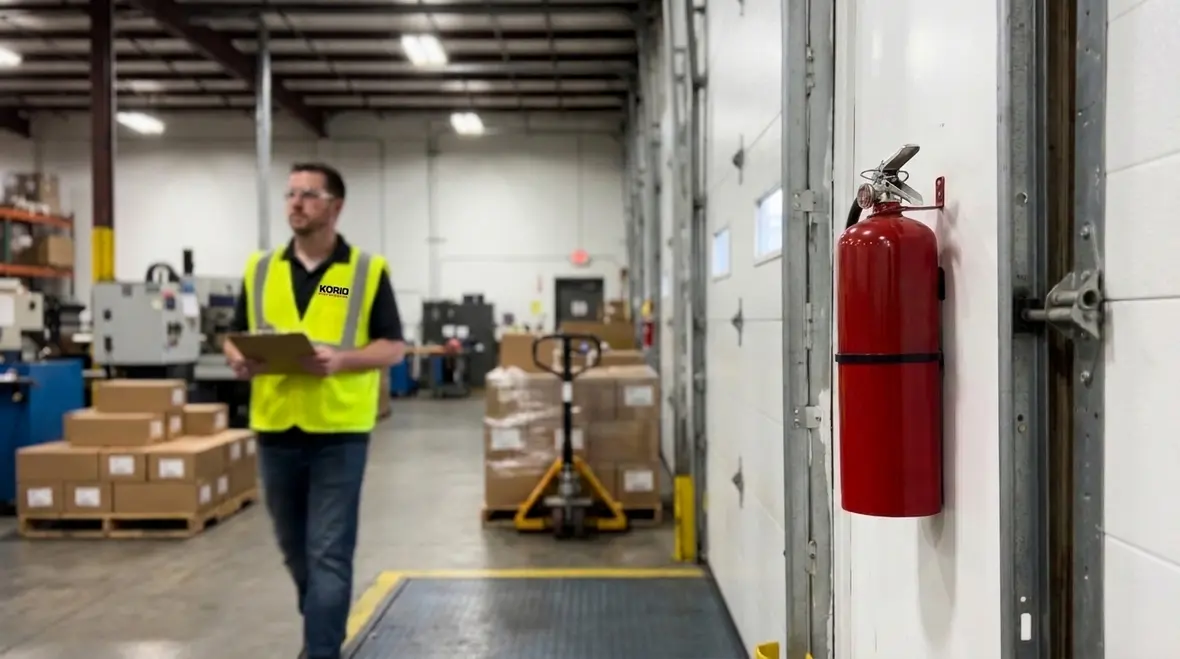
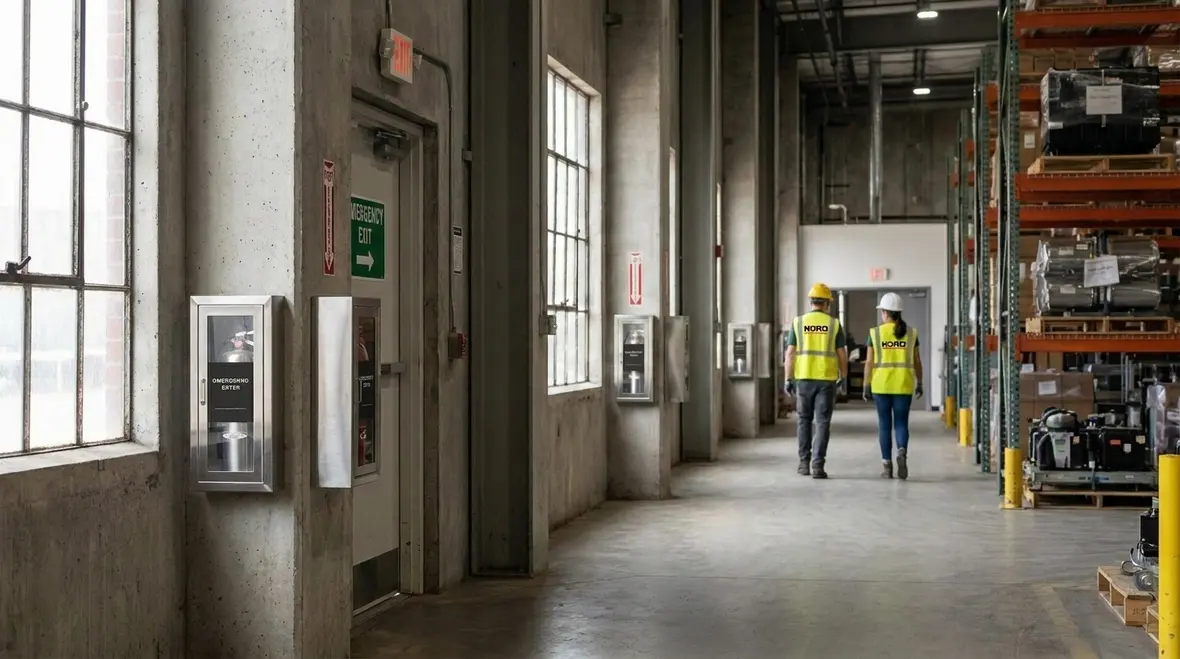
Placement affects response time. If staff cannot reach an extinguisher quickly, the equipment loses much of its value. NFPA guidance calls for clear access, visible mounting, and locations that match travel distance rules. That means no stacking boxes in front of the unit and no placing it where it blends into the wall like a camouflaged superhero.
In larger facilities, placement should follow the path of normal movement. Staff should not have to wander far to find protection. Instead, extinguishers should sit near exits, high risk work zones, and along main routes. This helps people respond fast without passing deeper into danger.
Busy workplaces also change over time. Storage layouts shift, machinery moves, partitions go up, and traffic patterns evolve. A placement plan that worked last year may be awkward now. Regular reviews help make sure the extinguisher still sits where people can actually reach it during stress, not just where it looked neat on a drawing during the planning stage.
Placement habits that help
- Install units near exits and decision points
- Keep sightlines open with clear signage
- Avoid blockage from pallets, stock, carts, or furniture
- Review placement after fit-outs, renovations, or process changes
- Match coverage to how people actually move through the site
ABC Extinguisher Requirements for Commercial and Industrial Sites
ABC extinguishers suit many business settings because they cover three common fire classes. They work well where paper, packaging, timber, electrical gear, and some liquids exist together. For retail and warehousing, that flexibility often makes them the practical choice.
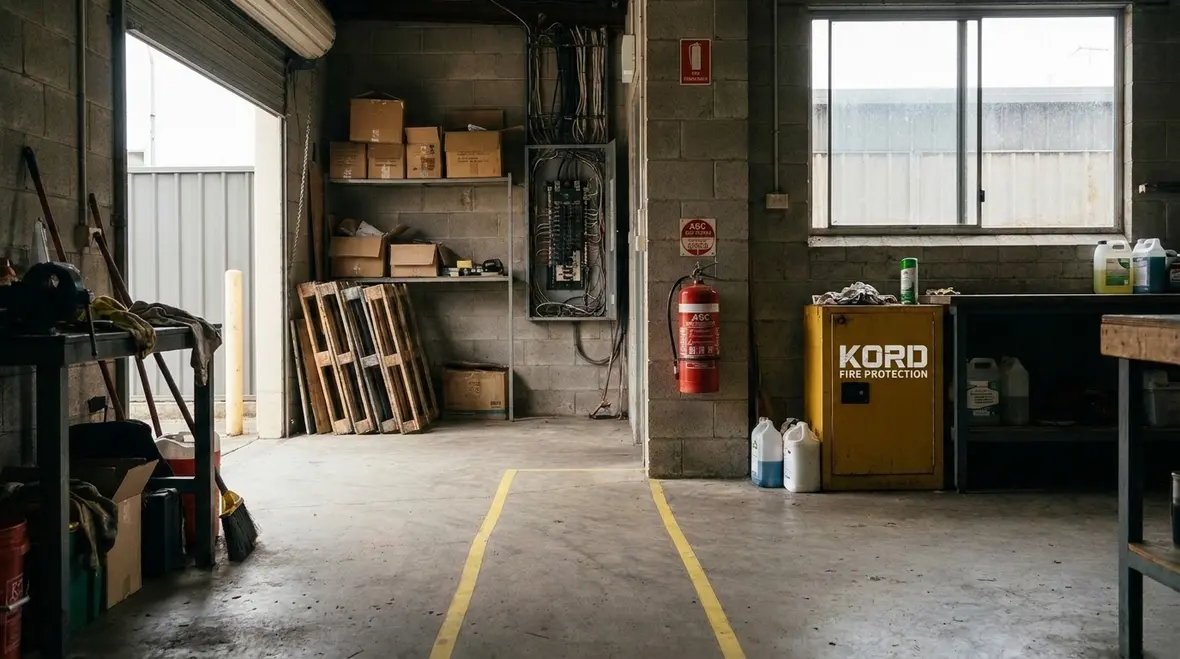
Still, the site must check the rating, size, and mounting height. It must also keep the units easy to see and free from damage. A missing tag or blocked extinguisher can turn a simple safety item into expensive wall décor. That is not a great look for safety culture, and it is even worse during an audit or an actual emergency.
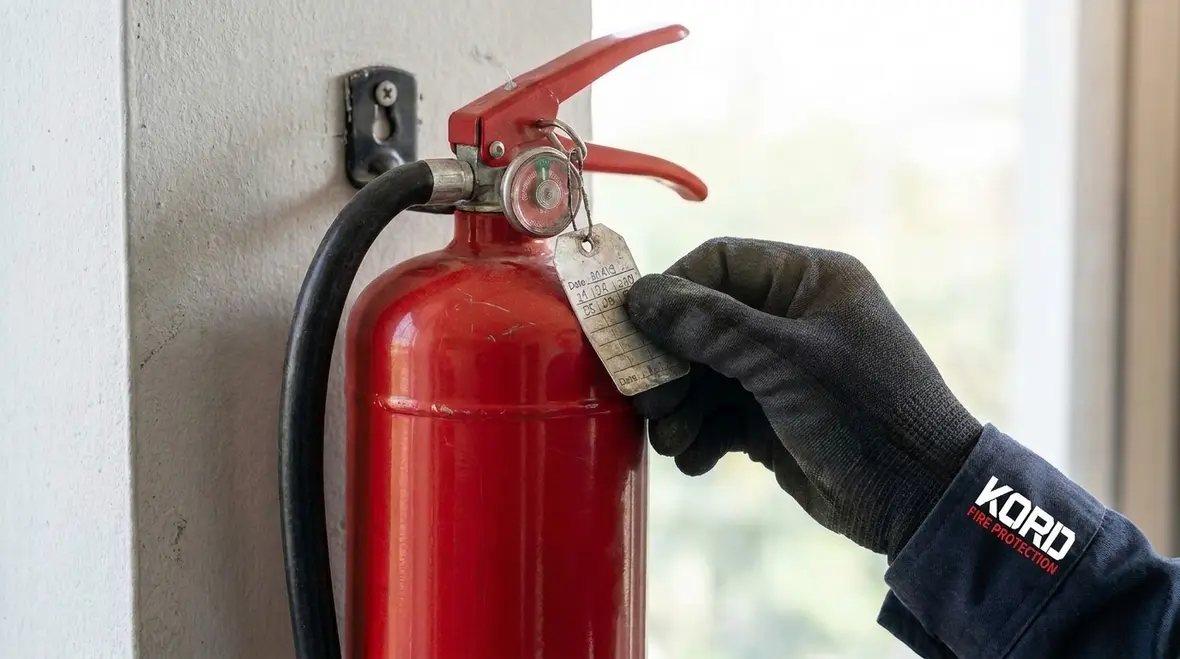
Regular inspection helps confirm pressure, condition, and access. In addition, annual servicing ensures the unit stays compliant and ready for use when the clock starts moving fast. For teams managing many devices across multiple rooms or buildings, consistency matters just as much as the hardware itself.
What teams should verify on each ABC unit
- The extinguisher type fits the surrounding hazard profile
- The unit rating supports the expected level of risk
- Pressure indicators, pins, seals, and tags are intact
- The extinguisher is mounted at the correct height and stays visible
- Service dates and records are current and easy to confirm
Dual Column Guide for Facility Teams
Compliance need
Correct extinguisher type
Proper placement
Routine checks
Staff readiness
Service records
What it means on site
Match the unit to the fire risk in each area
Keep units visible, reachable, and free of blockage
Inspect tags, pressure, condition, and access
Train workers to use the extinguisher with confidence
Keep clear documents for audits and inspections
Why Kord Fire Protection Becomes a Vital Partner
Managing extinguishers across multiple sites can feel like chasing a dozen moving targets at once. Kord Fire Protection helps simplify that work. The team can assess risk, recommend the right extinguisher mix, support placement planning, and carry out inspections and servicing with a steady hand.
That support matters for industrial, retail, and commercial operators across Australia. Moreover, it helps reduce gaps between policy and practice. When Kord Fire Protection handles the details, facility teams can stay focused on operations, staff safety, and uptime. That is the sort of partnership that keeps the fire plan from becoming a very expensive theory.
For many businesses, the real challenge is not understanding that extinguishers matter. It is maintaining consistency across daily operations, changing layouts, staff turnover, and compliance pressure. A provider that understands inspections, service intervals, documentation, and practical placement can remove a lot of friction. That means fewer surprises, cleaner audits, and more confidence that the first response equipment will actually be ready when it is needed.
FAQ
Conclusion
Portable extinguishers only work when the right unit sits in the right place and stays ready. NFPA 1 Section 13.6 gives facility teams a practical framework for selection, placement, inspection, and maintenance. Used well, those rules support faster response, less confusion, and a stronger first line of defense when a small fire tries to become a very large problem.
Kord Fire Protection helps industrial, retail, and commercial facilities meet that standard with less stress and better control. For sites that want stronger compliance and faster response, now is the time to review extinguisher coverage and speak with a trusted fire protection partner. Because “we thought it was fine” is not the kind of sentence anyone wants to say after an incident.

Join Our Newsletter!
Get the latest fire safety tips delivered straight to your inbox From our Newsletter.