NFPA 1 Section 13.2 Standpipe Systems Compliance in Australia
Quick Answer: NFPA 1 Section 13.2 sets the rules for standpipe systems so water reaches firefighters fast and reliably in tall and complex buildings. It covers the right type, placement, water supply, and upkeep of Class I II III standpipes and the fire department connection standpipe. For Australian industrial and commercial sites, this matters because poor setup can turn a simple response into a long, awkward lesson in gravity.
For sites planning upgrades or reviewing existing infrastructure, Kord Fire Protection’s Standpipe Systems Class I-II-III service fits naturally into the conversation because compliance works best when design, inspection, and maintenance are treated as one continuous job instead of three unrelated calendar reminders.
NFPA 1 Section 13.2 in Plain Terms
NFPA 1 Section 13.2 tells a building owner what a standpipe system must do and how it must perform. In simple terms, the system must give fire crews a dependable water source inside the building, even when outside access is limited. For larger industrial, retail, and commercial sites across Australia, this can make the difference between control and chaos.
Because fire conditions change fast, the code focuses on layout, pressure, hose connections, and maintenance. It also ties the standpipe system fire code to practical use, not just paper compliance. That matters, since no one wants to discover a dead valve during a real emergency. That sort of surprise belongs in movies, not warehouses.
This is where plain language helps. A compliant standpipe system is not just a pipe in a wall with good intentions. It is a working internal water delivery path that must be available, accessible, and ready under stress. When a site includes long travel distances, multiple storeys, or complicated access routes, that readiness becomes even more important. Firefighters do not need mystery. They need water where and when they expect it.
How Class I II III Standpipes Work
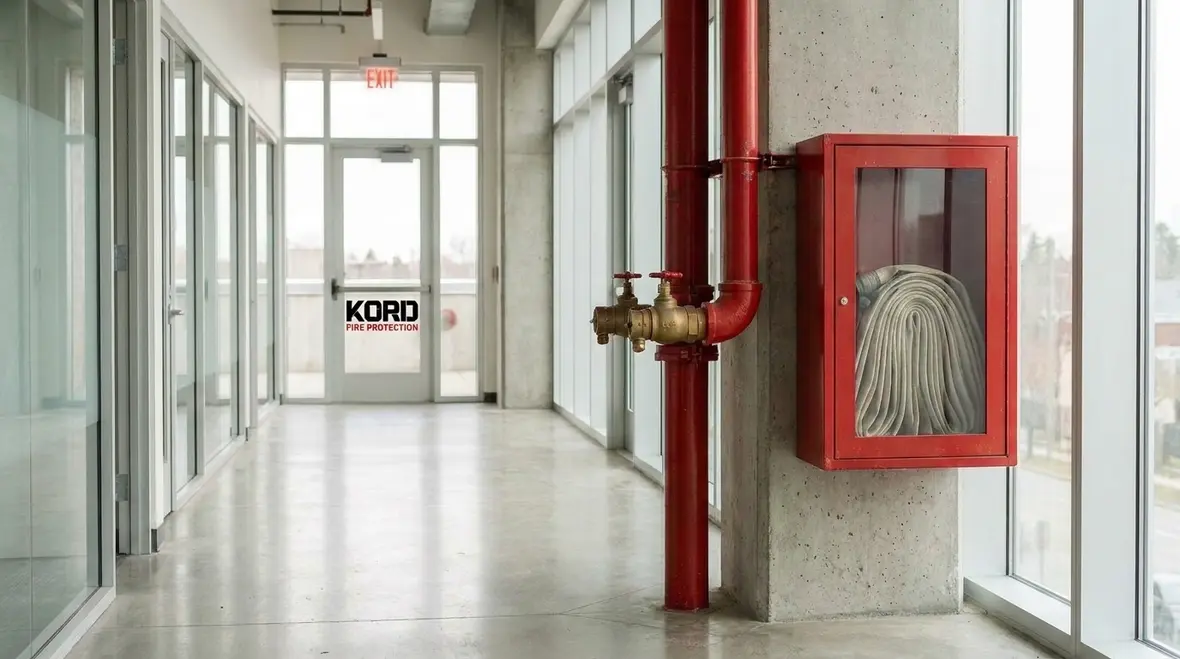
NFPA 1 Section 13.2 recognizes Class I II III standpipes because each class serves a different need. Class I systems provide 65 mm hose connections for trained fire crews. Class II systems support smaller hose lines for building occupants where allowed. Class III systems combine both features and offer flexible response options.
These systems must match the building use, height, fire load, and local fire strategy. For example, a multi level retail center may need different coverage than a processing plant with long internal corridors. Therefore, design teams must look at the site as it really functions, not as the drawings wish it did.
Choosing the Right Class for the Actual Building
That distinction matters more than it may first appear. A building can look straightforward on paper and still create difficult conditions during an emergency. Long plant rooms, storage changes, tenant fit-outs, mezzanines, and delivery areas all affect how quickly crews can move and connect. A standpipe class should support real movement, real hose deployment, and real response conditions, not a fantasy version of the site where everything stays tidy forever.
| Standpipe Class | Main Use | Why It Matters |
| Class I | Fire brigade use | Gives trained crews fast access to water |
| Class II | Occupant use where approved | Supports early response before crews arrive |
| Class III | Combined use | Offers both brigade and occupant access |
If your team wants a broader technical background, Kord Fire Protection also covers related planning and design context in its standpipe system requirements and how it works guide. That makes it a useful internal link for readers who want to move from compliance language into everyday system understanding without falling asleep halfway through a code discussion.
Why the Fire Department Connection Standpipe Matters
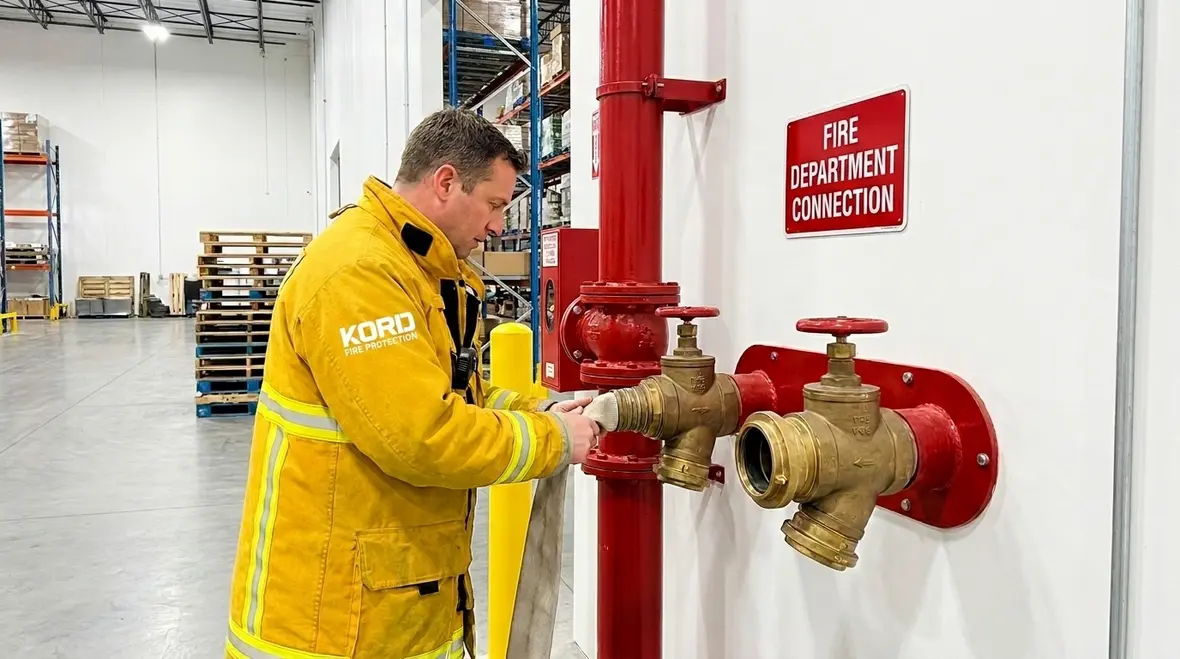
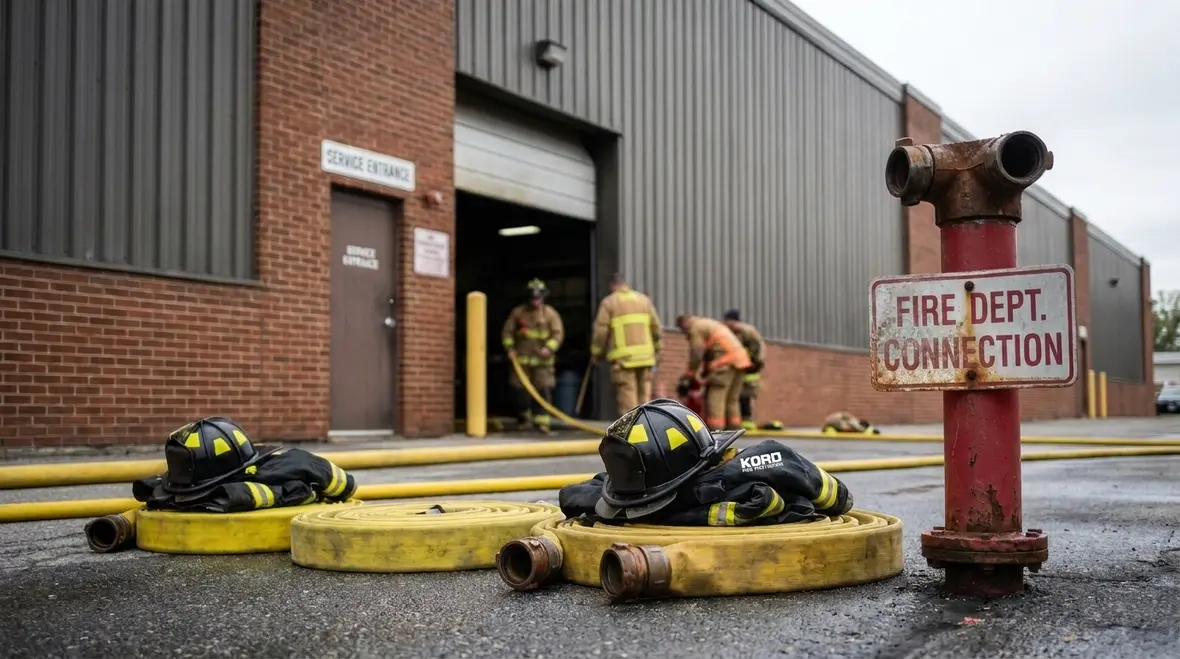
The fire department connection standpipe allows firefighters to pump water into the system from outside the building. This point must stay visible, reachable, and properly marked. If crews cannot find it quickly, the system loses value before the first hose is charged.
NFPA 1 Section 13.2 expects the connection to support the system design and local fire response plan. In practice, this means the location should avoid blocked access, poor signage, or hidden placement behind landscaping or parked vehicles. Furthermore, the connection must work with the right fittings and pressure needs so the fire brigade can reinforce the system without delay.
This is one of those details people notice only when it goes wrong. A beautifully designed system becomes much less impressive if the outside connection is buried behind bollards, overgrown plants, or someone’s very confident ute. Good access is not decorative. It is operational. The connection should be easy to identify, easy to reach, and easy to use under pressure, noise, and smoke.
What Compliance Means for Industrial and Commercial Sites
Standpipe compliance is not just a checklist item. Instead, it is part of the site’s life safety plan. Industrial, retail, and commercial facilities often have large floor areas, storage zones, mezzanines, loading docks, and public spaces. As a result, the standpipe system fire code must fit the building’s real risk profile.
Key areas often include:
- Correct hose connection spacing
- Proper water pressure and flow
- Accessible valves and cabinets
- Clear path to the fire department connection standpipe
- Regular inspection and testing
Moreover, the system should support the local emergency plan. A code compliant setup means little if a pallet rack blocks a cabinet or a dock gate traps access. Fire safety likes order. Chaos, on the other hand, is a terrible project manager.
Where Sites Commonly Drift Out of Compliance
Most compliance problems do not begin with one dramatic failure. They usually build quietly. A cabinet gets used for storage. A sign disappears during repainting. A valve becomes stiff. A site change affects hose reach. None of these looks headline worthy on its own, but together they can reduce system readiness fast. That is why compliance for industrial and commercial sites should be reviewed as a living process, especially when operations, stock arrangements, or tenancy patterns change.
How Kord Fire Protection Can Help
Kord Fire Protection can become a vital partner for sites that need standpipe installation, inspection, testing, repairs, and compliance support. Their role matters because standpipe systems must do more than look complete; they must perform under pressure, literally and legally.
For businesses across Australia, Kord Fire Protection can help with system reviews, maintenance planning, and coordination with site teams, engineers, and fire authorities. This reduces risk, helps avoid downtime, and supports smoother compliance with the standpipe system fire code. In addition, their technical input can help facilities avoid common issues such as poor connection access, aging components, or weak water delivery.
That support becomes especially useful when a site is balancing everyday operations with compliance obligations. Facilities teams are often dealing with production demands, contractor scheduling, and access limitations all at once. Having a specialist partner helps convert a vague sense that “we should probably check that” into a clear plan with inspections, findings, repairs, and records that actually stand up to scrutiny.
Readers who want more guidance around the broader code framework can also review NFPA 1: A Comprehensive Guide to Fire Prevention and Safety, which provides useful context for how standpipe requirements fit into the bigger fire prevention picture.
What to Check During Inspection and Testing
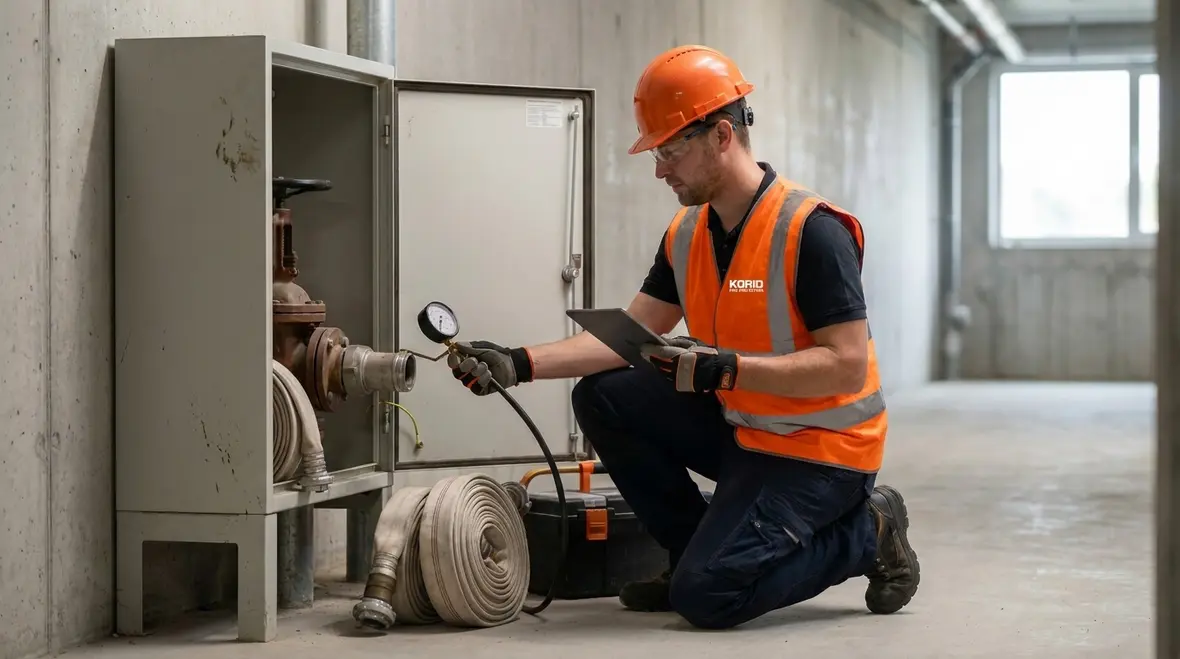
Regular inspection and testing keep Class I II III standpipes ready for use. Over time, valves can seize, hoses can age, signage can fade, and pressure can drift away from design limits. Therefore, routine checks matter just as much as installation quality.
A strong inspection program should confirm:
- All outlets are in place and accessible
- Valves open and close properly
- Pressure and flow meet design needs
- Cabinets and signs remain clear and visible
- The fire department connection standpipe is unobstructed
Furthermore, records should stay current. If an inspector cannot prove the system was tested, the system may as well be a very expensive decoration. A useful one, perhaps, but still just a decoration.
Documentation Matters More Than People Expect
Testing is only half the job. Documentation proves what was checked, when it was checked, what was found, and what happened next. Kord Fire Protection’s standpipe system inspection checklist guide is a strong contextual resource here because it reinforces a disciplined approach to valves, pressure levels, hose connections, and records. In other words, it shows how a proper inspection becomes evidence rather than a fading memory and a hopeful shrug.
How to Build a Strong Compliance Plan
A good compliance plan starts with a site review and ends with steady maintenance. First, the building team should confirm which standpipe class the site needs. Next, it should check whether the current layout still suits the building use. Then, it should schedule regular testing and repairs based on risk, occupancy, and local rules.
In addition, the plan should include staff awareness, access control, and emergency coordination. That way, the standpipe system fire code supports real response, not just file storage. Kord Fire Protection can help keep that plan practical, current, and ready for inspection.
A Practical Sequence That Keeps the Plan Useful
- Review the building layout, operations, and risks as they exist today.
- Confirm the right standpipe class and outlet arrangement for those conditions.
- Check access to cabinets, valves, risers, and the fire department connection standpipe.
- Test pressure, flow, and component condition on a repeatable schedule.
- Document findings clearly, close out defects quickly, and update records after every change.
That kind of sequence keeps compliance grounded in operations rather than wishful thinking. It also helps prevent the common drift where a site was once compliant, then renovations, storage growth, and everyday shortcuts slowly turned a solid fire protection setup into a collection of assumptions with piping attached.
FAQ
Conclusion
NFPA 1 Section 13.2 gives industrial and commercial sites a clear path to safer standpipe performance. However, code alone does not protect a building. Reliable design, routine testing, and expert support do.
Kord Fire Protection can help keep standpipe systems ready, compliant, and useful when it matters most. For sites that take fire safety seriously, that partnership is worth its weight in brass, valves, and peace of mind.

Join Our Newsletter!
Get the latest fire safety tips delivered straight to your inbox From our Newsletter.