NFPA 1 Section 13.1 Fire Protection Systems Requirements
Quick Answer
NFPA 1 Section 13.1 sets the baseline for fire protection systems general requirements, helping facilities keep systems in working order, properly tested, and ready for a real event. For industrial, retail, and commercial sites across Australia, this supports safer operations, better compliance, and faster response. Kord Fire Protection can help manage that work with practical service, testing, and advice.
NFPA 1 Section 13.1 matters because it gives structure to fire safety before an emergency ever starts. In the world of fire protection systems NFPA, this section sits inside the broader active fire protection general framework and supports a clear fire suppression systems overview for facilities that cannot afford guesswork. For warehouses, shopping centres, plant rooms, offices, and mixed use sites, it helps keep fire systems ready when a small problem tries to grow legs like a villain in a bad sequel.
For Australian businesses, the value is simple. A fire system is only useful when it works, and NFPA 1 Section 13.1 pushes that idea hard. It helps owners, managers, and facility teams understand that fire protection is not a box ticking exercise. It is a working part of daily risk control. Near the top of that effort, many sites also benefit from structured fire pump testing requirements support, especially where pumps and water based systems are part of the wider protection strategy.
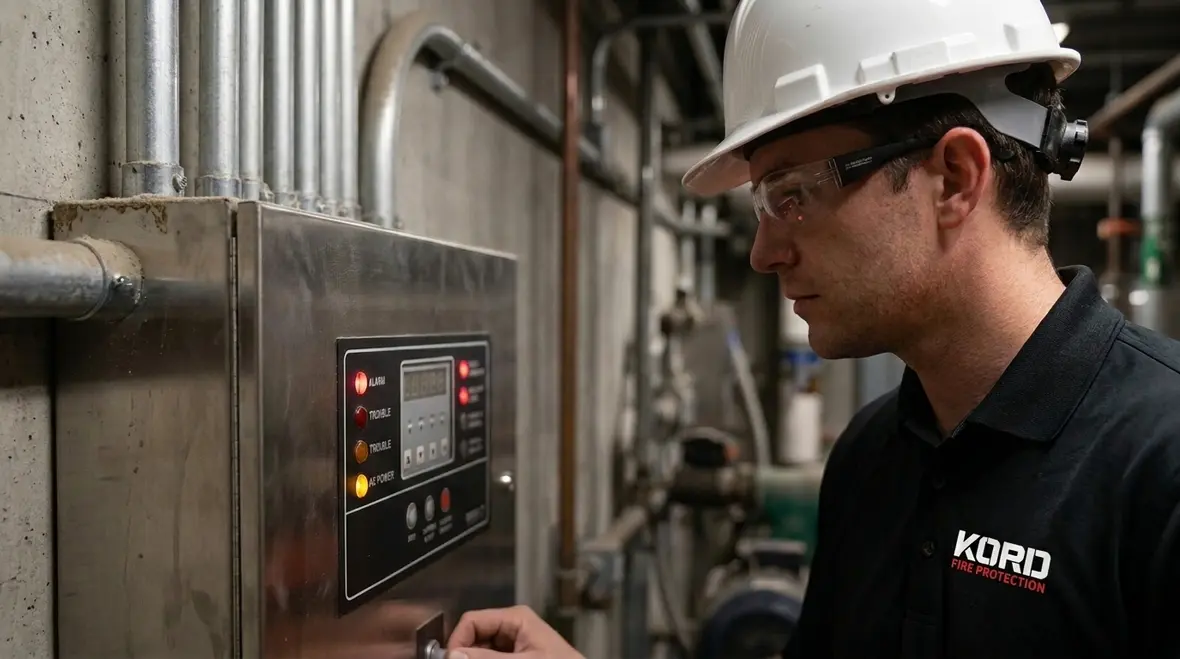
What NFPA 1 Section 13.1 Means in Practice
Section 13.1 focuses on the general rules for fire protection systems. In plain terms, it expects systems to stay operational, be maintained, and remain ready for use. That includes fixed fire equipment, alarms, suppression devices, and related parts that support life safety and property protection.
This section does not ask much in a flashy way. Instead, it asks for discipline. Systems should be installed correctly, inspected on schedule, repaired quickly, and kept free from faults that can reduce performance. That sounds basic, yet many sites only notice the gap when the alarm goes silent or the pump decides to take a nap.
It also helps to see Section 13.1 as the housekeeping rulebook for systems that people often assume will magically behave. They do not. Fire protection systems perform best when the people responsible for them know what is installed, where the weak points sit, and what service history is trying to tell them. That is not glamorous, but neither is explaining after an incident why a preventable issue was left to wander around unsupervised.
Why it matters for industrial and commercial sites
Industrial, retail, and commercial facilities often carry higher fire risk than people first assume. Heat, dust, stored goods, electrical loads, chemicals, cooking equipment, and moving stock all add pressure. Because of that, fire protection systems NFPA guidance helps teams build a more reliable safety plan.
In addition, Section 13.1 supports clear accountability. Managers can assign checks, document service, and confirm that systems remain ready. This helps reduce downtime, protect staff, and support insurance and compliance needs. In short, the building gets less drama, and everyone gets more peace of mind.
| Facility Need | How Section 13.1 Helps |
| High fire load areas | Supports regular inspection and system readiness |
| Busy public spaces | Helps keep alarms and suppression systems reliable |
| Critical operations | Reduces the chance of avoidable shutdowns |
| Multi site businesses | Creates a common standard across locations |
That common standard becomes even more valuable when one portfolio includes warehouses, shopping centres, offices, and process areas that all behave differently. A consistent maintenance culture gives teams a practical way to compare risks, track recurring faults, and stop one location from becoming the site that everyone remembers for the wrong reason.
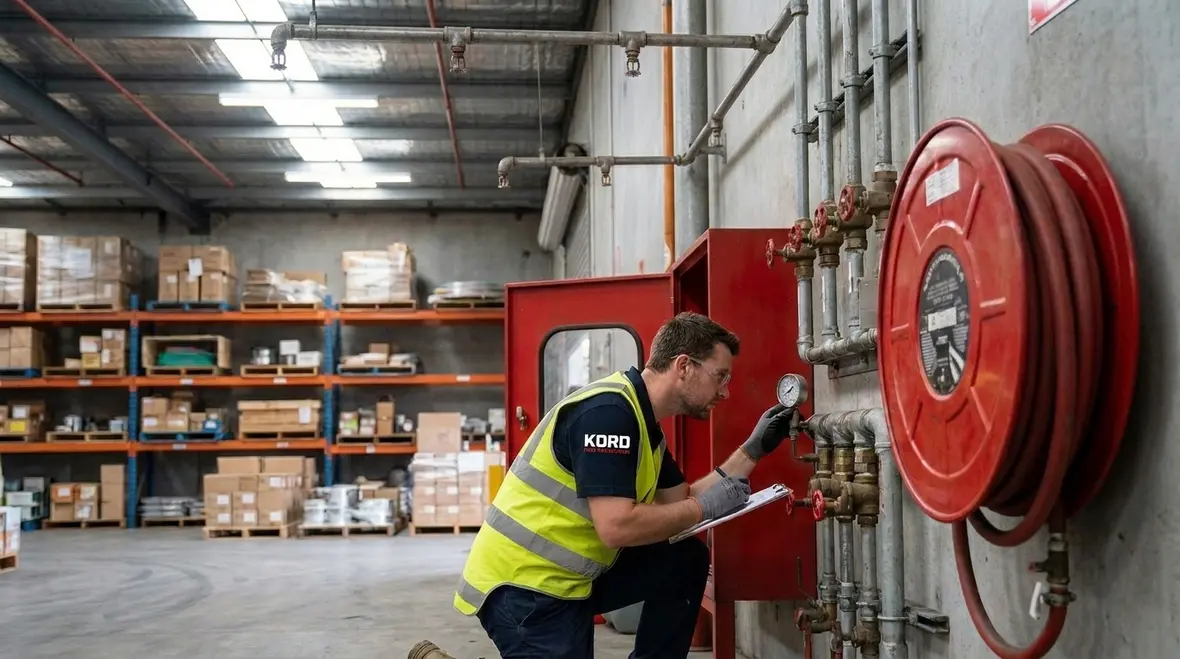
What Facilities Should Check in Their Fire Systems
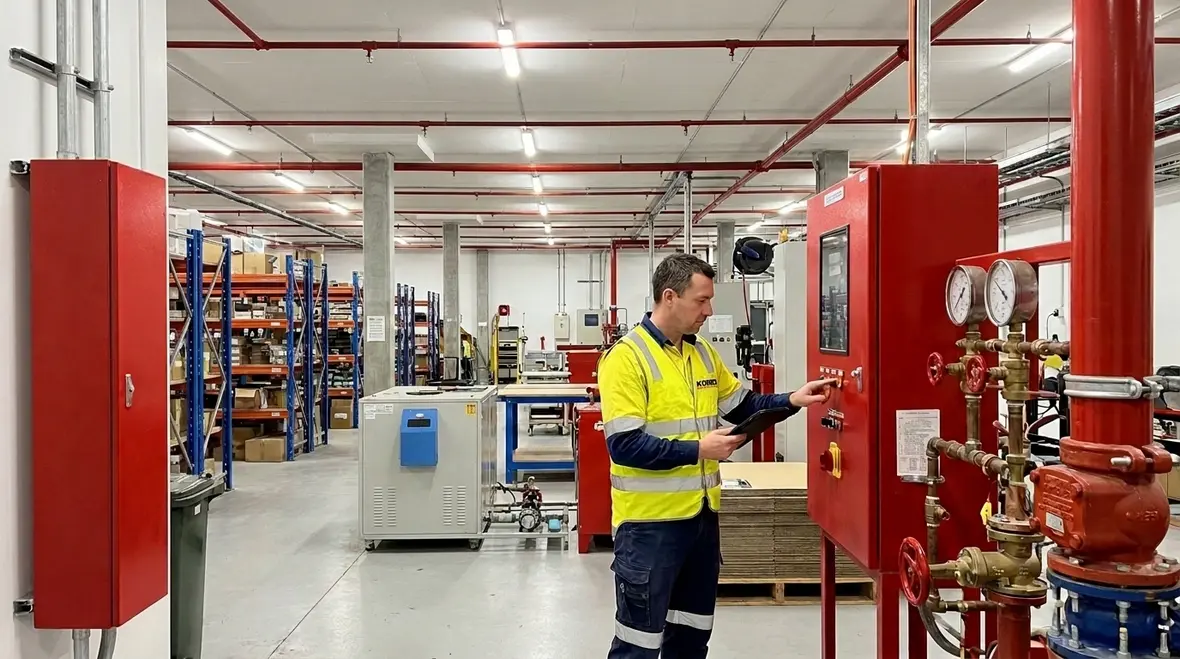
Section 13.1 works best when teams look at the whole system, not just the visible parts. A strong fire protection program should check alarms, sprinklers, extinguishers, pumps, panels, valves, detectors, and control devices. It should also confirm that access stays clear and that service records stay current.
Just as important, facilities should review whether changes to the building have affected protection coverage. A new racking layout, a plant upgrade, or a tenancy fitout can quietly change the fire risk. When that happens, the system may need review. Fire safety, much like a good TV reboot, does not improve by ignoring the plot holes.
A practical review checklist
Are all alarms, detection devices, and notification components operating as intended?
Have suppression systems, pumps, and valves been tested on schedule?
Are impairments, faults, and outstanding repairs documented and tracked?
Has the building layout changed in a way that affects coverage or response?
Can service teams physically access the equipment they need to inspect and test?
These checks help facilities move from vague confidence to actual evidence. That distinction matters. Many systems look fine until somebody asks for records, runs a test, or discovers that a valve is shut, a detector is obstructed, or a panel fault has been quietly blinking away like it pays rent there.
How Kord Fire Protection Can Support Compliance and Service
Kord Fire Protection can become a vital partner because this work needs more than a once a year glance. Facilities need a team that can inspect, test, maintain, and repair fire protection systems with care and consistency. That support helps clients stay aligned with NFPA based expectations while also meeting practical site needs across Australia.
For businesses, Kord Fire Protection can help with routine servicing, corrective work, and advice on system condition. As a result, site teams gain confidence that issues will be found early, not during an emergency. This kind of support also helps reduce delays, because a fast response can keep small faults from turning into big ones.
That broader support also fits naturally with Kord Fire Protection’s NFPA 1 comprehensive guide to fire prevention and safety, which gives extra context for how prevention, maintenance, and readiness connect across an entire facility lifecycle. When teams understand the bigger picture, Section 13.1 stops feeling like isolated paperwork and starts acting like part of a sensible operating standard.
For sites managing multiple hazards, it can also help to connect system readiness with a broader special hazard fire suppression strategy. Some environments simply need more than a generic one size fits all approach, and that is where detailed servicing and smarter planning earn their keep.
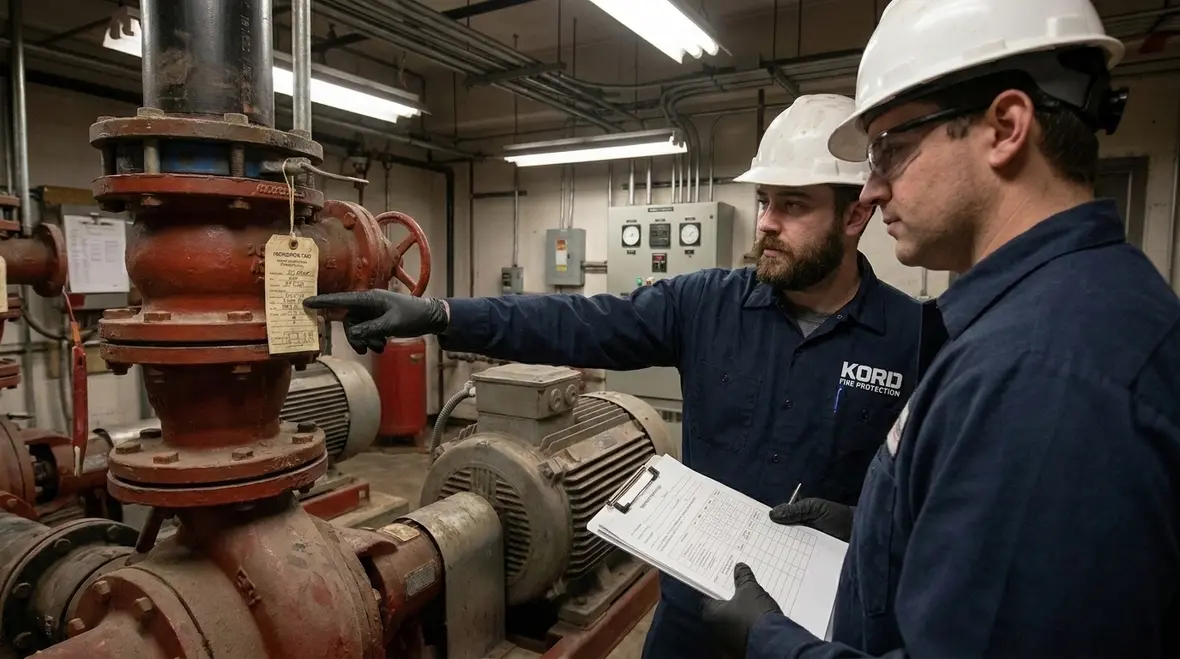
How Active Fire Protection General Requirements Reduce Risk
The broader active fire protection general approach covers systems that respond to a fire in real time. That includes suppression and alarm components that help control fire growth or support evacuation. Section 13.1 fits into this by making sure those systems stay ready and dependable.
This matters because active systems do not exist for decoration. They protect people and assets at the moment things go wrong. Therefore, service teams must treat every test, inspection, and repair as part of a larger risk control job. A weak component can affect the entire chain, and in fire safety, chains are only as strong as their most stubborn weak link.
Why readiness beats assumptions
A facility can own quality equipment and still end up exposed if inspection routines drift, repairs stall, or responsibilities stay fuzzy. Readiness is not just about hardware. It is about records, access, scheduling, communication, and follow through. In other words, the boring parts are often the heroic parts, even if they never get a movie deal.
Fire Suppression Systems Overview for Busy Facilities
A strong fire suppression systems overview helps facility leaders understand what they actually own and how each part supports the site. Water based sprinklers, gas suppression, foam systems, and special hazard systems all serve different risks. However, they share one goal: stop fire from spreading and limit damage.
Section 13.1 reinforces the need for testing and maintenance across these systems. In practice, that means businesses should know what each system protects, how it activates, and who services it. With that knowledge, a facility can plan maintenance better and avoid blind spots that often hide behind busy schedules and bigger priorities.
Busy facilities especially benefit from clarity here because different systems can overlap, interact, or depend on the same operational habits. If no one knows which area a system protects, what triggers it, or what condition it is in, the site is effectively running on optimism. Optimism is lovely at birthdays. It is less impressive in a plant room.
Why a Planned Service Program Beats Emergency Fixes
Reactive repairs often cost more, take longer, and create more stress. By contrast, planned service keeps the fire system in better shape and helps teams budget with less guesswork. It also improves record keeping, which matters when auditors, insurers, or regulators ask for proof.
Moreover, a planned approach supports continuity. Retail sites stay open. Industrial operations keep moving. Commercial tenants face fewer disruptions. And when a system works as intended, the business avoids the kind of fire event that turns a normal day into a very expensive lesson.
There is also a management benefit that does not always get enough attention. Planned service turns fire safety into something measurable. Teams can forecast work, review recurring issues, prioritize upgrades, and build records that stand up when someone asks hard questions. Emergency fixes, on the other hand, tend to arrive with poor timing, extra invoices, and the emotional energy of a printer jamming five minutes before a deadline.
FAQ
Final CTA
NFPA 1 Section 13.1 gives facilities a clear path toward safer, better managed fire systems. For businesses that want reliable support, Kord Fire Protection can help keep systems inspected, serviced, and ready. When fire safety needs steady hands and clear follow through, the right partner makes all the difference.
Reach out to Kord Fire Protection and keep the system ready before trouble ever calls. From routine inspections to practical advice on system condition, a planned approach helps facilities stay safer, more compliant, and far less likely to be surprised by the equipment that was supposed to protect them in the first place.

Join Our Newsletter!
Get the latest fire safety tips delivered straight to your inbox From our Newsletter.