NFPA 1 Section 12.4 Fire Door Requirements and Hardware
Quick Answer
NFPA 1 Section 12.4 sets the rules for fire doors and opening protectives so fires do not spread fast through a building. For industrial, retail, and commercial sites, the right fire door requirements NFPA guidance, opening protectives fire code checks, and fire rated door hardware can help protect people, assets, and operations.
NFPA 1 Section 12.4 matters because a fire door is not just a door. It is a life safety barrier that must close, latch, and hold back fire and smoke when it counts. In busy facilities, the fire door requirements NFPA guidance works alongside opening protectives fire code rules and fire rated door hardware to keep openings safe, usable, and ready for inspection. When that system fails, a simple hinge or latch can turn into a very expensive drama, and no one wants that kind of surprise on the shift report.
For sites that need broader support beyond doors alone, Kord Fire Protection also provides NFPA compliant fire sprinkler services for commercial properties, which fits naturally into a wider fire protection strategy where active systems and passive barriers back each other up. A good building does not rely on one hero. It keeps the whole cast ready.
What NFPA 1 Section 12.4 covers
NFPA 1 Section 12.4 focuses on fire doors, shutters, and other opening protectives that sit in fire rated walls and barriers. These parts must limit fire spread, protect escape paths, and support safe evacuation. In plain terms, the opening must act like a controlled doorway, not a fast lane for flames.
For commercial sites, this means every protected opening needs the correct rating, proper installation, and working closing parts. Moreover, the door must remain fit for purpose over time. If a door drags, sticks, or will not latch, it stops being a dependable barrier and starts acting like a prop from a low budget action movie.
Why the opening itself matters more than people think
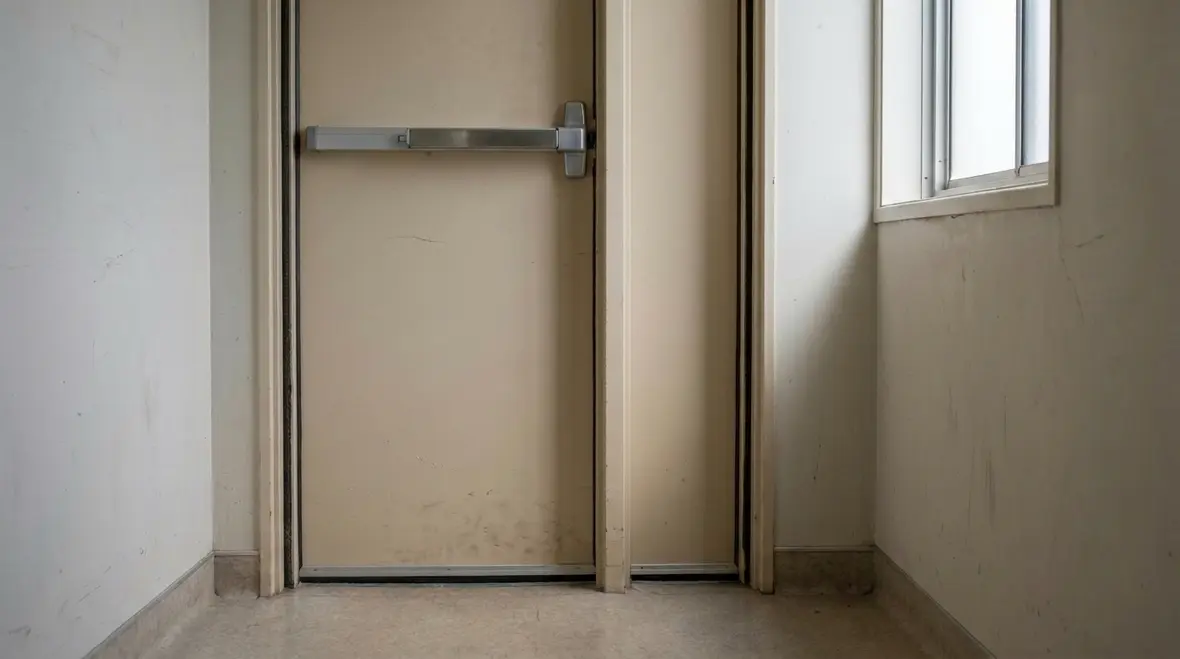
A lot of people see the wall rating and assume the job is done. Not quite. The opening is usually the weak point if the door assembly, frame, glazing, seals, or hardware are wrong, damaged, or altered. That is why opening protectives matter so much. A strong wall with a compromised door is like wearing a seatbelt with no buckle. The idea is there. The result is not.
This is also where related code knowledge helps. Teams reviewing door compliance may also benefit from understanding the broader context in NFPA 1, a comprehensive guide to fire prevention and safety, especially when fire door issues connect to egress, barriers, occupancy use, or operational risk.
Why opening protectives matter in busy facilities
Opening protectives do more than satisfy a checklist. They protect business continuity, reduce damage, and support safe exit during an emergency. In warehouses, shopping centres, hospitals, plant rooms, and office towers, one failed opening can let smoke travel quickly through critical areas.
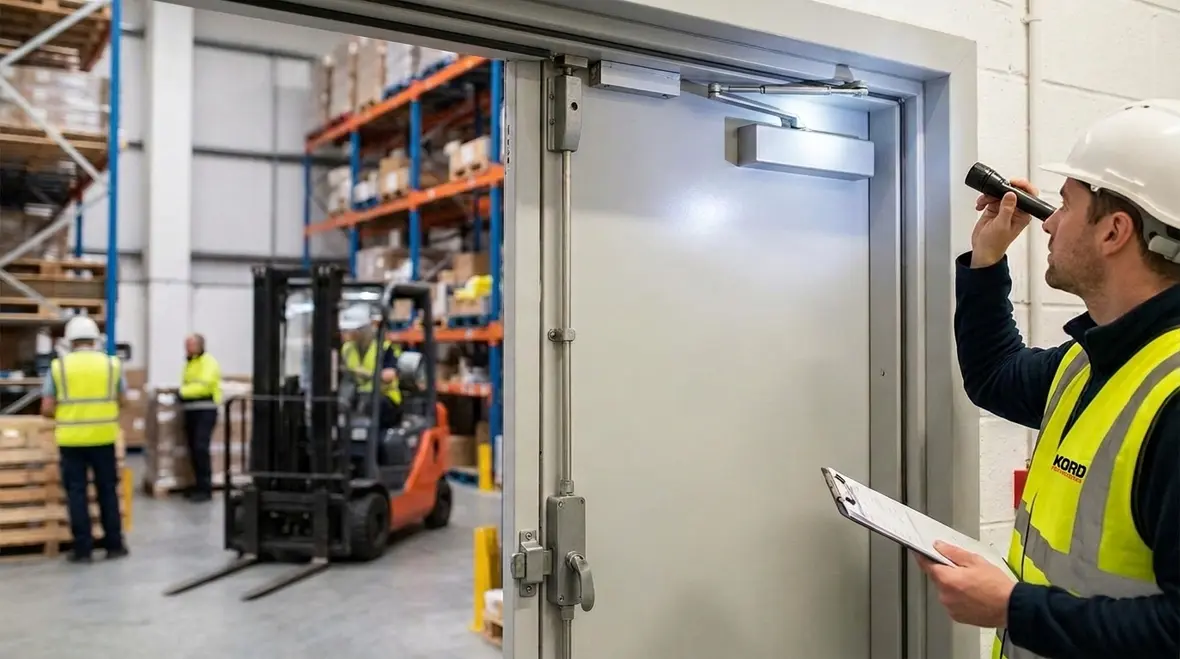
Therefore, facility teams should view each opening as part of a wider fire safety system. Walls, doors, frames, seals, closers, and latching gear must all work together. If one piece fails, the whole setup weakens. That is why strong inspection routines matter so much in active sites where traffic, forklifts, deliveries, and daily wear can hit hardware hard.
Busy buildings also create a special kind of chaos. Deliveries pile up. Tenants want changes. Maintenance crews are under pressure. Somebody props a fire door open for five minutes, and somehow that becomes the building’s lifestyle. Sadly, fire doors do not improve with neglect, wishful thinking, or optimistic sticky notes.
The real world pressure on door assemblies
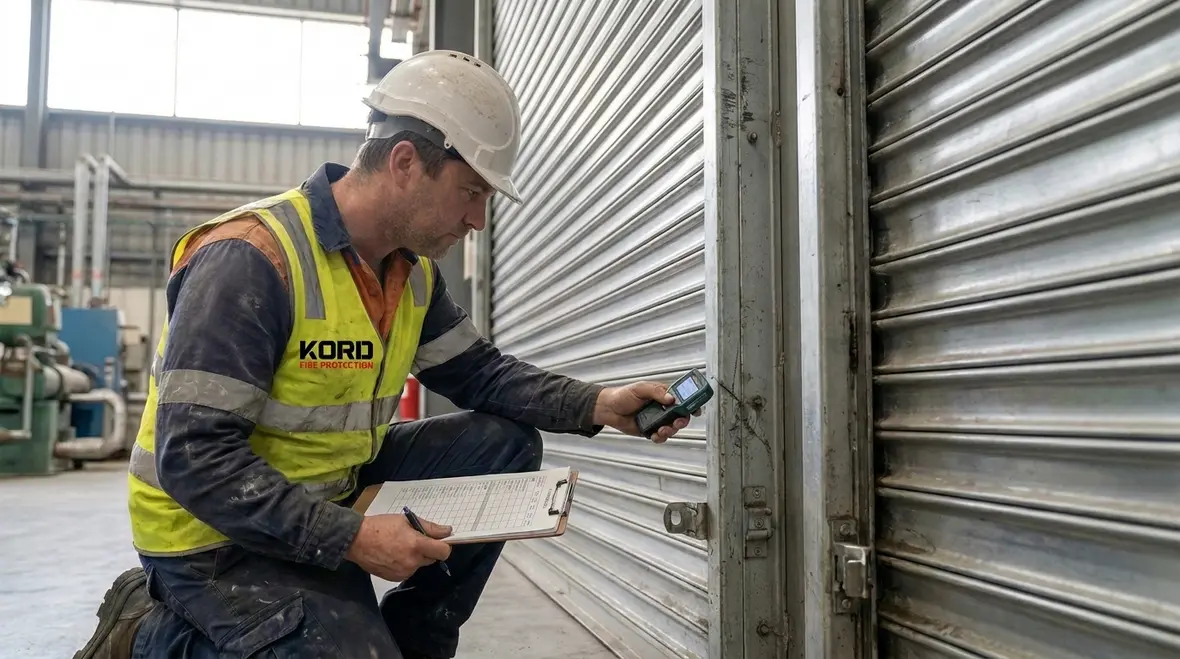
In high traffic sites, hardware takes a beating. Hinges loosen. Closers drift out of adjustment. Frames get nudged by carts or clipped by equipment. Seals wear down in places nobody checks until inspection day arrives like an unexpected plot twist. That is why fire door compliance cannot live only in a binder. It has to live in the building.
Fire rated door hardware and the parts that keep the door working
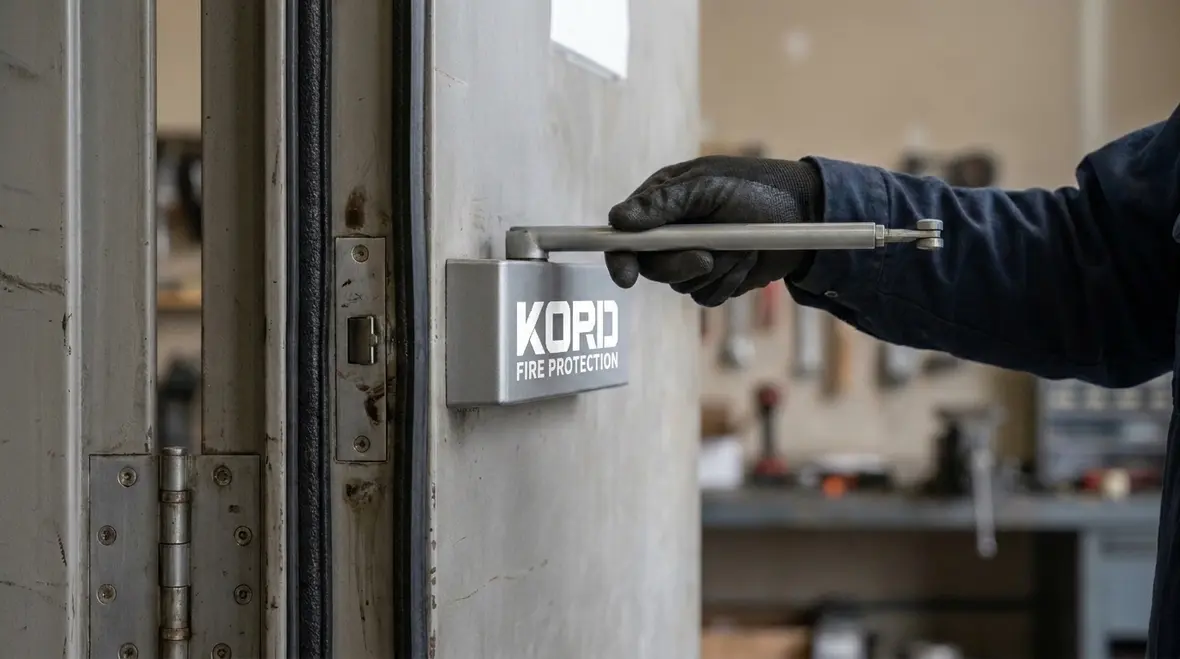
Fire rated door hardware includes hinges, closers, latches, locks, coordinators, seals, and other listed components that help a fire door perform. Each part must suit the door rating and the opening’s purpose. Also, the hardware must stay in good shape under daily use.
A fire door assembly only works when all its parts work together. That means the closer has enough control to shut the leaf fully, the latch engages as intended, the hinges support alignment, and added hardware does not interfere with the rating. One unapproved swap can undo the logic of the whole assembly.
What to check
Proper rating match
Correct installation
Secure latch action
Self closing function
Clear door swing
Why it matters
Protects the opening under fire conditions
Supports code compliance and inspection pass rates
Prevents smoke and flame spread
Keeps the door ready when needed most
Reduces costly repair and shutdown risk
None of that is glamorous, but it is effective. And in fire protection, effective beats glamorous every time. Nobody wants a stylish failure.
Hardware failures that look small until they are not
The trouble with door hardware is that small faults seem harmless until the day they matter. A latch that catches only on the second try. A closer that almost shuts the door. A coordinator that sticks now and then. These are not charming quirks. They are warnings dressed up as inconveniences.
How compliance checks should work on site
Inspection should follow a clear process. First, the door must be checked for damage, warping, missing labels, and broken seals. Next, the closer should be tested to confirm the door shuts fully and latches without help. Then, the frame and hinges should be reviewed for looseness, rust, or impact damage. Finally, the opening must remain free of wedges, chains, or rogue temporary fixes that somehow become permanent.
Because industrial and retail spaces move fast, compliance checks should happen on schedule and after any building work or equipment impact. In addition, records should be kept so managers can track faults, repairs, and follow up actions. That paper trail often saves time when auditors come calling.
Good compliance checks also ask practical questions. Does the door serve a high traffic route. Has the opening been modified since the last review. Has someone added hardware, signage, kick plates, glass film, or access control components that may affect performance. If the answer is yes, the opening deserves a closer look, not a casual shrug.
A simple site routine that actually works
The best routines are not fancy. They are repeatable. Walk the opening. Check labels. Review gaps and alignment. Test closing and latching. Inspect seals and visible hardware. Note damage. Record action items. Follow through. Repeat. The magic, if there is any, comes from consistency rather than drama.
Common problems that break fire door performance
Many fire door failures begin with small issues. A door may scrape the floor. A closer may shut too slowly. A latch may not catch cleanly. Over time, these small faults grow into a real risk.
Other common problems include missing signage, damaged glazing, unapproved hardware changes, and seals that have worn out. Furthermore, poor maintenance often creates repeat defects, especially in sites with heavy foot traffic or machinery vibration. The door still looks fine to the eye, but looks can lie. Ask any superhero fan. The disguise usually fails at the worst moment.
Another issue is operational misuse. Doors get wedged open for airflow, convenience, or deliveries. Staff assume someone else is checking them. Repairs are delayed because the opening still sort of works. That phrase, sort of works, has launched many an avoidable problem in facilities management.
How Kord Fire Protection supports this service
Kord Fire Protection can become a vital partner because it helps facilities manage fire door compliance with skill, speed, and care. In a commercial or industrial setting, that support can cover inspection, repair, replacement of fire rated door hardware, and practical guidance on opening protectives fire code duties.
More importantly, Kord Fire Protection can help teams spot issues before they become failures. That means fewer shutdown headaches, better audit readiness, and safer daily operations. For multi site businesses, this kind of partner brings consistency, which is handy when one site is dealing with a stubborn door, another is handling tenant fitout work, and everyone wants the same answer by Friday afternoon.
That broader service mindset shows up across Kord Fire Protection’s work, including related resources on door safety, system maintenance, and impairment planning. Articles like fire safety considerations for roll up doors in commercial buildings and the full lifecycle of fire protection explained help connect day to day maintenance decisions with wider building safety outcomes.
What facilities should do next
Sites should begin with a full review of all fire doors and protected openings. Then, they should confirm each opening has the right rating, working hardware, and clear access. After that, they should set a maintenance plan that matches use, risk, and inspection needs.
Finally, they should work with a provider that understands fire door requirements NFPA, opening protectives fire code, and fire rated door hardware in real world conditions. That approach protects people first, while also protecting the business from avoidable loss.
Immediate priorities
Review all rated openings
Test closing and latching action
Document defects and repairs
Remove wedges and unapproved fixes
Longer term gains
Better compliance readiness
Less operational disruption
Safer evacuation paths
More reliable fire compartmentation
Protect the openings before they become the problem. Kord Fire Protection can help industrial, retail, and commercial facilities keep fire doors compliant, reliable, and ready. A proper review today can prevent a major headache tomorrow, and that is a deal worth taking seriously.

Join Our Newsletter!
Get the latest fire safety tips delivered straight to your inbox From our Newsletter.