NFPA 1 Section 12.3 Fire Rated Construction and Assemblies
Quick Answer: NFPA 1 Section 12.3 sets the baseline for fire resistive materials and construction in commercial and industrial settings. It guides how fire rated construction and fire resistance rated assemblies should perform, while helping protect people, assets, and operations. For Australian facilities, Kord Fire Protection can support compliant planning, installation, inspection, and maintenance with calm, practical expertise.
NFPA 1 Section 12.3 matters because fire does not ask permission before it spreads. In industrial, retail, and commercial facilities across Australia, fire resistive materials NFPA guidance helps shape safer buildings through fire rated construction and fire resistance rated assemblies. These systems do more than look tidy on a plan. They buy time, slow fire spread, and help protect critical business functions when every minute counts. And yes, the goal is serious, even if the paperwork sometimes feels like it was written by a committee that met under bad lighting.
For facilities trying to connect passive fire protection with broader site readiness, Australia fire protection for compliance and readiness fits naturally into the conversation near the top of the planning process. It helps frame how rated construction, inspection routines, and operational follow-through work together instead of living in separate folders no one opens until audit week.
What NFPA 1 Section 12.3 Means for Facilities
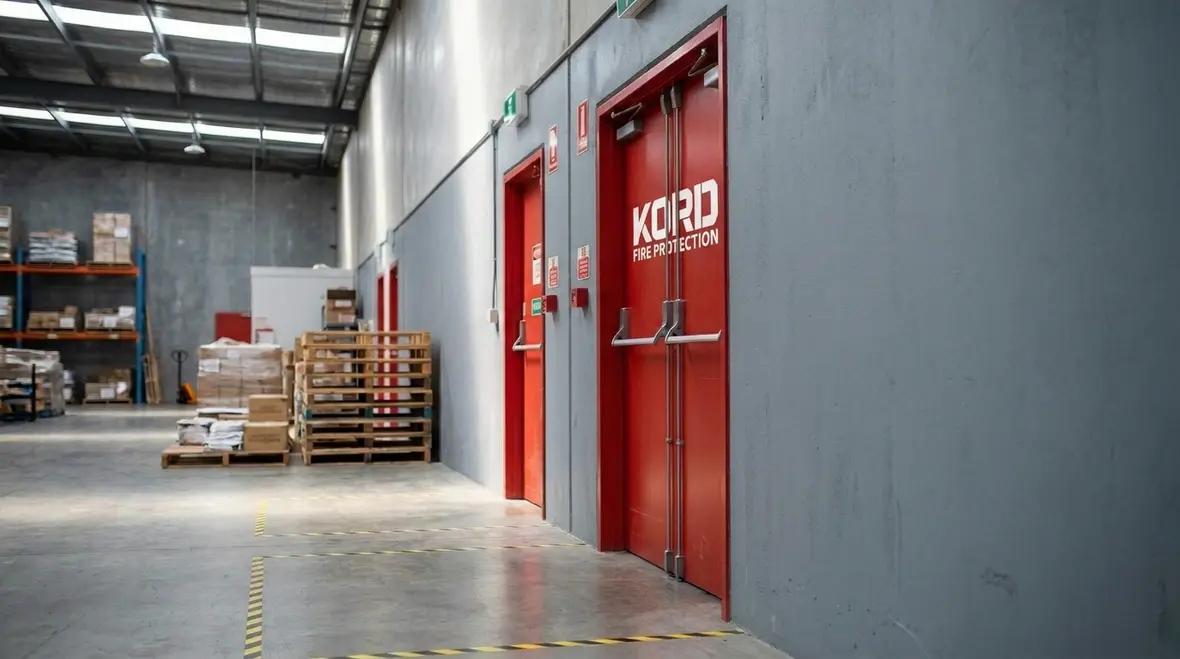
NFPA 1 Section 12.3 focuses on materials and construction methods that resist fire exposure for a defined period. In plain terms, it helps a building hold its shape, control flame spread, and protect escape routes and essential spaces. Because of that, it supports safer design in warehouses, shopping centres, factories, logistics sites, and plant rooms.
Fire rated construction is not just about walls. It also includes floors, shafts, barriers, doors, ceilings, and structural elements that work together as one system. When one part fails, the rest can suffer fast. Therefore, the standard pushes a complete approach rather than a patchwork fix. That is a useful reminder for owners and managers who inherit older buildings where ten different trades have made ten different decisions over ten different years, each one fully convinced their penetration was too small to matter.
The practical outcome on real sites
On real sites, this section supports more than code language. It supports continuity. A properly rated wall around an electrical room, a protected shaft through multiple levels, or a sealed service penetration in a plant area can be the difference between a controlled event and a much larger operational disaster. Fire resistance is not glamorous, but then again neither is explaining to leadership why one unsealed opening helped smoke and heat travel exactly where they should not have gone.
Why Fire Resistance Rated Assemblies Matter
Fire resistance rated assemblies are the backbone of compartmentation. They help separate fire zones so a problem in one area does not turn the whole site into a headline. As a result, these assemblies support safe evacuation, reduce asset loss, and help emergency teams manage the incident with more control.
For commercial and industrial sites, this matters in areas such as server rooms, chemical storage, electrical rooms, loading docks, and production spaces. Moreover, these spaces often contain high fuel loads, live equipment, or business critical systems. A proper assembly gives those areas a better chance when heat, smoke, and flame start working overtime.
If you want the bigger picture around prevention strategy, NFPA 1: A Comprehensive Guide to Fire Prevention and Safety adds useful context to how construction features fit alongside active systems, inspections, and site level planning.
Facility manager priority
Keep operations running, avoid shutdowns, and meet code obligations. Protect workers, visitors, tenants, and contractors without building a maze of delays around every access point.
Fire protection team action
Select, install, and maintain rated systems that meet required performance and suit the site layout. Confirm that barriers, penetrations, and openings still maintain their rating after service work, upgrades, and those innocent little modifications that are never as innocent as advertised.
How fire resistive materials NFPA guidance supports compliance
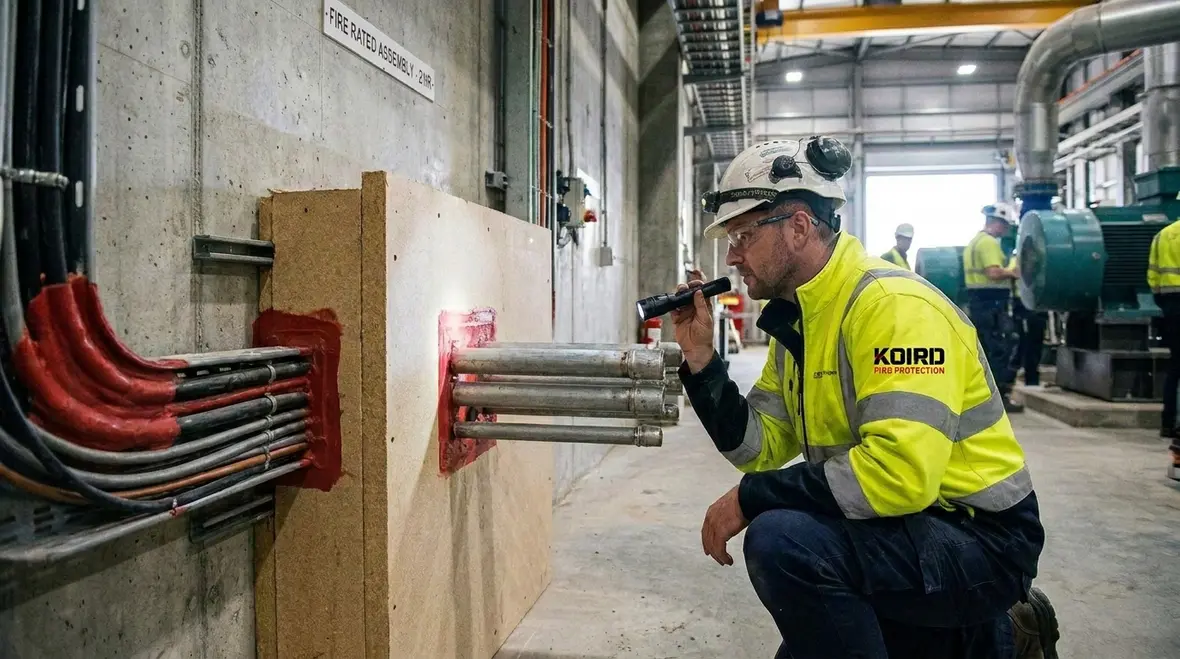
NFPA guidance gives a clear framework for material choice, construction quality, and system performance. However, compliance does not stop at installation. It also depends on correct sealing, proper fixing, and ongoing inspection. A wall may carry a rating on paper, yet still fail if someone drills through it and leaves it like a crime scene for air and smoke.
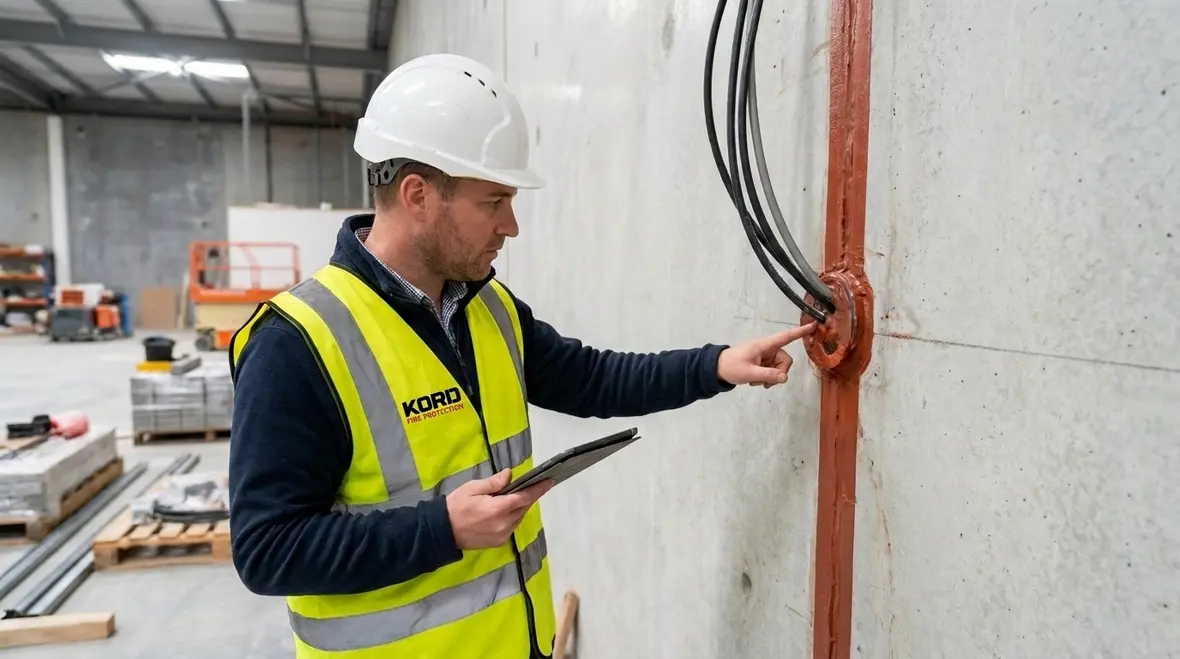
That is why facility teams need to look beyond the surface. Openings around pipes, cables, ducts, and service penetrations must match the required rating. In addition, any repair or fit out change should preserve the tested assembly. Small shortcuts can create large gaps in protection, and fire is very good at finding those gaps.
Documentation matters more than people hope it does
Good compliance is visible in records as well as walls. Teams should document installation details, approved repair methods, inspection findings, and any changes made during tenancy updates or equipment projects. Otherwise, the building slowly becomes a mystery novel where every penetration has a backstory and no one can find chapter one. Clear documentation gives auditors, insurers, and maintenance teams something much better than guesswork.
Where Kord Fire Protection becomes a vital partner
Kord Fire Protection can play a vital role in keeping fire rated construction effective across a facility’s life cycle. First, the team can help assess existing conditions and identify weak points in fire resistance rated assemblies. Then, it can support upgrades, repairs, and routine checks so the site stays aligned with required performance.
For busy Australian operations, that kind of support matters. Sites change. Tenants change. Machinery changes. Even the best building can drift out of compliance when service work, fit outs, or maintenance happen without proper fire protection oversight. Kord Fire Protection helps keep the system honest.
- inspection of barriers and penetrations
- installation of compliant fire stopping systems
- repair after maintenance or construction work
- documentation for audits and safety records
- ongoing maintenance planning for long term protection
That support also works best when passive protection is not treated as a side note. It should sit beside broader maintenance strategy, asset protection, and business continuity planning. In other words, rated construction should not be the quiet cousin nobody invites to the meeting until the emergency starts shouting.
What good fire rated construction looks like on site
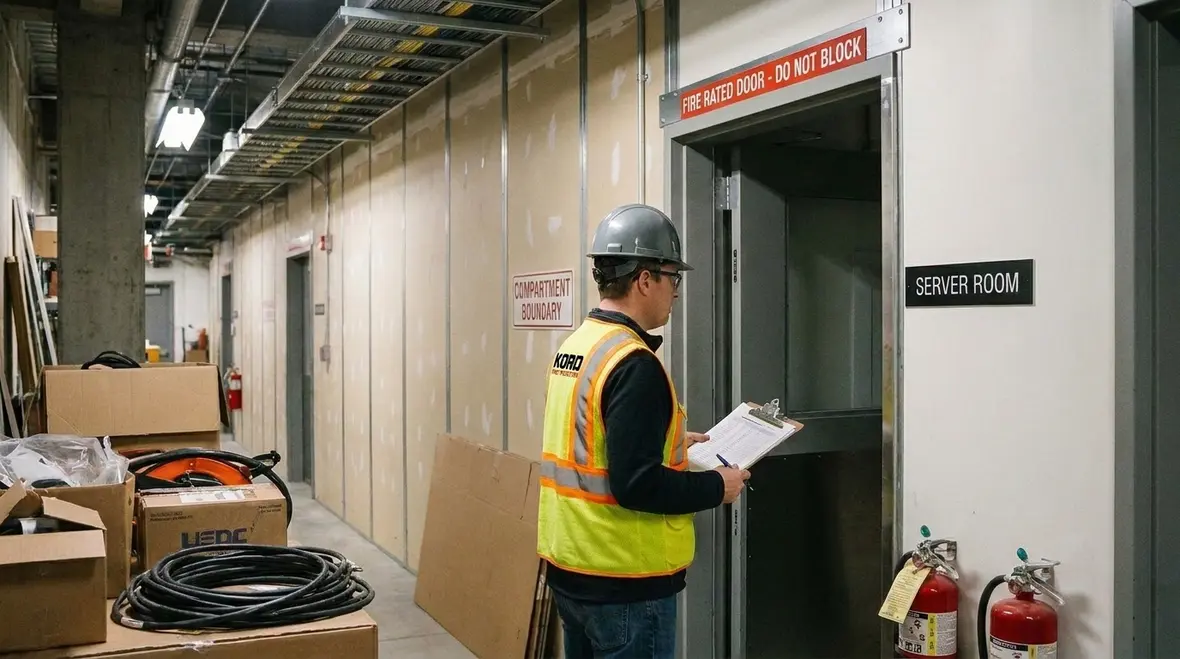
Strong fire rated construction starts with the right design, but it only succeeds when installation stays precise. Joints must be sealed correctly. Openings must use tested products. Structural elements must keep their rating under heat exposure. And finally, the whole assembly must work as a system, not as a loose collection of parts that merely hope for the best.
Facilities should also plan for future work. When contractors add cables, pipes, or equipment, they should restore the fire resistance rating immediately. Otherwise, the site can lose the protection it paid for. That is not efficiency. That is expensive optimism.
Common signs the assembly needs attention
- unsealed penetrations around new cables or pipework
- damaged doors, frames, or hardware on rated openings
- gaps at joints, ceiling lines, or wall intersections
- poor repairs after refurbishment or maintenance access
- missing records for what product or method was used
None of these problems look dramatic at first glance, which is part of the trouble. Passive fire protection often fails quietly in the background long before anyone notices, and by then the fix is usually less convenient than it would have been three months earlier on a normal Tuesday.
How can facilities stay ready across audits and upgrades?
They should inspect fire resistance rated assemblies regularly, document every change, and involve a qualified fire protection partner before alterations begin. In addition, they should track service work that affects barriers, shafts, or protected rooms. This approach helps keep compliance strong and reduces the risk of surprise failures during an audit or emergency.
For multi site operators, standardisation also helps. A clear process across retail stores, warehouses, and commercial properties makes it easier to spot risks and fix them early. As a result, the business protects both safety and uptime, which is the kind of win that every operations team likes.
A smart review rhythm usually includes baseline inspections, checks after any building works, confirmation of sealed penetrations, and follow-up records that show what changed and why. That sounds simple because it is simple. The hard part is doing it consistently when a site is busy, budgets are tight, and someone keeps insisting the opening is temporary even though it has been there long enough to celebrate a birthday.
FAQ
Keep the building ready before fire finds the weak spot
NFPA 1 Section 12.3 gives facilities a clear path toward safer fire resistive materials NFPA practices and stronger fire rated construction. However, the real value comes from consistent execution. Good assemblies, careful repairs, accurate records, and regular checks all matter because the system only performs as well as its weakest interruption.
Kord Fire Protection can help Australian industrial, retail, and commercial sites keep fire resistance rated assemblies working as intended. For teams that want fewer surprises and better protection, now is the time to review the building, close the gaps, and stay ready.

Join Our Newsletter!
Get the latest fire safety tips delivered straight to your inbox From our Newsletter.