NFPA 1 Section 10.19 Storage of Combustible Materials
Quick Answer
NFPA 1 Section 10.19 sets clear rules for the storage of combustible materials so fires have fewer chances to start, spread, or grow. For industrial, retail, and commercial sites, it supports safer layouts, better housekeeping, and stronger fire control. Kord Fire Protection can help businesses apply these standards with practical advice, compliant systems, and ongoing support.
If your site also needs reliable system support behind those storage practices, Kord Fire Protection’s fire sprinkler service fits naturally into the bigger picture. Good storage rules matter, but sprinklers still need to be ready to do their job when a bad day turns into a worse one.
Across industrial warehouses, retail stockrooms, and busy commercial sites, one loose pile of cartons can turn into a serious fire risk. That is why combustible materials storage fire code rules matter. They guide how materials sit, stack, and stay protected. In simple terms, flammable storage fire safety is about giving fire less fuel and less room to move. And when teams follow combustible storage NFPA guidance, they build a safer site without turning daily work into a maze of red tape.
NFPA 1 Section 10.19 focuses on the Storage of Combustible Materials. It does not exist to make life harder. Rather, it helps prevent a small spark from becoming the sort of event that empties a building, halts operations, and sends insurance teams into a long, joyless meeting. For facilities, the value is simple: safer storage, cleaner movement paths, and fewer surprises when fire inspectors arrive.
What NFPA 1 Section 10.19 Covers
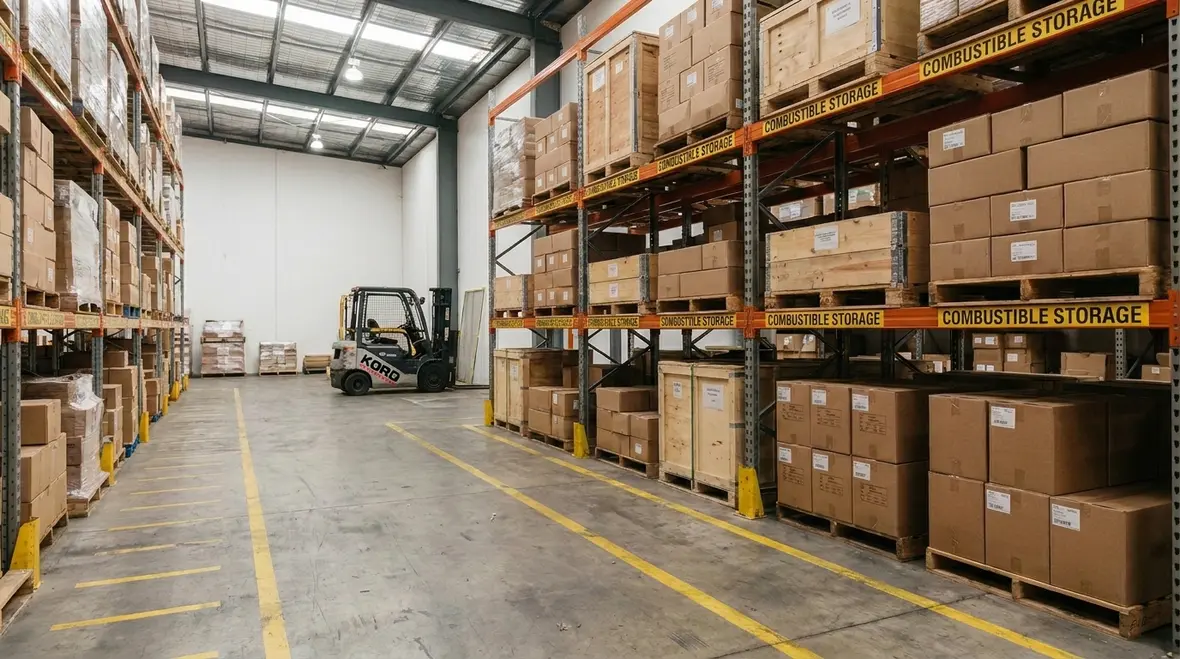
NFPA 1 Section 10.19 addresses how combustible materials should be stored, arranged, and separated. It looks at the risk created by cardboard, timber, packaging, textiles, paper goods, and many other common site materials. These items may seem harmless, yet they can feed a fire fast once heat, sparks, or electrical faults enter the picture.
The section also supports safe control of pile height, aisle access, and separation from ignition sources. As a result, it helps teams reduce fire load and improve response time. In a real world sense, it keeps the site from becoming a giant game of “find the exit,” which is not a game anyone wants to play.
| Storage area focus | What the code helps control |
| Warehouses and distribution centres | Pile height, access aisles, and fire spread risk |
| Retail back rooms and stock areas | Safe placement near electrical gear and exits |
| Industrial production sites | Housekeeping, separation, and emergency access |
| Commercial storage rooms | Material control and reduced ignition exposure |
Why the Section Matters More Than It First Appears
The wording may sound straightforward, but the risk behind it is anything but small. Combustible materials often gather quietly. A stack of cartons in one corner becomes surplus packaging in another, then damaged pallets, display materials, and seasonal overflow somewhere else. Before long, the building has more available fuel than anyone planned for. Fire codes are often trying to stop exactly that kind of slow creep.
This is also where people get tripped up. They assume the dangerous stuff is only chemicals, fuel, or open flame work. Meanwhile, ordinary paper, wood, textiles, and packaging stand there looking innocent and waiting for one electrical fault to ruin everyone’s afternoon. NFPA 1 Section 10.19 pulls that risk into the daylight and asks facilities to manage it before it becomes expensive, chaotic, and memorable for all the wrong reasons.
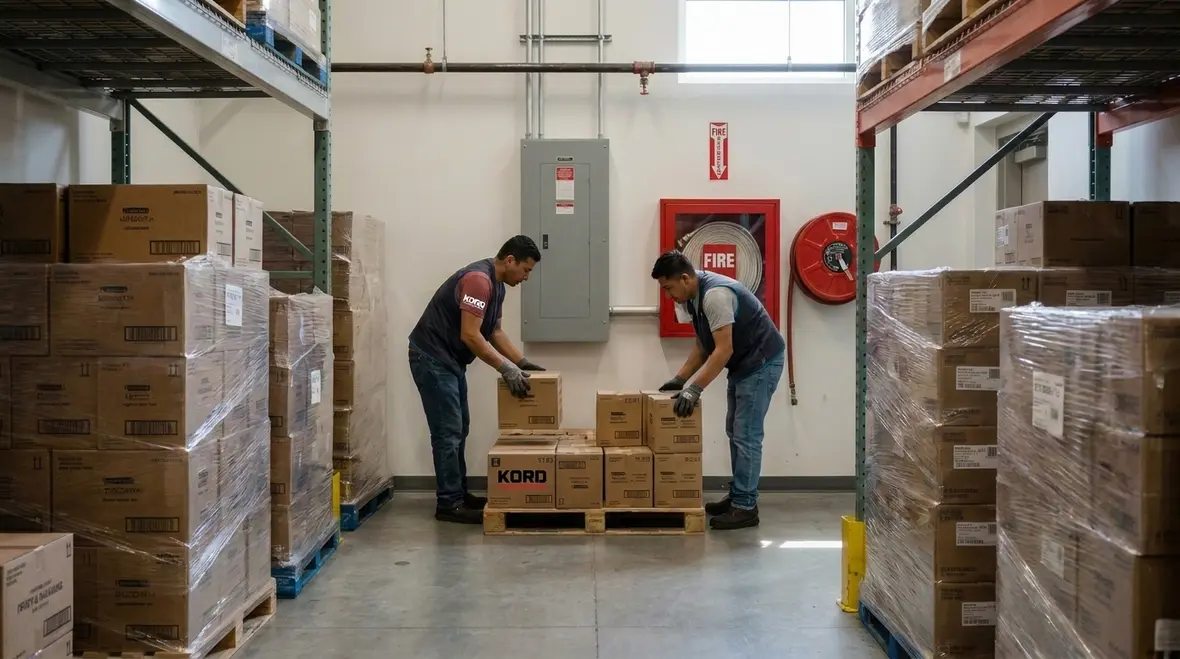
Why Combustible Storage Matters for Working Facilities
Many businesses operate with limited space and high stock turnover. Therefore, combustible materials often build up faster than teams expect. A pallet of packaging, a row of cartons, or spare product awaiting dispatch can create a larger fire load than it first appears.
Moreover, heat, dust, damaged wiring, and busy operations can all raise risk. In warmer conditions, the danger can climb even higher. So, while the NFPA standard comes from an international code base, its logic fits real facilities well. Good storage habits protect people, stock, and business continuity. That is not theory. That is common sense with a hard hat on.
Storage also affects how well the rest of your protection strategy works. Kord Fire Protection’s broader full fire protection services reflect that reality. Sprinklers, alarms, extinguishers, inspections, and maintenance all perform better when combustible materials are not crammed into every available gap like the building is trying to win a clutter championship.
The Real Cost of “We Will Sort It Out Later”
Delayed cleanup and casual overflow storage create more than visual mess. They increase ignition opportunity, narrow travel paths, complicate firefighting access, and can affect how quickly occupants move during an emergency. Even where a fire never starts, poor storage can lead to failed inspections, corrective actions, and operational disruption that no manager was excited to schedule.
There is also the human factor. Staff notice when storage standards drift. If one blocked corner becomes normal, then another blocked route starts to look acceptable too. Safety culture rarely collapses in one dramatic moment. Usually it gets chipped away by a hundred small shortcuts, each one sounding practical at the time.
How to Apply Combustible Materials Storage Fire Code in Practice
Facilities should begin with a clear storage map. First, they need to identify where combustible goods sit, how much space they use, and which areas sit closest to heat sources or exit paths. Then they should remove clutter, set stack limits, and keep aisles open.
Next, teams should separate combustible items from electrical panels, chargers, heaters, and process equipment. Even a small gap can help, because fire does not respect optimism. In addition, managers should make sure stored materials do not block sprinklers, extinguishers, or fire hose reels. If fire protection systems cannot do their job, the whole building loses.
Simple Actions That Usually Make the Biggest Difference
- Map every regular storage zone and mark overflow areas before overflow happens.
- Set practical stack height rules and make them visible to staff.
- Keep aisles, exits, electrical panels, and fire equipment clear every shift, not just before inspections.
- Remove waste packaging quickly so it does not become permanent decor.
- Review storage after layout changes, stock surges, or new equipment installation.
For facilities dealing with broader prevention planning, Kord Fire Protection also offers context through its article on NFPA 1 and fire prevention and safety. That bigger picture matters because combustible storage is not a side issue. It is part of how a building stays workable, compliant, and a lot less exciting than the local evening news.

Common Storage Mistakes That Raise Fire Risk
Many sites fail not because they ignore safety, but because daily pressure slowly bends the rules. For example, staff may leave cartons in walkways “just for now.” Then “just for now” becomes next week, and next week becomes a hazard with a forklift parked beside it.
Too Much Vertical Stacking
Stacks can become unstable and can also help fire travel upward more quickly. Taller piles may also interfere with visibility, access, and in some cases sprinkler effectiveness if clearances are ignored. A high stack can look efficient right up until it becomes a structural and fire safety headache.
Blocked Fire Protection Equipment
When sprinklers, alarms, or extinguishers lose clear access, response slows. That delay matters. Protection equipment exists for bad moments, not decorative purposes. If it takes precious time to reach an extinguisher or if discharge patterns are obstructed, the building pays for that mistake when time matters most.
Poor Housekeeping
Loose packaging, dust, and waste add fuel and make ignition more likely. Housekeeping sounds humble, but it is one of the strongest control measures on almost any site. Clean areas reduce fuel load, improve movement, and make hazards easier to spot before they settle in and sign a long lease.
Mixed Storage of Incompatible Materials
Some combustible goods need more control than others, especially when they sit near heat or process work. Facilities should think beyond whether an item merely fits in a space. The better question is whether it belongs there at all. Efficient storage is useful. Sensible storage is what keeps the building safer.
How Kord Fire Protection Adds Value
Kord Fire Protection can become a vital partner because compliance is never just about reading a code. It is about turning that code into daily action. Kord can help businesses review their storage areas, identify fire hazards, and align site practices with combustible storage NFPA expectations.
Just as important, Kord can support fire system checks, advise on layout changes, and help teams protect access to critical equipment. For industrial, retail, and commercial sites, that support can mean fewer disruptions, better audit readiness, and stronger confidence during inspections. In other words, Kord helps turn “we think we’re fine” into “we know we’re ready.”
Facilities with warehouse conditions may also benefit from Kord Fire Protection’s related guidance on warehouse fire safety systems, especially where storage density, sprinkler access, and ongoing inspection routines all overlap. Because they usually do.
Why Ongoing Review Beats One Time Compliance
Storage conditions change fast. New stock arrives, layouts shift, and temporary overflow becomes permanent if no one watches it. Therefore, one inspection is never enough. Sites should review combustible storage often, especially after deliveries, seasonal stock increases, or equipment changes.
Regular review also helps leaders catch small issues before they grow teeth. A clear aisle today may become a blocked route tomorrow. A safe stack height today may become unsafe after one busy shift. So, consistent checks keep flammable storage fire safety alive in real work, not just in policy folders.
Build a Routine That People Will Actually Follow
The best storage review process is usually not the most complicated one. It is the one people can repeat. Short inspections, visible responsibilities, photo checks, and quick corrective action logs often work better than grand policies that disappear into a shared drive and are never seen again. If a process only lives in a binder, it is probably not protecting much.
That practical rhythm is where long term compliance gets built. Sites do not stay safe because they once talked about safety very sincerely in a meeting. They stay safe because somebody checks the aisle, clears the panel, moves the cartons, and fixes the habit before the habit fixes them.
FAQs
Conclusion
NFPA 1 Section 10.19 gives businesses a practical path to safer storage and lower fire risk. It brings attention to the ordinary materials that too often escape scrutiny until they pile up, block access, or add fuel to a preventable emergency. With better layout control, clearer aisles, cleaner housekeeping, and smarter separation from ignition sources, facilities create a safer environment without turning operations into a bureaucratic obstacle course.
For sites that want stronger protection, Kord Fire Protection can help turn rules into action, day after day. From storage risk reviews to system support and practical compliance guidance, the goal is simple: reduce hazards before they become stories people tell in the car park afterward. For a safer warehouse, stockroom, or commercial space, the next step is clear: review storage now and work with experts who know how to keep fire risk under control.

Join Our Newsletter!
Get the latest fire safety tips delivered straight to your inbox From our Newsletter.