NFPA 1 Section 10.20 Indoor Play Structure Fire Safety
Quick Answer: NFPA 1 Section 10.20 sets the fire safety baseline for indoor play structures by focusing on safe materials, clear exits, and proper protection systems. For Australian industrial, retail, and commercial facilities, it offers a smart benchmark for reducing risk, protecting children, and keeping operations compliant. Kord Fire Protection can help turn that standard into practical site safety.
Indoor play areas may look cheerful, but fire risk does not care about bright colours or cartoon murals. That is why indoor play structure fire code rules, children play area fire safety practices, and indoor playground fire regulations matter from day one. NFPA 1 Section 10.20 gives facilities a clear path for safer design, safer operation, and safer response. In busy commercial settings across Australia, that guidance helps managers protect people, assets, and business continuity without turning the venue into a maze of red tape.
For sites that want broader system support beyond one checklist, full fire protection services can help connect alarms, sprinklers, inspections, and maintenance into one practical plan. It is a natural fit when an indoor play area sits inside a larger commercial, retail, or mixed use facility that already has multiple fire safety moving parts.
What NFPA 1 Section 10.20 covers for indoor play structures
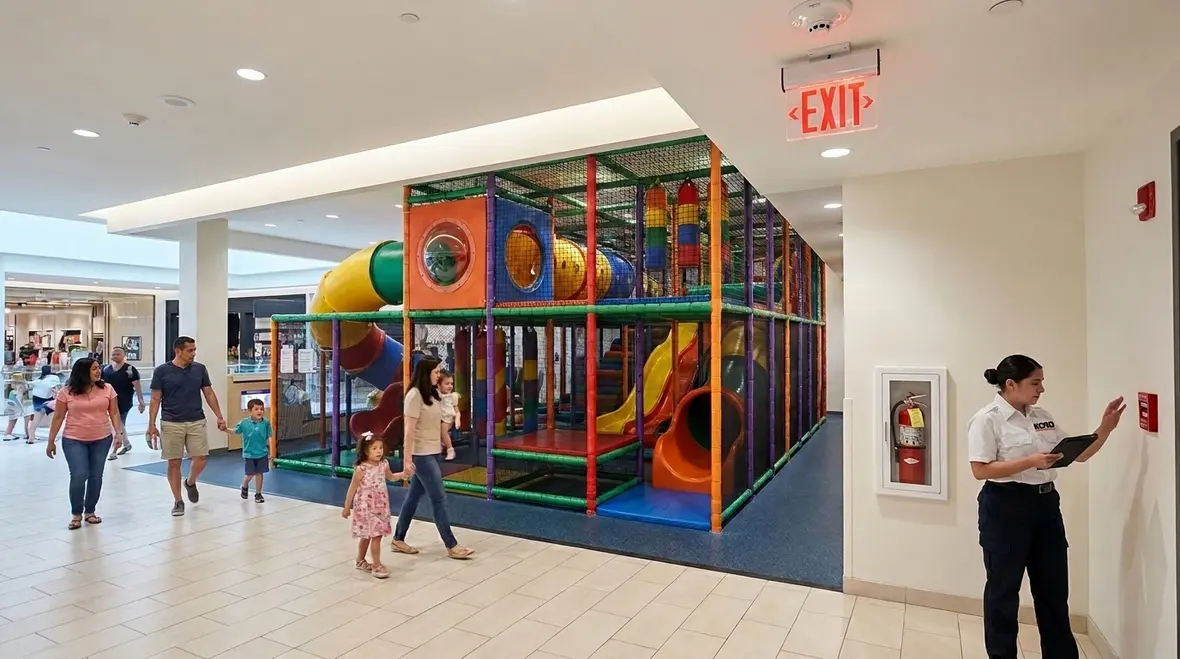
NFPA 1 Section 10.20 focuses on the fire safety needs of indoor play structures used in public or commercial spaces. It looks at where these structures sit, how they are built, and how people escape if something goes wrong. In simple terms, the rule aims to keep flames, smoke, and panic from turning playtime into a scene from a disaster movie nobody asked for.
The section supports safe construction, controlled access, and proper separation from ignition sources. It also reinforces the need for clear exit paths and systems that help staff respond fast. For retail centres, leisure venues, hospitality sites, and mixed use facilities, this matters because these spaces often host children while also managing food service, lighting, electrical gear, and heavy foot traffic.
Why children play area fire safety matters in commercial venues
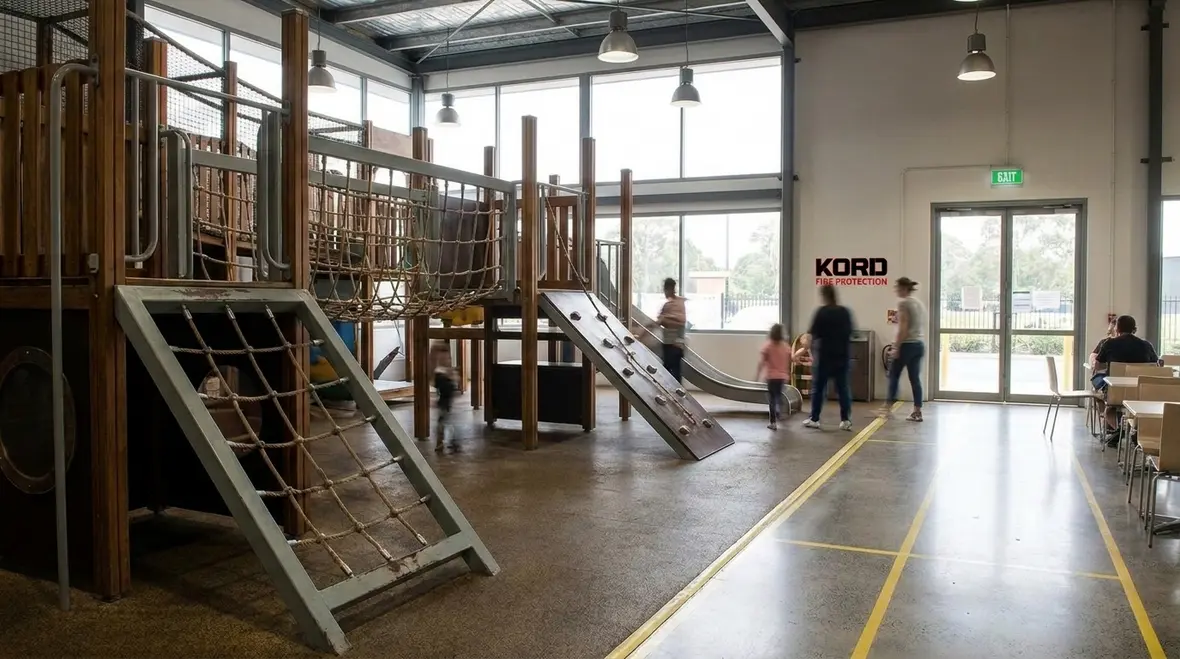
Children move fast, get distracted faster, and rarely pause to read safety notices. That alone makes children play area fire safety a serious job for facility teams. A small fire can spread quickly in a play structure if materials burn easily or if exits sit behind clutter, fixtures, or decorative barriers.
As a result, operators must think beyond the fun factor. They need to consider combustible materials, maintenance issues, staff training, and emergency planning. In commercial settings, poor fire planning can damage brand trust, trigger closures, and create liability problems. Nobody wants the local shopping centre remembered as the place where the slide was fun, but the evacuation plan was not.
Risk points that deserve attention
The biggest problems tend to be the boring ones that hide in plain sight. Soft play frames can sit too close to electrical equipment. Decorative finishes can build up without anyone checking their fire performance. Storage can creep into exit paths one box at a time until the route becomes a half obstacle course. Then there is staffing. If workers are unclear on alarms, assembly points, or first actions, even a well designed space can become messy in seconds.
That is why indoor playground fire regulations are not just about hardware. They are also about discipline. Daily checks, monthly reviews, good housekeeping, and trained staff matter just as much as the steel, mesh, padding, and signs people can see.
How indoor playground fire regulations shape safer design
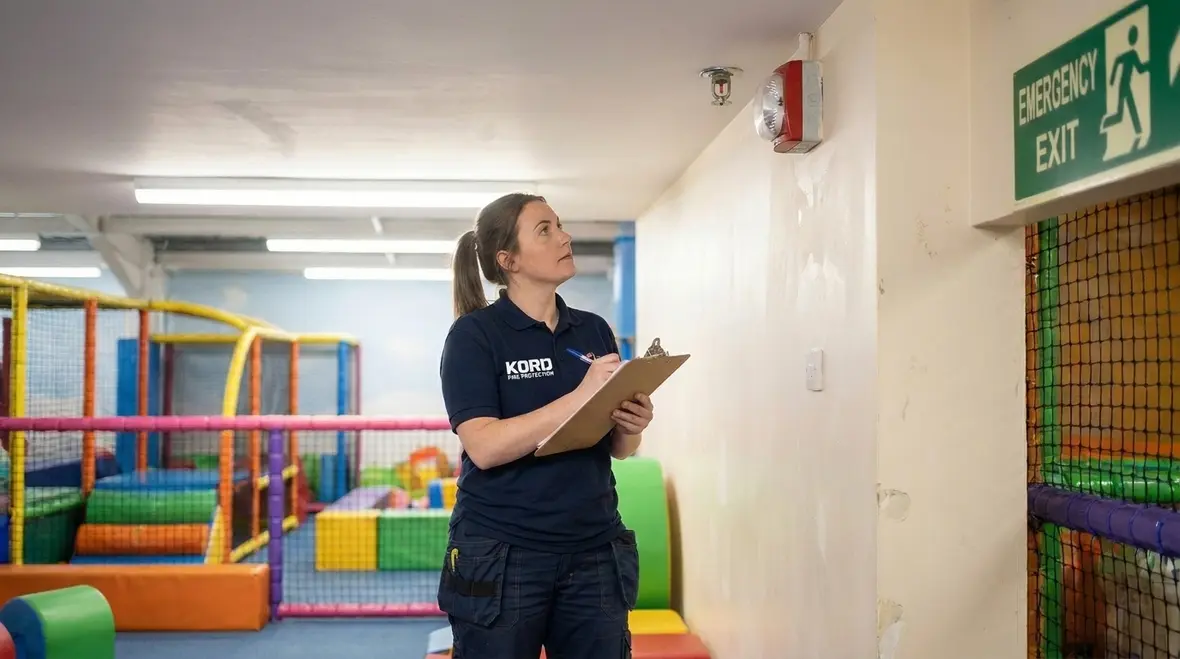
Indoor playground fire regulations usually push designers to use safer materials, sensible layouts, and clear separation from heat sources. They also support access for inspection and maintenance. If a structure blocks sprinklers, alarms, or exits, then the design has already failed the basics.
Facilities should also review the way the play space connects to the wider building. For example, smoke control, exit signage, and emergency lighting must work together. In a large retail or entertainment venue, the play area is only one piece of the safety puzzle. However, if that one piece blocks the rest, the whole puzzle falls apart.
Design choices that make a practical difference
- Use layouts that preserve direct, visible paths to exits
- Keep ignition sources away from the structure and its access points
- Choose materials that support flame resistance where required
- Leave room for inspection, cleaning, and repairs without dismantling half the venue
- Coordinate emergency lighting and signage with the rest of the building
- Confirm protection systems still cover the space effectively after installation
This is also where a broader code perspective helps. If your team wants more context on how NFPA guidance fits into prevention and site readiness, it is worth reading NFPA 1: A Comprehensive Guide to Fire Prevention and Safety. It connects the indoor play discussion to the wider job of keeping buildings safer, compliant, and less vulnerable to avoidable mistakes.
Indoor play structure fire code checklist for site teams
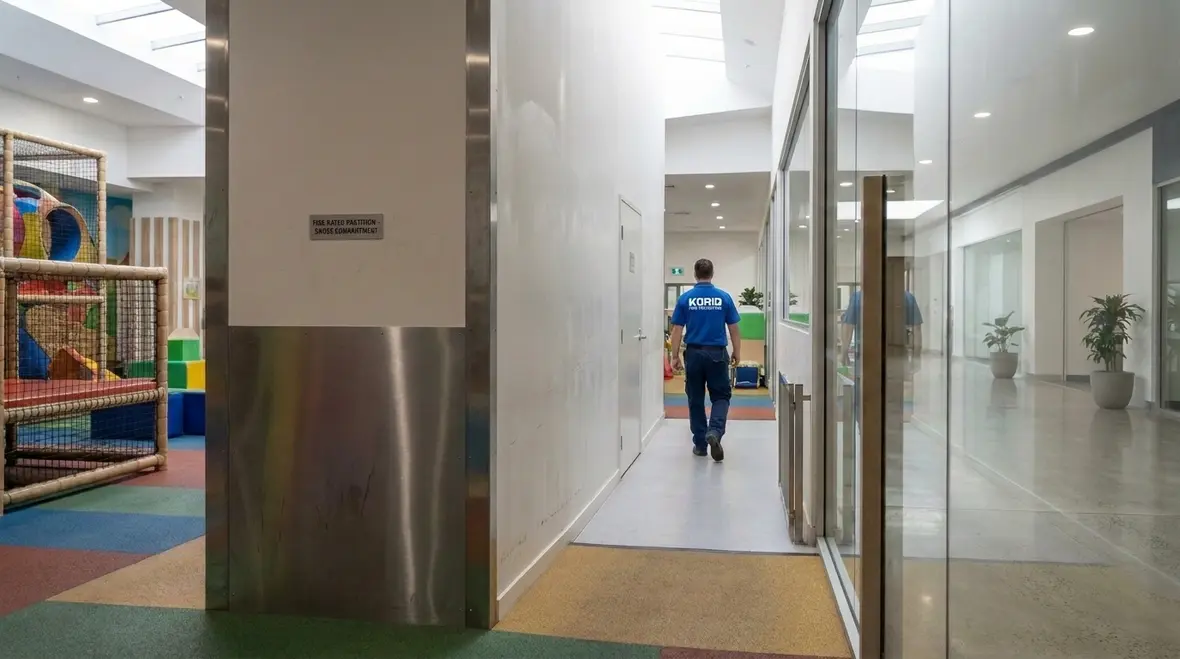
Site teams can use a practical checklist to keep the play area compliant and ready for use. This approach helps turn code language into everyday action.
Key checks for indoor play structure fire code compliance
- Confirm the play structure does not block exits or evacuation routes
- Check that flame resistant materials are used where required
- Keep the area clear of stored items, rubbish, and loose decor
- Inspect alarms, emergency lights, and sprinklers for full coverage
- Train staff to act fast if smoke, heat, or alarm signals appear
- Review maintenance logs and fix damage before opening to the public
This simple routine reduces risk and keeps the safety program active rather than decorative. A safety binder on a shelf does not stop fire. People do.
How often should teams review the area?
A quick visual check belongs in the daily routine, especially before the public arrives. A more detailed inspection should look at structural wear, damage, system access, housekeeping, and signage. After any fit out change, event setup, tenancy alteration, or maintenance work nearby, the play area should be reviewed again. Fire safety loves consistency and hates surprises.
Where Kord Fire Protection becomes a vital partner
Kord Fire Protection can become a vital partner because this type of work needs more than one off advice. It needs inspection, planning, testing, and ongoing support. Commercial facilities across Australia often manage many moving parts at once, so a specialist partner helps keep the fire safety load under control.
For indoor play areas, Kord Fire Protection can support a site with fire system checks, compliance focused advice, and practical solutions that align with indoor playground fire regulations. That includes helping teams understand where risks sit, how to keep exits usable, and how to maintain systems that protect children and staff. In other words, Kord helps move fire safety from “we should look at that” to “done, documented, and ready.”
| Facility Need | Kord Fire Protection Support |
| Risk review | Identify fire hazards in play zones and nearby service areas |
| System readiness | Check alarms, sprinklers, emergency lights, and related protection |
| Compliance support | Help teams align site practices with fire safety requirements |
| Ongoing care | Provide inspection and maintenance support to keep protection active |
How Australian commercial facilities can stay ahead of risk
Across Australia, commercial and industrial facilities often face layered safety duties. Indoor play areas add another level because they draw children, families, and crowd movement into the same space. Therefore, managers should build fire safety into design reviews, tenancy planning, and routine inspections.
They should also keep records current, test systems on schedule, and fix issues before they grow teeth. A loose panel, blocked exit, or failed light may seem minor. Yet, in fire safety, minor problems have a habit of becoming headline material. Regular reviews help prevent that kind of drama.
A practical mindset for operators
The best operators treat the play area as part of the building’s life safety ecosystem, not a self contained attraction with its own little universe. That means involving maintenance teams, cleaners, venue managers, contractors, and safety staff in the same conversation. When everyone understands what must stay clear, what must be tested, and what must never be ignored, the site becomes far easier to manage well.
FAQ
Conclusion
Indoor play safety works best when fire protection stays simple, active, and well maintained. Facilities that follow NFPA 1 Section 10.20 build stronger protection for people and property.
For Australian operators that want reliable support, Kord Fire Protection can help keep the system ready, the site compliant, and the play area safer from the first day to the busy days that follow.

Join Our Newsletter!
Get the latest fire safety tips delivered straight to your inbox From our Newsletter.