NFPA 1 Section 10.18: Powered Industrial Truck Fire Safety
Quick Answer: NFPA 1 Section 10.18 sets the fire safety baseline for powered industrial trucks like forklifts in busy work sites. It focuses on safe charging, fuel handling, storage, inspection, and fire protection planning. For industrial, retail, commercial, and facility operations across Australia, it helps reduce risk, protect staff, and keep business moving.
In modern operations, forklift fire safety NFPA, the powered industrial truck fire code, and warehouse truck fire safety are not just compliance terms. They are daily safety habits that protect people, product, and profit. NFPA 1 Section 10.18 gives a clear path for safer use of powered industrial trucks, especially in places where forklifts do the heavy lifting and the heat stays high. And yes, that heat can come from work, not just the weather. Australia knows a thing or two about heat, after all.
For facilities looking to connect day to day truck safety with broader site readiness, full fire protection services fit naturally into the conversation near the top of the plan, especially when alarms, extinguishers, inspections, and suppression all need to work together instead of acting like coworkers who only speak during mandatory meetings.
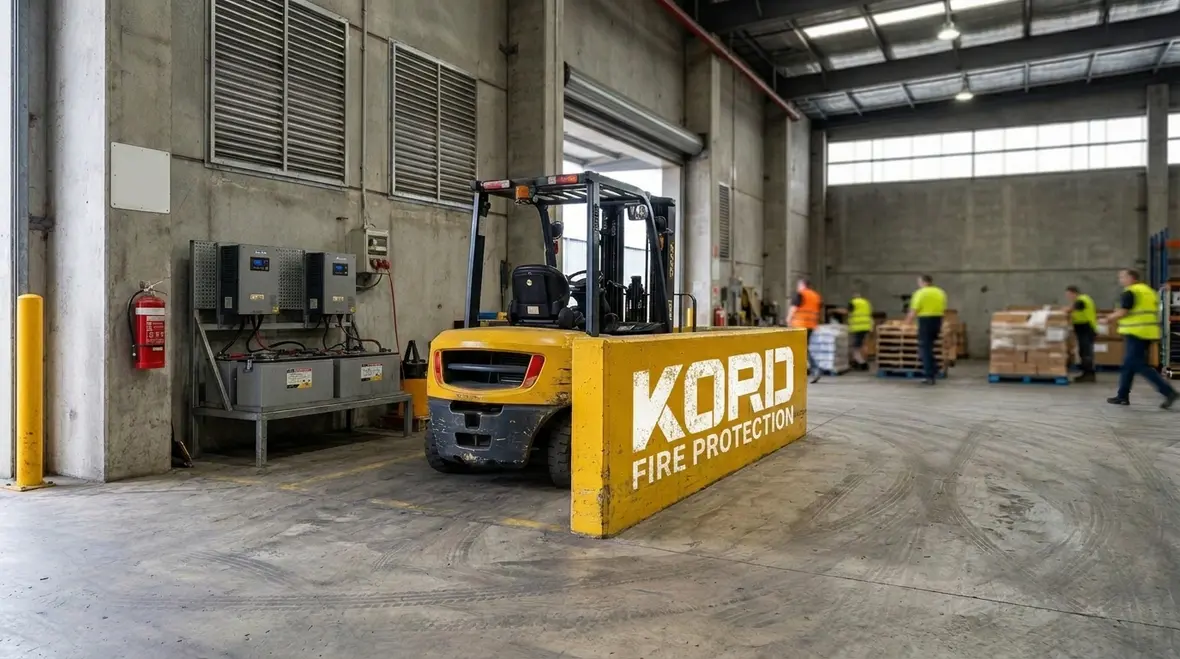
What NFPA 1 Section 10.18 means for daily operations
NFPA 1 Section 10.18 addresses the fire risks tied to powered industrial trucks. In plain terms, it guides how facilities manage forklifts, pallet movers, and similar equipment so fire hazards do not creep in like a quiet villain in a movie sequel. The rule looks at fuel sources, battery charging, indoor use, and storage areas.
For industrial and commercial sites, this section matters because powered industrial trucks work near stock, packaging, racking, and people. When one part fails, the damage can spread fast. That is why the code supports better planning before a small fault becomes a big interruption.
Why the baseline matters more than people think
The tricky thing with forklifts is that they look routine. They move pallets, help dispatch, and quietly keep the place alive. Because they are familiar, teams can overlook the fact that each truck brings electrical components, possible heat buildup, battery risks, moving parts, and sometimes fuel systems into spaces already packed with combustible goods. That is not a reason to panic. It is a reason to plan like grown ups and not like people hoping nothing weird happens before Friday.
How warehouse truck fire safety starts with the right setup
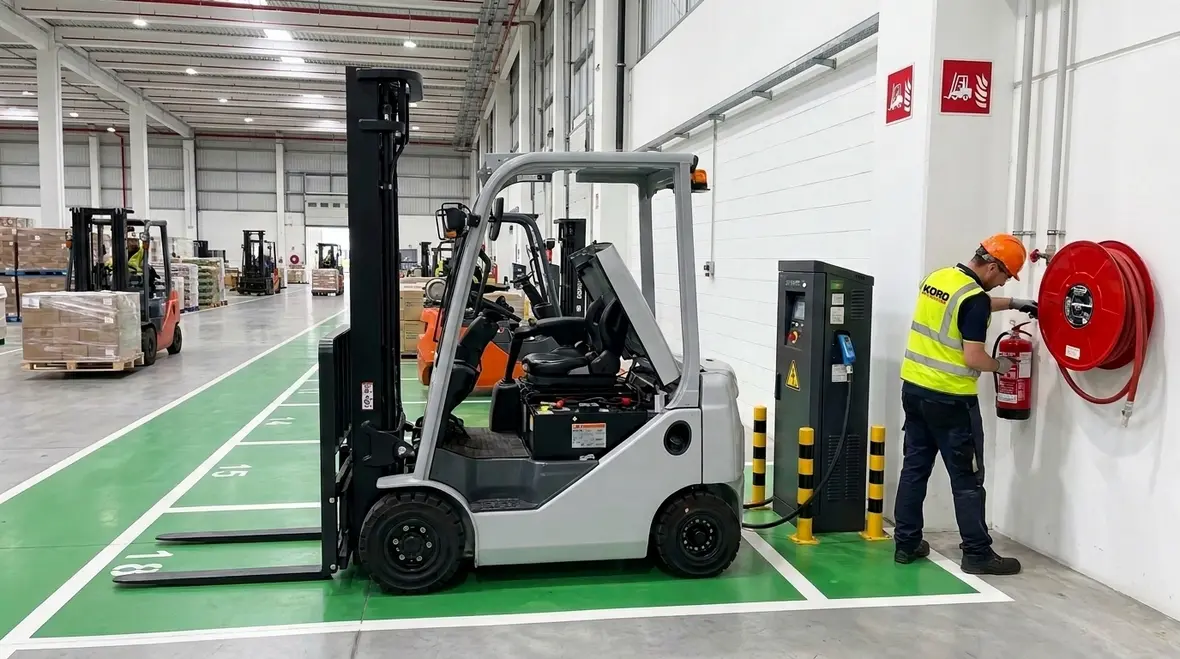
Strong warehouse truck fire safety begins with layout. Equipment needs space to move, charge, and park without blocking exits or fire equipment. Charging stations should sit in safe areas with proper ventilation and clear access. Fuel powered units also need controlled refueling practices and safe storage of cylinders or flammable materials.
In addition, facilities should keep ignition sources away from charging and fueling zones. A loose wire, a damaged connector, or poor housekeeping can turn into a serious event. Therefore, the best defense is not luck. It is design, routine checks, and clear rules that workers can follow without needing a legal degree and a flashlight.
Good setup also considers traffic flow. If trucks park where people walk, if charging leads drape across active paths, or if battery zones get squeezed beside stacked cartons and wrap, the fire risk rises quietly. Not dramatically, not with movie music, just steadily. Those are the kinds of conditions that deserve attention long before an incident decides to introduce itself.
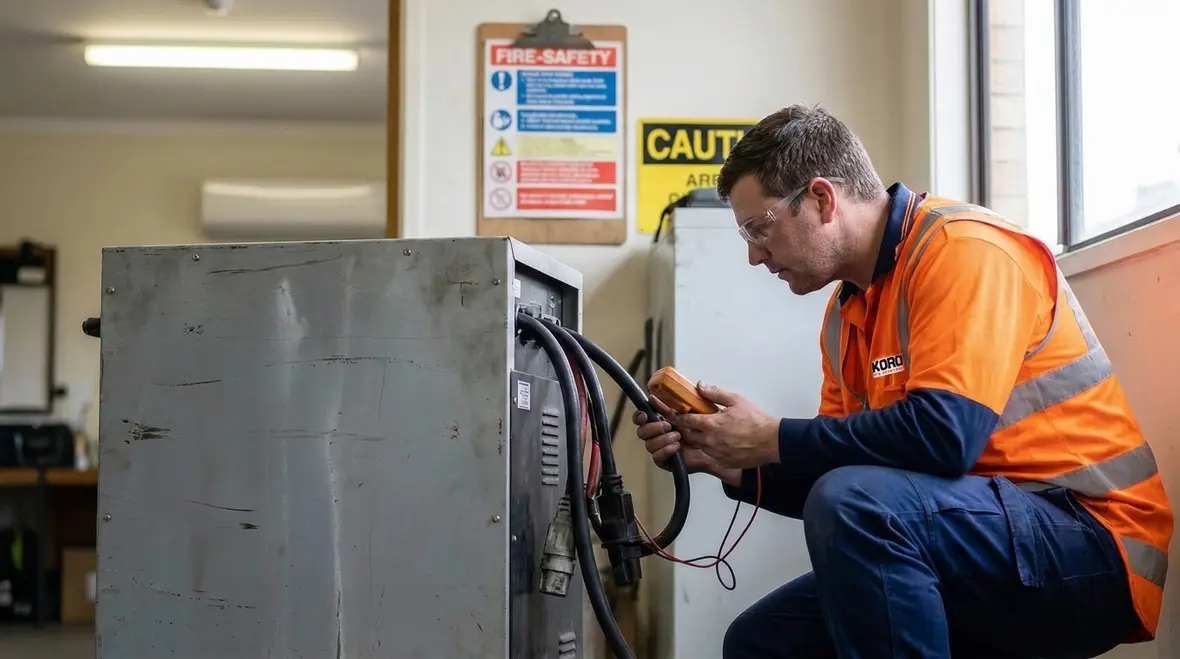
Why powered industrial truck fire code details matter in Australia
Australian facilities often run fast paced operations across warehousing, retail distribution, manufacturing, logistics, and commercial storage. Because of that, the powered industrial truck fire code supports consistency. It helps teams manage risk in sites where forklifts move all day and where even a short outage can hit service levels hard.
Furthermore, local operations often deal with mixed equipment types, changing stock loads, and busy shift handovers. These conditions increase the chance of missed checks. So, a clear fire safety plan based on NFPA 1 Section 10.18 helps keep standards steady across sites and shifts.
That consistency matters because a site does not become safer just because one supervisor cares deeply and owns three clipboards. Real protection shows up when procedures survive handovers, contractor visits, staffing changes, and the general chaos that busy facilities seem to generate for fun.
Where this fits into broader prevention planning
This is also where related fire planning starts to overlap with bigger site strategy. Teams reviewing truck risks often benefit from broader reading on NFPA 1 fire prevention and safety guidance, because truck controls work best when they support the full fire picture instead of sitting in a lonely policy folder no one opens.
What a strong compliance plan should include
A useful fire safety plan should cover the full life of the equipment, not just what happens when it is running. The plan should include inspection, training, charging, repair, storage, and response steps. It should also make roles clear so workers know what to do before a problem grows legs.
Typical plan elements include:
Site controls
Keep forklifts, batteries, fuel, and charging points in approved areas with proper ventilation and protection.
People controls
Train operators, supervisors, and maintenance staff to spot fire risks early and act fast.
Equipment controls
Inspect trucks, cables, chargers, batteries, and fuel systems on a set schedule.
Emergency controls
Make sure alarms, extinguishers, access paths, and response steps are easy to reach and use.
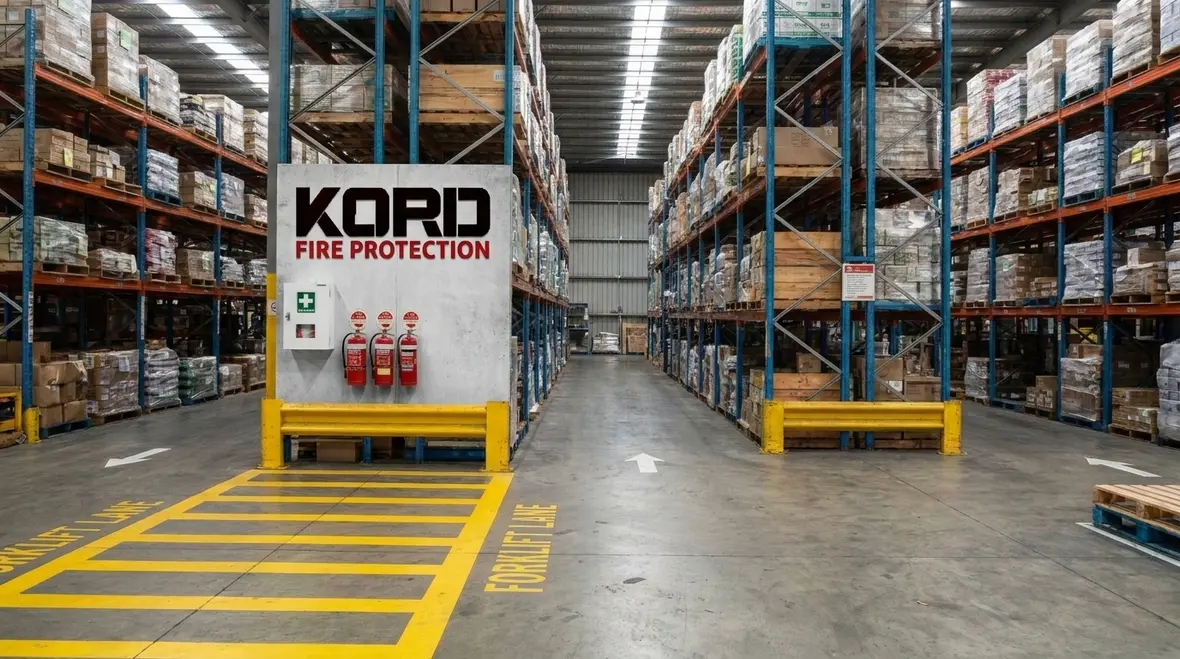
Where Kord Fire Protection becomes a vital partner
Kord Fire Protection can become a vital partner in this service because compliance works best when it has expert support behind it. A facility may know its forklifts, but fire safety demands more than good intentions and a laminated checklist taped near the lunch room. Kord Fire Protection can help with system planning, inspection support, fire safety advice, and practical protection strategies that fit real site conditions.
Because every warehouse, retail back room, and industrial floor works differently, Kord Fire Protection can tailor support to the site’s equipment mix, layout, and risks. That matters. A battery charging zone in a distribution center does not need the same setup as a compact commercial store loading area. With the right partner, the site gains a clearer path to safer daily operations and fewer nasty surprises.
That practical support becomes even more useful when a facility is reviewing larger warehouse protection decisions, especially around detection and suppression strategy. Teams often discover that truck safety, storage layout, and emergency readiness are all connected whether the planning meeting likes it or not.
How operators can reduce risk before a fire starts
Operators play a major part in prevention. They should check for damaged cords, hot battery areas, fuel leaks, poor ventilation, and clutter near charging zones. They should also report defects right away. A forklift with a small fault today can become a very expensive headline tomorrow.
Managers should back this up with simple routines. For example, they can review housekeeping, monitor charging practices, and confirm that only trained staff handle repairs or fuel tasks. As a result, the site builds a stronger safety culture without turning every shift into a fire drill episode of reality TV.
Simple habits matter here more than flashy policy language. Park correctly. Charge correctly. Store materials correctly. Report heat, leaks, sparks, or damage quickly. Keep access clear. Repeat tomorrow. It is not glamorous, but neither is explaining to leadership why a preventable incident just shut down half the operation.
A practical checklist mindset
- Inspect visible cables, connectors, and battery areas before use.
- Keep charging and fueling zones clean and well marked.
- Do not block extinguishers, exits, hose points, or alarm devices.
- Remove damaged trucks from service until qualified repairs are complete.
- Make incident reporting fast, simple, and impossible to ignore.
Why this standard protects more than property
NFPA 1 Section 10.18 does more than reduce damage. It helps protect workers, keep supply chains moving, and lower downtime. That makes it valuable for industrial, retail, and commercial sites across Australia that rely on powered industrial trucks every day. When fire safety improves, the whole operation gains stability.
Just as important, the standard helps leaders show care, discipline, and readiness. In a business world that moves at full speed, that kind of control stands out. It says the site is not just running. It is running with purpose.
It also protects confidence. Workers trust a site more when it feels organized and prepared. Customers trust continuity more when operations are steady. Management sleeps a little better when risk is being handled with something stronger than crossed fingers and a hopeful shrug.
FAQ
Keep forklifts safer and sites stronger
NFPA 1 Section 10.18 gives facilities a solid base for safer powered industrial truck use. However, strong results come from action, not paper alone. Kord Fire Protection can help build the right fire safety setup, support compliance, and keep operations ready for the real world.
For sites across Australia, that is a smart move and a calm one too. Better planning, clearer routines, and the right support partner can keep forklifts safer, teams steadier, and surprises a lot less interesting.

Join Our Newsletter!
Get the latest fire safety tips delivered straight to your inbox From our Newsletter.