NFPA 1 Section 1.5 Fire Code Measurement Units in Australia
Quick Answer
NFPA 1 Section 1.5 sets the rule for units of measure used in fire code work. It helps teams apply fire code measurement units, NFPA 1 SI units, and fire code dimensions standards with one clear method. For industrial, retail, and commercial sites across Australia, that clarity supports safer design, faster reviews, and cleaner compliance.
Near the start of any compliance review, many teams also benefit from broader fire protection support across Australia, especially when measurements, documentation, inspections, and system readiness all need to line up without turning the project into a game of interpretive geometry.
Why NFPA 1 Section 1.5 Matters in Fire Code Work
NFPA 1 Section 1.5 may look small on the page, yet it carries real weight in daily fire protection work. It tells designers, consultants, and site teams which units of measure to use when reading, applying, and checking the code. That matters because fire protection is full of numbers, and numbers without the right unit can cause trouble fast. A sprinkler spacing error, a hose reach issue, or a clearance mistake can all start with the wrong measurement basis.
For Australian industrial and commercial sites, the value is even clearer. Teams often work across local standards, project drawings, and international code references. As a result, fire code measurement units must stay consistent from the first sketch to the final inspection. That is where NFPA 1 SI units help keep the work clean, readable, and far less likely to drift into confusion. No one wants a fire plan that reads like a detective novel.

How Fire Code Measurement Units Shape Real Projects
When a fire code uses clear units, every part of the project runs more smoothly. The site team can check distances, capacities, heights, and volumes without guessing. In turn, the consultant can compare the design with the fire code dimensions standards and confirm that the system fits the building and the use of the space.
This matters across warehouses, shopping centres, factories, cold storage sites, logistics hubs, and office towers. For example, a loading dock may need exact clearance values for equipment access. Meanwhile, a retail tenancy may need accurate travel distance checks and exit width measurements. Because fire protection work often crosses design, installation, and maintenance, the same unit system must stay in place at every stage.
In practical terms, fire code measurement units reduce rework. They also help decision makers move faster. If a project team can trust the dimensions, it can spend less time correcting drawings and more time solving real safety issues. That is the kind of boring efficiency that saves money, and frankly, it is the hero nobody posts about on LinkedIn.
What improves when units stay consistent
- Drawing reviews become faster and cleaner
- Equipment schedules are easier to verify
- Installers spend less time double-checking conversions
- Audits and maintenance records stay aligned
What usually goes wrong with mixed units
- Spacing errors creep into sprinkler layouts
- Exit path dimensions get interpreted the wrong way
- Tank or hose distances are converted poorly
- Legacy documents confuse otherwise solid teams
NFPA 1 SI Units in Australia
Australia already works in metric, so NFPA 1 SI units often align well with the way local teams think and build. Still, alignment does not mean automatic understanding. The code must be read with care, because a number on its own means little without the context of the fire code dimensions standards behind it.
Here is a simple dual view that helps explain the point:
Imperial reference
Some legacy fire documents still use feet, inches, and gallons. These can create conversion errors when teams move between systems.
SI reference
NFPA 1 SI units use millimetres, metres, litres, and square metres, which fit Australian project work more naturally.
That dual view shows why measurement discipline matters. A small conversion error can affect sprinkler layout, extinguisher placement, tank sizing, or access path checks. Therefore, teams should always confirm which unit system a document uses before they lock in design choices.
For teams that want broader code context, it also helps to review NFPA 1: A Comprehensive Guide to Fire Prevention and Safety so the unit discussion stays connected to the larger compliance picture instead of floating around on its own like one very confident decimal point.

Where Kord Fire Protection Adds Real Value
Kord Fire Protection can become a vital partner in this service and job because code compliance is not just about reading rules. It is about applying them well in the real world. Their role can support industrial and commercial clients through design review, code interpretation, installation guidance, system maintenance, and practical compliance checks.
That support matters when a site has mixed uses, legacy systems, or changes in layout. In those cases, fire code measurement units must be checked against current conditions, not just old drawings. Kord Fire Protection can help close that gap by bringing hands on knowledge to the table. They can spot when a dimension on paper does not match the site, and that saves time before a small issue grows into a costly problem.
Just as important, they can help teams speak the same language. Designers may talk in technical terms, while facility managers focus on operations. Kord Fire Protection can bridge that gap and keep the project moving in one clear direction. That is not magic. That is experience, and a little bit of fire code fluency.
That practical role fits naturally with Kord Fire Protection’s broader approach to industrial fire protection upgrades in Australia, where compliance only works when the paperwork, the field conditions, and the installed systems all agree with each other.
How to Apply Fire Code Dimensions Standards Without Confusion
Good compliance work starts with a simple process. First, confirm the governing code and the unit basis. Next, check every critical dimension on drawings, equipment schedules, and site measurements. Then, compare those figures with the actual building layout and use. Finally, document the results so future inspections and maintenance work stay aligned.
Teams should also watch for common trouble spots. These include mixed unit sets in the same drawing package, rounded figures that hide small errors, and older documents that were never updated after changes to the site. Transitioning from old records to current conditions can expose gaps, so the review should always include both the plan and the physical location.
When done well, the process supports safer operations. It also helps with audits, upgrades, and change of use projects. In other words, the fire code stops being a headache and starts acting like a proper business tool. Imagine that.
- Confirm the governing code document and unit basis before any review begins
- Check dimensions on plans, schedules, and field conditions side by side
- Flag any legacy documents still using older unit references
- Record findings clearly so future inspections do not restart the same confusion
What Industrial and Commercial Teams Should Check First
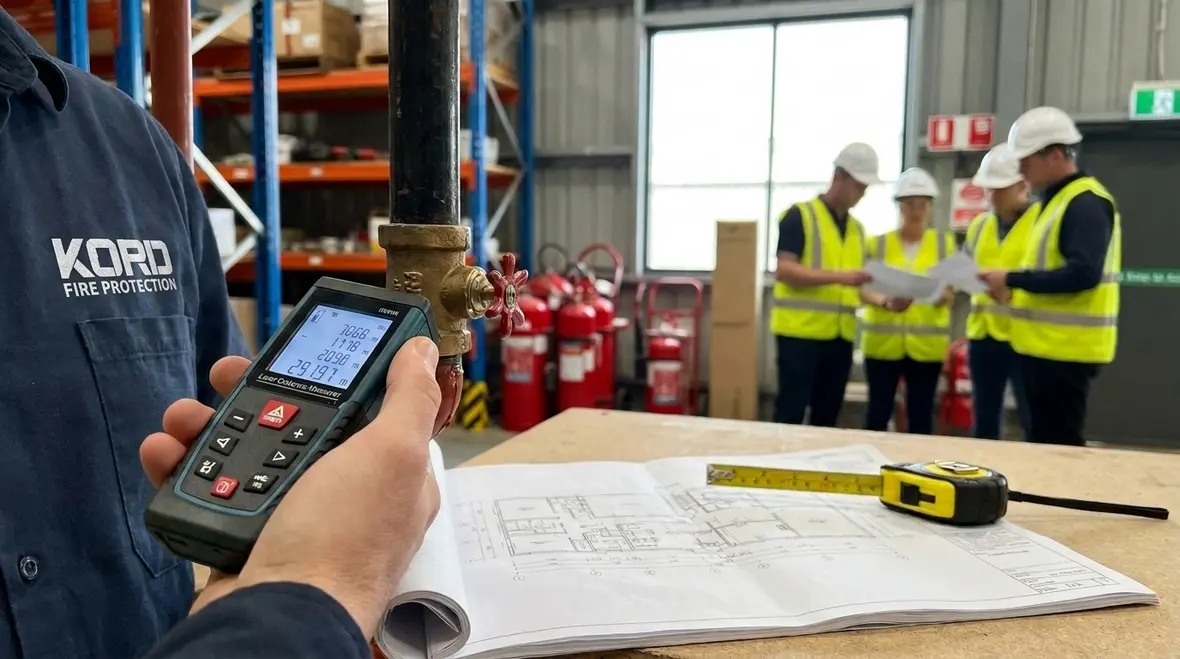
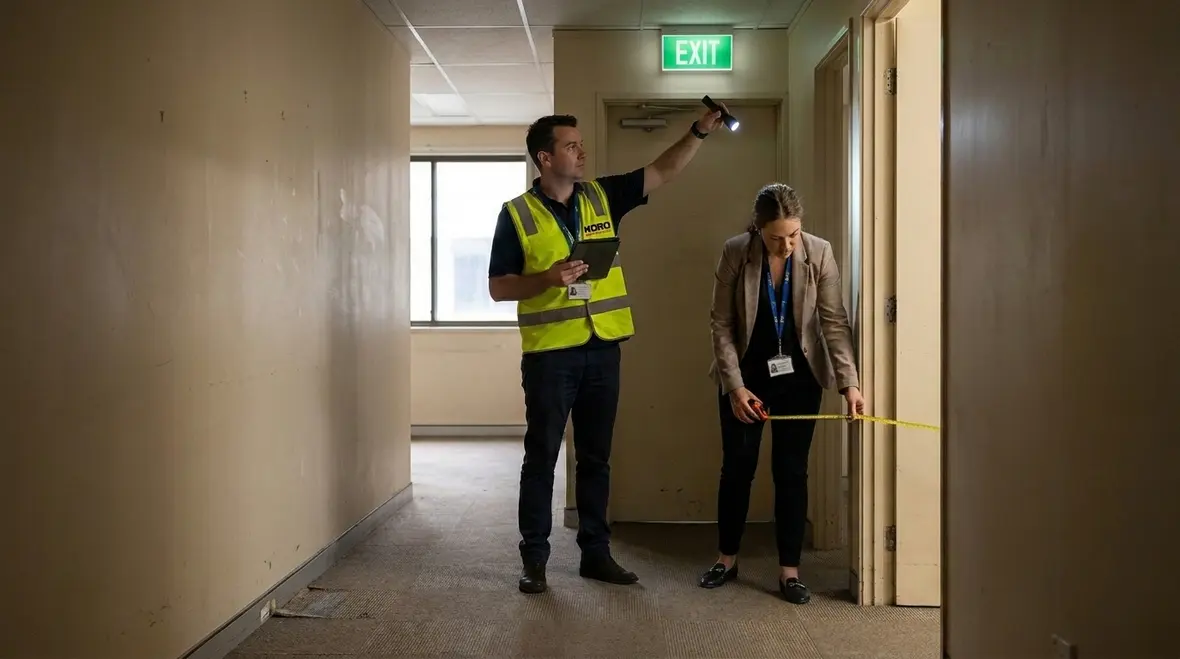
Facility teams should begin with the most safety critical dimensions. These often include exit routes, equipment clearances, access widths, tank and hose distances, and the placement of fire protection devices. After that, they should review any areas where the building use has changed, because a new layout can shift the compliance picture quickly.
They should also check whether site records use fire code measurement units consistently across drawings, reports, and maintenance logs. If one document uses metric and another still carries old references, confusion can spread through the whole project chain. Therefore, a clean measurement standard should sit at the centre of every fire protection review.
Priority checkpoints for a practical review
- Exit routes and travel distances
- Door and access widths
- Equipment clearances and service space
- Tank, hose, and device placement distances
- Any area affected by a new fitout or layout change

FAQs
Conclusion
NFPA 1 Section 1.5 gives fire protection teams the measurement clarity they need to work with confidence. For Australian industrial, retail, and commercial sites, that means better checks, cleaner drawings, and fewer mistakes.
Kord Fire Protection can help make that process simpler, safer, and more reliable. For projects that cannot afford guesswork, the right partner makes all the difference. Reach out to Kord Fire Protection and keep compliance on solid ground.

Join Our Newsletter!
Get the latest fire safety tips delivered straight to your inbox From our Newsletter.