NFPA 1 Section 1.6 Fire Code Enforcement Procedures
Quick Answer
NFPA 1 Section 1.6 sets the ground rules for fire code enforcement procedures, giving fire officials a clear path for notices, corrections, and follow up. It also supports fair fire marshal enforcement duties and strong NFPA code compliance enforcement. For industrial, retail, and commercial sites across Australia, Kord Fire Protection can help keep the process smooth, safe, and on time.
NFPA 1 Section 1.6 matters because it turns fire safety from a vague promise into a clear process. In plain terms, it guides fire code enforcement procedures, defines fire marshal enforcement duties, and supports NFPA code compliance enforcement with structure and consistency. That matters for industrial plants, retail centers, warehouses, and commercial facilities across Australia. After all, rules are only useful when people can follow them without guesswork. And fire safety is not the place for guesswork. Not unless someone enjoys chaos, which is a strange hobby.
For businesses needing broader system support before an inspection gets awkward, full fire protection services fit naturally into an enforcement readiness plan. They help connect inspections, testing, maintenance, and corrective action into one approach instead of six separate sticky notes and one anxious email thread.
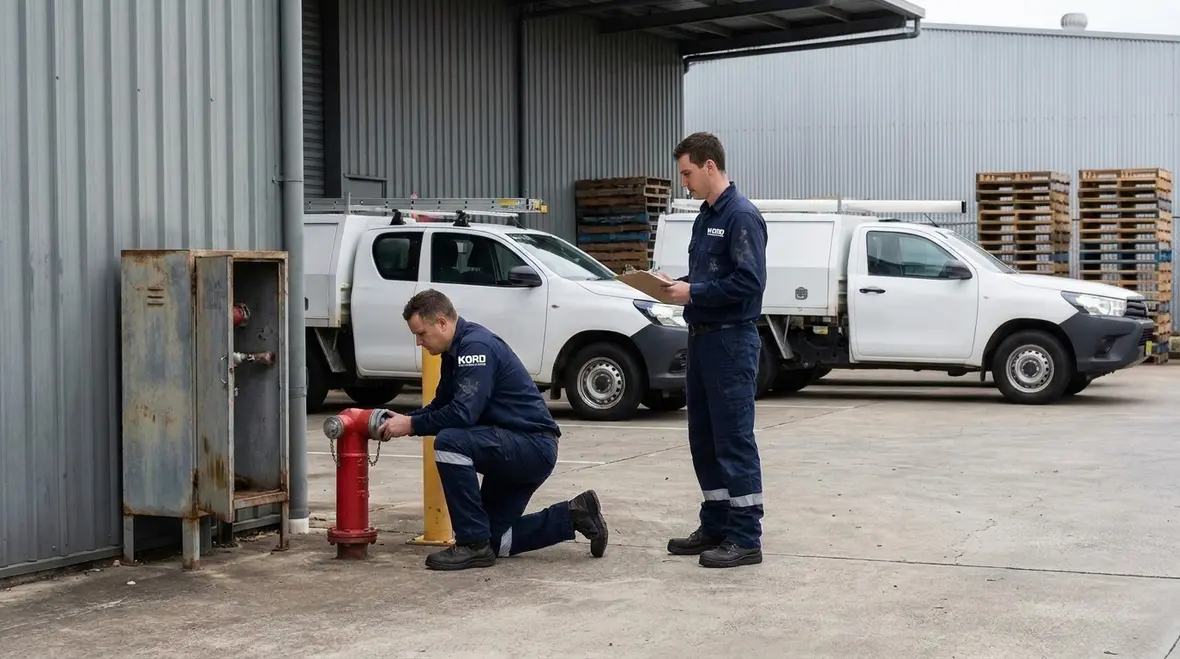
What NFPA 1 Section 1.6 Means in Practice
NFPA 1 Section 1.6 sets the framework for how fire code issues move from discovery to correction. It gives fire officials a fair and organized way to act when they find hazards, unsafe systems, or ignored violations. As a result, the process supports both safety and accountability.
For commercial and industrial operators, this means inspections do more than point out problems. They start a documented path toward resolution. Therefore, site leaders can track what needs fixing, who owns each task, and when it must be done. That kind of clarity saves time, reduces risk, and keeps operations moving.
In practice, Section 1.6 helps answer the questions people tend to ask the second an inspector leaves the site. What was observed. How serious is it. What must be corrected. Who signs off. What happens next. Without a process, those questions create uncertainty. With a process, they create a plan. That difference matters because even a minor issue can become expensive when nobody owns the next step.
Why the process matters more than the paperwork
A documented enforcement path is not just bureaucratic decoration. It helps facilities respond in a way that is consistent, timely, and easier to verify later. Records support maintenance teams, operations managers, contractors, insurers, and authorities all at once. They also reduce the classic workplace problem where everyone thought someone else was handling it.

How Fire Code Enforcement Procedures Usually Move Forward
Fire code enforcement procedures often begin with an inspection or complaint. Then the fire official identifies the issue, documents it, and gives notice to the responsible party. In many cases, the site receives a time frame to correct the problem. If the issue remains, the next step may include follow up inspections, notices of violation, or further action.
This process works best when a facility treats it as a working system, not a surprise attack from the safety universe. A good response includes fast review, clear communication, and proper records. Moreover, it keeps small issues from turning into shut downs, fines, or serious safety threats.
The timing matters too. A quick response shows the authority that the facility is engaged and capable. A slow response suggests the opposite, even if the site eventually fixes everything. That is why strong internal coordination matters. Operations, safety, maintenance, and outside service providers all need the same information at the same time, not scattered across inboxes like a treasure hunt nobody asked for.
A simple way to keep enforcement from escalating
Facilities that do well during enforcement visits usually do three things consistently. They know the condition of their systems. They keep records current. And they fix defects before they gain emotional support from a second inspection. None of that is flashy, but it is effective. Most compliance problems grow because they are delayed, not because they are impossible.
| Enforcement Step | What the Facility Should Do |
| Inspection | Walk the site, identify hazards, and record findings |
| Notice | Review the issue and assign responsibility fast |
| Correction | Fix the problem and keep proof of the work |
| Follow up | Confirm closure and check for repeat issues |
| Escalation | Respond quickly if the issue stays open |
Fire Marshal Enforcement Duties Across Commercial Sites
Fire marshal enforcement duties cover more than writing up violations. Fire marshals review hazards, confirm code compliance, guide correction steps, and help make sure the site reduces risk in a lasting way. They act as both enforcer and safeguard, which is a tough job if one thinks about it. Nobody ever said being the fire code adult in the room was glamorous.
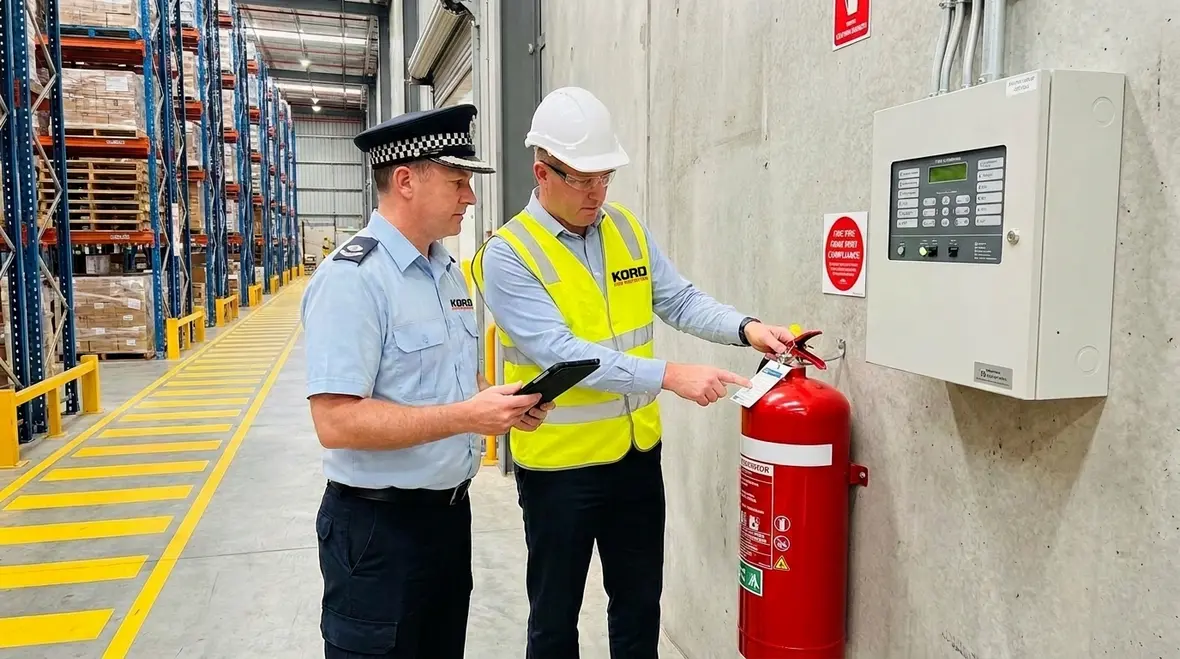
For industrial, retail, and facilities teams, this means the marshal may ask for records on alarms, extinguishers, evacuation paths, maintenance logs, and fire protection systems. In turn, the site must show proof that it manages these items on time and with care. Strong records make the process smoother and far less painful.
Marshals also help confirm whether a correction is meaningful or merely cosmetic. A painted sign over a blocked exit is still a blocked exit. A missing inspection tag does not become compliant because someone looked concerned near it. Real compliance requires systems, access, signage, training, and documentation to line up. That is exactly why enforcement duties matter. They force reality to match policy.
What commercial teams should have ready
Before an enforcement visit, teams should be ready to show current inspection reports, maintenance logs, impairment records, training evidence, and any corrective actions already completed. If the site has made layout changes, equipment upgrades, or process changes, those should be easy to explain. When records are organized, conversations stay focused on solutions instead of detective work.
NFPA Code Compliance Enforcement for Industrial and Retail Operations
NFPA code compliance enforcement becomes most important when a facility has many moving parts. Warehouses have storage risks. Retail centers have public traffic. Industrial sites often have machinery, chemicals, and high fuel loads. Therefore, one missed detail can create a bigger problem than anyone wants to explain in a board meeting.
Compliance also affects business continuity. If an authority finds repeated issues, the site may face delays, restrictions, or corrective orders. So, leaders should build compliance into daily operations instead of treating it as a once a year chore. That approach lowers risk and supports smoother audits and inspections.
This is where linked planning helps. A warehouse might need tighter control over storage height, aisle clearance, and sprinkler access. A retail environment may need attention on changing displays, exit paths, and customer movement. An industrial facility may need stronger coordination around machinery hazards, suppression interfaces, shutdown planning, and maintenance windows. Different operations create different enforcement pressure points, but all of them benefit from consistent review.
If your team wants broader background on the code itself, Kord Fire Protection also covers that in NFPA 1: a comprehensive guide to fire prevention and safety. It fits naturally here because enforcement always makes more sense when the bigger code picture is not a mystery.
Why Kord Fire Protection Can Become a Vital Partner
Kord Fire Protection can play a vital role in this process by helping facilities stay ready before enforcement becomes a headache. Because fire code enforcement procedures depend on accurate systems, proper records, and timely maintenance, a skilled partner helps close the gaps before inspectors find them. That is not magic. It is simply good planning with boots on the ground.
For Australian industrial and commercial sites, Kord Fire Protection can support system inspections, maintenance schedules, compliance checks, and corrective work. In addition, the team can help facility managers understand what needs urgent attention and what needs routine follow up. That support matters when the site must balance safety, production, retail flow, and downtime. In short, Kord helps turn compliance from panic into process.
That kind of support becomes especially useful when multiple findings interact. A blocked access path, an overdue maintenance item, and a missing record may look like three separate annoyances. In reality, they often point to one bigger management gap. A capable service partner helps facilities spot those patterns early, prioritize corrections, and create a cleaner path to closure.
How Facilities Can Prepare for Enforcement Visits
Preparation starts with ownership. Someone must track fire safety tasks, keep documents current, and make sure corrective actions do not drift into the land of forgotten to do lists. Then the site should review alarms, extinguishers, exit routes, hydrants, suppression systems, and training records before the visit.
It also helps to walk the site with fresh eyes. For example, blocked exits, missing tags, poor access to equipment, and broken signage often stand out quickly. Moreover, a simple internal audit can catch issues early and show the authority that the business takes compliance seriously. That attitude earns respect because it shows control, not confusion.
A practical checklist helps. Confirm documentation is current. Verify open corrective items have owners and dates. Check that exits and fire equipment stay accessible during actual operations, not just during the tidy ten minutes before visitors arrive. Review whether any recent fitout, storage, or process changes affected the fire strategy. If they did, update the records and actions now, not after someone with a clipboard points it out.
Small issues that often trigger bigger conversations
Many enforcement headaches start with details that seem harmless. A propped open fire door. Stock creeping into an exit path. Equipment labels nobody can read anymore. Maintenance overdue because access was inconvenient for one month and then somehow for five more. These are not dramatic failures, but they signal weak control. And once weak control shows up, inspectors tend to ask more questions for reasons that are entirely fair.
FAQ
Conclusion
NFPA 1 Section 1.6 gives facilities a clear path for safe, fair enforcement and correction. For industrial, retail, and commercial operations across Australia, that structure protects people and business continuity.
Kord Fire Protection can help facilities stay ahead of issues, keep systems ready, and respond fast when action is needed. For stronger compliance and less stress, partner with a team that knows the code and respects the clock.

Join Our Newsletter!
Get the latest fire safety tips delivered straight to your inbox From our Newsletter.