NFPA 1 Pyrophoric Self-Igniting Fire Safety Code
For facilities dealing with higher-risk materials, special hazard fire suppression support can fit naturally into a broader compliance plan before a pyrophoric risk decides to become the main character of the day.
Quick Answer
The NFPA 1 pyrophoric self-igniting materials fire safety code under Section 71.1 sets strict rules for handling and storing pyrophoric materials. It calls for risk assessment, proper containment, ignition control, and trained personnel. Kord Fire Protection can become a vital partner with this service by delivering audits, training, and on site safety programs across Australia.
Introduction to Pyrophoric Safety and NFPA 1
Facilities across Australia face real hazards when dealing with pyrophoric materials. The NFPA 1 pyrophoric self-igniting materials fire safety code provides a clear framework to prevent ignition and limit exposure. In particular, Section 71.1 guides how teams should identify hazards, control ignition sources, and maintain safe storage and handling. This code does not just sit on a shelf; it shapes everyday decisions in warehouses, labs, and production floors. By aligning with these rules, organizations protect workers, protect property, and protect a business’s reputation. The aim is simple: fewer fires, faster response, and less downtime for operations that matter.
For broader fire code context, teams can also review NFPA 1: A Comprehensive Guide to Fire Prevention and Safety, which helps connect pyrophoric controls to the wider fire and life safety picture.
What does NFPA 1 Section 71.1 require for pyrophoric materials?
To meet the intent of the code, several core elements must be in place. The requirements focus on prevention, preparedness, and performance. Key points include:
- Hazard evaluation before any handling or transport
- Proper storage with segregated, compatible materials in approved containers
- Control of ignition sources and arcing, with suitable bonding and grounding where needed
- Adequate ventilation and temperature control to avoid unintended self ignition
- Clear labeling, risk communication, and waste management procedures
- Ongoing staff training and scheduled drills
- Documentation of procedures and regular reviews to keep practices current
In short, the code expects a full picture of risk and a concrete plan to reduce it. It is not a set of suggestions but a framework for safe action every day.
Core controls that should never be left to chance
Pyrophoric materials do not offer much grace period for sloppy handling. That is why the code pushes facilities toward layers of protection rather than one heroic fix. Storage, ventilation, separation, training, and response planning all need to work together, because betting everything on one control is a bold strategy in all the wrong ways.
The Value of Kord Fire Protection as a Partner
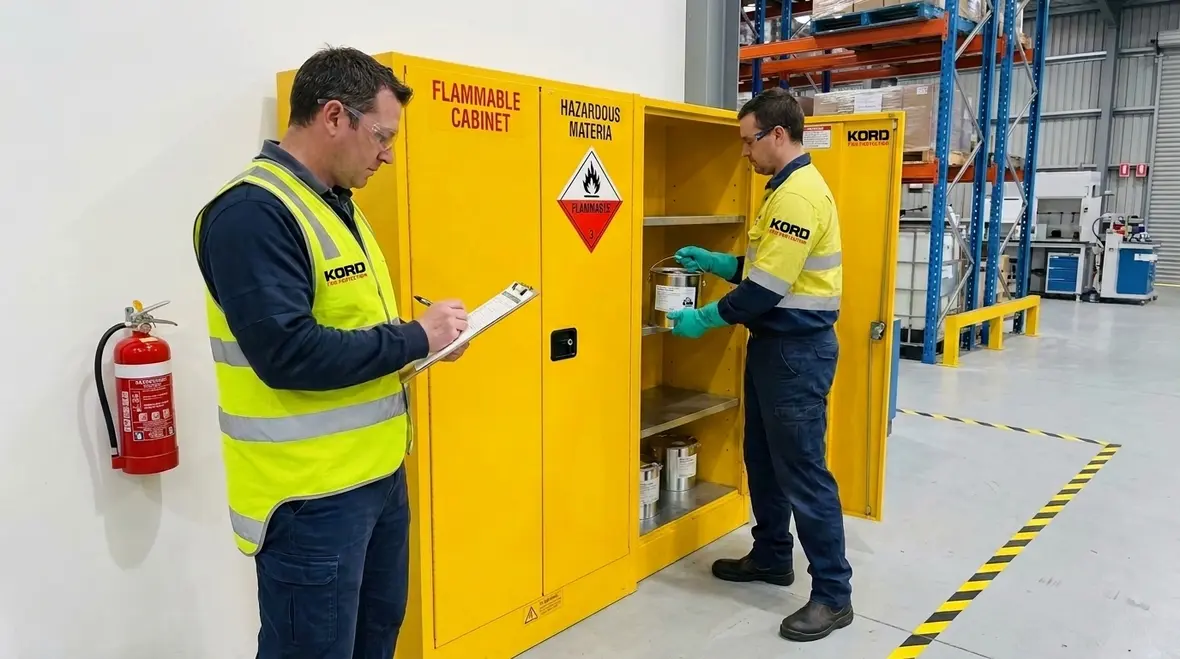
Kord Fire Protection brings deep experience in industrial fire safety and a proven track record with pyrophoric materials. Their team conducts site surveys, risk assessments, and tailored training that align with the NFPA 1 pyrophoric self-igniting materials fire safety code. They translate complex rules into practical steps, helping Australian facilities stay compliant while keeping workers calm and confident. When a project hinges on precision and reliability, a trusted partner like Kord can turn safety from a checkbox into a living program that reduces incidents and downtime.
Where a site needs stronger system alignment, Kord’s approach to fire protection for compliance and readiness can support day to day operations without making the process feel like paperwork doing cardio.
Practical Safety Measures for Industry in Australia
Australian facilities can adopt practical measures that align with the code and fit real operations. The focus is on simple, repeatable actions that work in busy environments. Some actions to consider are:
- Keep an up to date inventory of all pyrophoric materials and verify container compatibility
- Separate pyrophoric materials from incompatible goods and ensure compatible storage
- Install approved containment and surface protection to minimize ignition risk
- Establish controlled handling procedures and limit access to trained personnel
- Improve ventilation and monitor temperature zones around storage areas
- Adopt clear signage and a documented waste disposal plan for by products
- Embed periodic training and refreshers into the routine to keep skills fresh
These steps help create a safer workflow and make the NFPA 1 pyrophoric self-igniting materials fire safety code work in the real world rather than just on paper.
Why repeatable routines matter more than one-off fixes
A clean procedure that everyone follows beats a brilliant plan that only lives in a binder. Facilities that build repeatable routines usually find that inspections go smoother, staff confidence improves, and emergency response becomes less chaotic when something unusual happens.
Compliance, Training, and Documentation
Compliance is not a one time event; it is a living process. Australian inspectors and potential clients expect clear records of risk assessments, equipment maintenance, and training. The NFPA 1 pyrophoric self-igniting materials fire safety code serves as the backbone for these records, while local regulations add necessary layers of detail. Regular audits, incident reviews, and updated procedures should be built into the facility calendar. Training programs should cover ignition prevention, emergency response, and specific handling steps for each material class. When staff understand not just the what but the why, safety becomes part of the workplace culture.
Facilities reviewing audit readiness may also benefit from connected risk reviews, especially where ignition sources overlap with plant systems and electrical infrastructure. That kind of joined-up thinking tends to prevent the classic “we assumed someone else checked it” moment.
Implementation Steps for Australian Facilities
Implementing these requirements in a practical way involves a staged approach. The following steps help translate policy into action across industrial, retail, and commercial sites in Australia.
- Conduct a comprehensive site survey to identify all pyrophoric materials and potential ignition sources
- Develop a risk management plan that aligns with NFPA 1 and local regulations
- Install or upgrade containment, labeling, and ventilation systems as needed
- Train staff with role specific programs and run regular drills
- Document procedures and maintain an ongoing compliance file for audits
- Review and update risk controls after any incident or material change
Column A focuses on the physical and inventory side of safety, while Column B centers on emergency readiness and drills. Column A Inventory and Site Controls include list management, container compatibility and storage zoning. Column B Emergency Response covers alarm systems, evacuation routes, and practice scenarios. Together they form a balanced, two pillar approach to pyrophoric safety.
Column A: Inventory and Site Controls
- Material inventories and updates
- Container compatibility checks
- Storage zoning and segregation
- Ventilation and containment review
Column B: Emergency Response
- Alarm and notification readiness
- Evacuation route verification
- Drill planning and practice
- Post-incident review steps
FAQ
Conclusion and Call to Action
Facilities across Australia can turn the NFPA 1 pyrophoric self-igniting materials fire safety code into a reliable, practical safety program. By combining solid risk assessments, proper storage, and strong training with a trusted partner like Kord Fire Protection, organizations protect workers, protect assets, and keep operations moving smoothly. Reach out today to start a tailored assessment and build a durable safety plan that stands up to audits and real life risk.

Join Our Newsletter!
Get the latest fire safety tips delivered straight to your inbox From our Newsletter.