NFPA 1 LP Gas Propane Vehicle Fire Code Guide
Quick Answer
NFPA 1 LP Gas propane vehicular transportation fire code outlines essential safety rules for the storage, handling, fueling and transport of propane powered vehicles. This article covers key requirements, practical steps for compliance, and explains how Kord Fire Protection can be a trusted partner for Australian facilities working with propane fleets.
Facilities that need broader code-focused support can also explore NFPA codes and guidelines solutions for fire protection and life safety to connect this propane topic to the wider compliance picture.
Introduction
In the world of industrial gas transport, the NFPA 1 LP Gas propane vehicular transportation fire code provides a sturdy safety backbone. The code covers the full lifecycle of propane fleets from how tanks are stored to the process of fueling and the design of vehicles. For Australian facilities that manage propane fleets, adherence to these standards lowers fire risk, protects workers and keeps operations on track. Kord Fire Protection emerges as a vital partner in this effort, offering audits, training and on the ground support to keep every link in the chain secure and compliant.
Where sites need more hands on system support, Kord Fire Protection also offers commercial fire suppression systems and services, which fits naturally into propane risk planning where quick control and reliable protection matter.
Understanding the NFPA 1 LP Gas propane vehicular transportation fire code
The code sets the benchmarks for safety practices around propane fueled vehicles and mobile storage. It outlines requirements for container integrity, venting, pressure relief, and safe fueling procedures. It also describes how, where and when to separate LP Gas equipment from ignition sources and how to respond when a release occurs. For operations in Australia this framework guides risk assessments and informs local procedures while aligning with international best practice. By following the code operators reduce the chance of leaks, fires and injuries and increase the reliability of their propane driven services.
What the code is really trying to do
At its core, the code is about reducing the odds that a small propane issue turns into a very bad day. It pushes operations toward stronger tank condition checks, safer fueling habits, better emergency preparedness and clearer boundaries between fuel systems and ignition sources. Not exactly glamorous, but incredibly useful when the goal is getting everyone home safely.
Operational safety and best practices for propane fleets
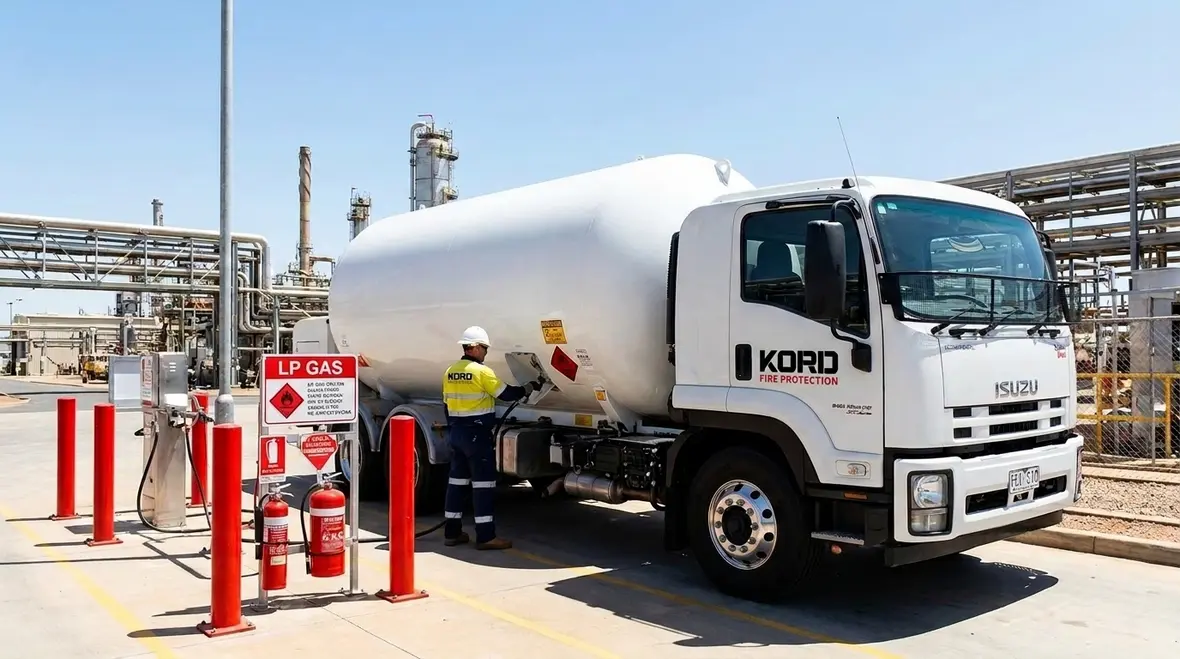
Daily routines and long term planning must work in harmony. Regular inspections of cylinders, hoses and fittings are a must, and every fueling station should carry clear emergency procedures. Maintenance logs become living documents that regulators and internal teams rely on. Training programs should cover gas detection, shut off procedures and basic fire suppression options. When a fault is found the correct action is to isolate the equipment promptly and notify qualified personnel. In addition, clear signage and restricted access to storage and fueling areas help prevent accidents. The aim is steady operations with a calm confidence that the momentary challenge will be handled safely. That mindset keeps teams moving and customers satisfied.
Left Column Code Implications
- Clear guidelines for tank integrity and venting.
- Procedures for fueling that minimize ignition risk.
- Documentation that records inspections, training and incident reviews.
- Regular audits that verify compliance and drive continuous improvement.
- Safety rules extend to transport routes and storage locations to reduce exposure and risk.
Right Column Operational Benefits
- Fewer leaks and near misses lead to lower insurance costs and less downtime.
- Staff confidence grows through solid training and clear procedures.
- Regulatory alignment simplifies third party inspections and transport approvals.
- Overall fleet reliability improves while safety remains the top priority for every shift.
Kord Fire Protection partnership as a safety anchor
Kord Fire Protection offers expertise that complements the NFPA code framework. Their services span safety audits, risk assessments and program development for LP Gas handling and vehicle transportation. The team provides training tailored to industrial sites in Australia and helps translate code requirements into practical procedures. With Kord as a partner, facilities gain a trusted consultant who can review equipment, verify that controls are in place and support with emergency planning. This collaboration makes safety a live ongoing practice rather than a checkbox exercise. In short, Kord Fire Protection can become a vital partner for fleets that rely on propane in their operations.
Implementation steps for Australian facilities
- First a gap analysis identifies where current practices diverge from the NFPA standard.
- Next a practical improvement plan is created covering storage, ventilation, signaling and fueling.
- Then staff receive targeted training and drills, with documentation that keeps records up to date.
- Equipment upgrades may include better valves, leak detectors and portable extinguishers suitable for propane fires.
- Finally periodic audits ensure the system stays aligned with the code and evolving local requirements.
The approach blends clear guidance with hands on support so that compliance translates into safer everyday operations.
FAQ
Conclusion and call to action
For Australian facilities working with propane fleets a strong safety program built on NFPA 1 LP Gas propane vehicular transportation fire code is essential. Kord Fire Protection stands ready to guide, verify and improve safety measures so operations stay efficient and compliant. Reach out to discuss how they can tailor a plan for your site and fleet today.

Join Our Newsletter!
Get the latest fire safety tips delivered straight to your inbox From our Newsletter.