NFPA 1 Compressed Gas Fire Safety Compliance
Quick Answer
NFPA 1 Section 63.1 sets general fire safety rules for handling compressed gases in workplaces. It covers storage, labeling, ventilation, and training. Kord Fire Protection can be a vital partner by auditing sites, installing compliant systems, delivering training, and providing emergency response planning across industrial, retail, and commercial facilities in Australia.
Introduction
In busy industrial settings across Australia, compressed gases bring both utility and risk. The NFPA 1 compressed gases general fire safety provisions provide the baseline for safe handling, storage, and emergency response. This guidance helps plants, labs, and warehouses prevent leaks, fires, and accidents that can escalate quickly. The topic is broad yet essential, touching ventilation, segregation, labeling, and training. The rest of this article explores how Section 63.1 guides facilities toward safer operations and how a trusted partner can help achieve compliance without slowing production down. By pairing clear policies with practical steps, businesses stay compliant and safer for workers and customers alike.
For teams reviewing broader prevention strategy, Kord also offers a useful guide to NFPA 1 fire prevention and safety requirements. Facilities comparing gas-based protection options may also find Kord’s overview of gas safety and fire protection systems helpful when planning next steps.
What NFPA 1 Section 63.1 Covers
Section 63.1 outlines general requirements for compressed gas systems, including design, storage, handling, and inspection. It emphasizes safe cylinder storage, proper venting, and access control. It also calls for training, permit systems, and documentation to ensure everyone knows how to respond to leaks or fires.
NFPA 1 compressed gases general fire safety provisions in practice
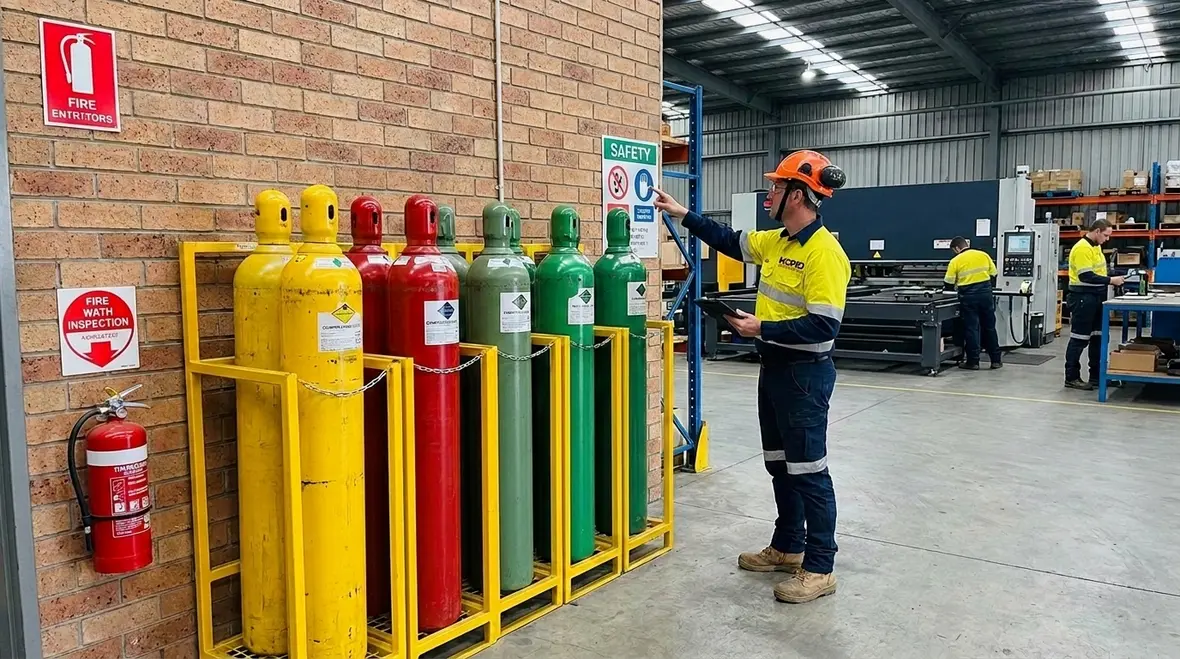
The provisions aim to reduce risk at the source. In practice, this means dedicated storage areas away from ignition sources, secured cylinders with valve protection, and compatible shelving. It also means labeling and color coding, routine inspections, and clear procedures for moving and using cylinders. When people know the rules, a leak becomes an alarm, not a disaster. And yes, humor helps, but not during a gas leak.
Key Provisions for Compressed Gases
Key provisions include
- Storage and segregation by gas type and hazard class
- Ventilation and gas detection in areas where gases are used or stored
- Proper cylinder handling, securing, and valve protection
- Labeling, signage, and documentation
- Training and ongoing drills for staff
- Inspection, maintenance, and permit controls
Compliance in Industrial Settings Across Australia
Facilities in manufacturing, warehousing, labs, and retail environments benefit from consistent application of these rules. Across Australia, operations respond to local regulations while aligning with NFPA 1 general fire safety provisions for compressed gases. Because many sites use complex gas inventories and varying equipment, a steady plan matters. The aim is to reduce risk while keeping operations efficient. Kord Fire Protection understands this balance and helps teams stay on target.
Kord Fire Protection Partnership
Kord Fire Protection brings field experience across Australian industries. They offer audits, system design, installation, training, and emergency planning aligned with NFPA 1. They work with facilities managers to tailor programs to plant size, gas types, and risk profiles. The team explains codes in plain terms and delivers results on time, not excuses. They translate complex standards into practical actions, making compliance manageable, not a mystery.
Where gas safety planning connects with suppression strategy
Some facilities also need protection measures that go beyond storage and handling controls. In those cases, related resources such as CO2 fire suppression safety requirements or inert gas fire suppression planning can help teams understand how hazard control and suppression design fit together.
Implementation Steps
- Conduct a site assessment of compressed gas usage, storage, and emergency readiness
- Identify gaps between current practices and NFPA 1 63.1 requirements
- Develop a compliant plan for storage, ventilation, labeling, and training
- Install or retrofit equipment and signage as needed
- Provide staff training and drills and establish a documentation system
- Perform periodic audits and update procedures as gas inventories change
- Emergency contact and response plan in place
- Up to date inventories and MSDS on site
- Verified ventilation and gas detection coverage
- Secure storage and proper labeling completed
Frequently Asked Questions
Conclusion
Partnering with Kord Fire Protection ensures compressed gas operations align with NFPA 1 Section 63.1 requirements while keeping workers safe and facilities productive. Kord offers site assessments, system design, installation, targeted training, and ongoing audits across Australia’s industrial, retail, and commercial sectors. With practical plans, clear reporting, and hands on support, compliance becomes a workflow, not a hurdle. Contact Kord Fire Protection today to build a resilient gas safety program that protects people, property, and performance.

Join Our Newsletter!
Get the latest fire safety tips delivered straight to your inbox From our Newsletter.