NFPA 1 Section 63.5 Bulk Oxygen Systems Storage Fire Code
Quick Answer
NFPA 1 Section 63.5 sets clear fire protection requirements for bulk oxygen systems storage. It covers room design, ventilation, separation from combustibles, detection and alarms, and ongoing maintenance. Following this code helps industrial sites avoid fires and injuries, while keeping operations compliant. Kord Fire Protection can be a vital partner by guiding design, installation and ongoing service to meet the NFPA 1 bulk oxygen systems storage fire code with Australian practicality.
Introduction
In industrial settings across Australia bulk oxygen is a critical asset. The NFPA 1 bulk oxygen systems storage fire code guides how oxygen is stored and protected, reducing ignition risk and oxygen enrichment hazards. Section 63.5 specifically targets bulk oxygen storage rooms, equipment and associated protection measures. While this code originates in the United States, many Australian facilities adopt it as a best practice to harmonise safety with global standards. The right partner can translate the requirements into practical, reliable solutions that keep people safe and operations running smoothly.
For facilities reviewing broader code alignment, NFPA 1 fire code guidance offers useful context before diving into storage specific details. Likewise, teams comparing suppression strategies for oxygen adjacent risk areas may find nitrogen fire suppression system support a practical companion when planning protection around critical equipment.
What NFPA 1 Section 63.5 Covers
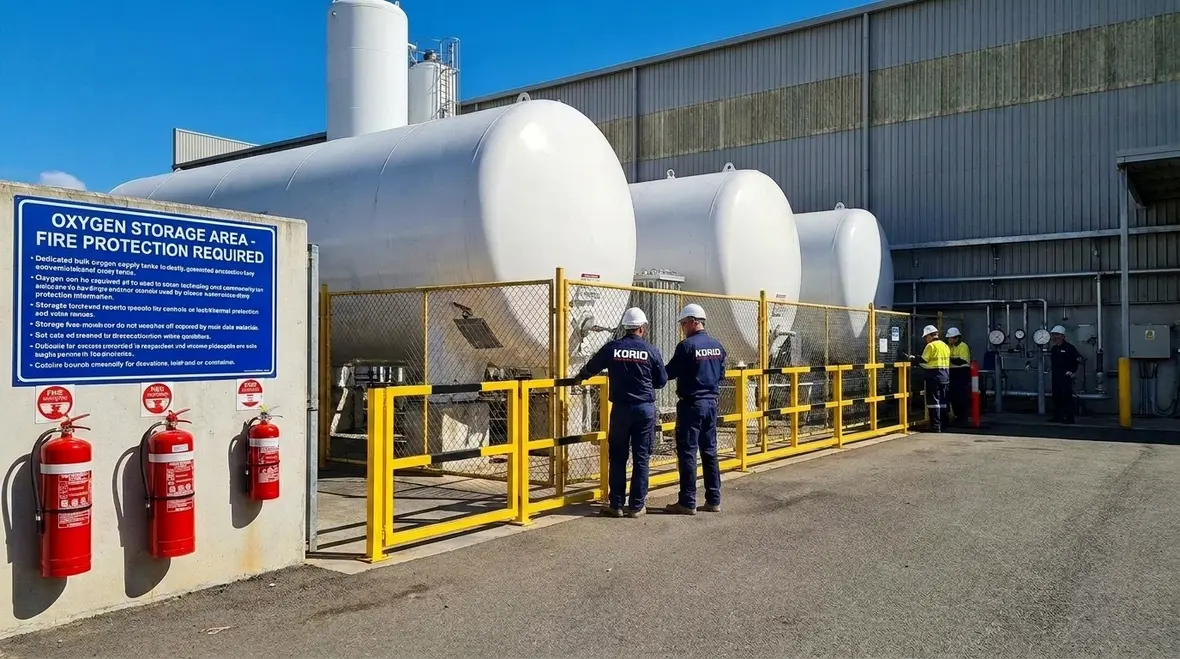
NFPA 1 Section 63.5 outlines the core protections for bulk oxygen systems storage. It calls for properly designed storage rooms with adequate ventilation, compatible materials, and careful placement away from heat sources. It also prescribes robust detection and alarm systems, clear signage and access controls, and a documented maintenance routine. In short, the section makes safety a built in feature rather than an afterthought, so a small leak does not become a big catastrophe.
Why Bulk Oxygen Storage Demands Fire Protection
Oxygen supports flames and speeds up combustion. A minor leak can rapidly transform a routine fault into a dangerous event. The NFPA 1 bulk oxygen systems storage fire code acknowledges this risk by requiring containment measures, leak detection and prompt response options. Facilities that invest in these protections experience fewer incidents, less downtime and smoother inspections. It is a steady reminder that safety is a daily practice rather than a monthly audit.
How does the NFPA 1 bulk oxygen systems storage fire code apply to Australian facilities
Australian operations benefit from NFPA 1 as a benchmark for risk reduction. Local laws still govern compliance, but using the code as a practical blueprint helps with audits, training and procurement. The approach fosters consistency across sites and suppliers. Kord Fire Protection brings that global mindset to Australian facilities, ensuring designs meet both local requirements and NFPA 1 expectations without slowing production.
Practical Steps to Compliance
- Conduct a site risk assessment focusing on bulk oxygen storage areas and potential ignition sources
- Design storage rooms with proper ventilation, material compatibility and appropriate separation from combustibles
- Install reliable gas detection, alarms and a tested ventilation system
- Provide clear signage and controlled access to storage zones
- Establish a documented maintenance schedule for inspection testing and replacement of oxygen equipment
- Prepare audit ready records and change logs to demonstrate ongoing compliance
Breaking compliance into real world priorities
The list above looks neat on paper, but real sites are rarely that polite. Ventilation has to work with the room you actually have, not the room everyone wishes was built ten years ago. Detection needs to trigger promptly, records need to stay organised, and signage needs to be obvious enough that nobody can claim they “somehow missed it.” Good compliance is practical, repeatable, and a lot less dramatic than an incident report.
Kord Fire Protection as Partner
Kord Fire Protection can lead the journey from initial risk assessment through ongoing service. Their team evaluates oxygen risks designs compliant protection systems installs gas detection and ventilation components and delivers hands on training. They bring a blend of Australian practicality and global standards making NFPA 1 bulk oxygen systems storage fire code feel achievable. With Kord at the table facilities gain confidence and continuity in safety and operations.
Column 1
- Storage room design and material compatibility with oxygen
- Efficient venting and control of oxygen enriched zones
- Safe cylinder handling rack configurations and spill containment
Column 2
- Detection and alarm integration that triggers promptly
- Automatic suppression options and manual firefighting support
- Routine maintenance testing and documentation in line with NFPA 1
Frequently Asked Questions
Take action now
Protect your facility by aligning with the NFPA 1 bulk oxygen systems storage fire code. Contact Kord Fire Protection today to schedule a risk assessment design a compliant protection plan and set up a maintenance program that keeps your operation safe compliant and running smoothly. With Kord as your partner you gain clarity confidence and a guardian for your people and assets.

Join Our Newsletter!
Get the latest fire safety tips delivered straight to your inbox From our Newsletter.