Museum Fire Suppression System With Clean Agent Protection
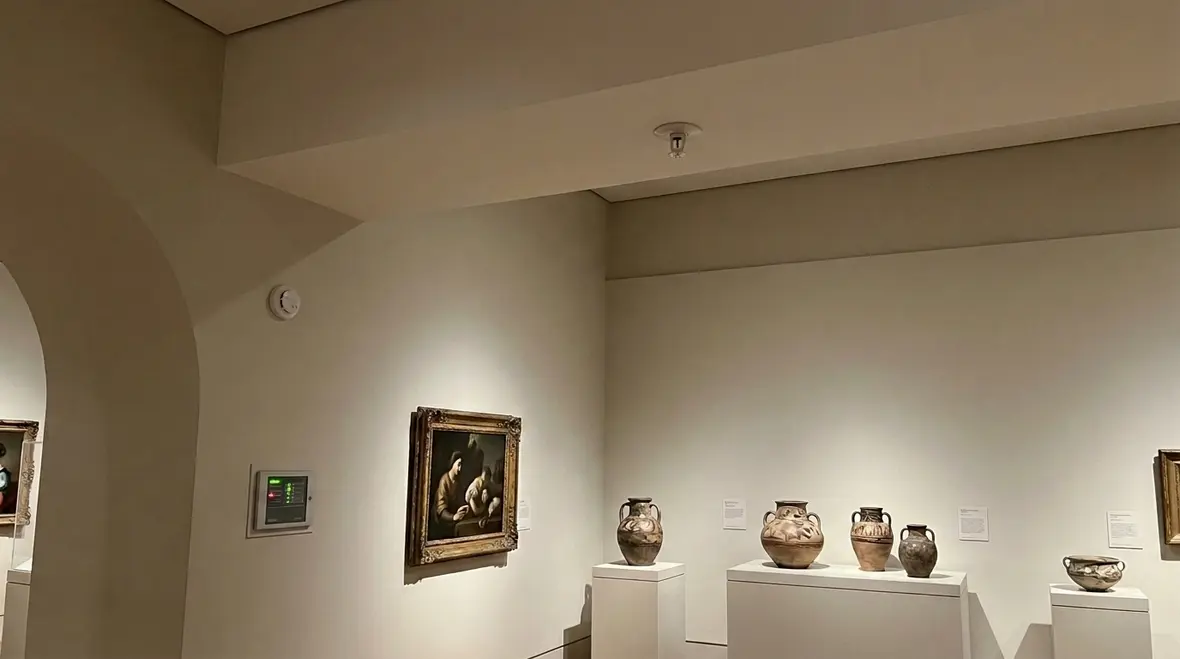
In the quiet halls of a museum, every object tells a story. Yet fire does not care about legends, provenance, or the fact that the most fragile thing in the room is usually not the visitor. That is why the museum fire suppression system exists: it helps protect art, artifacts, and paper collections by controlling fire risk with clean, fast action that reduces mess and downtime. And because archives and galleries often operate like living libraries, the protection plan must be precise, calm, and practical. In other words, it should work like a good security guard, not like a firehose at a pool party.
Why museums need clean fire suppression, not chaos
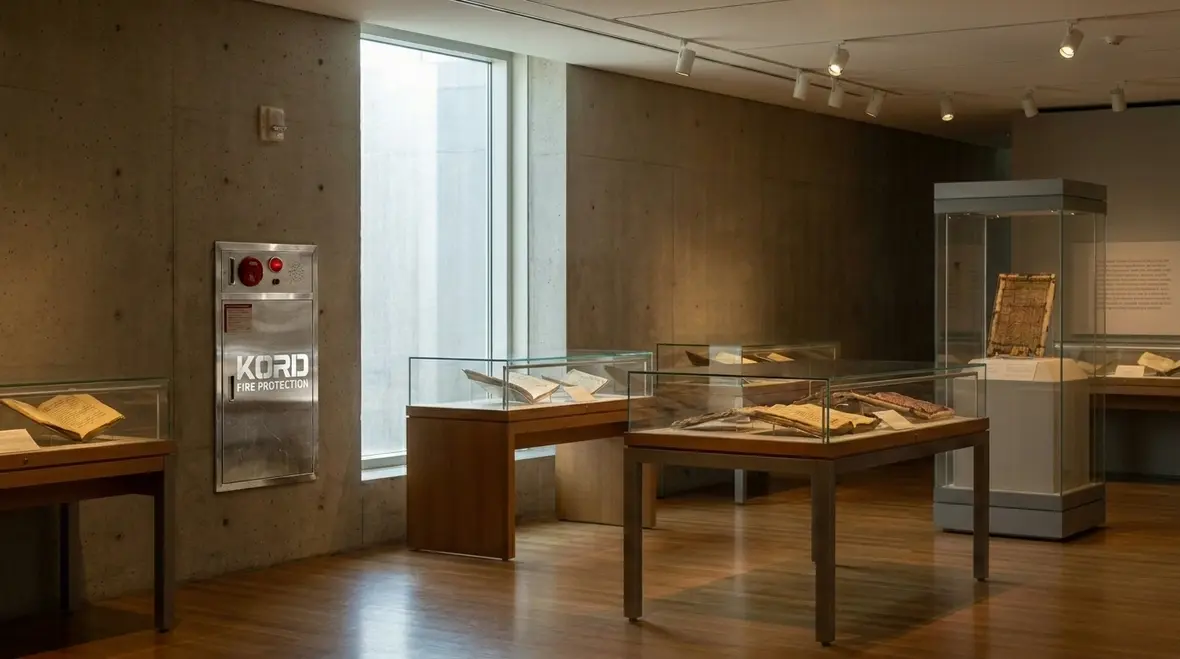
Museum curators do not budget for soot removal, warped frames, or months of drying and restoration. Fire incidents often spread in ways that surprise people. Heat can damage finishes quickly, and smoke can leave residues that cling to fabrics, wood, and inks. While sprinklers can be effective, traditional approaches may cause water damage and recovery costs that can eclipse the original loss.
Clean agent fire suppression steps in by focusing on extinguishing without leaving heavy residue. As a result, teams can protect exhibits with a solution that supports faster recovery. Also, many collections include materials that react poorly to water and condensation. Therefore, a well planned museum fire suppression system helps maintain both safety and preservation goals. Fire protection becomes a way to protect history, not just to stop flames.
Clean agents support preservation goals
That distinction matters more in museums than almost anywhere else. When a single room may hold framed paintings, antique textiles, carved wood, manuscripts, and mixed media installations, secondary damage can become its own disaster. A suppression strategy that limits residue and moisture gives conservators a far better starting point after an incident. It is still an emergency, of course, but at least it does not become a cleanup marathon with a side quest in salvage triage.
How clean agents protect artifacts while limiting damage
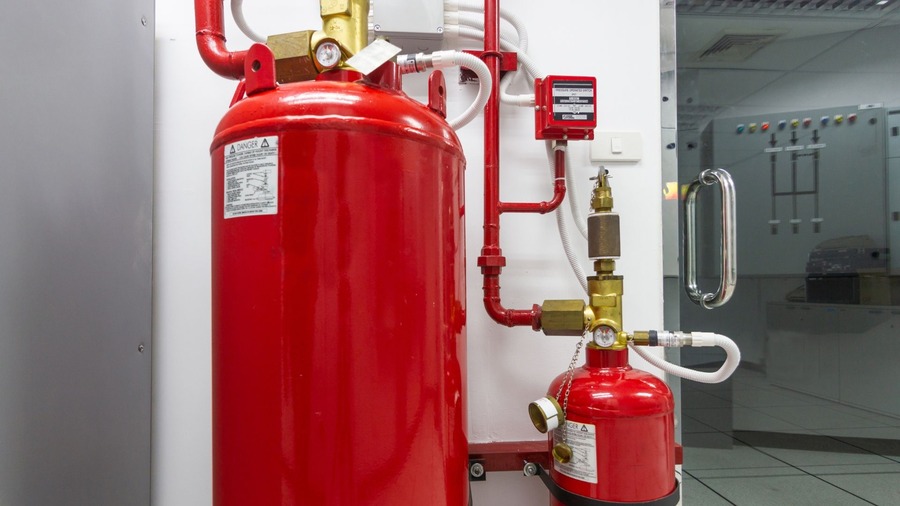
Clean agent systems work by interrupting the fire process. They release during a confirmed fire condition, then help reduce the ability of the fire to keep burning. Because the approach targets suppression quickly, it can limit the time an incident has to grow. In addition, the agent tends to leave less cleanup than many conventional methods, which matters when collections cannot simply be moved to another building like a set of chairs.
However, good results require more than just the technology. Teams must match the agent type and design to the space. They also must coordinate with the building layout, ceiling height, and room usage patterns. For example, a gallery with high ceilings may need different distribution planning than a compact archive vault. Similarly, a workshop storage room behaves differently than a reading room with controlled HVAC cycles. In short, clean agent protection performs best when it fits the building, not when it just gets installed.
Kord Fire Protection’s clean agent fire suppression services emphasize exactly that kind of tailored planning for spaces where water could damage high value assets, and their guidance on clean agent fire suppression for critical equipment mirrors the same need for fast suppression with minimal residue.
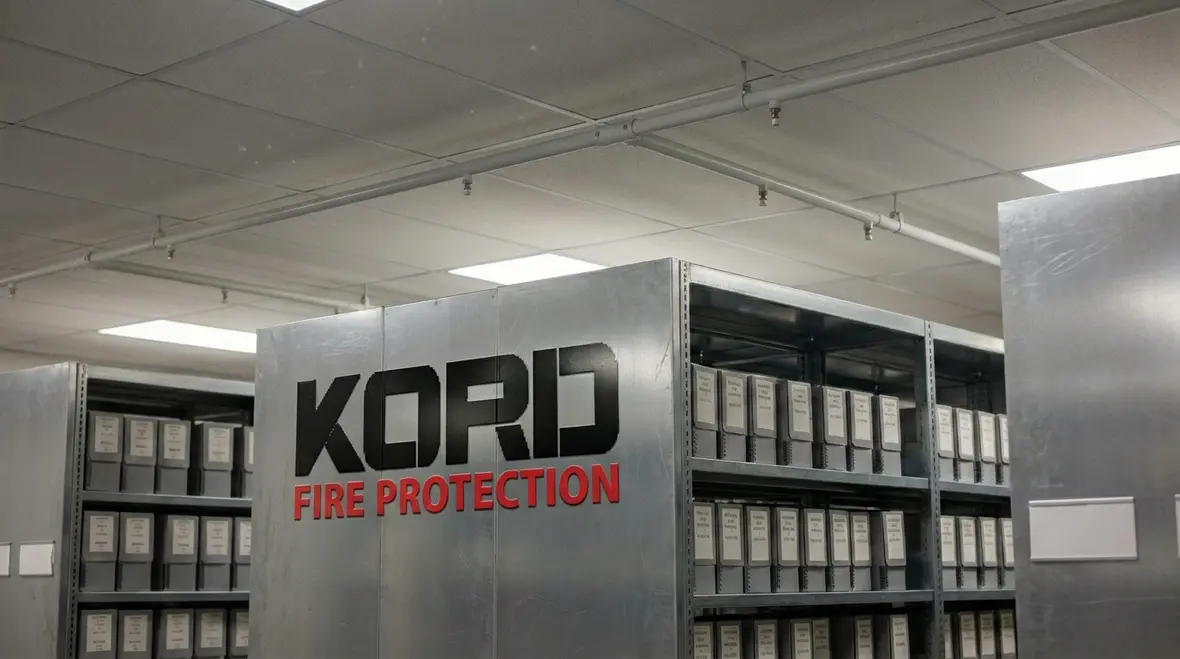
Matching the system to the room
A museum is rarely one simple room with one simple hazard. Public galleries, storage vaults, loading areas, conservation labs, and back of house electrical spaces all behave differently under fire conditions. That is why design teams cannot treat the whole property like one big identical box. Distribution, detection, and hold time have to respect how each area is actually used. Otherwise, the system may look great on paper and feel very disappointing when reality shows up.
Key design steps for galleries and archive spaces
When a museum chooses a clean approach, the design process should follow a clear path. First, the protection team assesses fire hazards by category: flammable liquids, electrical sources, display materials, and storage density. Then they map risk by location, since one wing might host modern exhibit lighting, while another holds tightly packed paper and textiles.
Next, they evaluate detection. Smoke detection, heat detection, and other sensors must align with how the space behaves. For instance, archive rooms often run long periods with low airflow, so detection strategies must avoid nuisance alarms. At the same time, detection must still act fast enough to keep the fire small. After detection, designers review agent coverage, including nozzle locations and airflow conditions. Finally, they document the system so staff can respond without confusion.
Meanwhile, the best plans include testing and training. People often forget that a system is only as good as the team using it. A well rehearsed response turns an emergency from panic into procedure. And yes, that matters because humans panic faster than fire does, most of the time.
- Assess hazards by room type and collection category
- Coordinate detection with HVAC behavior and occupancy patterns
- Confirm nozzle coverage and enclosure performance
- Document procedures so staff know what happens before, during, and after discharge
- Train teams often enough that response feels familiar instead of theatrical
For museums that want to understand the standards side of this work, Kord’s article on the clean agent standard for fire suppression systems explains how design, testing, occupant safety, and performance expectations connect in sensitive environments.
Where Kord Fire Protection fits as a vital partner
Clean systems protect the collection, but strong partnerships protect the outcome. Kord Fire Protection can become a vital partner because museums require more than equipment. They need a service model that supports inspection schedules, response readiness, and long term reliability.
In practice, that means Kord Fire Protection teams help align suppression performance with museum operations. They coordinate installation details, verify system performance, and help manage ongoing service needs so the museum does not drift into risk by accident. In addition, they can support documentation, staff awareness, and compliance planning. That matters in facilities where permits, life safety reviews, and insurance requirements change over time.
Just as important, Kord Fire Protection understands that downtime is expensive. Therefore, maintenance and testing should be planned to limit disruption. The goal is steady protection with minimal interruption to exhibit schedules, research access, and special events. When a partner behaves like a member of the staff, not like a visitor, the museum gets safer and calmer.
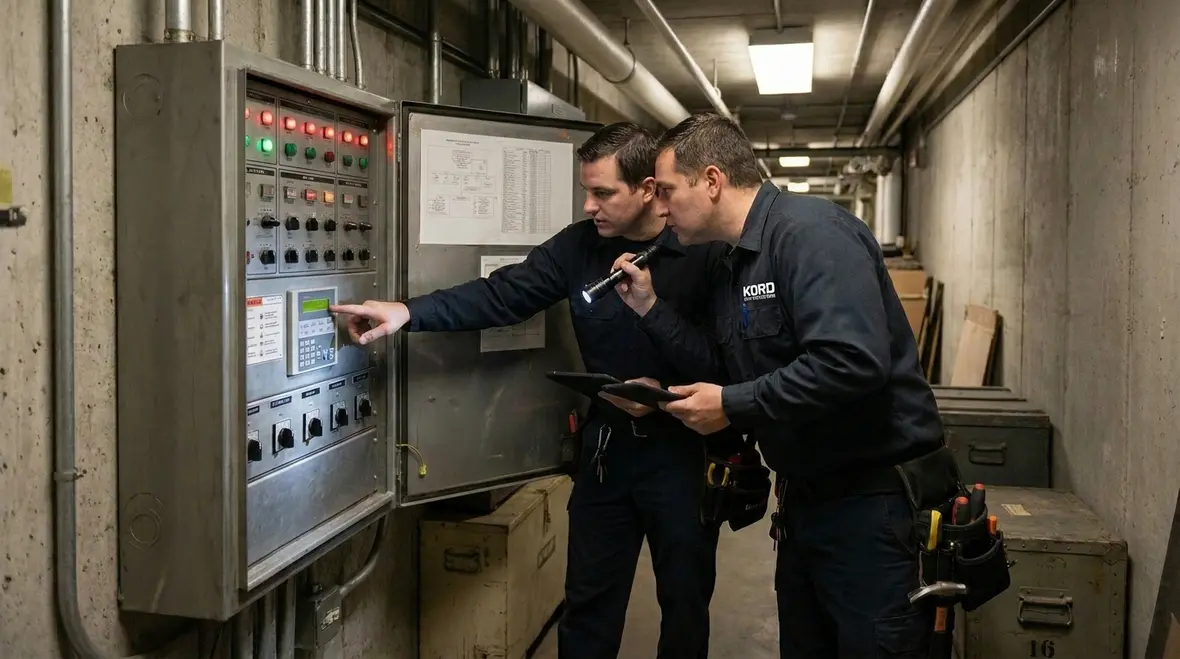
Reducing false alarms while keeping response fast
False alarms harm safety culture. Visitors lose trust, staff ignore alerts, and real emergencies get less attention. Museums can avoid that slide by focusing on alarm logic and operational context. Detectors should reflect dust levels, humidity, and typical room activity. Also, the system should consider how doors open and close, and how HVAC cycles affect air movement.
To keep response fast, teams should set a clear chain of actions. When a sensor triggers, the process should guide staff on what to verify, who to notify, and how to secure the area. They must also understand how the clean agent discharge sequence works and what steps come before and after discharge. This helps prevent chaotic scenes that would play poorly in any documentary.
Moreover, ongoing testing and maintenance help keep the system accurate. Over time, sensors can drift and equipment can age. Therefore, scheduled checks protect both detection quality and suppression readiness. In short, clean protection works best when the museum treats it like a living system, not a box on a ceiling.
Operational discipline makes the technology better
The smartest equipment in the world still depends on human habits. Staff should know evacuation roles, alarm verification steps, and who has authority to coordinate the response. Security, facilities, collections, and leadership all need the same playbook. If one team thinks the drill is a nuisance while another thinks it is a mystery, the system has already been given more drama than it deserves.
Maintenance, compliance, and long term readiness
Clean agent systems require careful upkeep. Museums should track inspections, service events, and documentation. They should also maintain records that show system checks and any changes to the building. If a museum reconfigures a gallery, adds new exhibit materials, or upgrades electrical equipment, the fire protection plan may need review. New LED displays might sound harmless, but electrical loads and mounting materials still affect risk.
Additionally, museums should plan for staff turnover. Each new security lead, facilities manager, or curator needs quick onboarding. That reduces the chance that the system becomes “someone else’s job.” A steady process also helps when auditors arrive, because the museum can show how it maintains the museum fire suppression system and keeps readiness current.
With Kord Fire Protection as a partner, museums can build a reliable service rhythm. That includes verifying performance, coordinating compliance needs, and helping teams respond with confidence. Over time, readiness becomes routine, and routine feels boring. And boring, in fire protection, is a compliment.
Near the end of any planning conversation, it also helps to connect suppression strategy to broader service support. Kord’s main fire suppression page and its dedicated clean agent fire suppression service page are strong next steps for facilities that want practical guidance, inspections, upgrades, or a tailored site review.

FAQ
Conclusion: secure the next exhibit season with confidence
Clean agent protection supports the mission of museums and archives by reducing residue, limiting disruption, and helping safeguard irreplaceable collections. Yet the real win comes from smart design, careful maintenance, and a partner that keeps the system reliable. Kord Fire Protection can help a museum plan for readiness, service, and compliance without turning emergencies into guesswork.
If the museum wants calmer halls and safer storage, it should explore fire suppression services or request support through Kord Fire Protection’s clean agent team now and build a protection plan that lasts. History deserves better than crossed fingers and a very optimistic mop bucket.

Join Our Newsletter!
Get the latest fire safety tips delivered straight to your inbox From our Newsletter.