How Automatic Suppression Detects Rapid Fire Growth
Imagine something straight out of an action movie: alarms blaring, smoke rising, temperatures skyrocketing… all within seconds. But instead of a chaotic hero leaping through flames in slo-mo, enter a quiet, composed system called automatic fire suppression, primed and ready to react. Before you have a chance to say, “Is someone burning toast?” this system has already sniffed out the threat with its built-in automatic fire suppression detection triggers.
These smart triggers use sensors to detect sudden temperature spikes, smoke, or gas changes—some literally faster than a sneeze in a dust storm. But how do they respond to rapid fire growth? And why should facility managers, business owners, or even the guy roasting marshmallows a little too confidently indoors (don’t try that) care?
Let’s explore the surprisingly captivating (and dare we say, explosive?) world of fire suppression, guided by the expert voices of Kord Fire Protection technicians. These folks don’t just install systems; they explain the science of fire defense like it’s a TED Talk with a hard hat.
The Calm Within the Chaos: How Detection Triggers Work
Before we decode how suppression systems react to fire outbreaks, it’s crucial to understand what kicks them off: detection triggers. These aren’t your ordinary smoke detectors that chirp at 3 a.m. for a dying battery. No, these are more like James Bond’s Q lab—brimming with intelligence, speed, and zero nonsense.
- Heat Sensors: These smart units detect rapid temperature increases, even if no visible flames are present. Think of them like the mood ring of the fire world—except way more reliable.
- Smoke Detectors: Not your grandma’s ceiling puck. These can identify changes in air particles before your eyes can spot a puff.
- Infrared and Ultraviolet Sensors: Designed to recognize invisible spectrums of light given off by flames. They’re like the Jedi of detection.
- Gas Detectors: Because chemicals love to give off signatures before things get wild. These sensors are essentially the bloodhounds of fire detection.
Once one—or all—of these automatic fire suppression detection triggers initiate, it’s go-time. The suppression system snaps into action, often in under a second. Yes, TikTok videos take longer to load.

What Happens When Fire Gets Fast and Furious?
Fire is rarely polite or predictable. Sometimes it strolls in casually, and other times it breaks down the door like it’s auditioning for a Fast & Furious sequel. Rapid fire growth—when flames escalate within seconds—requires systems that don’t just respond fast, but smart.
Kord Fire Protection technicians liken it to a Formula 1 pit crew. “The system doesn’t waste time evaluating its options. Once the signature of rapid growth is detected, the software translates it into immediate suppression deployment,” says one senior Kord technician (whose voice somehow also sounds like Morgan Freeman, coincidentally).
During rapid fire growth:
- Temperature often surges exponentially, triggering heat sensors in waves
- Smoke density increases, activating particulate and ionization sensors
- System logic maps determine whether one or multiple zones are involved
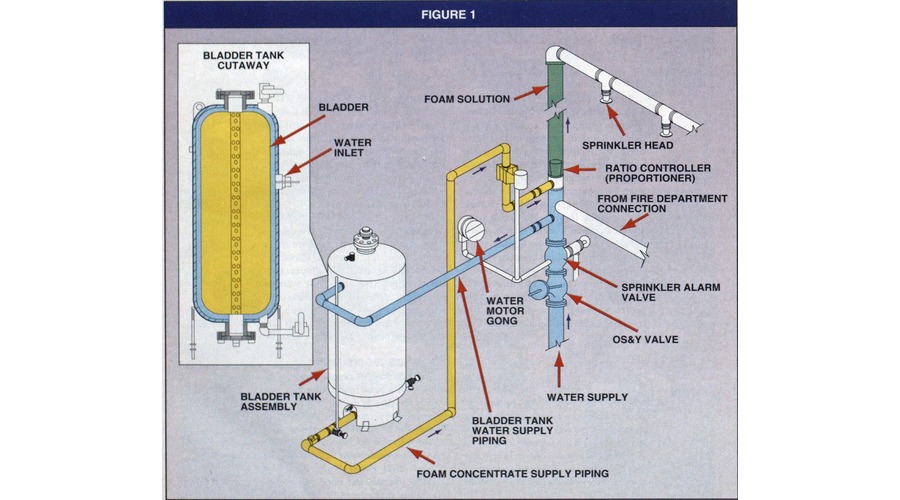
The system may decide to release inert gases, chemical suppressants like FM-200, or good old-fashioned water mist—based on what it believes will neutralize the threat most efficiently. Yes, our fire suppressors are now thinking machines. Skynet, but wholesome.
Know Your Suppression Mediums: It’s More Than Just Water
Water Mist
Light on flooding, heavy on effectiveness. Cools fire fast while using minimal H2O. Great for electrical environments. Not great for gremlins.
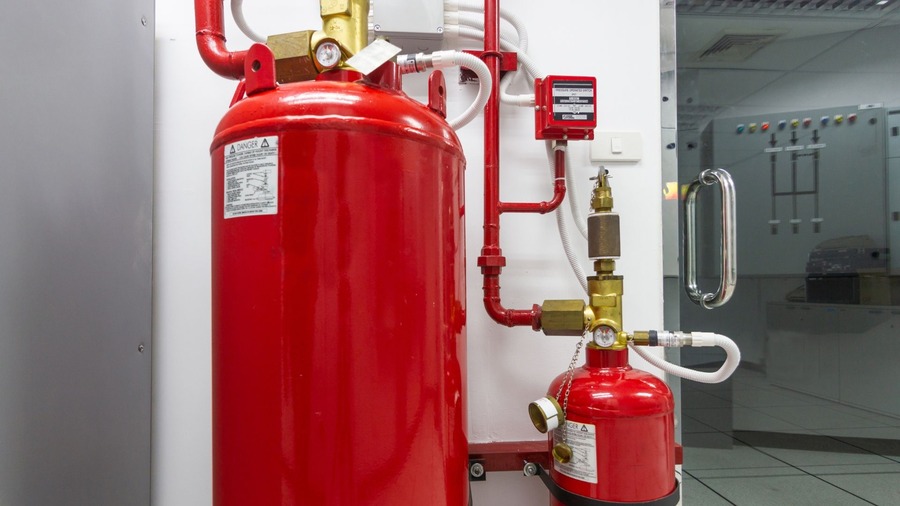
Clean Agents (Novec 1230, FM-200)
Colorless, odorless, and leaves zero residue. Perfect for data centers and museums—where fire is enemy number one, but dust is enemy number two.
Kord Fire Protection makes matched recommendations, depending on your facility’s layout, risk potential, and whether or not you store priceless comic books near heat sources. Priorities are priorities.
Speed vs. Stability: Why System Timing Is Critical
A system that’s too quick could trigger false alarms. Too slow, and we’re toasting marshmallows accidentally. The delicate balance lies in how well a system interprets data before responding, integrating logic protocols that override false positives while remaining swift enough to suppress the real deal.
Most automatic fire suppression detection systems today operate via a clean feedback loop:
- Detection inputs stream into a central processing unit
- Data is cross-verified against threat patterns
- System initiates staged response (alert, suppression, and de-escalation)
Kord Fire Protection ensures these systems are calibrated not just to respond quickly, but wisely. Imagine a firefighter with a PhD in artificial intelligence—that’s basically what we’ve built into these mechanisms.
“Set It and Forget It” Is a Lie: Why Maintenance Is Everything
Sure, automation sounds appealing. But automatic doesn’t mean immune to failure. Sensors can get dusty. Gas levels can drop. And yes, plenty of systems have sat dormant since that one time someone burned popcorn in the breakroom back in 2016.
Kord technicians emphasize regular inspections—for legal compliance and your general well-being. As they put it, “If your fire suppression system is older than your phone, it’s probably time to check if it still knows what it’s doing.”
Checks include:
- Sensor recalibration (No, they don’t auto-tune themselves)
- Gas level verification
- Nozzle alignment (Turns out, direction matters)
- Emergency override testing (Just in case you like button-mashing)
Quarterly maintenance isn’t just smart—it’s smart business. Downtime from fire-related damage isn’t just a risk; it’s a financial migraine.
Real-World Reactions: Suppression vs. Spread
In one recent warehouse incident in Columbus, Ohio, a fire originating from a faulty forklift battery was suppressed in under six seconds. The automatic suppression system triggered when high-velocity heat sensors reached their threshold. The result? A minimal insurance claim and zero TikTok footage—sorry influencers.
Kord Fire Protection showcased this case during a client Q&A, reinforcing that rapid deployment based on refined data saves more than just buildings—it protects entire business operations. Compared to manual systems, the automatic approach reduced total loss by 86%.
“You don’t stop a freight train with a speed bump. That’s why fire can’t be waited on. These systems anticipate reality before you even detect the smell of smoke,” quips one technician.
It’s Not Magic—It’s Engineering
Some might think these systems are futuristic gimmicks or “optional upgrades.” But much like seatbelts or antivirus software, you don’t need them until it’s almost too late. Fire grows exponentially. Moments matter. Automatic suppression systems aren’t just part of the solution—they ARE the solution.
Kord’s approach is based on engineering principles married to real-life data. The triggers don’t guess—they calculate. And when milliseconds matter, calculation wins every time.
If you’re imagining some sleek, high-tech vault system that releases clouds of steam while slow jazz plays, well… you’re only off by the jazz. But rest assured, it’s closer to mission control than a hardware store sprinkler system.
Insurance Companies Love You More With These Systems
Want lower premiums? Want faster claims processing? Most insurance companies practically throw parades for businesses that install verified fire suppression systems with tested detection triggers.
It means fewer claims. And fewer claims mean more love. It’s like dating, except the second date is a cheaper risk profile and better liability reduction. So romantic, right?
Kord Fire Protection provides facility documentation, assessments, and compliance breakdowns completed by certified professionals—ideal when insurers conduct audits or when the local fire inspector starts raising eyebrows.
FAQ: Automatic Fire Suppression Detection Triggers
- What is a fire suppression detection trigger?
A sensor that reacts to fire-related changes like heat, smoke, or gas, activating the suppression system. - How fast do automatic systems deploy?
Many react within seconds, providing rapid response during the critical early stages of a fire. - Do these systems require power?
Yes, but most have backup batteries or generators to function during outages. - Can I use one system for all types of fires?
Not exactly. Systems vary depending on your space—water mist, gas agents, or hybrid setups are chosen based on needs. - Do I still need fire extinguishers?
Absolutely. Suppression systems are a start, but manual tools are required for full compliance and control. - Is maintenance mandatory?
Yes, both legally and logically. Systems must be tested and recalibrated regularly.
Final Thoughts: Don’t Wait Until the Smoke Clears
If fire suppression systems are the orchestra, then detection triggers are the conductor—timing every note to perfection before the wildfire symphony begins. As rapid fire growth becomes more common due to complex electrical systems and flammable materials, relying on outdated or manual systems isn’t just risky—it’s reckless.
With the guidance of real-world engineers like the team at Kord Fire Protection, your facility isn’t just reacting to fire—it’s outsmarting it.
Take Action Before the Alarm
Don’t leave fire safety up to amateur hour. Let professionals at Kord Fire Protection evaluate your current system, recommend improvements, and install intelligent suppression triggers tailored for your space. Contact us today to protect what matters, before it’s too late. Because safety doesn’t wait—neither should you.
Know Your Weapon Before You Fight the Flame
Kord Fire Protection is your go-to when it comes to all things fire protection. For over 20 years, we’ve been serving Southern California with the quality service and equipment to keep your home or business safe at all times. Our competitive prices reflect our unwavering commitment to protecting what matters most in the event of a fire emergency. Give us a call, send an email, or use that form!

Join Our Newsletter!
Get the latest fire safety tips delivered straight to your inbox From our Newsletter.