Long Beach Fire Hydrant Testing for Commercial Properties
Fire Hydrant Testing Requirements for Long Beach Commercial Properties
In Long Beach, fire safety is not a casual suggestion. It is a regulated responsibility. Long Beach fire hydrant testing plays a central role in keeping commercial properties compliant, protected, and ready for the unexpected. Whether the building is a retail plaza, warehouse, high rise office, or industrial facility, local fire codes require routine hydrant inspections and flow testing. More importantly, lives and investments depend on it.
Kord Fire Protection technicians often explain it in simple terms. A hydrant is like a promise. It promises water, pressure, and performance when everything else goes wrong. However, that promise must be verified. And that is where proper testing, documentation, and maintenance step in with calm authority.
Understanding Local Compliance for Commercial Properties
Long Beach commercial property owners operate under California Fire Code requirements, along with city specific regulations enforced by the Long Beach Fire Department. Therefore, hydrants located on private property fall under the owner’s responsibility. That includes inspection, maintenance, and documented testing.
Typically, authorities require annual fire hydrant flow testing. However, certain properties may need more frequent evaluations based on occupancy type, water supply changes, or system upgrades. For example, high hazard facilities or buildings with fire sprinkler systems tied to private hydrants often face stricter oversight.
Kord Fire Protection technicians explain that compliance is not just about avoiding fines. It is about ensuring that firefighters can connect quickly and receive adequate water pressure without surprises. Nobody wants a hydrant that performs like an actor who forgets their lines at the worst possible moment.
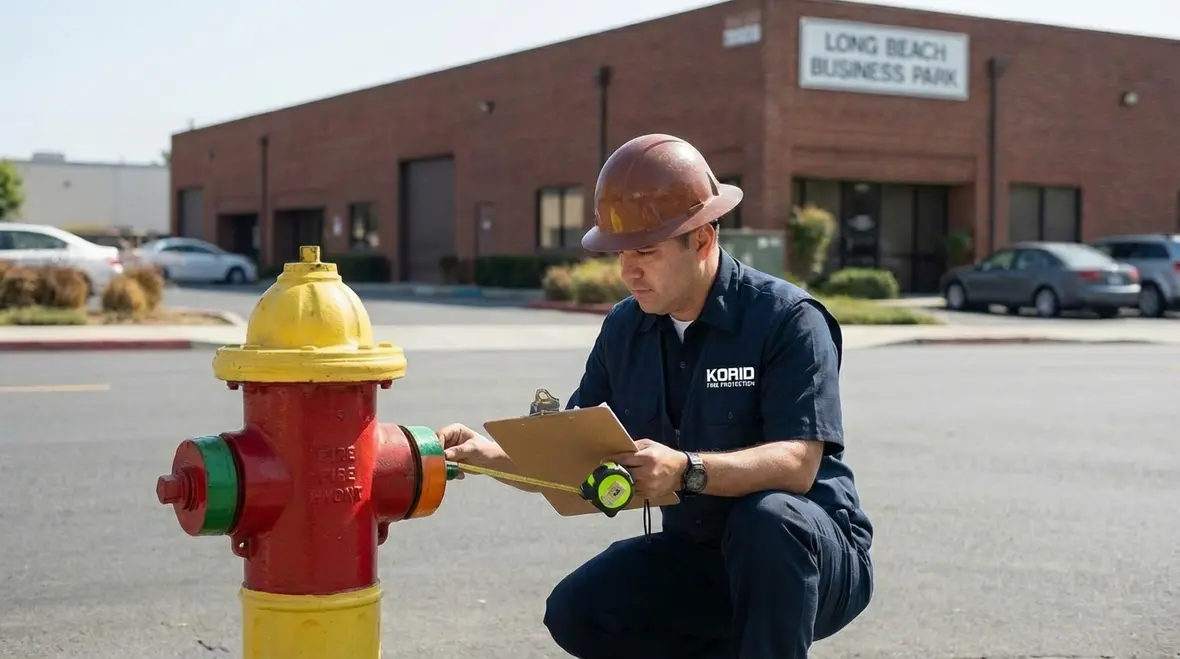
Additionally, inspectors look for:
- Clear access with no obstructions
- Proper color coding and visibility
- Operational caps and valves
- No leaks or mechanical damage
- Adequate water pressure and flow rate
Each of these factors contributes to overall system reliability. Consequently, skipping even one requirement can place a property at risk of non compliance.
For commercial owners who want a broader look at local standards, the dedicated Long Beach fire protection service page outlines how inspections, maintenance, and system testing work together across the city’s occupancies.
What Happens During a Professional Fire Hydrant Flow Test
Property managers often ask what actually occurs during a test. The answer is both technical and straightforward.
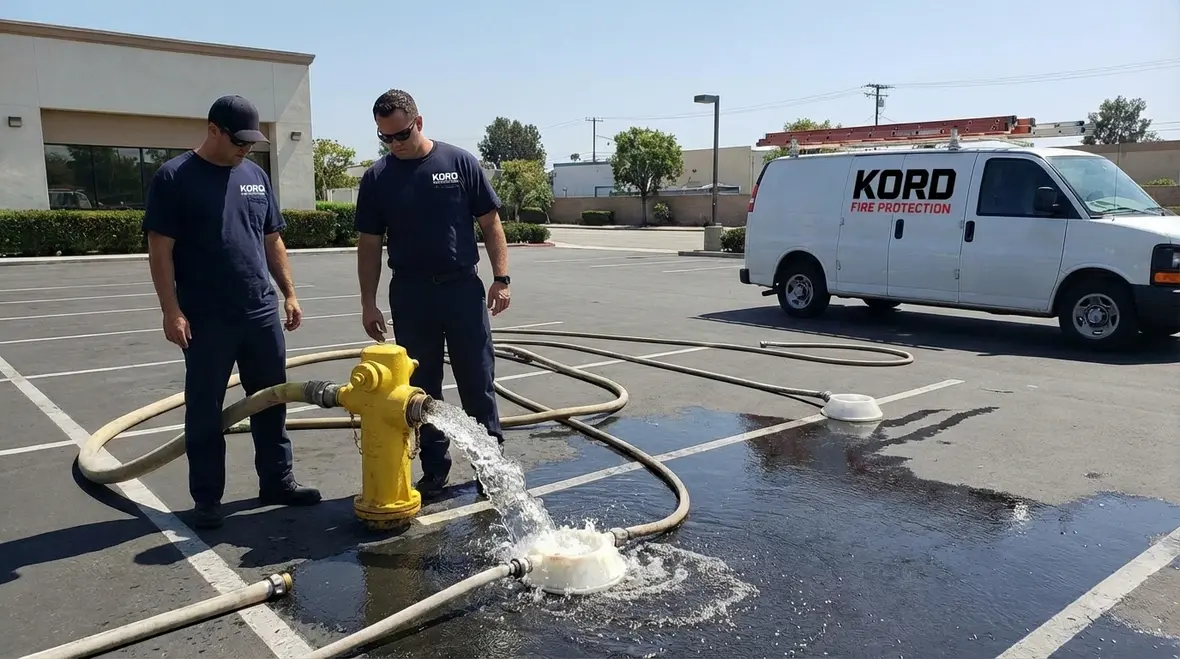
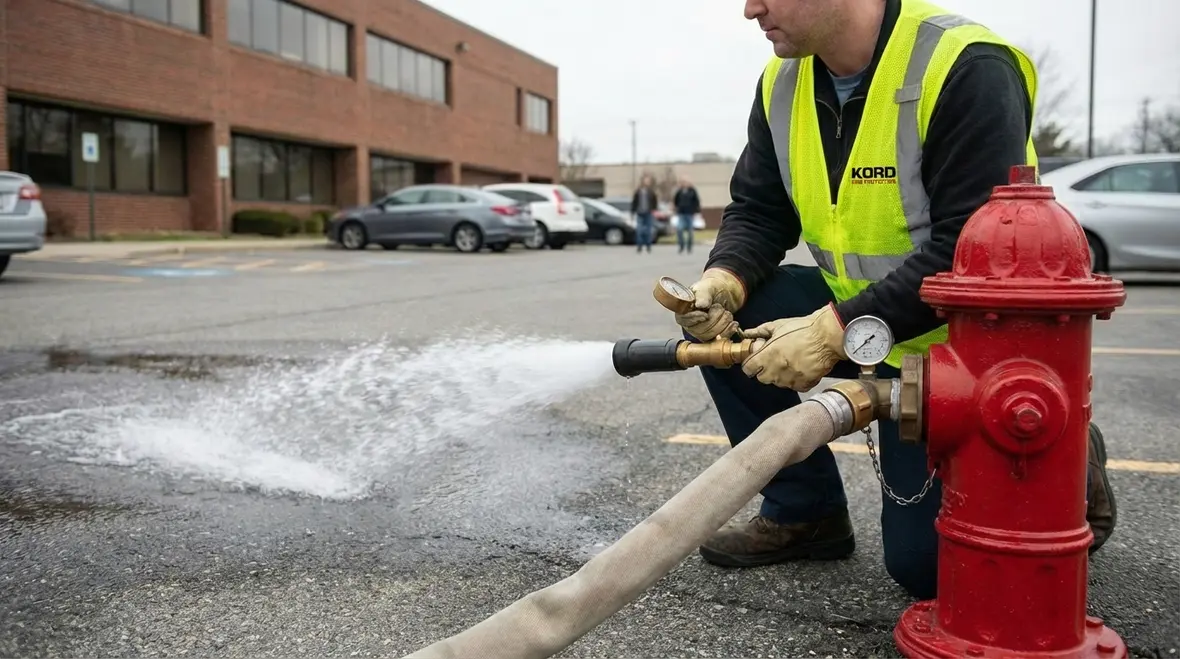
First, certified technicians inspect the hydrant’s physical condition. They check caps, threads, gaskets, and operating nuts. Next, they attach calibrated gauges to measure static pressure, residual pressure, and flow rate. Then, they open the hydrant in a controlled manner to record performance data.
Because water discharge can be powerful, professionals use diffusers or hoses to manage flow safely. This step prevents erosion, flooding, or property damage. In other words, it keeps the parking lot from turning into a surprise water park.
After testing, technicians document the results and compare them against required fire flow standards. If pressure drops too low or flow rates fail to meet expectations, corrective action follows. That may involve valve repairs, line flushing, or coordination with the local water department.
Kord Fire Protection technicians often remind clients that accurate data matters. Insurance carriers, fire marshals, and engineers rely on these numbers to confirm that fire suppression systems will function as designed.
Why Long Beach Fire Hydrant Testing Protects More Than Compliance
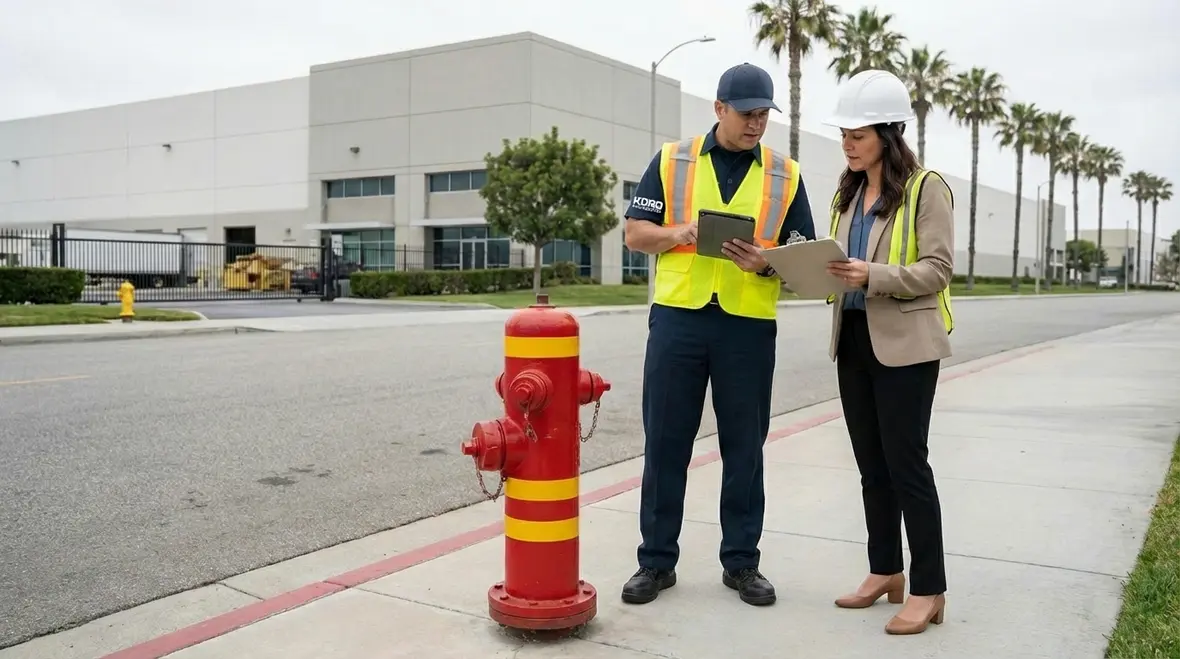
While compliance checks a regulatory box, safety extends far beyond paperwork. Long Beach fire hydrant testing protects property value, tenant confidence, and operational continuity.
For instance, commercial leases often require proof of active fire protection systems. Therefore, up to date hydrant certifications can support lease agreements and renewals. Moreover, insurers may review testing documentation when assessing risk or processing claims.
In addition, reliable hydrants directly impact sprinkler performance. Fire sprinkler systems depend on adequate water supply. If hydrant pressure drops below required thresholds, sprinklers may not deliver enough water to control a blaze effectively. That is not the kind of suspense anyone wants in real life.
Furthermore, routine testing identifies hidden issues such as underground corrosion, partially closed valves, or sediment buildup. By catching problems early, property owners avoid costly emergency repairs and business interruptions.
For facilities that rely on broader fire protection measures, Kord’s regional services — including their Long Beach, Redondo Beach, and Newport Beach fire protection offerings — show how hydrant performance ties into sprinklers, alarms, and suppression systems across Southern California properties.
How Often Should Commercial Hydrants Be Tested in Long Beach
This is the question many property managers type into search engines late at night.
In most cases, commercial fire hydrants in Long Beach require annual testing. However, frequency may increase if:
- The building undergoes renovation or expansion
- Water supply infrastructure changes
- Fire sprinkler systems are modified
- Previous tests revealed performance concerns
Additionally, after major seismic activity, re evaluation may be necessary. Given California’s relationship with earthquakes, this is not theoretical. It is practical.
Kord Fire Protection technicians typically coordinate testing schedules with property managers to ensure minimal disruption. They also maintain detailed records so owners can demonstrate compliance during inspections.
Common Issues Found During Hydrant Inspections
Even well maintained properties can develop hydrant issues over time. Exposure to weather, accidental vehicle impact, and underground corrosion all take a toll.
Some of the most common findings include:
- Stiff or inoperable operating nuts
- Damaged threads that prevent hose connection
- Leaks at valve stems or caps
- Low residual pressure during flow tests
- Improper paint or faded color coding
Because these issues often develop slowly, they may go unnoticed without formal testing. However, during an emergency, even a minor defect can delay response time. And in fire protection, seconds matter.
Technicians from Kord Fire Protection emphasize proactive maintenance. They explain that small repairs today prevent large liabilities tomorrow. It is the difference between tightening a bolt and replacing an entire assembly.
Responsibilities of Property Owners and Managers
Commercial property owners in Long Beach carry clear responsibilities. They must ensure that private hydrants remain accessible, operational, and compliant with city standards.
That includes keeping hydrants free from landscaping overgrowth, parked vehicles, or storage materials. It also involves coordinating with certified professionals for inspection and testing.
Property Owner Responsibilities
- Schedule annual inspections and flow tests
- Maintain clear access around hydrants
- Repair identified deficiencies promptly
- Retain documentation for fire department review
Certified Technician Responsibilities
- Conduct accurate pressure and flow measurements
- Inspect mechanical components thoroughly
- Provide detailed compliance reports
- Recommend corrective actions when needed
This shared effort ensures that hydrants remain reliable assets rather than overlooked hardware.
Choosing the Right Partner for Hydrant Testing Services
Not all service providers approach hydrant testing with the same level of detail. Therefore, commercial property owners should look for licensed, experienced fire protection specialists familiar with Long Beach regulations.
Kord Fire Protection technicians stand out by explaining each step in plain language. They do not hide behind jargon. Instead, they walk property managers through pressure readings, flow calculations, and compliance benchmarks. That transparency builds trust.
Moreover, experienced technicians understand local infrastructure nuances. Water supply conditions can vary across neighborhoods. Consequently, professionals who regularly perform hydrant inspections in Long Beach recognize patterns and anticipate potential concerns.
And yes, they also know how to conduct testing without turning the site into a scene from a disaster movie. Calm, controlled, and precise. Just the way fire protection should be.
FAQ About Fire Hydrant Testing in Long Beach
Secure Your Property with Professional Testing
Fire safety rewards those who act before trouble arrives. Long Beach commercial property owners who invest in regular hydrant inspections protect their tenants, assets, and reputations. Kord Fire Protection technicians bring clarity, precision, and calm confidence to every test.
Schedule professional service today, maintain compliance, and ensure that when water is needed most, it answers the call without hesitation. Because in fire protection, preparation always wins.
If your property needs more than hydrant testing, explore Kord Fire Protection’s full Long Beach fire protection service offerings. From hydrant services and fire pumps to sprinklers, extinguishers, and alarm systems, their technicians help commercial properties stay inspection ready year round.
Connect with their team to coordinate hydrant testing alongside other services, streamline documentation, and build a maintenance plan that keeps your Long Beach property quietly, confidently prepared.
Know Your Weapon Before You Fight the Flame
Kord Fire Protection is your go-to when it comes to all things fire protection. For over 20 years, we’ve been serving Southern California with the quality service and equipment to keep your home or business safe at all times. Our competitive prices reflect our unwavering commitment to protecting what matters most in the event of a fire emergency. Give us a call, send an email, or use that form!

Join Our Newsletter!
Get the latest fire safety tips delivered straight to your inbox From our Newsletter.