Lancaster Fire Suppression Systems for Facilities
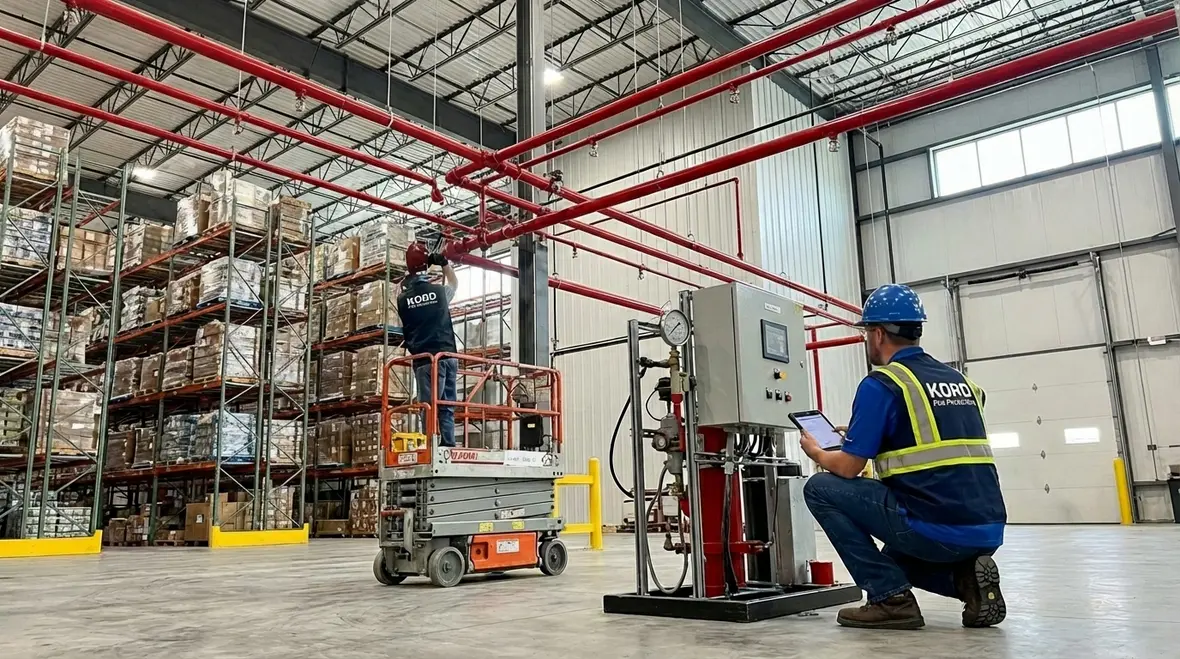
In every thriving industrial corner of Pennsylvania, safety works quietly in the background. That is especially true when it comes to Lancaster fire suppression systems. These systems do more than meet code. They protect people, equipment, and livelihoods. In manufacturing plants, food processing facilities, warehouses, and healthcare buildings, the right setup can mean the difference between a minor incident and a major loss. And when Kord Fire Protection technicians step onto a site, they do not just install equipment. They explain every valve, every panel, and every pipe with the calm confidence of someone who has seen what happens when preparation meets emergency.
What follows is a closer look at how modern fire protection works inside Lancaster facilities, why it matters, and how experienced technicians bring it all together.
The Real Role of Fire Suppression in Modern Facilities
Fire suppression is not just about spraying water and hoping for the best. Instead, it involves a carefully engineered response tailored to the risks inside a specific building. A food processing plant has very different hazards than a data center. Likewise, a manufacturing facility filled with machinery requires a different strategy than a medical office.
Because of this, Lancaster commercial fire protection systems often combine multiple components. These may include sprinklers, clean agent systems, foam systems, or pre action systems. Each one activates under specific conditions. Together, they create layers of defense.
Moreover, modern suppression systems work alongside detection technology. Heat sensors, smoke detectors, and alarm panels communicate in real time. Once a threat appears, the system responds quickly. As Kord Fire Protection technicians often explain to facility managers, speed matters. A few seconds can limit damage. A few minutes can change everything.
In other words, these systems are less like a garden hose and more like a well rehearsed emergency team. Everyone has a role. Everyone knows when to act.
How Lancaster Fire Suppression Systems Protect Different Industries
Not all facilities face the same risks. Therefore, fire protection design must reflect real world conditions. In Lancaster, industries range from agriculture and food production to advanced manufacturing and logistics. Each one demands a unique approach.
Consider the following common facility types and how suppression systems adapt:
Manufacturing Plants
These buildings often contain flammable materials, high heat equipment, and complex layouts. As a result, suppression systems may include high hazard sprinklers and foam based solutions designed to control fast spreading fires.
Food Processing Facilities
Here, cleanliness and temperature control matter just as much as fire safety. Consequently, systems must avoid contamination while still providing reliable protection. Pre action systems are often used to reduce accidental discharge.
Warehouses and Distribution Centers
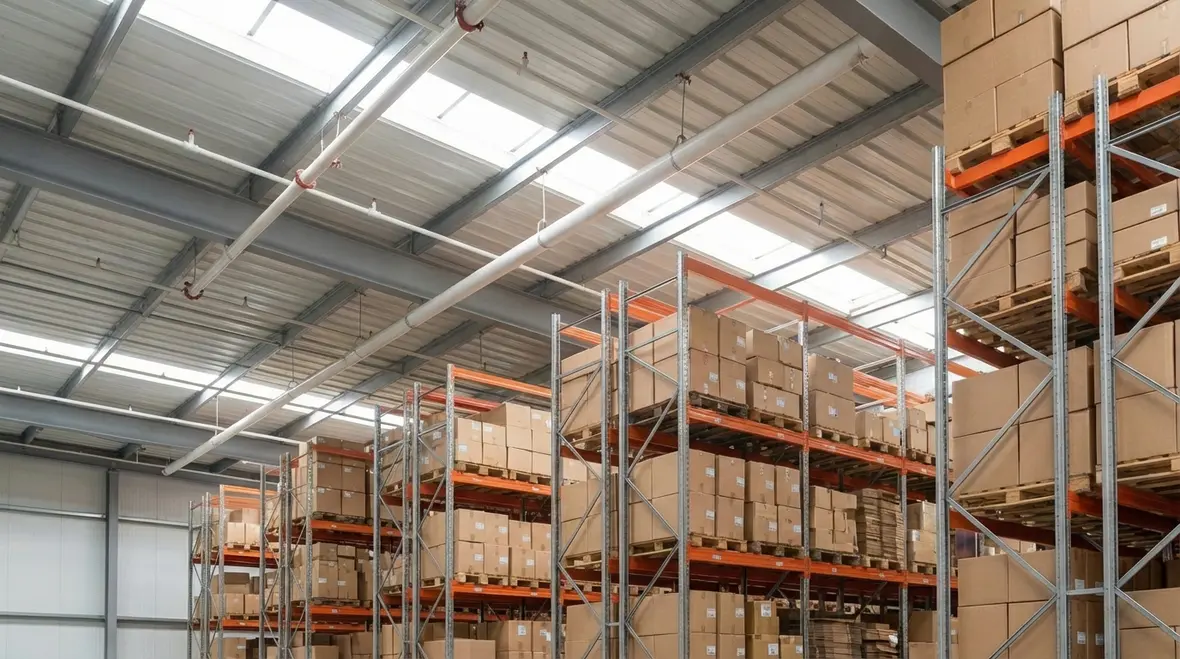
Tall storage racks create vertical fire risks. Therefore, ceiling and in rack sprinklers work together to contain flames before they travel upward.
Healthcare and Office Buildings
In these environments, occupant safety comes first. Clean agent systems may protect sensitive equipment, while traditional sprinklers safeguard common areas.
Throughout each project, Kord Fire Protection technicians walk facility leaders through these choices. They explain why one system fits better than another. They break down code requirements in plain language. And occasionally, they add a bit of humor, reminding everyone that the goal is to stop fires, not create indoor water parks.
Connecting to full-service fire protection in Lancaster
For facilities that want a broader look at local support, Kord Fire’s Lancaster Fire Protection Services overview shows how sprinklers, alarms, clean agent systems, and testing services come together to keep properties inspection ready and responsive in an emergency.
What Should a Facility Manager Ask About Fire Suppression?
When facility managers consult experts, they often wonder where to begin. The best conversations start with clear, direct questions. Then, experienced technicians provide equally clear answers.
First, managers should ask whether their current system matches their present operations. Businesses evolve. Equipment changes. Storage increases. However, older systems may not reflect those updates.
- Have we changed processes, equipment, or storage in the last few years?
- Did those changes ever trigger a fire protection review?
- Are we confident our current system still matches our hazards?
Next, they should review inspection and maintenance schedules. Even the best equipment fails without routine care. Valves can close. Sensors can drift out of calibration. Pumps can lose pressure. Therefore, regular testing ensures the system will respond when needed.
Finally, managers should confirm code compliance. Local and national fire codes shift over time. Staying current avoids fines and reduces liability. More importantly, it keeps people safe.
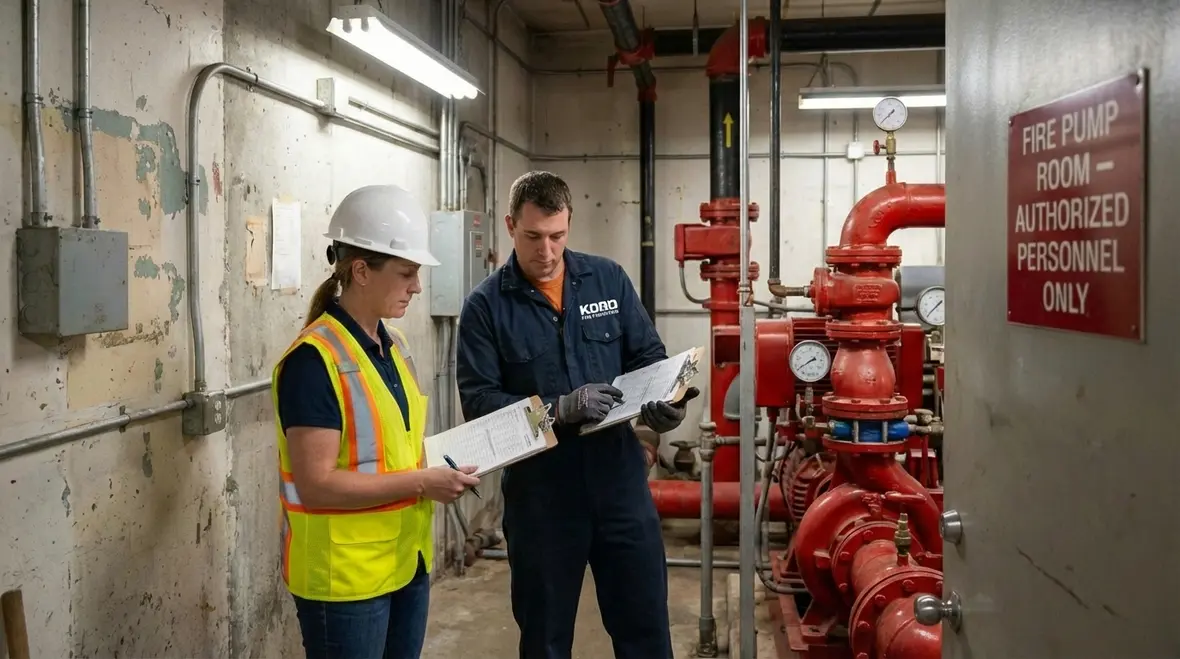
Kord Fire Protection technicians often approach these discussions like seasoned guides. They avoid jargon. They answer questions directly. And they make sure decision makers understand not just what to install, but why it matters.
Inside the Components of a Reliable Suppression System
To appreciate how Lancaster fire suppression systems function, it helps to look at their core components. Each piece plays a specific role. Together, they create a coordinated response.
Control Panels
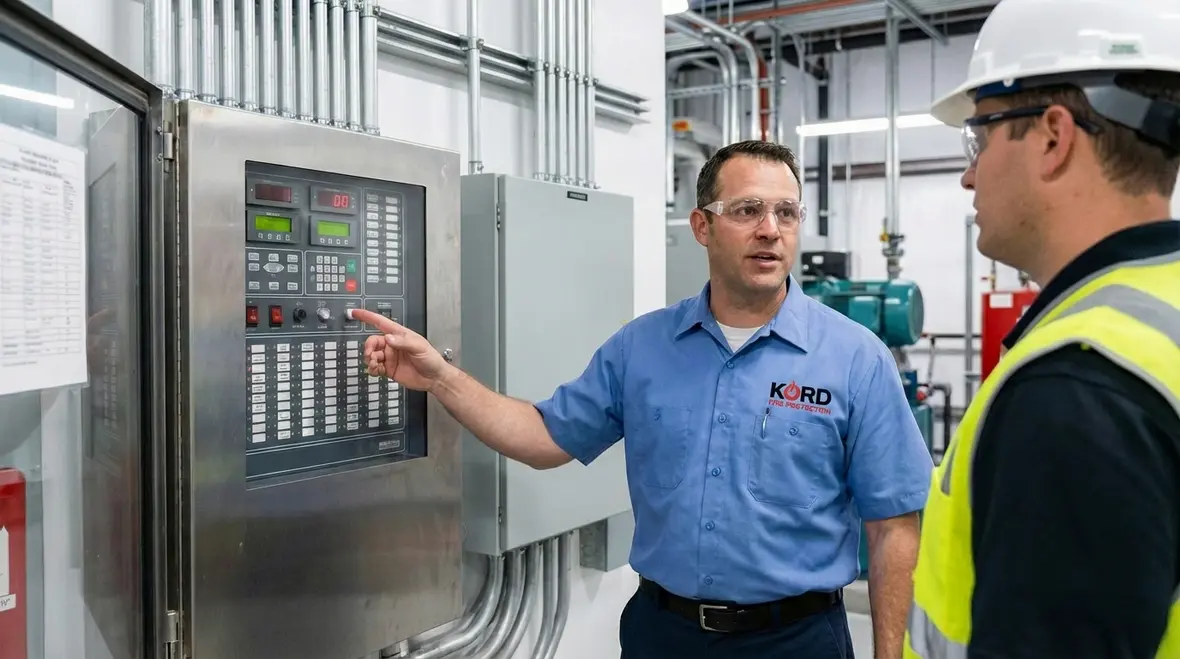
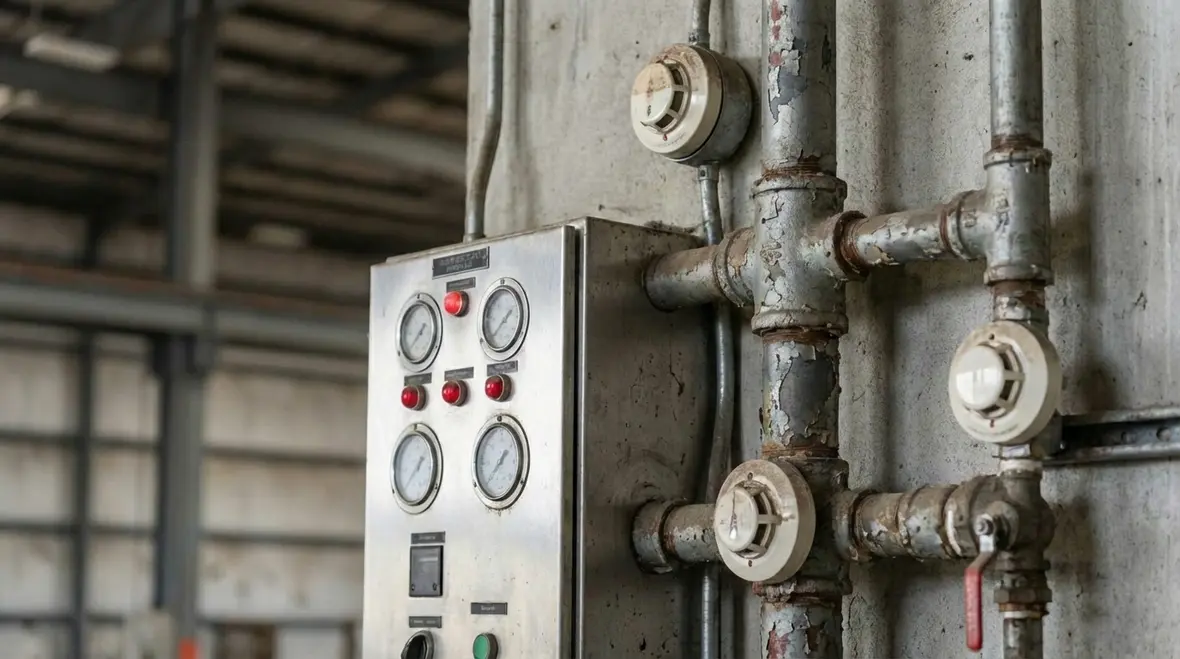
These panels act as the brain. They receive signals from detectors and activate alarms or suppression agents.
Detection Devices
Heat, smoke, and flame detectors monitor conditions constantly. Once thresholds are reached, they trigger action.
Piping Networks
Pipes distribute water or other agents throughout the facility. Their layout depends on building design and hazard level.
Suppression Agents
Water remains common. However, clean agents and foam systems serve specialized environments where water could cause damage.
Alarms and Notification Systems
These alert occupants immediately, guiding safe evacuation while suppression begins.
Although each component may seem straightforward, integration requires careful planning. Technicians calculate flow rates, pressure demands, and coverage areas. They test connections and verify communication between devices. In short, they build a system that performs under stress.
Lancaster Fire Suppression Systems and Code Compliance
Regulations do not exist to create paperwork. They exist because someone, somewhere, learned a hard lesson. Therefore, compliance with national and local codes forms the backbone of any reliable fire protection strategy.
In Lancaster facilities, this often means aligning with standards set by the National Fire Protection Association, as well as local municipal requirements. These codes define installation methods, inspection intervals, and performance criteria.
However, compliance is not a one time event. As facilities expand or change operations, systems must adapt. Adding new storage racks or upgrading machinery can shift hazard classifications. Consequently, periodic reviews become essential.
Kord Fire Protection technicians routinely conduct these evaluations. They document findings. They recommend updates. And importantly, they explain the reasoning behind every suggestion. Their approach feels less like a lecture and more like a calm conversation over coffee, albeit one about sprinklers instead of sports scores.
Balancing Safety, Cost, and Business Continuity
Every facility leader faces the same tension. Safety matters. Budgets matter too. The key lies in long term thinking.
Although installing or upgrading a system requires investment, the cost of downtime after a fire can dwarf initial expenses. Lost production, damaged inventory, and reputational harm add up quickly. Therefore, proactive protection often proves more economical over time.
Proactive Investment
- Routine inspections and upgrades
- Controlled fire damage
- Minimal downtime
- Stable insurance premiums
Reactive Recovery
- Emergency repairs and replacement
- Widespread structural loss
- Extended business closure
- Potential premium increases
When framed this way, the choice becomes clearer. As many technicians gently point out, fire suppression is not an expense. It is insurance that actively works before disaster strikes.
The Human Element Behind Every System
Technology matters. Yet people make the difference. Skilled technicians bring systems to life through careful installation and ongoing service.
Kord Fire Protection technicians emphasize education during every visit. They show staff how alarms sound. They demonstrate control panel functions. They outline what to expect during an activation. As a result, employees feel prepared rather than panicked.
Furthermore, these professionals understand the local landscape. They know Lancaster facilities. They understand common building styles and industry trends. That local insight sharpens their recommendations.
And yes, sometimes they lighten the mood. After all, discussing fire risks all day could feel heavy. A quick pop culture reference or light joke helps. Think of it as the safety briefing equivalent of a well timed cameo in a serious movie. The message stays strong, but the audience stays engaged.
Frequently Asked Questions
Secure the Future of Your Lancaster Facility
Every facility carries responsibility. Equipment can be replaced. Buildings can be rebuilt. Lives and reputations, however, demand stronger protection. With expert guidance and carefully designed systems, Lancaster businesses can operate with confidence. Kord Fire Protection technicians stand ready to assess, explain, and implement solutions tailored to each space.
Now is the time to strengthen safeguards, protect operations, and ensure that when risk appears, preparation responds first. Reach out today and build safety that lasts. If you manage facilities elsewhere in Los Angeles County and need a broader partner, explore Kord Fire’s Los Angeles County fire protection services for a full view of available support.
Ready to review your Lancaster fire suppression systems? Schedule a visit through the Lancaster Fire Protection Services page and put a local, experienced team on your side.
Know Your Weapon Before You Fight the Flame
Kord Fire Protection is your go-to when it comes to all things fire protection. For over 20 years, we’ve been serving Southern California with the quality service and equipment to keep your home or business safe at all times. Our competitive prices reflect our unwavering commitment to protecting what matters most in the event of a fire emergency. Give us a call, send an email, or use that form!

Join Our Newsletter!
Get the latest fire safety tips delivered straight to your inbox From our Newsletter.