Extinguisher Selection Guide NFPA 10 Section 5.5 for Australia
Quick Answer
NFPA 10 Section 5.5 guides businesses to choose the right extinguisher for each fire risk. Proper selection helps support compliance, protect staff, and reduce damage. For industrial, retail, and commercial sites across Australia, Extinguisher Selection should match hazards, not guesswork. Kord Fire Protection can help assess risks, choose units, and keep everything ready for audit day.
Every site has its own fire risk, and no one wants to play guess the extinguisher when smoke is already in the air. That is where Extinguisher Selection matters. NFPA 10 Section 5.5 gives a clear path for matching extinguishers to fire classes and hazard types. In practical terms, it helps businesses make smart choices for workshops, warehouses, retail floors, plant rooms, loading docks, and office spaces. For Australian facilities that want a cleaner compliance path and less room for error, this standard offers a strong starting point.
Near the top of that planning process, it also helps to connect extinguisher selection with the broader support behind it. Facilities that need practical help on the ground can naturally pair this review with full fire protection services, especially when the site includes mixed hazards, multiple work zones, or equipment that changes over time.
What NFPA 10 Section 5.5 Means in Practice
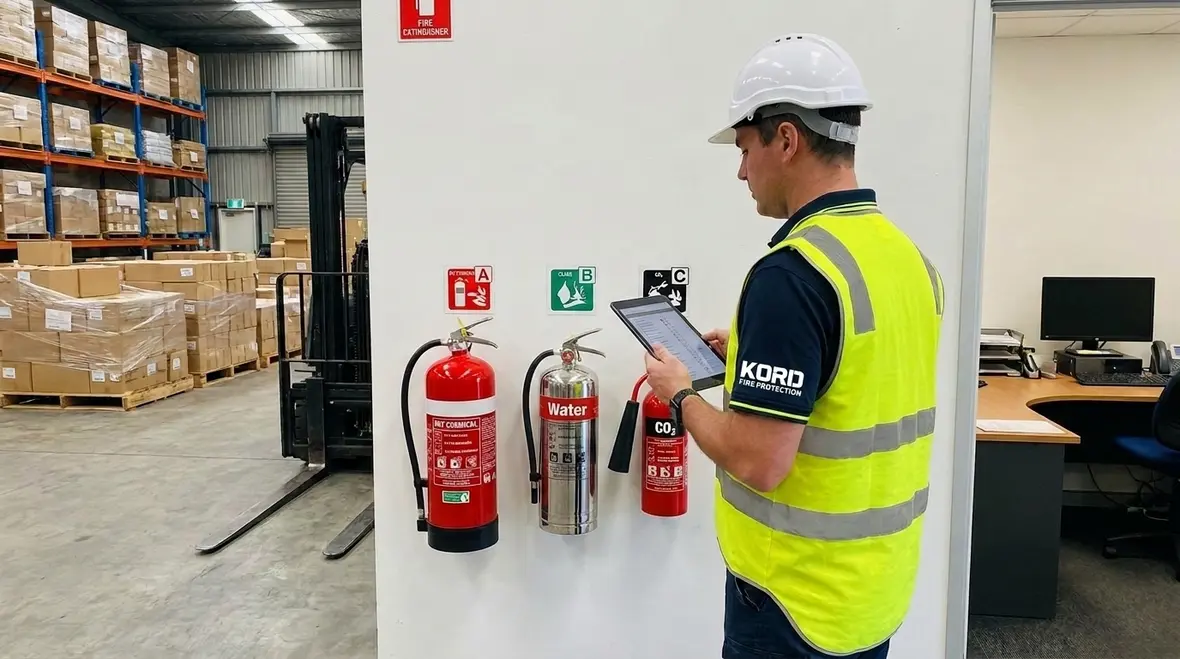
NFPA 10 Section 5.5 focuses on selecting the right portable fire extinguishers for the fire risks present in a building or worksite. In simple terms, it says the extinguisher must suit the hazard. A water unit does not belong near live electrical equipment. A dry chemical unit may suit mixed risks. A Class K unit is useful in cooking areas. The rule sounds plain enough, yet this is where many sites stumble. They buy a few units, tick a box, and hope the fire does not ask follow up questions.
The section supports safe planning by linking hazard type with extinguisher agent and rating. That means the decision should come from a site review, not from a warehouse sale special or a best guess from someone who once watched a fire drill and felt brave.
Why hazard matching matters more than convenience
Convenience is great for choosing lunch. It is not great for choosing fire protection. If a site selects extinguishers based only on what is cheapest, most available, or already sitting in the storeroom, it can create dangerous gaps. An extinguisher that works well for paper and timber may be a poor fit for flammable liquids, and a unit that seems versatile can still be wrong for a kitchen, switch room, or specialist workshop. The point of Section 5.5 is to stop that mismatch before it ends up mounted proudly on the wall like a very confident mistake.
That is why smart teams treat selection as part of a wider strategy. They review likely fuel sources, ignition points, staff access, and how quickly conditions could change during an incident. They also coordinate selection with placement, signage, and maintenance so the extinguisher is not just technically correct, but actually useful when someone needs it in a hurry and nobody has time for a committee meeting beside the flames.
How Extinguisher Selection Tables Support Compliance
Selection tables help a site compare fire hazards with the correct extinguisher type and size. These tables usually guide the user through fuel type, potential ignition sources, and special risks. As a result, the site can place the right extinguisher in the right spot.
- Matching extinguisher class to the fire hazard
- Choosing the right rating for the size of the risk
- Avoiding unsafe placement near electrical or chemical hazards
- Improving audit readiness and inspection outcomes
For example, a distribution centre with cardboard, packaging, forklifts, and charging stations may need more than one extinguisher type. Meanwhile, a retail store with display goods, backroom storage, and electrical panels needs a different setup again. This is why the table matters. It brings order to the chaos and keeps the plan from turning into a fire safety improv show.
Use the table to match site hazards
| Area | Common risk | Extinguisher approach |
| Warehouse | Packaging, pallets, machinery | General purpose dry chemical and suitable rated units |
| Retail floor | Electrical gear, stock, displays | Dry chemical or other approved unit based on risk |
| Kitchen or food area | Cooking oil and grease | Class K or suited cooking fire unit |
| Plant room | Electrical and mechanical systems | Clean agent or dry chemical, based on assessment |
Tables also help decision makers explain their choices during inspections, audits, and internal reviews. When someone asks why a certain unit was installed in one area and not another, the answer should come from a documented hazard process, not a shrug and a vague memory of what the last tenant left behind. That kind of clarity supports compliance and gives maintenance teams a better starting point for future changes.
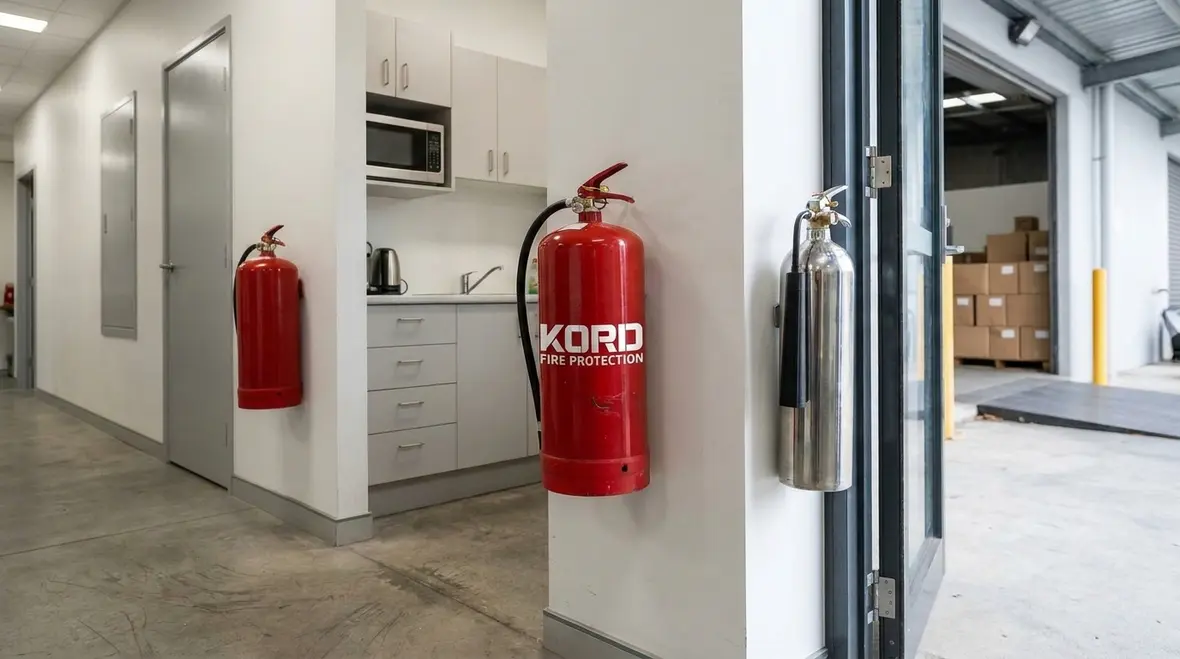
Why Australian Facilities Need a Site Specific Review
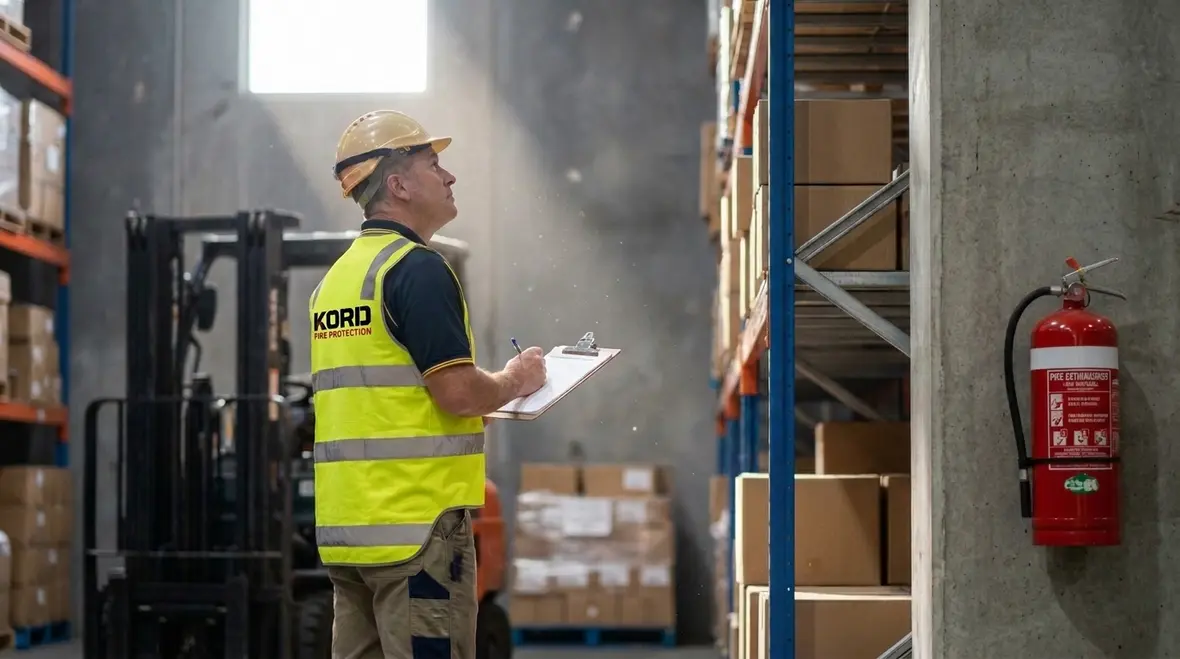
NFPA 10 gives a strong framework, yet Australian facilities still need a site specific review because no two buildings carry the same fire load. A logistics hub in Melbourne does not face the same risks as a shopping centre in Brisbane or a food processing plant in Perth. Climate, stock type, work processes, and equipment all shape the final decision.
Also, compliance does not stop at selection. The site must place, inspect, and maintain the extinguishers correctly. Therefore, the selection stage should align with the broader fire safety plan. If the wrong unit sits on the wall, it may look fine during an inspection, but it will fail the real test when a fire starts. That is not the kind of surprise anyone wants before lunch.
Questions a real site review should answer
- What combustible materials are present in each zone?
- Are there live electrical systems, plant equipment, or battery charging areas nearby?
- Do staff need different extinguisher types across adjoining spaces?
- Could production changes or storage changes alter the fire risk later?
- Will placement and maintenance access remain practical during normal operations?
Those questions matter because a site is rarely static. Storage moves. Tenants change. Machinery appears. Temporary work becomes permanent with suspicious speed. A review that captures current conditions helps stop yesterday’s extinguisher plan from pretending it still understands today’s hazards.
If teams want to sharpen that planning even further, a related resource like this fire extinguisher placement guide for Australia can help connect selection decisions with travel distance, visibility, and access. That way, the right extinguisher is not only chosen well, but also positioned where people can actually reach it when their stress levels are doing cartwheels.
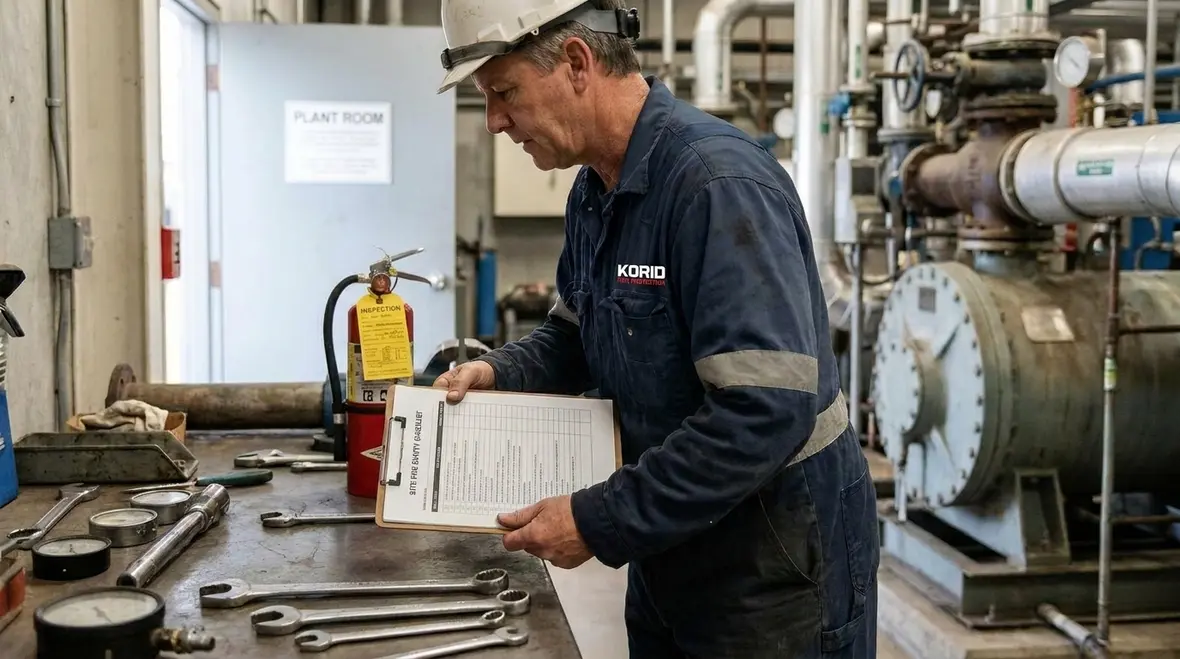
How Kord Fire Protection Can Help
Kord Fire Protection can become a vital partner in this service by helping businesses choose extinguishers that fit their exact risks. Their team can review site hazards, guide Extinguisher Selection, and support compliance across industrial, retail, and commercial sites. In addition, they can help with installation planning, inspection schedules, and ongoing maintenance, which keeps the system useful after the paperwork is filed away.
That kind of support matters because fire safety should not rely on guesswork or a rushed internet search at 4:45 p.m. on a Friday. With the right partner, the site gets clearer decisions, better protection, and less stress when audits roll around.
Kord Fire also provides useful broader guidance through its NFPA 10 portable fire extinguishers guidelines resource, which fits naturally beside Section 5.5 selection planning. When businesses combine hazard review, practical placement, and regular service, they build a fire safety plan that is easier to defend on paper and far more useful in the real world.
What a Smart Compliance Plan Should Include
A strong plan should do more than hang extinguishers on walls and call it a day. Instead, it should build a clear chain from hazard review to extinguisher choice to maintenance. That process should include:
- Hazard identification for each area
- Correct extinguisher class and rating selection
- Proper placement and access
- Staff awareness and training
- Routine inspection and service records
When those steps work together, the site gains more than compliance. It gains confidence. And in fire safety, confidence built on evidence is worth more than a folder full of wishful thinking.
The payoff of doing selection properly
Doing the selection properly helps reduce confusion during an emergency, improves staff confidence, supports audit conversations, and lowers the chance that an extinguisher will be present but unusable for the actual fire. It also makes later maintenance easier because technicians can service a system that already makes sense. That may not sound glamorous, but neither does explaining to management why the kitchen had the wrong unit mounted beside a fryer.
FAQ
Conclusion
NFPA 10 Section 5.5 gives businesses a clear path to safer extinguisher choice. When sites use proper selection tables and expert guidance, they improve compliance and reduce risk. Kord Fire Protection can help Australian facilities build a practical, site specific plan that works in the real world, not just on paper.
For a smarter fire safety approach, the next step is simple: review the hazards and select with purpose. That way, when the pressure is on, the equipment on the wall is not there for decoration. It is there to do the job it was chosen for.

Join Our Newsletter!
Get the latest fire safety tips delivered straight to your inbox From our Newsletter.