NFPA 10 Sections 6.2 to 6.6 Extinguisher Installation Rules
Quick Answer
NFPA 10 Sections 6.2 to 6.6 set the basic rules for where portable extinguishers must go in industrial, commercial, retail, and facility settings. The goal is simple: place the right unit near the right hazard, keep access clear, and make sure staff can reach it fast when seconds matter.
Near the top of any solid fire safety plan, it also helps to connect installation with ongoing fire extinguisher replacement service so aging, damaged, or non-compliant units do not quietly stay on the wall long after they should have retired. And for broader context, Kord Fire’s NFPA 10 portable fire extinguisher guidelines provide a useful companion piece to these placement rules.
NFPA 10 Installation Rules That Keep Hazards Under Control
Fire does not wait for a meeting invite. In busy workplaces across Australia, the Extinguisher Installation Rules matter because they shape how fast a team can respond when a fire starts. NFPA 10 Sections 6.2 to 6.6 guide the placement of extinguishers for Class A, B, C, D, and K hazards. These rules help facilities reduce risk, protect people, and keep operations moving. They also support a cleaner inspection process, which is always welcome because nobody enjoys finding a missing extinguisher at the exact moment it is needed.
How NFPA 10 Sections 6.2 to 6.6 Work in Practice
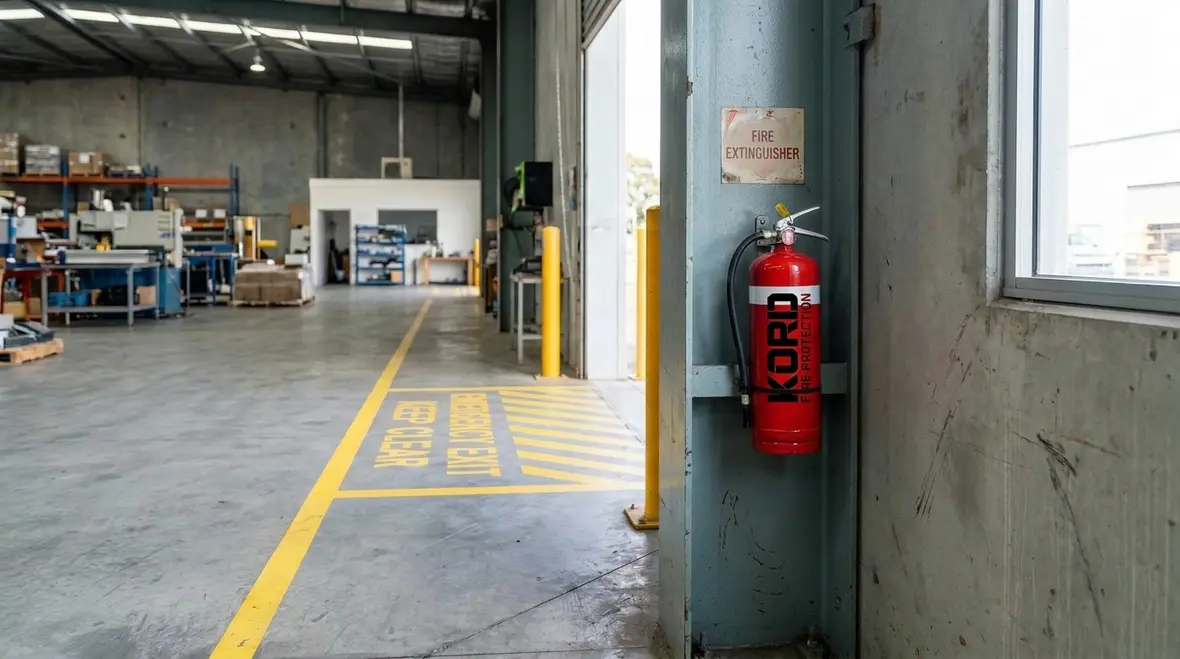
These sections focus on installation and placement, not guesswork. They tell a facility how to position extinguishers so workers can reach them quickly and safely. The rules consider travel distance, hazard type, visibility, mounting height, and access paths. That means a warehouse, food site, workshop, office tower, or retail centre cannot use a one size fits all approach. A battery storage area and a kitchen, for example, need very different protection. As the old saying goes, not every fire deserves the same tool, and nobody wants to bring a butter knife to a dragon fight.
What these sections are really trying to achieve
At a practical level, Sections 6.2 to 6.6 are about shaving wasted seconds off the response. The extinguisher has to be close enough to help, visible enough to be found, and positioned so the user does not have to sprint through smoke, clutter, heat, or whatever creative nonsense the workplace stored in the corridor that week. Good installation turns the extinguisher into part of the workflow instead of a decorative wall accessory everyone ignores until the alarms start singing.
That is also why placement must be tied to actual hazards rather than floorplan optimism. A facility may look compliant on paper, but if the unit sits behind stacked stock, near a jammed exit, or on the far side of the danger area, then the installation is technically present and practically useless. Fire has a special talent for exposing paperwork confidence.
| Class A Hazards | Class B Hazards |
| These involve ordinary combustibles such as paper, wood, packaging, and some fabrics. Extinguishers must sit where staff can reach them without crossing deep into the fire zone. Placement usually supports shorter travel paths in offices, storage rooms, and retail back areas. | These involve flammable liquids and gases. Extinguishers must be placed close enough to handle spill and vapor risk, yet still remain safe to access. Fuel storage rooms, plant areas, workshops, and service bays need careful layout so a fire does not cut off the route to the unit. |
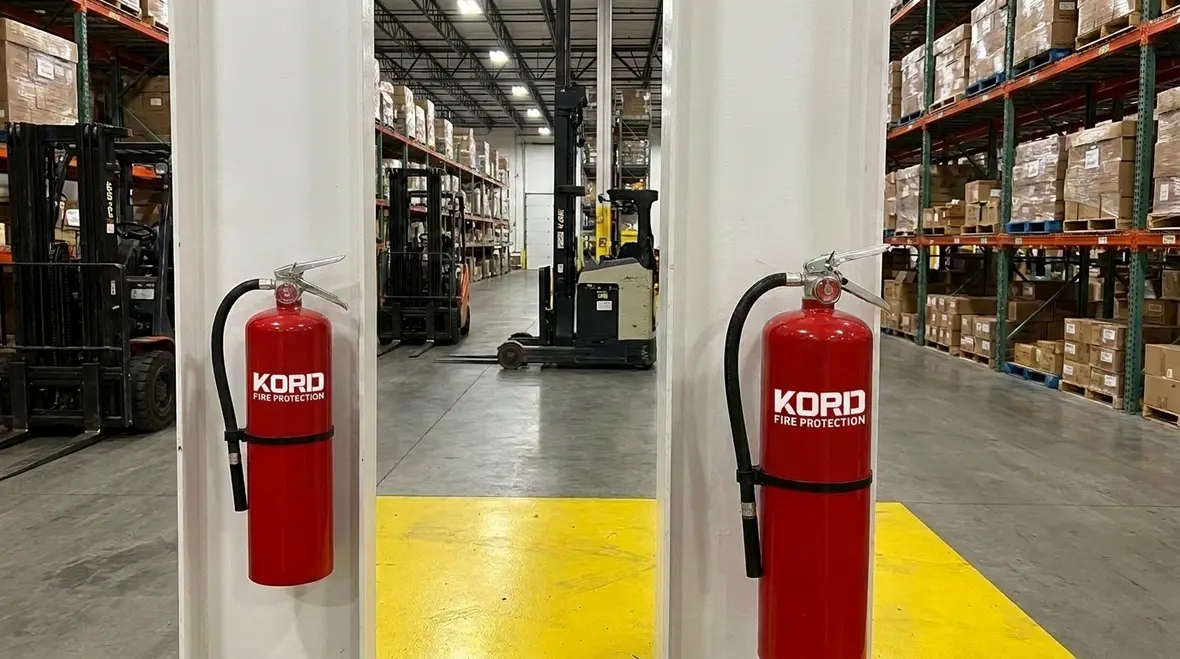
For both classes, visibility matters. If staff cannot spot the extinguisher during a normal workday, they will not find it during a stressful one. Therefore, installation should support clear signage, open access, and fast use. In addition, the mounting location should reduce the chance of damage from forklifts, carts, or daily foot traffic.
Class C and Class D Rules for Electrical and Metal Risks
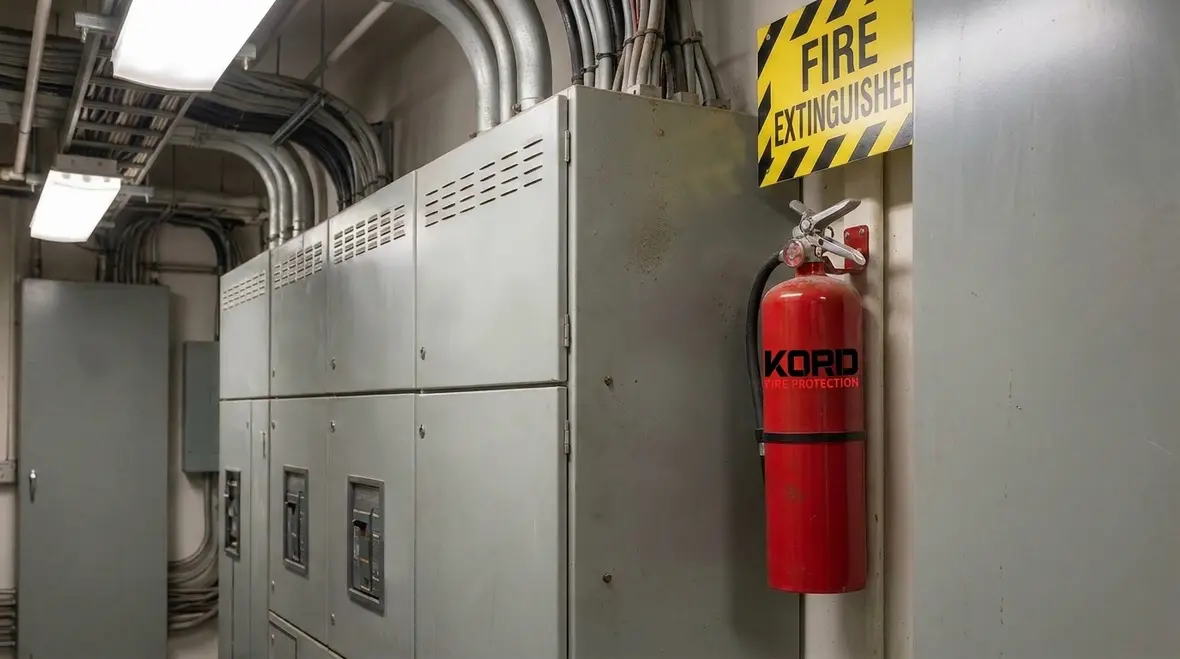
Class C hazards involve energized electrical equipment. NFPA 10 does not call for a special extinguishing agent by itself; instead, it requires the extinguisher to suit the electrical environment and the base hazard behind the equipment. This matters in server rooms, switchboards, control panels, and production lines. The key is safe placement near the risk, but not so close that the unit becomes blocked or exposed to the same problem.
Class D hazards are more specialized. They involve combustible metals such as magnesium, titanium, or sodium in certain industrial processes. These areas need the correct extinguisher type and a very controlled installation plan. Standard extinguishers are not the hero here. In fact, using the wrong unit can make the situation worse, which is a rude surprise no site manager wants on a Tuesday morning.
Why specialty hazards punish lazy placement
Electrical and metal risks expose the weakness of generic layouts. A site might be tempted to say, “There is an extinguisher somewhere nearby, so we are fine.” Unfortunately, somewhere nearby is not a technical standard. In energized electrical areas, a poorly placed unit can become inaccessible the moment equipment starts arcing or smoke fills a narrow service space. In metal-processing zones, the wrong extinguisher nearby can be worse than no extinguisher at all because it invites a dangerous mistake under pressure.
This is where a professional review earns its keep. Matching the hazard, the route, the line of sight, and the user’s likely response path is not overthinking. It is the difference between a controlled first response and an expensive lesson delivered by flames, downtime, and a very uncomfortable incident report.
Class K Kitchen Protection for Busy Food Areas
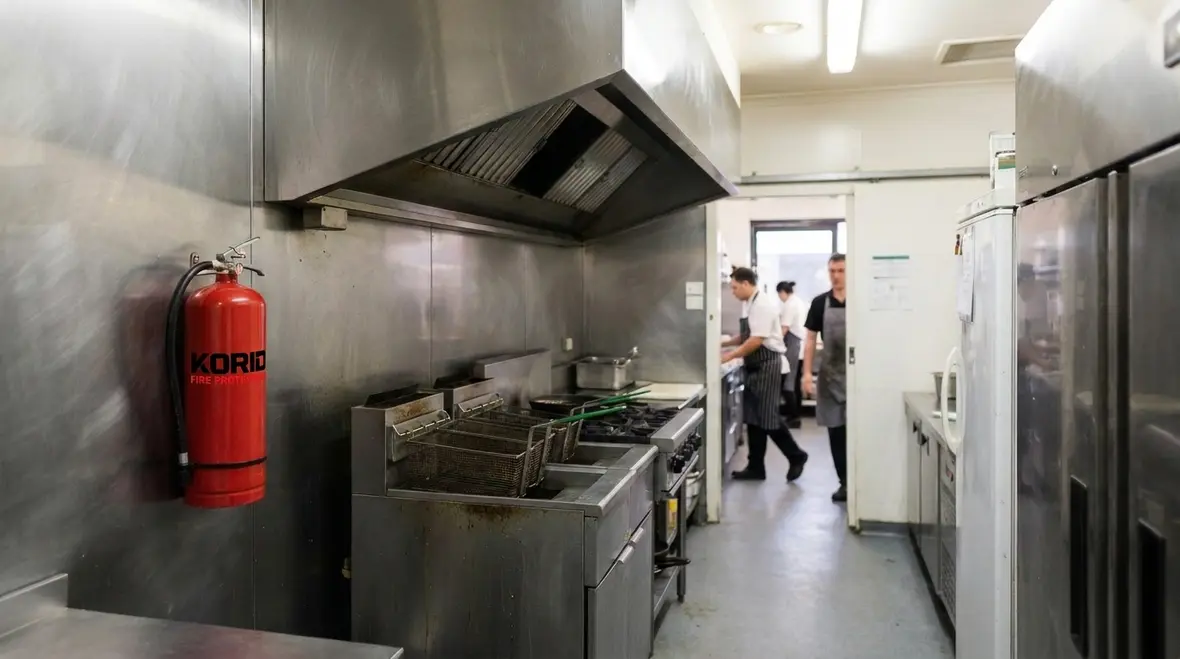
Class K hazards appear in commercial kitchens where cooking oils and fats can ignite. NFPA 10 installation rules support extinguisher placement near cooking equipment, but not so close that heat or grease blocks the unit. The extinguisher must be easy to find, quick to pull, and ready for trained staff to use during a fast moving fire event.
For food sites, this placement works best when it aligns with suppression systems, hood areas, and staff training. The extinguisher should not become hidden behind prep benches, storage crates, or the weekly pile of “temporary” boxes that somehow never leave. Good placement saves time, and time saves kitchens.
Kitchen layouts need discipline, not wishful thinking
Busy kitchens change fast. Equipment moves, deliveries pile up, and somebody always thinks a blank patch of wall is perfect for storing something “just for today.” That is exactly why extinguisher installation has to be deliberate. If the unit is hard to reach when a pan fire flares or oil flashes under the hood, then the layout has failed the one moment it was supposed to win.
When the extinguisher sits in a clean, visible, protected location that staff actually know, the response becomes calmer and faster. That kind of placement does not happen by accident. It comes from planning, inspection, and a refusal to let convenience bully safety out of the room.
What Good Installation Looks Like on Site
Several practical details shape successful installation:
- Units stay visible and easy to reach
- Travel distance matches the hazard level and site layout
- Mounting height supports fast removal and safe handling
- Paths stay clear of stock, machinery, and doors
- Hazard zones get the right extinguisher type, not a random spare
These points may sound simple, yet they often decide whether a fire stays small or turns into a costly shutdown. Moreover, proper placement helps support inspections and maintenance because technicians can service units without battling clutter or poor access. That is the kind of quiet efficiency every facility deserves.
A strong installation also ages well. It anticipates how people move through the building, where stock tends to gather, what machinery creates choke points, and which areas become visual dead zones. That means the extinguisher remains useful after the fit-out, after the furniture shuffle, after the production upgrade, and after everyone forgets where they put the original compliance folder.
Many teams find this easier when extinguisher planning is treated as part of the wider safety layout rather than a last-minute box to tick. Kord Fire’s related article on proper placement of extinguishers saving seconds fits naturally into that conversation because the whole point of installation is response speed under pressure, not decorative symmetry in the corridor.
Why Kord Fire Protection Can Be a Vital Partner
Kord Fire Protection can play a vital role in this service because installation is not just about hanging a red cylinder on a wall. It takes hazard review, site knowledge, compliance focus, and the ability to match the right extinguisher to the right environment. Kord Fire Protection can help industrial, retail, commercial, and facility teams across Australia assess risk areas, install units correctly, and keep systems aligned with NFPA 10 expectations and local needs.
Just as important, a strong partner brings consistency. That means better layout decisions, fewer blind spots, and smoother ongoing service. In other words, Kord Fire Protection can help turn a basic compliance task into a proper fire safety plan, which is a lot better than hoping for luck. And luck, as everyone knows, is not a fire protection strategy.
That support becomes even more useful when installation, replacement, inspection, and ongoing servicing work together instead of behaving like distant relatives at an awkward family barbecue. Facilities that coordinate those pieces usually get cleaner documentation, more reliable readiness, and fewer surprise compliance problems when audits or incidents arrive uninvited.
Conclusion
For Australian industrial, commercial, retail, and facility sites, proper extinguisher placement is a core part of fire safety, not a side task. NFPA 10 Sections 6.2 to 6.6 give teams a practical framework for placing units where they can actually help: near the right hazard, visible to staff, and accessible when seconds matter most.
Kord Fire Protection can help align installations with NFPA 10 and real world site needs. For teams that want safer layouts, cleaner compliance, and faster response, the next step is simple: get expert support and make every extinguisher count.
FAQ

Join Our Newsletter!
Get the latest fire safety tips delivered straight to your inbox From our Newsletter.