
La Jolla Fire Safety Regulations Guide
La Jolla Fire Safety Regulations Explained
In a coastal community where ocean breezes meet hillside estates, safety is not optional. It is essential. La Jolla fire safety regulations shape how homes are built, how businesses operate, and how communities prepare for the unexpected. Within the first few pages of the municipal code, one thing becomes clear. Prevention always costs less than recovery. That is why property owners regularly turn to Kord Fire Protection technicians to break down the rules into plain English, minus the legal fog and dramatic music.
After all, fire codes may not trend on social media. However, they quietly protect lives, investments, and entire neighborhoods. So let us walk through what these regulations mean, why they matter, and how to stay compliant without losing sleep or a sense of humor.
Understanding La Jolla Fire Safety Regulations for Homes and Businesses
La Jolla operates under California state fire codes, San Diego municipal standards, and local amendments tailored to coastal and hillside risks. Because of this layered approach, property owners must comply with several overlapping requirements. Fortunately, the structure is logical once someone explains it clearly.
Kord Fire Protection technicians often begin with three pillars. First, prevention. Second, detection. Third, suppression. Each regulation falls into one of these categories.
For residential properties, this includes smoke alarms in every sleeping area, carbon monoxide detectors where required, and defensible space in brush zones. Meanwhile, commercial properties must install and maintain fire sprinkler systems, fire alarm panels, emergency lighting, and clearly marked exits. In addition, many businesses must submit to periodic inspections.
Although it may sound intense, these measures create a simple outcome. Fires are detected early. Occupants exit quickly. Damage stays limited. That is the goal.

How Do Fire Codes Affect Coastal and Hillside Properties?
La Jolla is beautiful. It is also complex. Coastal winds and hillside terrain create unique fire behavior patterns. Therefore, building codes reflect these environmental factors.
Homes in high fire hazard severity zones must maintain defensible space. That means trimming vegetation, removing dry brush, and spacing trees properly. While some homeowners treat landscaping like a fashion statement, fire inspectors see it as fuel management.
Additionally, roofing materials must meet fire resistant standards. Wood shake roofs, once charming, now face strict limits. Exterior walls and vents must resist ember intrusion. Because wind can carry embers long distances, even a small gap can become a serious hazard.
Kord Fire Protection technicians often explain it this way. Fire rarely knocks on the front door. It sneaks in through vents, dry leaves, or neglected corners. Therefore, compliance focuses on closing those entry points before fire finds them.

Residential Compliance Checklist That Actually Makes Sense
Many homeowners ask for a simple list. So here it is, broken down without the legal jargon.
Inside the Home
- Install smoke alarms in each bedroom and hallway
- Test alarms monthly and replace batteries annually
- Place fire extinguishers in kitchens and garages
- Keep electrical panels accessible and labeled
- Ensure water heaters are properly braced
Outside the Home
- Maintain at least one hundred feet of defensible space where required
- Use fire resistant roofing materials
- Screen attic and foundation vents
- Clear gutters of leaves and debris
- Provide clear house numbers visible from the street
Although this list looks straightforward, inspections often reveal small oversights. For example, blocked exits or expired extinguishers frequently appear during routine checks. Fortunately, these issues are easy to correct once identified.
Kord Fire Protection technicians remind homeowners that compliance is not about passing a test. It is about protecting families. And that perspective changes everything.

Commercial Fire Protection Requirements in La Jolla
Business owners face more complex standards. However, the principles remain consistent. Detect early. Suppress quickly. Evacuate safely.
Sprinkler systems must meet National Fire Protection Association standards and undergo regular inspections. Fire alarm systems require testing, documentation, and monitoring connections. Emergency exit signs must stay illuminated and unobstructed. Moreover, employee training plays a crucial role.
Below is a simplified comparison that technicians often share with property managers.
As shown above, commercial properties carry broader responsibilities. Nevertheless, these rules exist because businesses host employees and the public. With higher occupancy comes greater duty.
Interestingly, many violations stem from simple maintenance neglect. A blocked sprinkler head here. A propped open fire door there. While it may feel harmless in the moment, those shortcuts remove layers of protection. And fire, as history shows, rarely gives second chances.
Inspections, Permits, and Staying Ahead of Violations
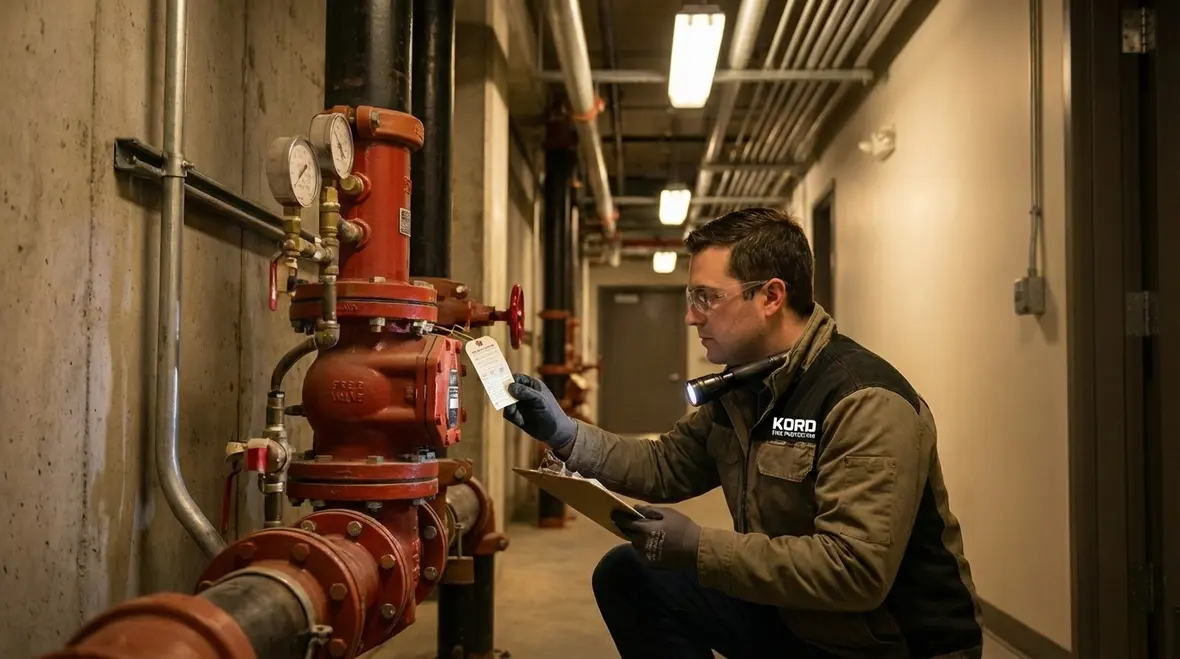
City inspectors evaluate properties for compliance with local fire code standards. Typically, they review alarm systems, sprinkler functionality, extinguishers, exits, and access routes for emergency vehicles. If issues arise, property owners receive correction notices with deadlines.
Although the word inspection can raise blood pressure, preparation reduces stress significantly. Kord Fire Protection technicians often conduct pre inspection evaluations. They identify weak spots before official visits occur. Consequently, owners avoid fines, reinspection fees, and awkward explanations.
Permits also matter. Installing or modifying fire protection systems without permits can trigger penalties. Therefore, coordination with licensed professionals ensures documentation stays accurate. It may not sound glamorous. However, paperwork today prevents problems tomorrow.
If you manage a larger facility or portfolio of buildings, pairing local La Jolla requirements with broader guidance like NFPA 101 and Title 19 can feel like juggling torches. Partnering with a full-service team such as Kord Fire Protection’s comprehensive fire protection services keeps those requirements aligned, documented, and inspection ready.
Why Professional Guidance Makes a Noticeable Difference
Fire codes evolve. Technology improves. Local amendments shift with environmental conditions. Because of this, staying current requires ongoing attention.
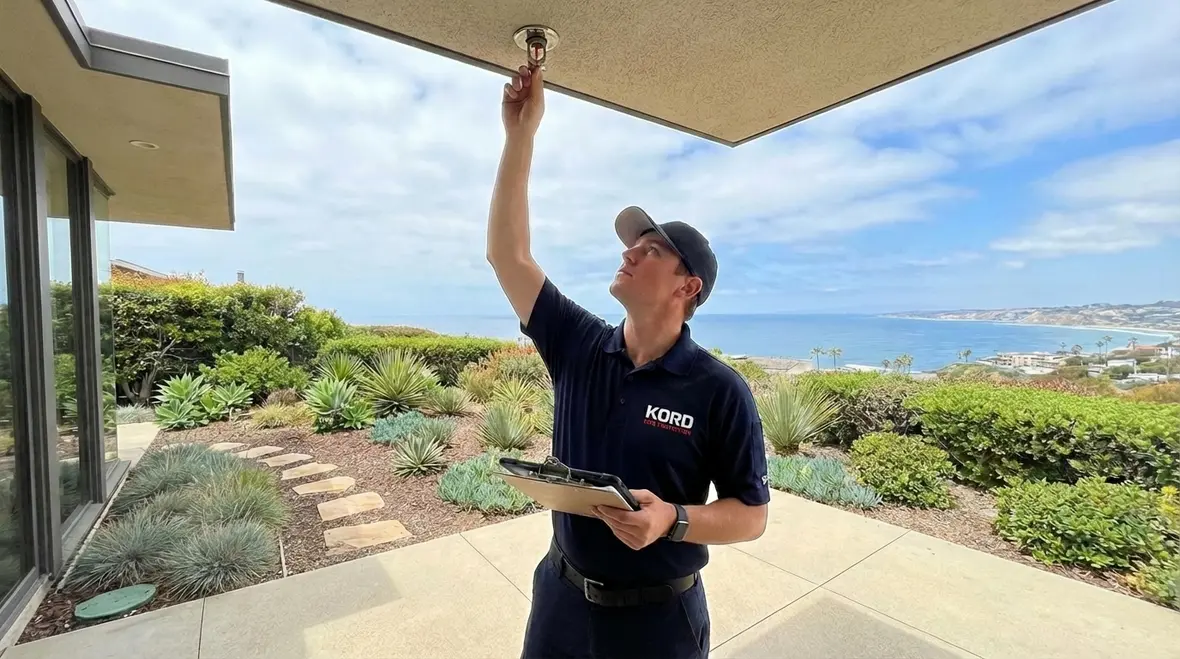
Kord Fire Protection technicians bring field experience to the table. They do more than quote code sections. They explain the why behind each requirement. For example, they might demonstrate how a sprinkler head activates under heat or show how smoke travels through open stairwells. When people see the mechanics, compliance stops feeling abstract.
Furthermore, professional maintenance extends equipment life. Regular testing catches corrosion, pressure drops, and wiring faults early. As a result, systems function when needed most.
There is also peace of mind. And while peace of mind does not appear on a balance sheet, it is priceless during emergencies.
If you oversee properties beyond La Jolla, resources like Los Angeles County fire protection services and their Regulation 4 expertise can help standardize your fire safety strategy across multiple jurisdictions without losing sight of local nuance.
Common Myths About Fire Code Compliance
Every industry collects myths like old vinyl records. Fire protection is no exception.
Myth one. New buildings are automatically compliant forever. In reality, maintenance determines ongoing compliance. Systems degrade without care.
Myth two. Small businesses do not need sprinkler systems. In truth, occupancy type and square footage dictate requirements, not business size alone.
Myth three. Inspections only happen after complaints. Scheduled inspections occur routinely for many commercial properties.
By clearing up these misconceptions, property owners approach regulations with clarity rather than fear. And clarity leads to smarter decisions.
Frequently Asked Questions
Conclusion and Next Steps
Fire safety is not about red tape. It is about readiness. By understanding La Jolla fire safety regulations, property owners protect families, employees, and investments. Kord Fire Protection technicians stand ready to explain, inspect, and guide each step with clarity and calm expertise.
If your property portfolio stretches beyond La Jolla, aligning your approach with broader standards like the Life Safety Code and proven best practices can help you stay ahead of changing rules, technology, and local expectations.
For hands-on support, schedule a professional evaluation with Kord Fire Protection today. Their team can help you prioritize upgrades, prepare for inspections, and design a practical roadmap to long-term compliance.
Because when it comes to fire protection, preparation always beats regret. And that is one rule everyone can agree on.
Know Your Weapon Before You Fight the Flame
Kord Fire Protection is your go-to when it comes to all things fire protection. For over 20 years, we’ve been serving Southern California with the quality service and equipment to keep your home or business safe at all times. Our competitive prices reflect our unwavering commitment to protecting what matters most in the event of a fire emergency. Give us a call, send an email, or use that form!

Join Our Newsletter!
Get the latest fire safety tips delivered straight to your inbox From our Newsletter.


