LA Clean Agent Fire Suppression Guide for Businesses
Clean Agent Fire Suppression Requirements for LA Businesses: The Real Talk
If you’re running a business in Los Angeles, you already know that the City of Angels doesn’t play around when it comes to fire safety. Whether you’re managing a high-tech data center, a biotech lab with more degrees than a thermometer, or just running a boutique agency guarding valuable electronics like your life savings—knowing the rules around fire suppression isn’t optional. It’s required. That’s where our Los Angeles clean agent fire suppression compliance guide strolls in—your all-in-one playbook for not only following the rules but doing so with confidence.
And listen, we get it—fire code regulations typically rank somewhere between watching paint dry and explaining blockchain to your grandparents. But don’t worry, you’re not in this alone. The expert technicians over at Kord Fire Protection are famous around these parts for making the complex simple, without putting you to sleep in the process. They’ve been walking LA business owners through this maze with more patience than a Jedi Master.
Let’s break this all down, step by step. You’ll leave this article not just informed—but borderline fire-code fluent. And maybe with a grin or two along the way.

Understanding Clean Agent Fire Suppression In A Place Like L.A.
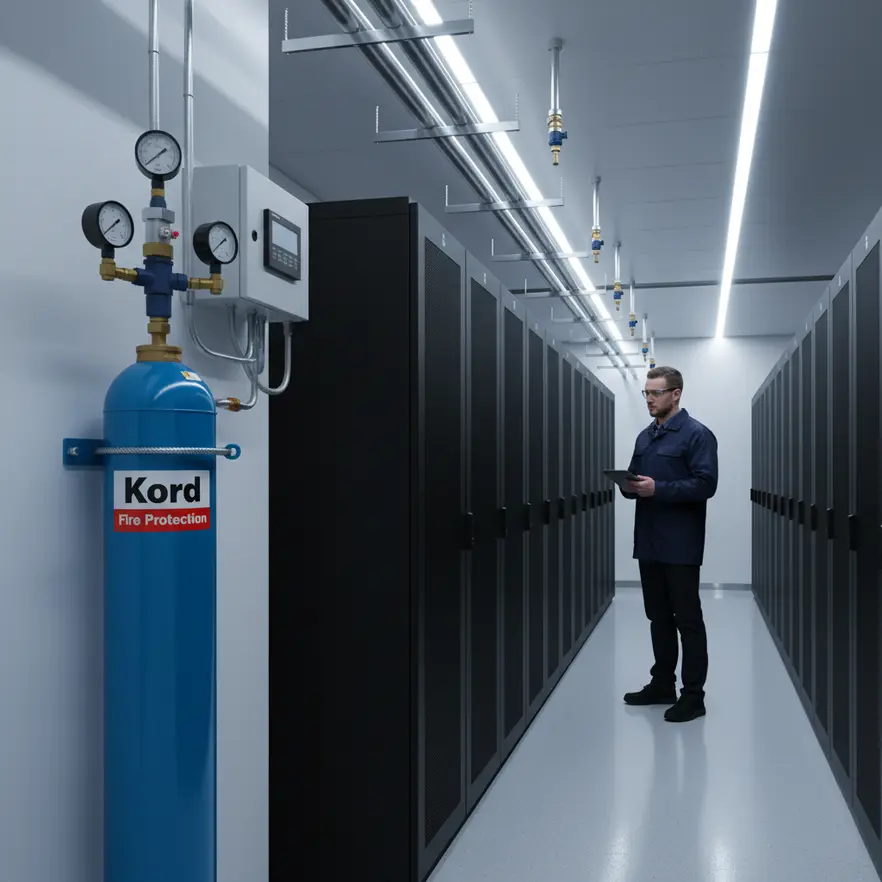
Now let’s get down to what a “clean agent” even is. Spoiler alert: it’s not someone from the CIA with a mop. A clean agent is a fire suppression material—usually a gas or vapor—that extinguishes fire without leaving any residue. That means no water, no foam, no powdery mess to ruin your server room or high-end audio equipment. These systems are designed for protecting irreplaceable, delicate items, not marshmallows.
In Los Angeles, where many businesses revolve around tech, media, finance, and entertainment (and yes—even crypto mining), clean agent systems are no longer a luxury. They’re a necessity. Cities don’t just suggest these systems—they demand them in very specific applications. And if you don’t comply? Let’s just say the LA Fire Department doesn’t do slap-on-the-wrist. They’ve got a fine print… and fines.
Kord Fire Protection’s technicians put it best: “If you wouldn’t dump a bucket of water on it, you probably need a clean agent system.” Simple. Wise. Probably Hallmark-card worthy.
Who Needs A Clean Agent Fire Suppression System In L.A.?
We’ll tell you who, and we won’t make a Netflix docuseries about it—though it’d be surprisingly thrilling.
Common LA Businesses That Rely On Clean Agent Systems
- Data Centers: When uptime is life and downtime is doom, you need serious fire protection that doesn’t fry equipment.
- Server and Network Rooms: Losing internet is a modern tragedy. Don’t be the business that causes it.
- Medical Labs and Biotech Facilities: Obvious reasons. Nobody wants to accidentally deep-fry sensitive samples.
- Media Production Hubs: Those hard drives hold the next Oscar (or at least a killer TikTok ad campaign).
- Private Vaults or Archive Rooms: Priceless assets shouldn’t end up toasted like your morning bagel.
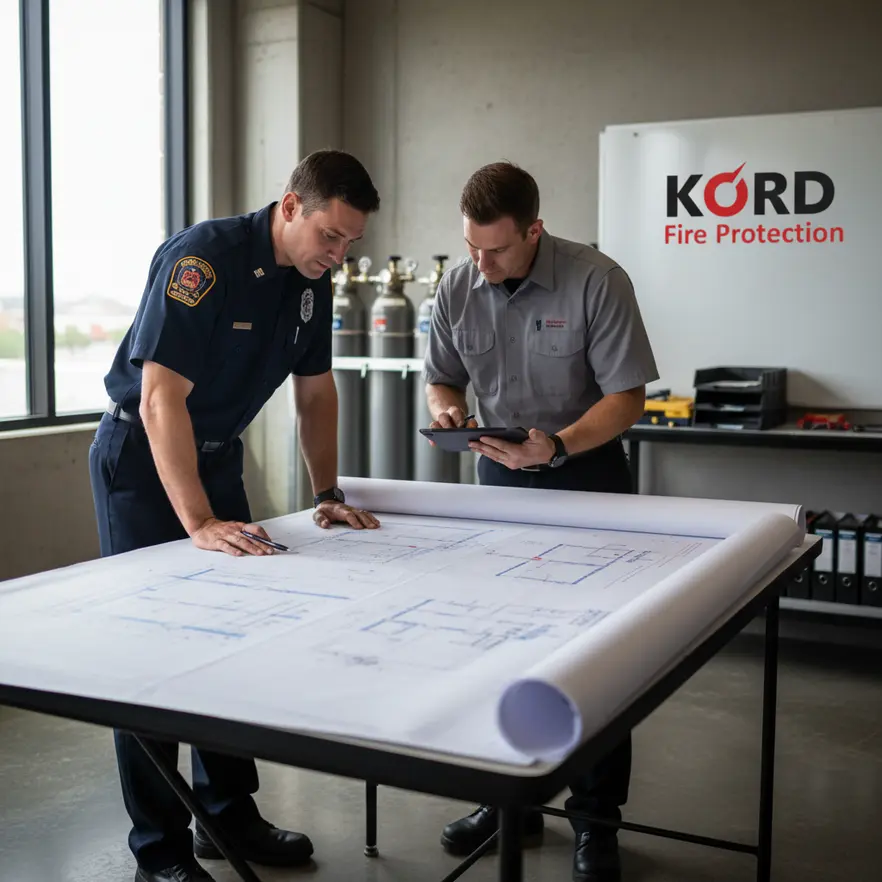
And if you’re wondering whether your business qualifies, let the Kord techs take a look. They don’t just “install stuff”—they assess, engineer, and coordinate with LA code officials so you don’t end up part of a fire safety horror story.
A Quick Breakdown Of The Legal Stuff (Without Making You Yawn)
Ah yes—compliance. The word that makes entrepreneurs groan louder than gas prices going up. But in LA, clean agent systems fall under both California Fire Code and NFPA 2001 standards. All clean agent systems must be UL listed, and installed in accordance with the manufacturer’s specs, the local fire authority’s signoff, and Kord’s own secret ingredient—competency.
The Los Angeles clean agent fire suppression compliance guide outlines three core requirements for businesses engaging these systems:
- Pre-Installation Permits and Review: You need building and fire permits before touching a thing—with complete plans reviewed by the LAFD.
- System Design that Actually Makes Sense: The system’s layout, gas type, and coverage need to match your room size, hardware, heat generation, and airflow—no cookie-cutter setups allowed.
- Acceptance Testing with the Fire Marshal: After installation, no one walks away until it’s officially tested and signed off. Kord usually handles this whole affair like seasoned wedding planners.
Fun Fact: The fire marshal in LA has rejected projects for using outdated agent types. That’s right, halon is out unless you want a nostalgia trip to 1987 and a big ticket.
Clean Agent Options: Which One Should You Pick Before LA Picks One For You?
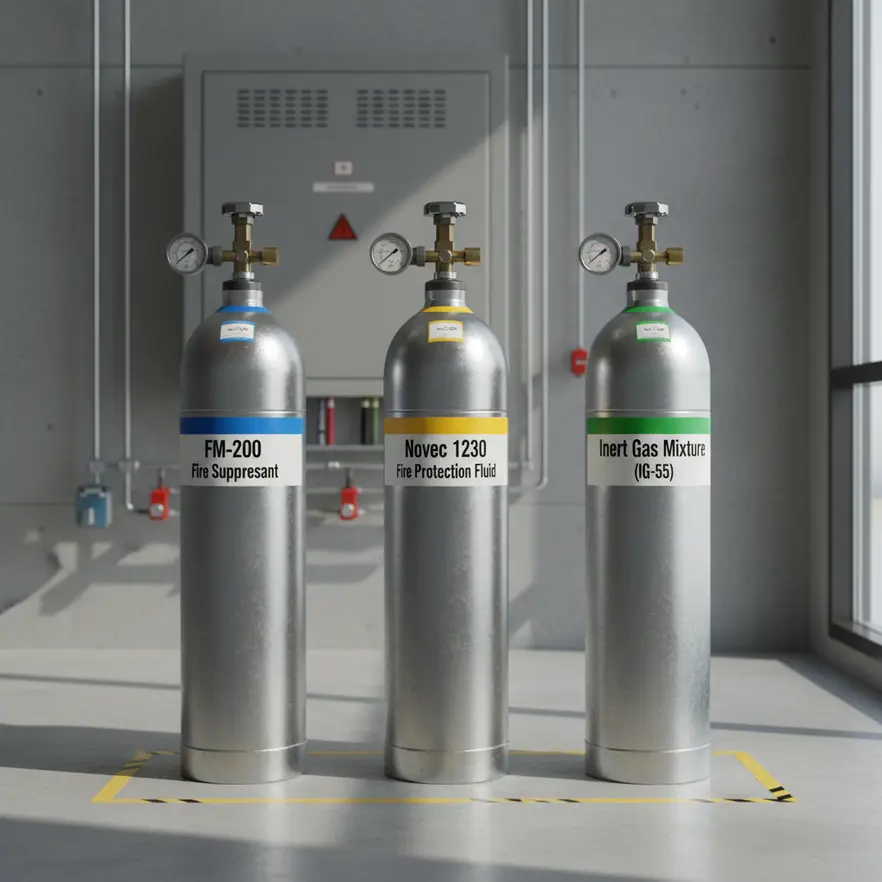
So you’ve accepted your destiny as a clean agent system owner. But which “flavor” suits your business best? Turns out, it’s not a fire suppression version of Baskin-Robbins—there are only a few types approved for use.
Popular Clean Agent Types For LA Businesses
| Agent | Best For |
|---|---|
| FM-200 | Standard electronics protection, average-sized server rooms |
| Novec 1230 | Larger areas, greener footprint (a nod to LA’s eco-vibe) |
| Inert Gas Mixtures (ARGON, INERGEN) | Occupancy-heavy spaces, low toxicity, great air dispersion |
Kord’s team helps customers figure this out without needing a Ph.D. in Fire Science. Each system has different nozzle layouts, piping needs, and pressure ratings, so bringing in licensed technicians at the design stage isn’t just smart—it’s basically required by law.
The Inspection And Maintenance Side Of Fire Suppression (A Plot Twist!)
Here’s something no one tells you while you’re browsing equipment brochures: just installing the system isn’t enough. Clean agent fire suppression units in LA demand regular inspections and testing. Otherwise, they sit dormant and ineffective—like those exercise bikes doubling as coat racks.
Per NFPA 2001 regulations and city ordinances, you need to:
- Conduct semiannual inspections (twice a year, folks—not in five years when you hear beeping)
- Perform annual full-system tests including discharge circuit simulations
- Check gas cylinder pressures and weights
The folks at Kord Fire Protection keep these systems humming like a record player at a vinyl collector’s party. Inspection scheduling, documentation, component tuning—it’s all wrapped into a service plan. One less acronym on your to-do list.
What Happens If You… Just Don’t?
Think fines. Think forced shutdowns. Think your landlord giving you “the look.” LA City follows up on building permits with unannounced inspections. If your clean agent system is installed by unlicensed personnel or left inoperable due to skipped inspections, you could receive shutdown orders. No, that’s not hyperbole. That’s the actual city code.
And when it comes to insurance claims? Yeah—unmaintained systems don’t play well with paperwork. The adjuster will turn into Sherlock Holmes real quick, proving negligence before you can say “deductible.”
But relax. Seriously. Book the maintenance plan. Book it. It’s cheaper than damage control. Much cheaper.
Bringing In The Pros From Kord Fire Protection
Let’s just be real. You don’t want to DIY your clean agent system the same way you wouldn’t DIY brain surgery. The certified technicians at Kord know this stuff like Taylor Swift knows break-up ballads. And they’ll walk you through:
- Feasibility assessments for clean agent use
- Custom design and engineering per LA Fire Department requirements
- Permit applications and approval coordination
- Installation by factory-trained pros
- Testing, maintenance, and recharges
They’re also great at explaining concepts in English instead of “code-compliance Latin.” In fact, business owners across LA say things like, “I didn’t even know what suppression agent I needed. Kord made it feel like buying a toaster.” That’s the goal.
Los Angeles Business Owners: Use This Fire Safety Checklist
If you’re still wondering if you’re set, ask yourself:
- Do I store electronics or materials that can’t get wet?
- Is my workspace required to follow NFPA 2001 standards?
- Do I have a protocol for fire code inspections?
- Has my suppression system been inspected in the last 6 months?
- Do I have a technician on speed dial or still Googling “what is FM-200”?
One “no” here means it’s time to talk to the experts at Kord Fire Protection. Risk is one thing; legal violations and insurance denials are any business owner’s arch-nemesis.
FAQs: Quick Answers For Busy Minds
- What is a clean agent fire system?
A fire suppression system using gas or vapor to extinguish fires without leaving residue. - Do all LA businesses need one?
No, but businesses with sensitive electronics, archives, or lab materials usually require one. - How often does it need inspection?
Twice a year, plus annual system testing per NFPA 2001. - Can I install it myself to save money?
Only if you’re licensed, insured, and willing to argue with the fire marshal. - Is Halon still allowed in LA?
Nope. It’s outdated and environmentally restricted.
Conclusion: Take The Next Step Toward Compliance And Peace Of Mind
You’ve got enough to worry about just running your LA business—let fire safety be the easy part. Whether you’re upgrading protection in your server farm or just want to avoid those dreaded red tags from the fire marshal, Kord Fire Protection is ready to help.
Contact their certified team today to book your assessment and get your custom quote.
Stay safe. Stay compliant. Stay confident.
Know Your Weapon Before You Fight the Flame
Kord Fire Protection is your go-to when it comes to all things fire protection. For over 20 years, we’ve been serving Southern California with the quality service and equipment to keep your home or business safe at all times. Our competitive prices reflect our unwavering commitment to protecting what matters most in the event of a fire emergency. Give us a call, send an email, or use that form!

Join Our Newsletter!
Get the latest fire safety tips delivered straight to your inbox From our Newsletter.