NFPA 291 Section 4.2 Hydrant Rating Pressure Explained
Quick Answer
NFPA 291 Section 4.2 sets the standard for rating pressure in fire hydrant testing, helping sites understand how much usable water a hydrant can truly deliver. For industrial, retail, commercial, and facility teams across Australia, this supports safer design, better fire planning, and smarter maintenance. Kord Fire Protection can help turn those test results into practical fire protection action.
For sites that need testing support beyond theory, Kord Fire Protection also offers full fire protection services that fit naturally with hydrant inspections, reporting, and follow-up work across broader fire system programs.

NFPA 291 Section 4.2 and Why It Matters
Fire hydrant testing is not just a box to tick. It tells a site what water supply it can count on when heat, smoke, and chaos show up uninvited. Under hydrant rating pressure NFPA guidance, Section 4.2 explains how pressure and flow work together to show real performance, not just hopeful numbers on paper.
For commercial and industrial sites, that matters a great deal. A hydrant may look ready from the outside, yet still fall short when the system is under demand. That is where rating pressure comes in. It helps determine whether a hydrant can support fire response, sprinkler demand, or wider site protection needs. In other words, it is the difference between “seems fine” and “yes, this can do the job.”
That bigger context is why related guidance like NFPA 291 Fire Hydrant Testing and Marking Guide 2026 is worth reading alongside Section 4.2. It helps teams connect the pressure numbers on the page with the practical testing and marking work happening out on site.
Why Section 4.2 is More Than a Technical Detail
A lot of fire protection language can sound like it was written by a committee locked in a room with coffee and very serious expressions. Still, Section 4.2 earns its place. It gives teams a consistent way to interpret hydrant performance so they do not end up making expensive decisions based on a pressure reading that looked good only because no water was moving yet.
What Rating Pressure Means in Fire Hydrant Testing
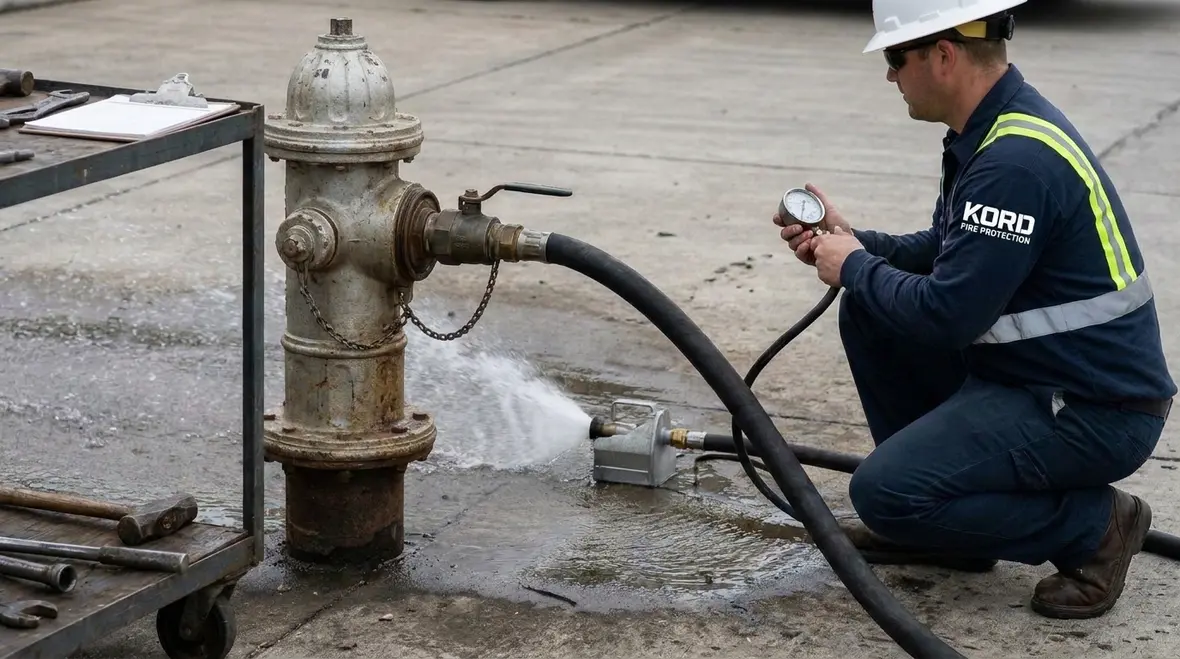
Rating pressure refers to the pressure level used to judge hydrant performance during a test. It helps fire protection teams understand the usable water supply at a given point in time. Because of that, the result gives a clearer picture of system strength and not just static pressure at rest.
Static pressure shows what is available before water moves. Residual pressure shows what remains while water flows. Together, these figures help explain how the hydrant behaves under real demand. A site may have strong static pressure, but once water starts moving, the pressure can drop faster than a late Monday meeting. That drop matters.
Hydrant rating pressure NFPA requirements help teams measure this performance in a controlled way. As a result, engineers, facility managers, and fire service teams can make better decisions about upgrades, spacing, fire pump support, and overall site readiness.
Static Pressure vs Residual Pressure
If static pressure is the calm before the storm, residual pressure is the system speaking honestly once the work begins. Both numbers matter, but they answer different questions. Static pressure says, “Here is what the system has while standing still.” Residual pressure says, “Here is what remains after we ask the system to perform.” A reliable hydrant program looks at both because emergency demand is not a still photo. It is live action.
This is also why pressure interpretation should not happen in a vacuum. Flow, system condition, nearby demand, valve condition, and even layout all shape what the numbers mean. A single reading without context can be about as helpful as a map with no street names.
How the Test Works on Site
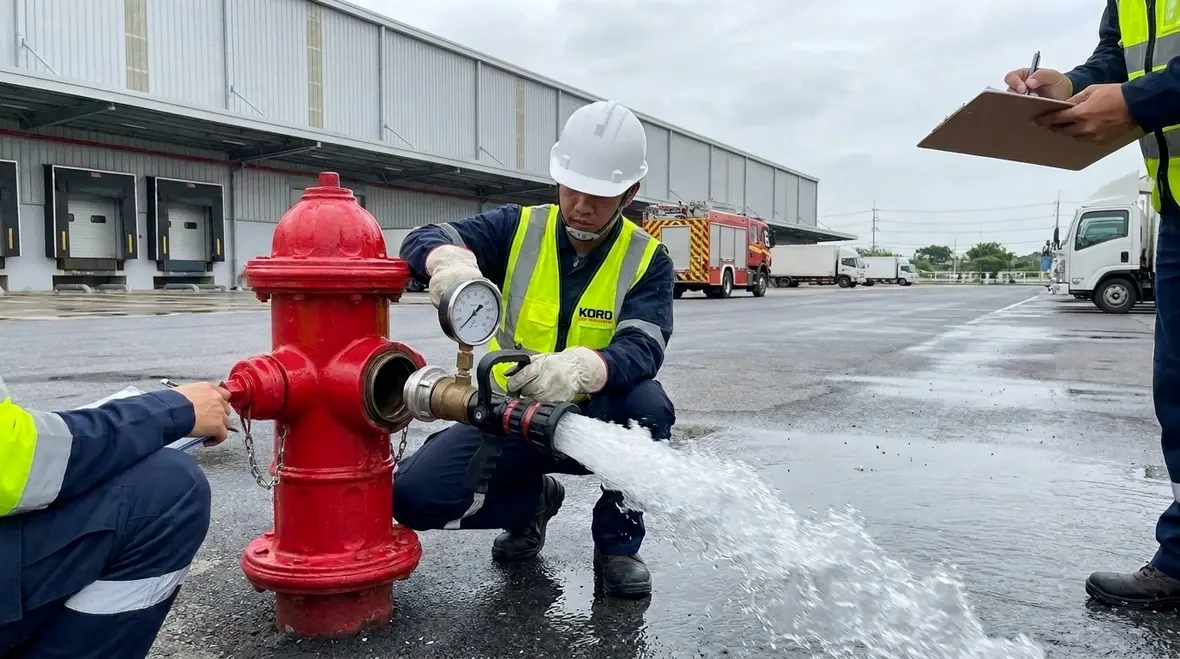
The testing process usually begins with a visual check, then moves into pressure and flow measurements. Technicians open hydrants in a planned sequence, record the numbers, and compare results against the expected supply. This creates a reliable view of the water system.
Here is a simple view of the usual stages:
- Step one: inspect the hydrant, fittings, and surrounding access.
- Step two: measure static pressure before water flows.
- Step three: open the hydrant and record residual pressure.
- Step four: calculate flow and compare the results with the rating pressure.
- Step five: document findings and identify any service needs.
This process supports both compliance and real world safety. Moreover, it helps sites catch blocked lines, aging valves, damaged fittings, or supply limits before an emergency puts them on stage like an actor with no lines.
What Technicians Are Really Looking For
The test is not just about producing a neat report with tidy columns and important looking numbers. Technicians are watching for signs of trouble. Maybe the pressure falls harder than expected. Maybe flow appears weak for the area. Maybe a valve behaves like it has not enjoyed regular attention in quite some time. These clues help determine whether the issue is isolated to one hydrant or points to something larger in the supply network.
Hydrant Rating Pressure NFPA and Site Compliance
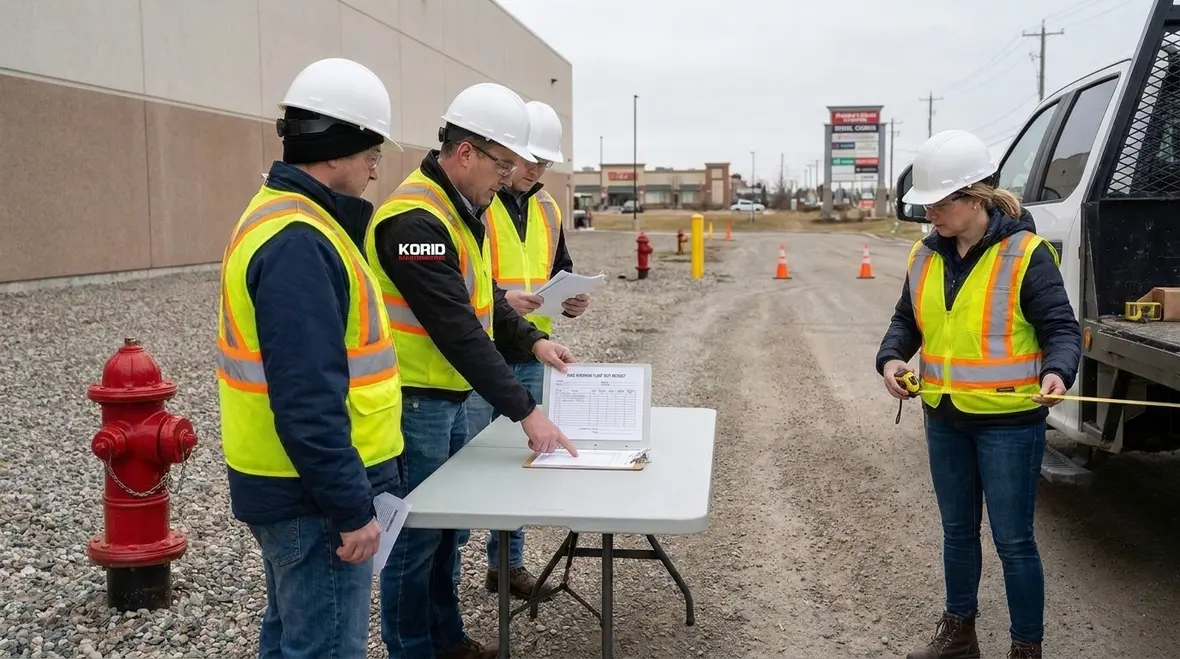
Compliance is not only about meeting a rule. It also protects operations, assets, and people. For large facilities, the results of hydrant testing can influence fire engineering reports, insurance reviews, and maintenance plans. Therefore, accurate rating pressure data carries real weight.
Across Australia, industrial estates, warehouses, retail centres, and commercial complexes often rely on these tests to prove that water supplies can support fire response. When the pressure is too low, the site may need upgrades, repair work, or a revised protection plan. When the pressure is strong, the site still benefits from proof that the system can perform when called upon.
That is why the hydrant rating pressure NFPA framework remains useful even in busy local environments. It gives teams a common language for water supply performance, which makes planning far easier and much less dramatic. Fire systems should not rely on guesswork. Guesswork belongs in movie plots, not hydrant testing.
How Compliance Helps Beyond the Test Day
The impact of a good hydrant test often stretches well beyond the clipboard and the curb. Results can shape upgrade budgets, support capital planning, and clarify whether existing hydrants still align with the site’s fire risk profile. They can also help teams avoid the awkward situation where everyone assumed the water supply was adequate because an old drawing said so.
How Kord Fire Protection Becomes a Vital Partner
Kord Fire Protection can play a key role in this work because testing is only part of the story. The real value comes from understanding the results and acting on them. Kord Fire Protection can support clients with hydrant inspections, testing, reporting, repairs, and practical fire protection advice tailored to the site.
- Testing and reporting: Kord Fire Protection can help document hydrant performance clearly, so site teams know where they stand.
- Fault finding: If pressure drops, flow is weak, or equipment shows wear, Kord Fire Protection can help trace the cause.
- Repair planning: Once issues appear, the team can help guide the next step, whether that means valve service, hydrant replacement, or system review.
- Ongoing support: Regular service keeps the system ready, which matters for sites that cannot afford downtime or fire risk.
In short, Kord Fire Protection can turn a test report into a useful action plan. That matters because a hydrant test should not end as a file in a cabinet. It should drive better protection, better decisions, and fewer surprises.
Readers who want more practical context can also explore Kord Fire Protection’s fire hydrant flow test guide to water pressure, which expands on how technicians interpret results and why those readings affect planning, design, and maintenance choices.
What Facilities Should Watch For After Testing
Once the results come in, facility teams should look for more than a pass or fail. They should check whether the pressure supports the site’s fire strategy, whether any hydrants underperform, and whether the system shows signs of age or wear. Even a small pressure drop may point to a bigger supply issue.
They should also review access around the hydrants. If trucks, bins, fencing, or landscape changes block response, the best pressure in the world will not save the day. Good performance only helps when crews can reach the gear.
In many cases, the test results lead to practical improvements such as maintenance, flushing, valve replacement, or a wider system review. That is where experienced support becomes valuable, because the numbers need context, not just applause.
A Sensible Post-Test Checklist
- Review whether the measured pressure aligns with the site’s fire protection strategy.
- Flag any hydrants that perform differently from nearby units.
- Check for access issues that could slow emergency response.
- Plan maintenance or repairs before minor concerns become larger ones.
- Keep reports organized so future testing can reveal trends instead of isolated snapshots.
FAQ
Final Word
Hydrant testing under NFPA 291 Section 4.2 gives sites real insight into water supply strength, not just a hopeful guess. For Australian industrial, retail, and commercial facilities, that knowledge matters. Kord Fire Protection can help make the process clear, useful, and ready for action.
For teams that want confidence, not crossed fingers, the next step starts with a proper test and the right partner. When the pressure data is understood and acted on, a hydrant becomes more than a fixture on the curb. It becomes a reliable part of a site’s wider fire protection strategy.

Join Our Newsletter!
Get the latest fire safety tips delivered straight to your inbox From our Newsletter.