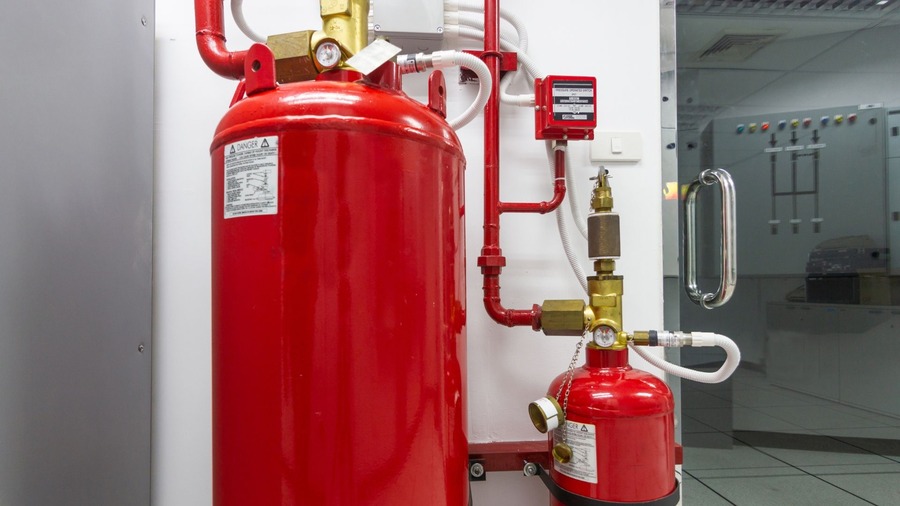
Kidde-Fenwal Fire Suppression Systems play a vital role in protecting assets and people where smoke, heat, and fast growing fires can turn into serious incidents in minutes. Fire suppression systems for critical environments like data rooms, industrial control spaces, and specialized equipment areas help reduce downtime and lower risk when seconds matter. Moreover, when a facility pairs those systems with qualified service, it gains something even more valuable than hardware: steady confidence. In this article, third person explains how these systems work, where they get used, and what pros and limits organizations should understand. To keep it grounded in reality, the piece also highlights how Kord Fire Protection technicians explain key details on-site, because that is where the theory either holds up or fails. And no, it should not fail. Fire does not care about your schedule.
How it works: Kidde-Fenwal protection in clear steps
First, a Kidde-Fenwal system detects a fire condition through sensors designed for the hazard type and environment. When conditions match a preset alarm profile, the control panel signals an action sequence. Next, the system releases extinguishing agent through piping or nozzles, or it activates a connected release mechanism, depending on the design. Then, the agent floods the protected space or targets the specific enclosure. Finally, the system monitors the event and can provide status reports to help teams understand what occurred and what needs follow-up.
In practical terms, these systems combine detection, control, and release into one coordinated workflow. That workflow matters because many real-world incidents start with a small fault that can grow quickly under pressure, heat, or airflow patterns. Therefore, the system design accounts for how smoke moves, how heat builds, and how airflow affects agent coverage.
Kord Fire Protection technicians often stress that the “how” depends on the hazard classification. For example, some spaces require fast detection and localized discharge, while others require coverage over an entire room or enclosure. In other words, the system is not a one-size-fits-all purchase. It is a tailored protection strategy. It also helps avoid the classic mistake of treating the system like a smoke detector with a personality.
Where used: critical environments that cannot afford delays
Kidde-Fenwal fire suppression systems show up in locations where equipment continuity, safety, and compliance overlap. Fire suppression systems for critical environments often include computer rooms, electrical cabinets, telecommunication areas, transformer or switchgear spaces, and industrial processing equipment where ignition sources can be hidden behind panels or insulation.
They also get used in spaces with sensitive contents. That can mean areas filled with servers, control electronics, or products where contamination control matters. In addition, some facilities use these systems for special enclosures where discharge should stay contained and consistent.
Because these locations demand reliability, the design usually considers access doors, ventilation settings, and enclosure geometry. Consequently, a system might use agent distribution methods that match the ceiling height, obstructions, and cable trays. Kord Fire Protection technicians commonly explain that a well-protected space is not only about putting nozzles in the right place. It also involves ensuring the space behaves the way the design assumed when the system plans got approved.
Pros and limits: what organizations gain and what they must respect
One clear advantage of Kidde-Fenwal designs is coordinated detection and release that can act rapidly. This can reduce fire growth, limit damage, and protect life safety when evacuation decisions must happen alongside suppression. Additionally, these systems help support operational continuity because fast response can prevent equipment loss that would take weeks to replace or repair.
However, limits exist and professionals should acknowledge them. First, design assumptions matter. If airflow changes after installation, or if a facility adds obstructions, the suppression performance might not match original expectations. Next, some agent options can affect the protected space conditions, so facilities need procedures for post-discharge response and cleanup planning.
Another limit involves maintenance discipline. If someone “forgets” periodic inspections, minor issues can compound. Then the system still exists, but it might not respond as designed. That is why fire suppression systems for critical environments need structured service, not occasional good intentions.
Here is a light joke for the serious work. Fire systems are like seatbelts. People love them right up until the day they realize they never checked whether they were actually buckled.
Maintenance: how teams keep release performance dependable
Maintenance keeps the detection-to-release chain healthy. Typically, this includes inspections, testing, and scheduled service actions defined by the manufacturer and the applicable standards used for the system type. Maintenance usually covers control panel checks, sensor verification, supervision circuits, and inspection of agent storage and release components.
During site service, Kord Fire Protection technicians often walk through a clear process. They review event logs, verify wiring integrity where accessible, inspect nozzles or discharge routes, and confirm that the system remains properly supervised. Moreover, they confirm that any facility changes since installation did not alter airflow, hazards, or enclosure behavior.
Just as important, maintenance includes ensuring stakeholders know what to do after an event. That might mean resetting procedures, ventilation control, and documentation steps for insurance and compliance. Therefore, a good maintenance program is not just “test and move on.” It builds a response muscle for the next incident.
Facilities also benefit from storing spare parts, ensuring access for service teams, and training personnel on what they should not touch. When untrained staff start flipping switches, things can get spicy in the wrong way.
Code considerations: NFPA, approvals, and the paperwork that prevents chaos
Fire safety design and installation should follow applicable codes and standards. NFPA guidance often applies depending on the type of hazard and the system configuration. Many facilities also require local authority having jurisdiction review. That process matters because code compliance affects acceptance testing, system documentation, and final sign-off.
In many cases, the design team routes the system through an approval path that includes plan review, installation verification, and operational testing. Then the facility receives the approvals required to keep the system in service. Kord Fire Protection technicians commonly explain that documentation is not optional. It helps maintain consistent operation, supports inspection readiness, and provides traceability if questions arise later.
Because the exact requirements depend on the protected hazard, the system agent type, and the occupancy classification, the best approach involves coordinating with qualified design and service professionals. Those pros help align the release strategy, detection coverage, and maintenance plan with the codes and the facility’s risk picture. In short, it is less about guessing and more about getting the system approved the first time.
Dual column realities: design, installation, and commissioning checks
To make the details easier to scan, here is a practical view of what gets checked during a quality rollout. Because yes, the “it looks installed” phase sometimes arrives before the “it works correctly” phase.
Design and placement
Engineers evaluate hazard type, enclosure geometry, ventilation, and obstructions.
They select detection locations and discharge strategy to match the intended protection method.
Kord Fire Protection technicians emphasize alignment between drawings and actual field conditions.
Installation and commissioning
Technicians verify wiring, supervision, piping routing, and component labeling.
They test detection and release sequences and confirm control panel indications.
Facilities document results and support approval requirements for ongoing operation.
Choosing the right system approach: questions facilities should answer
Facilities choose system type and configuration by answering a few core risk questions. First, what starts the fire risk in this space: electrical faults, hot work exposure, or process ignition sources? Next, what must the system protect: life safety, high value equipment, or a contained enclosure that needs rapid suppression? Then, how does the space behave: does it have steady airflow, frequent door openings, or ceiling obstructions?
After that, teams plan for practical response. Who will reset the system after discharge? How will they handle alarms and maintain operations during investigation? Where will the agent go after discharge, and how will staff verify clearance before reentry?
Because Kord Fire Protection technicians work alongside partner systems teams, they often translate these questions into field-ready actions. They help confirm what the design assumed, and then they verify it during commissioning. Also, they point out that a “perfect spec” can still underperform if the space changes after installation. So the best path includes both good design and ongoing facility coordination.
FAQ: quick answers for featured snippets
How quickly do Kidde-Fenwal fire suppression systems respond?
They typically respond fast because the system uses detection and an automatic release sequence. Response speed depends on sensor type, layout, and the configured alarm profile.
Where do these systems commonly get installed?
They commonly protect electrical and equipment spaces, industrial enclosures, and other critical areas where fast suppression and reliable performance matter.
Do they require regular inspections?
Yes. Scheduled inspections and testing help ensure sensors, control components, and release pathways work as designed.
What role does NFPA play?
NFPA standards often guide design and installation requirements depending on the hazard type. Projects frequently route through code-based approvals and inspection steps.
Can a facility approve and maintain the system long term?
Yes, when the facility follows maintenance schedules, keeps documentation, and coordinates with qualified technicians for testing and verification.
Partner support and next steps for approval-ready protection
Partnering with Kord Fire Protection helps facilities move from concept to approval-ready protection without guessing. Kord Fire Protection technicians explain how Kidde-Fenwal fire suppression systems for critical environments work, then they align the design, installation checks, and maintenance plan with real field conditions. When NFPA requirements and local approval steps apply, the right documentation and commissioning testing matter. If your facility needs dependable suppression coverage, contact Kord Fire Protection today to plan a code-aligned assessment and a clear path to service.
Know Your Weapon Before You Fight the Flame
Kord Fire Protection is your go-to when it comes to all things fire protection. For over 20 years, we’ve been serving Southern California with the quality service and equipment to keep your home or business safe at all times. Our competitive prices reflect our unwavering commitment to protecting what matters most in the event of a fire emergency. Give us a call, send an email, or use that form!

Join Our Newsletter!
Get the latest fire safety tips delivered straight to your inbox From our Newsletter.