Jockey Pump Sizing and Fire Pressure Maintenance
Jockey Pump Sizing and Pressure Maintenance Guidelines
In the world of fire protection, there is something quietly heroic about a well tuned pressure system. It does not make noise. It does not seek applause. Yet without it, sprinklers hesitate, alarms falter, and safety slips through the cracks. From jockey pump operation Downtown LA buildings to fire pressure maintenance Anaheim commercial zones, property owners depend on steady, reliable pressure to guard lives and investments. Throughout Southern California, Kord Fire Protection technicians often explain that the smallest pump in the room can carry the greatest responsibility. And yes, like the bass player in a rock band, it rarely gets the spotlight. But without it, the show falls apart.
This guide walks through proper sizing, system balance, and long term reliability. It speaks plainly. It moves with purpose. And it keeps things clear, because when it comes to fire systems, confusion has no place.

The Role of a Jockey Pump in Modern Fire Protection
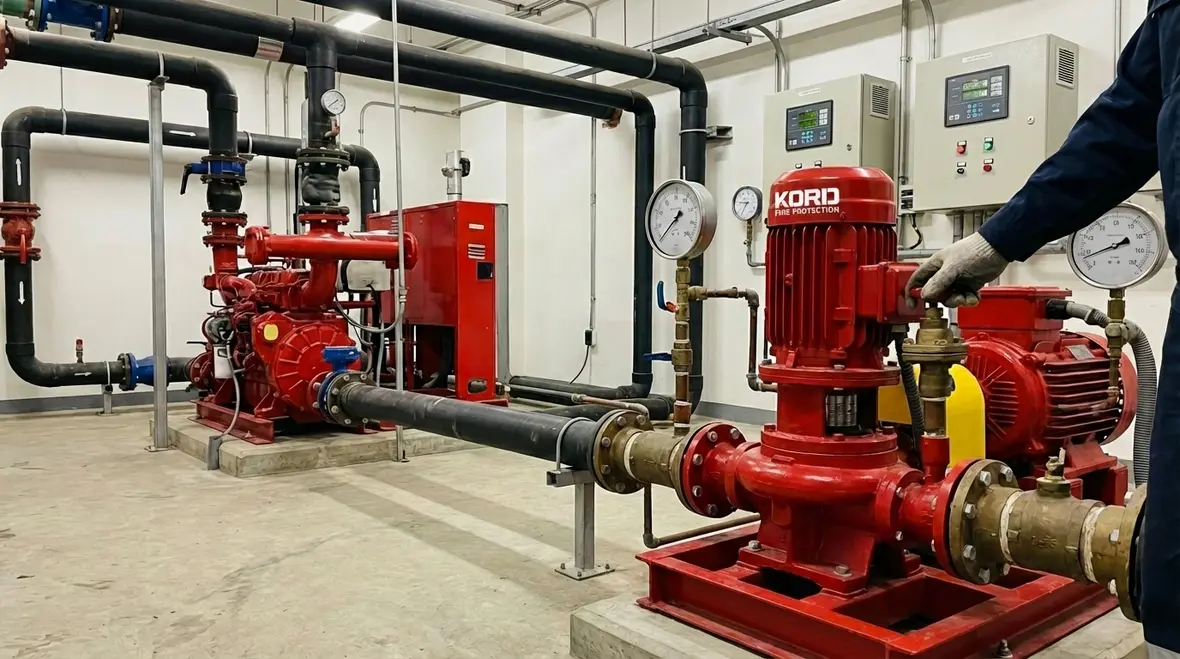
A jockey pump exists to maintain pressure in a fire sprinkler system. While the main fire pump waits for an emergency, the jockey pump handles the small fluctuations that happen every day. Tiny leaks. Temperature changes. Minor valve seepage. All of these cause pressure drops. Without correction, those drops would trigger the main pump. That would be like starting a jet engine because someone opened a window.
Instead, the jockey pump starts first. It restores pressure gently and then shuts off. As a result, the system remains stable and the main pump avoids unnecessary wear.
Kord Fire Protection technicians often describe it in simple terms. The jockey pump is the bodyguard who keeps the crowd calm so the heavyweight champion never has to step into the ring. That clarity helps building managers understand why sizing and calibration matter so much.
Moreover, proper pressure maintenance ensures compliance with fire codes and insurance requirements. In cities with dense infrastructure, such as Los Angeles and Anaheim, reliability is not optional. It is expected. For a deeper dive into how pressure maintenance supports NFPA-driven design, see Kord Fire’s guide on jockey pump requirements and pressure maintenance.
How to Size a Jockey Pump Correctly for a Commercial Fire System
Sizing is not guesswork. It is math, logic, and experience working together. Although the jockey pump is smaller than the main pump, it must match the system it supports.
First, technicians determine the system pressure. This includes the static pressure required to keep the highest sprinkler head primed and ready. Next, they calculate acceptable pressure drop limits. Typically, the jockey pump should restore pressure without causing rapid cycling.
As a rule of thumb, the jockey pump flow rate should equal the estimated leakage rate of the system. In many commercial buildings, this equals a small percentage of the main fire pump capacity. However, percentages alone are not enough. Pipe length, elevation changes, and valve condition all influence final selection.
Kord Fire Protection technicians emphasize that oversizing creates more problems than undersizing. A pump that is too powerful will cycle on and off repeatedly. That constant cycling shortens motor life and stresses controls. On the other hand, a pump that is too small cannot restore pressure efficiently, which risks unnecessary activation of the main pump.
Therefore, proper sizing balances three elements:
- System static pressure requirements
- Estimated leakage and pressure loss
- Control set point differentials
When these align, the system operates smoothly. When they do not, problems follow quickly.
Understanding Pressure Set Points and Control Logic
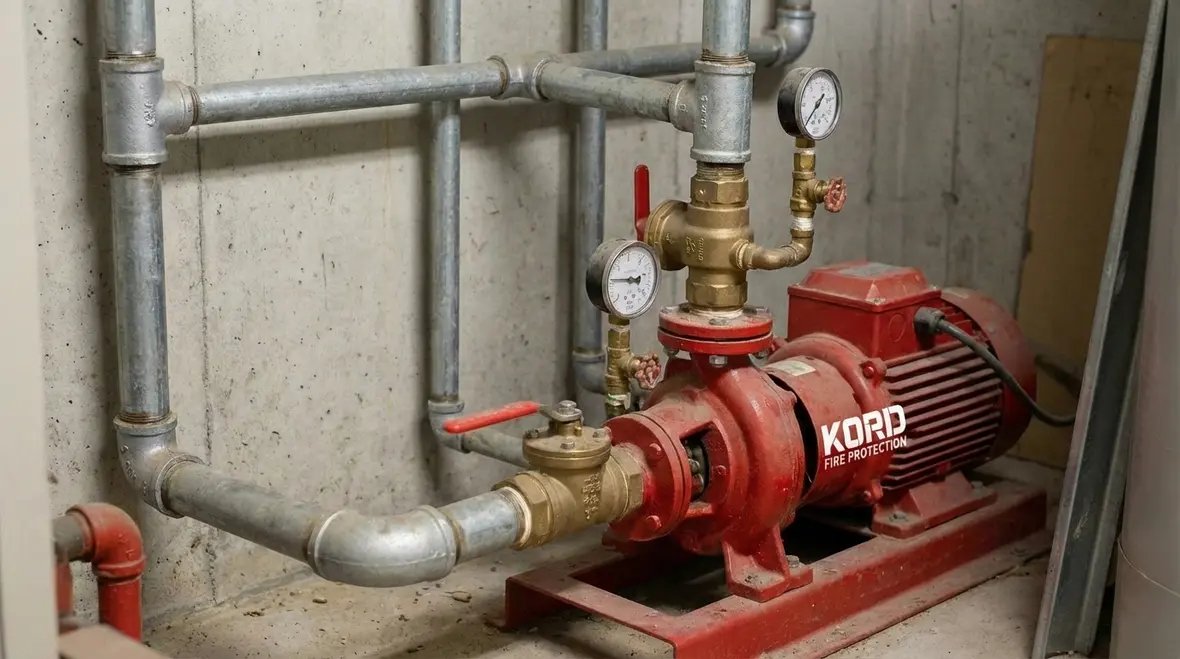
Pressure maintenance is not only about pump horsepower. It is also about control strategy. The jockey pump typically activates at a higher pressure set point than the main fire pump. That sequence ensures the smaller unit responds first.
For example, if the system operates at 150 psi, the jockey pump might start at 145 psi and stop at 150 psi. Meanwhile, the main pump might activate at 135 psi. This staggered setup creates a buffer zone. Consequently, minor drops trigger only the jockey pump, while significant drops activate the main system.
Kord Fire Protection technicians often explain this with calm precision during service visits. They show facility managers how improper calibration can lead to nuisance alarms or unnecessary pump starts. Additionally, they test pressure switches to confirm accurate response.
Temperature swings also affect system pressure. During cooler nights, pressure may drop naturally. Therefore, seasonal adjustments sometimes improve stability. In regions like Downtown Los Angeles, where high rise buildings experience vertical pressure differences, careful calibration becomes even more critical.
Ultimately, correct set points protect equipment and extend service life. It is less drama, more reliability. And in fire protection, that is exactly what you want.
Common Sizing Mistakes That Lead to System Failure
Even experienced contractors can make errors when rushing through calculations. However, fire protection systems do not forgive shortcuts.
One common mistake involves ignoring elevation. In tall buildings, vertical rise significantly impacts required pressure. If this factor is overlooked, upper floors may experience inadequate coverage. That risk is unacceptable.
Another frequent issue is failing to account for real world leakage. Over time, fittings loosen and valves age. While initial design may assume minimal loss, aging systems behave differently. Therefore, reassessment during retrofits is essential.
Electrical supply also matters. An improperly matched motor can strain under load. As a result, overheating and early failure become likely.
In jockey pump operation Downtown LA buildings, technicians often encounter systems installed decades ago. Codes have evolved. Equipment standards have improved. Consequently, older sizing methods may not meet modern expectations. During inspections, Kord Fire Protection technicians explain these updates in plain language. They connect technical data to practical outcomes. That approach builds trust and prevents surprises.
Finally, ignoring testing schedules creates long term risk. Even a perfectly sized pump cannot compensate for neglected maintenance. To understand how routine fire pump inspections back up jockey pump performance, Kord Fire’s article on routine fire pump inspections offers useful context.
Dual Overview: Proper Sizing vs Improper Sizing Outcomes
Proper Sizing and Calibration
- Stable system pressure
- Minimal pump cycling
- Long motor life
- Reduced energy use
- Compliance with fire codes
Improper Sizing or Setup
- Frequent cycling and overheating
- Unnecessary main pump activation
- Pressure alarms and tenant complaints
- Higher maintenance costs
- Potential code violations
The contrast speaks clearly. While the upfront effort to size correctly requires precision, the long term savings and safety benefits far outweigh the time invested.
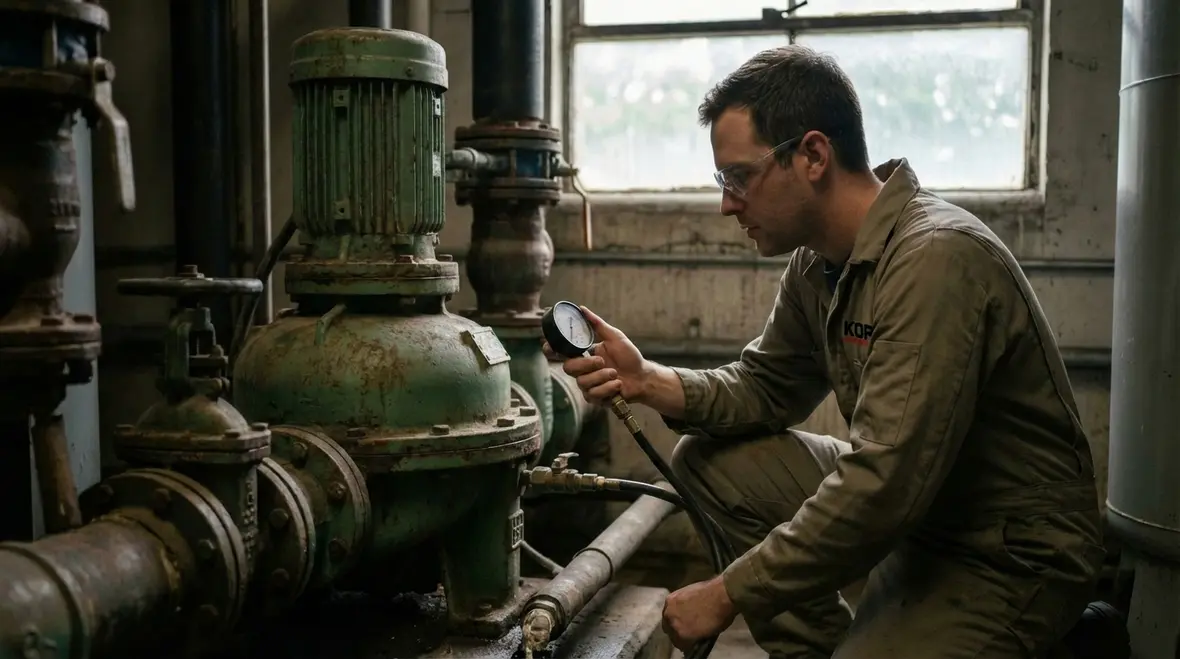
Fire Pressure Maintenance in Anaheim Commercial Zones
In Anaheim commercial zones, steady fire pressure maintenance supports retail centers, warehouses, and hospitality properties. These facilities often operate around the clock. Therefore, pressure stability must remain constant.
Kord Fire Protection technicians frequently note that water supply conditions vary across districts. Municipal supply pressure may fluctuate during peak usage hours. Consequently, system calibration must consider external factors.
For example, if incoming water pressure drops during daytime demand, the jockey pump may compensate more often. Without proper configuration, that could mask a deeper supply issue. Hence, technicians analyze both internal and municipal conditions during assessments.
Additionally, seismic considerations in California influence piping design and anchoring. Although earthquakes are not daily events, preparation is mandatory. Secure piping and stable pressure systems reduce post event damage.
Because Anaheim hosts large public venues, reliability carries public safety implications. A stable pressure maintenance strategy ensures sprinkler readiness during high occupancy events. No one wants to rely on luck when thousands gather under one roof.
Inspection, Testing, and Long Term Reliability
Even the best design requires consistent attention. Regular inspection verifies that pressure switches respond accurately. Technicians measure cut in and cut out settings, confirm motor amperage draw, and inspect check valves for leakage.
Furthermore, annual flow testing validates performance under simulated demand. Although the jockey pump handles small corrections, technicians confirm that it does not interfere with main pump sequencing.
Lubrication, seal inspection, and electrical tightening form part of preventive service. Over time, vibration loosens components. Therefore, scheduled maintenance prevents minor issues from becoming major failures.
In both jockey pump operation Downtown LA buildings and surrounding regions, Kord Fire Protection technicians emphasize documentation. Detailed service logs support code compliance and insurance audits. More importantly, they create a history that helps predict future needs.
There is also a human element. Facility managers change. Staff rotates. However, clear documentation keeps knowledge from walking out the door. It is less mystery, more method.
What Building Owners Often Ask About Jockey Pumps
Building owners and property managers tend to ask practical questions. They want to know costs, lifespan, and warning signs. While the technical side matters, real world impact matters more.
Technicians often advise watching for frequent cycling. If the pump starts too often, leakage or incorrect set points may exist. Additionally, unusual noise or vibration signals mechanical wear.
Energy consumption also draws attention. Although jockey pumps are smaller units, inefficient operation increases utility costs. Therefore, monitoring usage patterns supports both safety and budget control.
Finally, owners ask how long a pump should last. With proper sizing, correct calibration, and consistent maintenance, many units operate reliably for years. However, neglect shortens that lifespan dramatically. As the saying goes, equipment remembers how it was treated.
FAQ: Quick Answers for Property Managers
Conclusion: Precision Today, Protection Tomorrow
Proper jockey pump sizing and pressure maintenance are not glamorous tasks. Yet they stand at the core of reliable fire protection. From high rise systems to busy commercial districts, stability protects people and property every day. Kord Fire Protection technicians bring clarity, experience, and calm authority to every assessment.
For facility teams who want to go deeper into fire pump performance, exploring Kord Fire’s full range of fire protection services can help connect jockey pump maintenance to the bigger picture of system health.
For building owners seeking dependable performance and code compliant confidence, the next step is simple: schedule a professional evaluation and ensure your system stands ready when it matters most. Kord Fire’s dedicated fire pump service team provides inspection, testing, and maintenance so your jockey pump and main pump work together exactly as designed.
Know Your Weapon Before You Fight the Flame
Kord Fire Protection is your go-to when it comes to all things fire protection. For over 20 years, we’ve been serving Southern California with the quality service and equipment to keep your home or business safe at all times. Our competitive prices reflect our unwavering commitment to protecting what matters most in the event of a fire emergency. Give us a call, send an email, or use that form!

Join Our Newsletter!
Get the latest fire safety tips delivered straight to your inbox From our Newsletter.