Internal Sprinkler Pipe Inspection NFPA 25 in Australia
Quick Answer
NFPA 25 Section 14.2 guides how to assess the inside of fire sprinkler piping for corrosion, blockage, scale, and hidden damage. For industrial, retail, and commercial facilities across Australia, this inspection helps protect water flow and system reliability. Kord Fire Protection can support this work with skilled inspection, reporting, and practical maintenance planning.
Fire systems do not usually fail with drama. They fail quietly, inside the pipe, where rust, debris, and buildup can work like a slow moving villain in a bad sequel. That is why internal sprinkler pipe inspection NFPA 25 matters. It gives facility teams a clear way to check the internal condition of fire sprinkler piping before a small issue becomes a costly shutdown. For industrial sites, retail centers, warehouses, and commercial buildings across Australia, this is not just compliance. It is risk control with a flashlight.
If your team is already reviewing broader fire sprinkler system service needs, this inspection fits naturally into that conversation. It helps connect what happens inside the pipe with the maintenance, repairs, and long term planning that keep the whole system dependable. For a wider code context, Kord Fire Protection also covers this in its NFPA 25 overview of water based fire protection systems maintenance.
What NFPA 25 Section 14.2 means for facility teams
NFPA 25 Section 14.2 focuses on the internal condition of fire sprinkler piping. In plain terms, it asks a simple question: what is happening inside the pipe that the eye cannot see? The answer may include corrosion, mineral scale, microbiologically influenced corrosion, foreign material, or signs of water quality trouble. Because of that, the inspection helps reveal problems before they affect sprinkler performance.
For large facilities, this matters even more. Systems often sit for years with little visible change at the outside. However, inside the pipe, conditions can shift due to stagnant water, mixed metals, age, or poor water supply quality. As a result, internal sprinkler pipe inspection NFPA 25 becomes a vital step in keeping the system ready for action.
Why this matters beyond the paperwork
Facility teams already juggle service schedules, contractor coordination, tenant pressure, production targets, and the occasional mystery leak that appears right before lunch. Internal pipe inspection adds value because it replaces assumptions with evidence. Instead of hoping the system is fine because the outside looks calm, teams get a documented picture of what is actually going on where the water must travel.
Why the inside of sprinkler piping deserves close attention
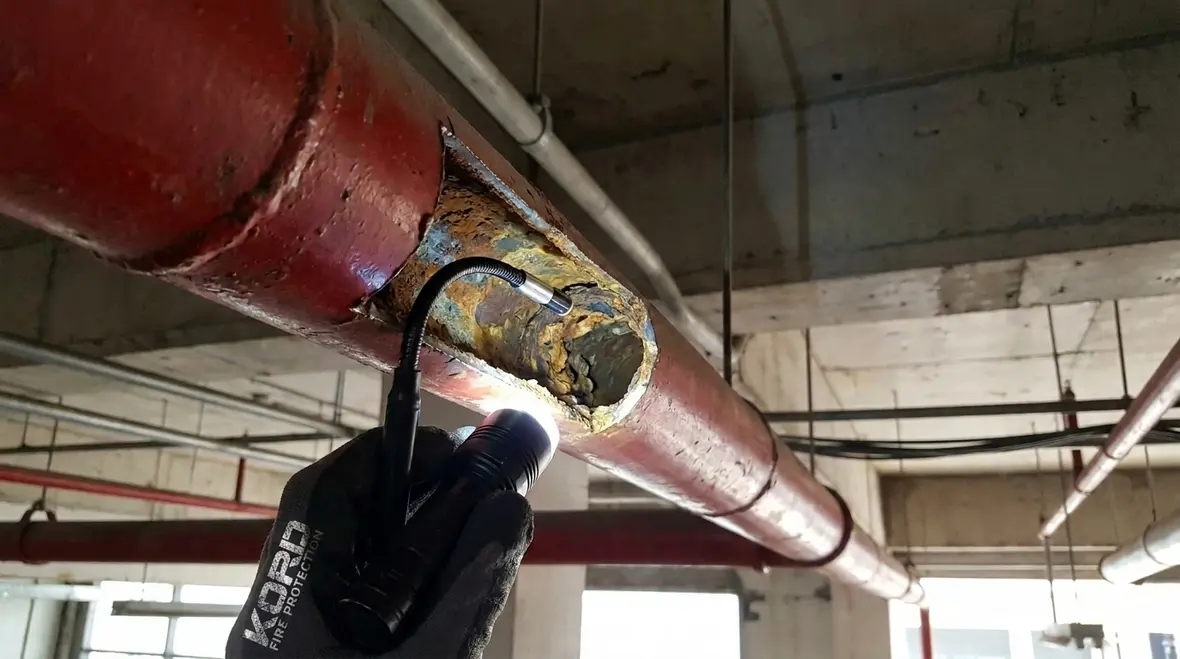
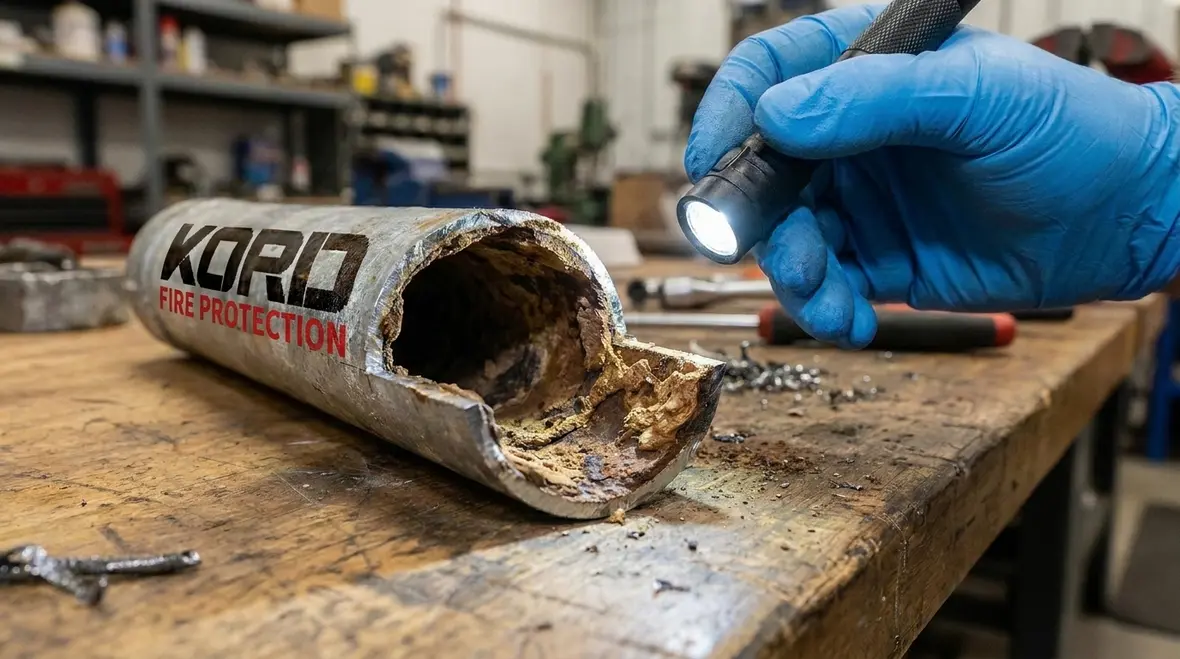
Inside a sprinkler pipe, small issues can grow into major trouble. Corrosion can reduce pipe diameter. Sediment can block water flow. Scale can build up like concrete in slow motion. Then, when a sprinkler activates, the system may not deliver the flow it should. That is the kind of surprise nobody wants on a Monday morning.
In commercial and industrial settings, a blocked or weakened pipe can affect fire response time, safety, insurance standing, and business continuity. Therefore, an internal sprinkler pipe inspection NFPA 25 should never be treated as a box to tick and forget. It should support a broader fire protection plan.
- Corrosion can narrow the path that water needs to take
- Debris can collect at branch lines, fittings, and low points
- Scale can signal long term water quality or material issues
- Wall loss can weaken the pipe even before leaks become obvious
- Hidden buildup can delay performance when time matters most
How the inspection process works on site
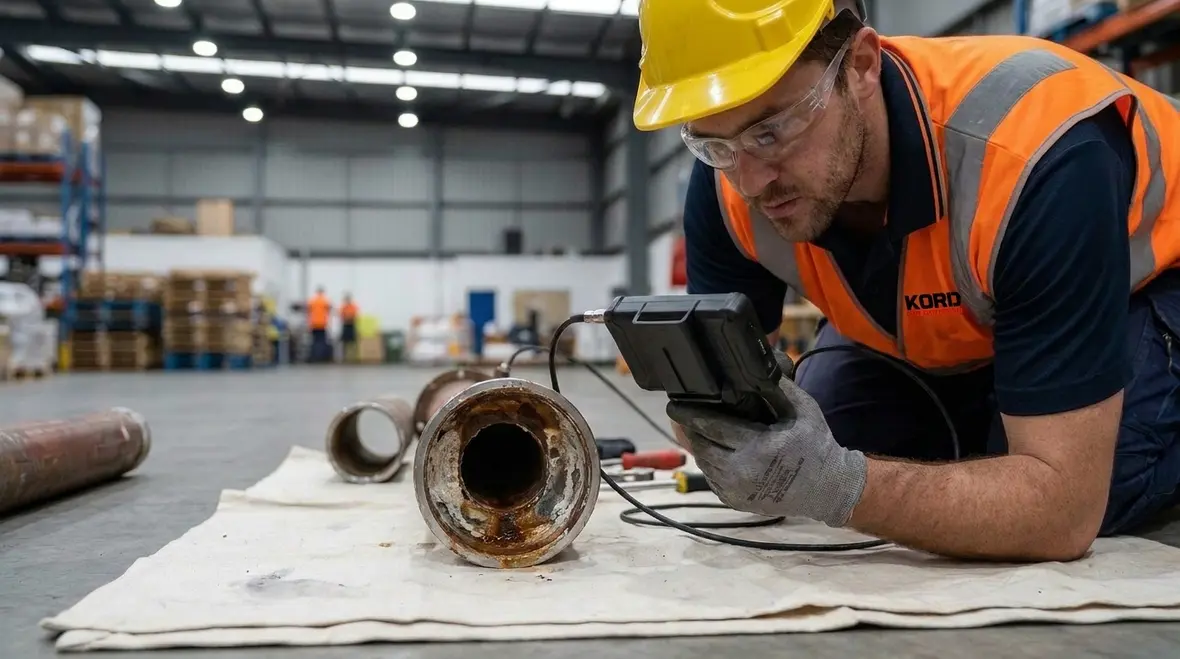
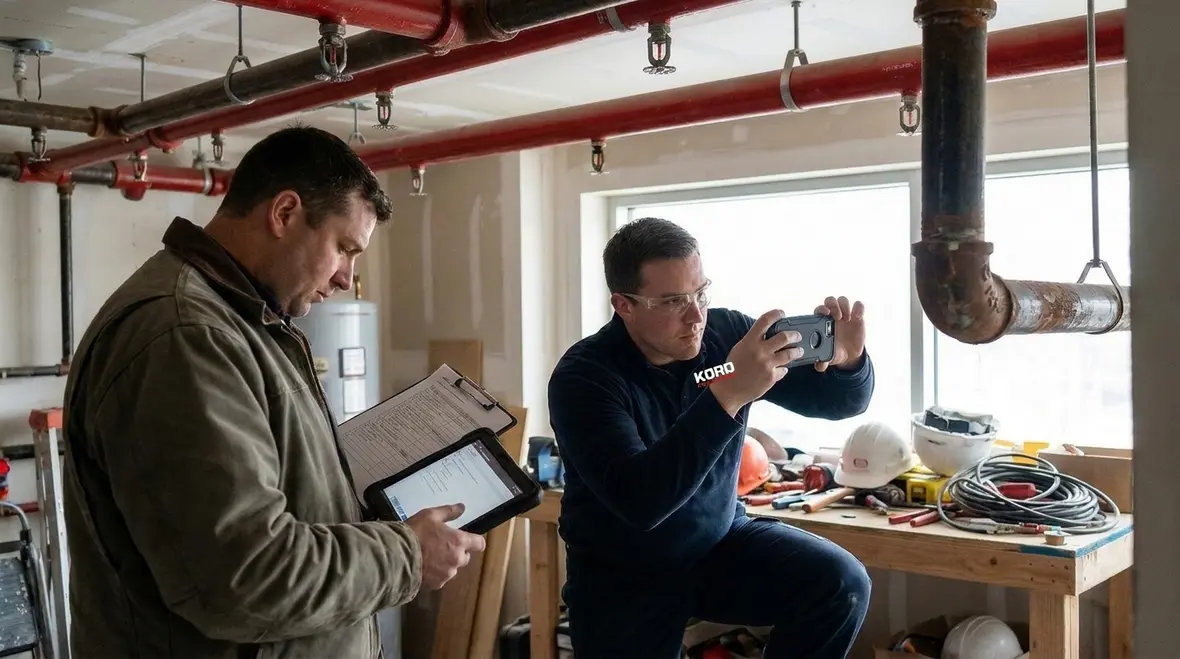
The process usually starts with a planned review of the system type, age, history, and water supply concerns. Then the inspection team identifies test points, removes pipe sections where needed, or uses approved methods to examine the internal condition. The goal is not to guess. The goal is to see, document, and act.
In practice, the team looks for:
- Rust and corrosion
- Scale and mineral buildup
- Sludge or debris
- Pitting or wall loss
- Signs of trapped water or poor drainage
- Evidence of microbial activity
After that, the findings guide the next move. Sometimes the system needs flushing. Sometimes it needs repairs. Sometimes a deeper remediation plan is required. Either way, the inspection gives facts, not folklore.
What a good report should leave you with
A useful inspection report should not read like a riddle wrapped in a clipboard. It should explain where the inspection occurred, what was found, how severe it appears, and what practical next steps make sense. That may include monitoring, flushing, replacing affected sections, or planning a larger maintenance program. Clear reporting helps facilities make decisions without turning every meeting into a detective series.
What Kord Fire Protection can do as a service partner
Kord Fire Protection can become a vital partner because this work needs more than a quick look and a clipboard. It needs experience, planning, and a clear understanding of fire system behavior. A strong partner helps facilities manage inspection timing, access, reporting, and follow up work without turning operations upside down.
Kord Fire Protection can support the internal sprinkler pipe inspection NFPA 25 process by helping with:
- Inspection planning for low disruption
- On site assessment of pipe condition
- Clear documentation of findings
- Recommendations for cleaning, repair, or replacement
- Coordination with facility teams and contractors
That kind of support matters. After all, a fire sprinkler system should not be treated like a mystery box from a sci fi movie. It should be understood, maintained, and ready.
How Kord Fire Protection can support compliance and uptime
For facilities across Australia, compliance and uptime often pull in different directions. One wants the job done. The other wants the building open. A capable service partner helps balance both. Kord Fire Protection can work with facility managers to schedule inspections around operations, reduce downtime, and keep the process smooth.
Moreover, good inspection data helps support asset management. When the internal condition is known, teams can plan maintenance with less guesswork. That means fewer emergency callouts, better budgeting, and less chance of a full system surprise during peak trading or production.
Two ways to think about the internal condition check
Here is a simple view of why the inspection matters and what it can reveal.
Common issue
Corrosion, scale, debris, trapped water, hidden blockage, and wall loss.
Why it matters
Reduced flow, delayed sprinkler action, possible system failure, higher repair cost, and greater business risk.
This is why internal sprinkler pipe inspection NFPA 25 should sit near the top of the maintenance list, not buried under ten other “we will get to it later” tasks.
When facility managers should plan the inspection
Facility teams should plan the inspection when the system shows trouble signs, when water quality changes, after repeated drain issues, or when the system has reached an age where internal condition becomes a real concern. In addition, inspections should follow the relevant NFPA 25 schedule and any site based risk factors.
Retail sites with large ceiling coverage, warehouses with high bay systems, and industrial plants with harsh conditions may need closer attention. Therefore, the best time to act is before a problem appears on a smoke filled scoreboard.
Practical triggers that should move this up the list
- Repeated evidence of dirty drain test water
- Known corrosion history in older sprinkler piping
- Unexplained pressure or flow concerns
- Frequent repairs in the same section of system
- Harsh site conditions or questionable supply water quality
FAQ
Conclusion
Internal sprinkler pipe inspection NFPA 25 is more than a code requirement. It is a practical way to protect people, property, and operations. For facilities across Australia, understanding the inside of the sprinkler system can prevent expensive surprises and support better maintenance decisions long before an emergency ever tests the system.
Kord Fire Protection can help facilities handle the inspection with less stress and better results through planning, reporting, and practical follow up. For teams that want clear answers and a steady hand, that partnership can make all the difference. Reach out and keep the system ready before it gets dramatic.

Join Our Newsletter!
Get the latest fire safety tips delivered straight to your inbox From our Newsletter.