When a building needs both life safety and day to day protection, integrated fire and security systems give teams one coordinated platform instead of two competing ones. Aritech Fire Systems brings fire detection, alarm signaling, and security monitoring into a single design mindset, so the right action can happen faster. Meanwhile, kord fire protection technicians help explain the details in plain language, because no one should need a decoder ring to understand their own safety equipment. And yes, the equipment should be serious, but the training can still feel human. In the sections that follow, third person guidance walks through how it works, where it performs in the real world, what it does well, and what to plan for long term.
Integrated Fire and Security Systems with Aritech Fire Systems Explained
How Aritech Fire Systems Works in a Real Network
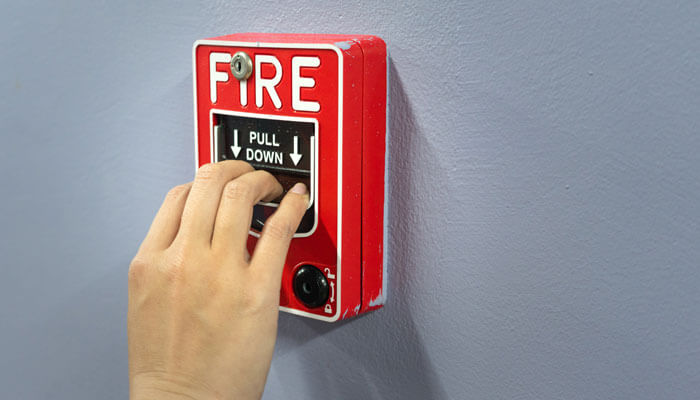
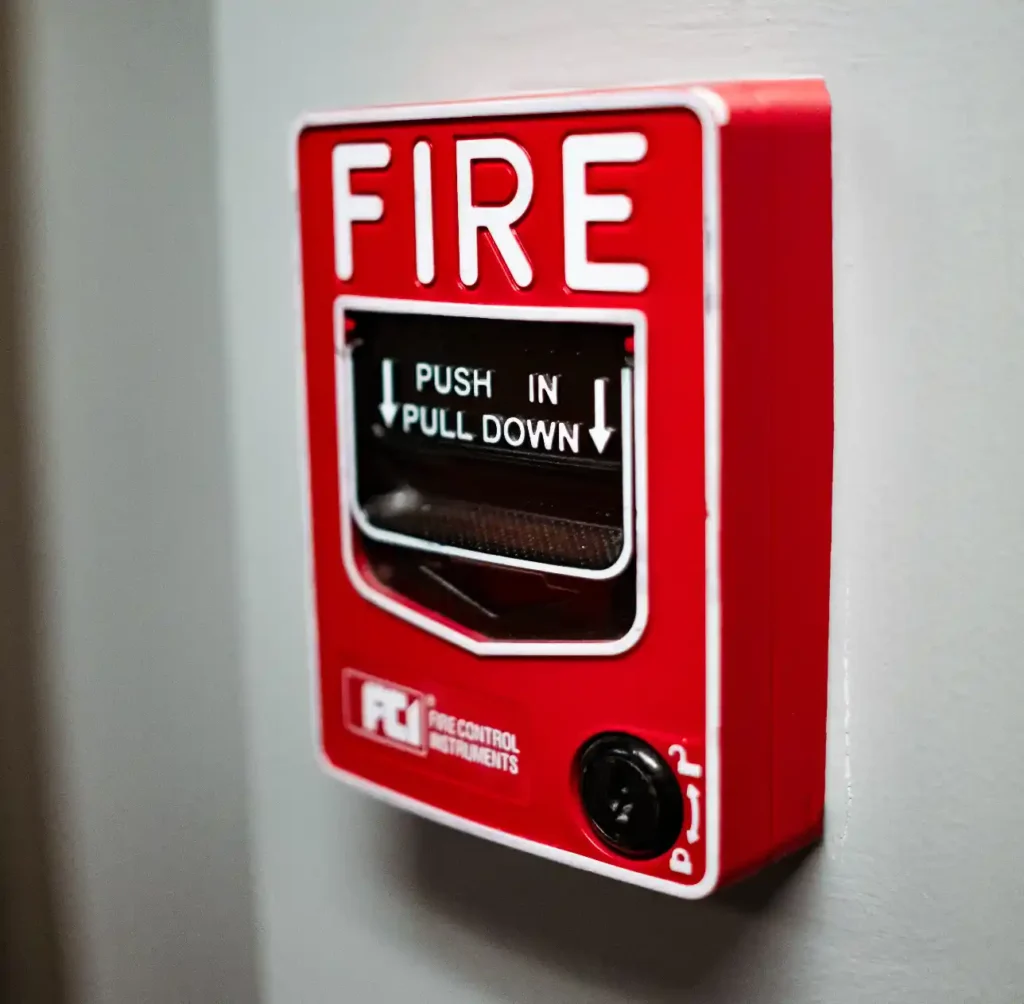
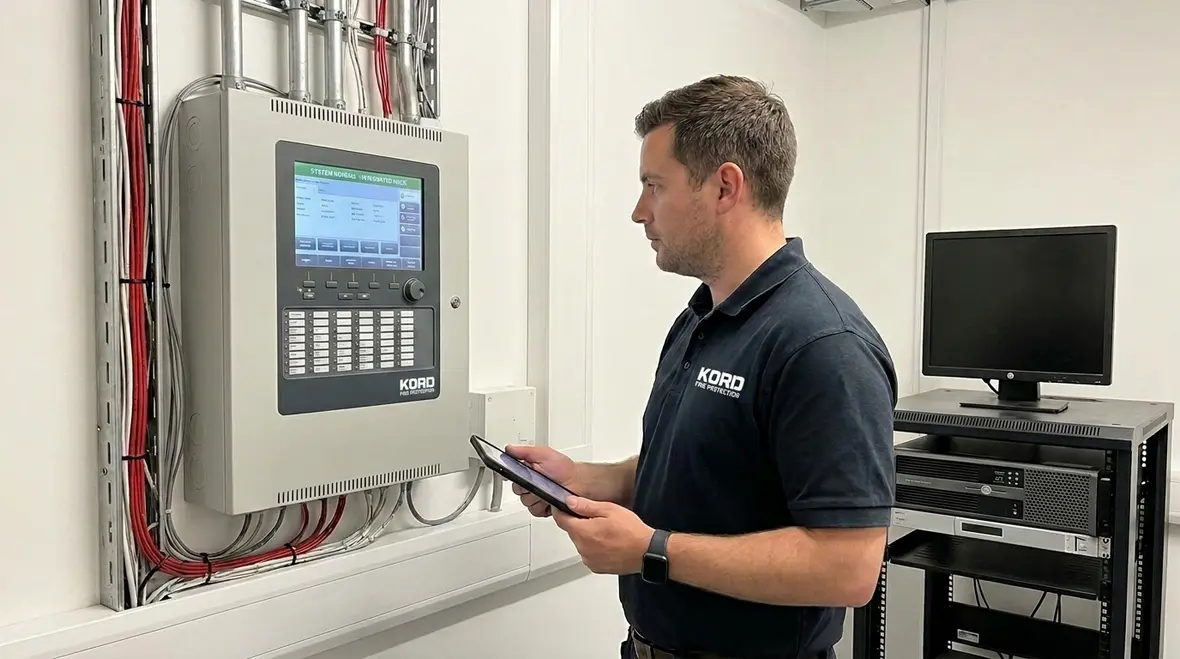
First, Aritech Fire Systems collects signals from devices like smoke detectors, heat sensors, manual pull stations, and monitored inputs tied to security. Then it processes those signals at the control panel and sends the right messages to annunciators, networked monitoring, and alarm outputs. At the same time, security inputs and system status can flow through the same operational framework, so an event does not live in isolation.
Next, the system uses staged logic to control outputs. For example, it can trigger local notification before escalating to broader building alerts. Because the system can interpret multiple conditions, it reduces nuisance alarms when configured well. In addition, it can integrate with other building services, such as door release behavior during evacuation or coordination with monitored control points. This means the building responds in a way that aligns with life safety goals, not just generic rules.
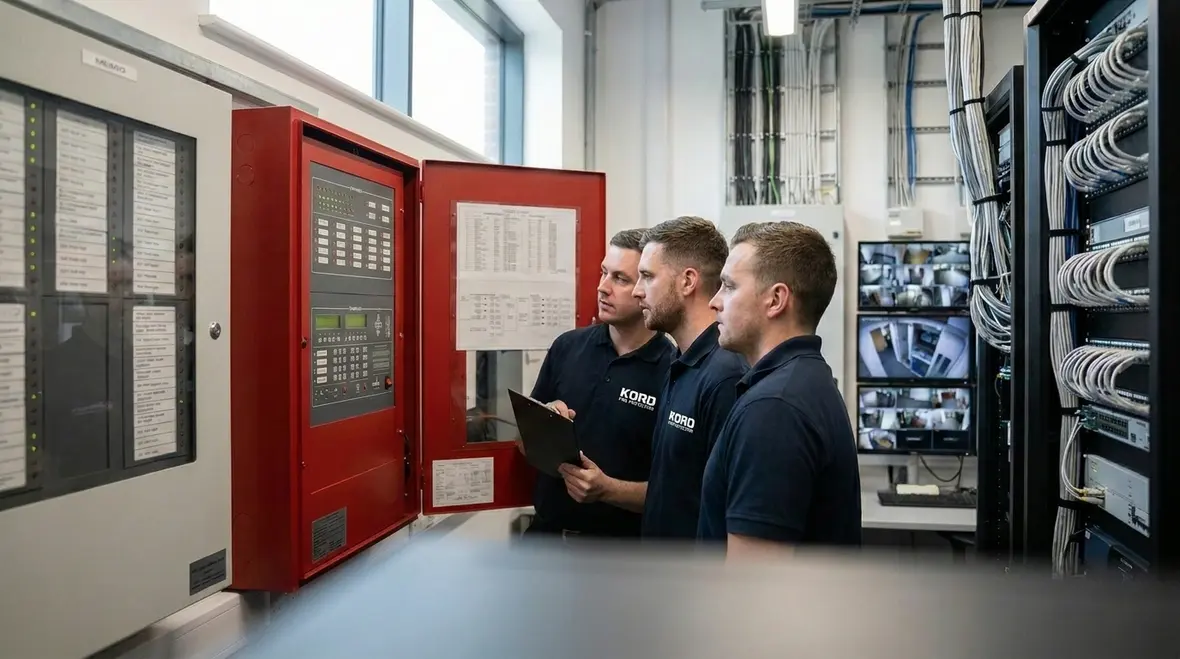
However, coordination only works when the design reflects the building. Therefore, kord fire protection technicians often walk through device placement, wiring paths, and how alarm zones map to real spaces. When they explain it, they also help people understand the difference between detection, signaling, and monitoring, which are three distinct jobs wearing one uniform.
To keep the system understandable, it should include clear labeling, consistent zone naming, and documented input and output schedules. Then operators can view events quickly and act without guessing. Also, a good installation keeps paths separated where needed, so trouble signals show up early instead of after something has gone wrong.
Real World Use Cases: Where Integration Saves Time
In practice, integrated systems shine when the building team needs quick decisions and consistent actions. In an office setting, a security breach does not automatically mean a fire, and a fire does not mean security becomes irrelevant. Still, when those systems share coordinated logic, staff can respond with fewer mistakes. For instance, if an alarm triggers in a stairwell or lobby, the building can also manage access control behavior that supports evacuation.
In retail, detection patterns and customer movement can change quickly. Therefore, the system should help staff verify the event and communicate clearly. If the system supports monitored door status or area control, it can reduce confusion by keeping doors in the correct state during an alarm. In other words, staff do not have to play “where did the sensor go?” like it is a hidden object game.
In warehouses and industrial buildings, nuisance alarms can frustrate teams and slow response. Yet with good device selection and placement, Aritech Fire Systems can help reduce false triggers while still maintaining life safety detection. Moreover, when security events occur during off hours, integration can help the control center see the bigger picture. That does not mean the systems replace each other. Instead, the integrated fire and security systems approach helps one operator understand what matters without opening five different dashboards.
In multi tenant facilities, reliable zoning and clear event routing prevent confusion across suites. As a result, the control room can notify the right parties, and the on site team can focus on the correct area first. That saves time, and time, in this business, is not a vibe. It is a safety factor.
Strengths and Potential Weak Points to Plan For
Aritech Fire Systems offers several strengths when implemented with care. First, it supports coordinated signaling. That means notification can align with the detected hazard, and it can also align with access control behavior that helps evacuation. Second, it improves visibility. Operators can track event history and system status in one framework instead of bouncing between separate fire and security systems.
Third, it helps standardize procedures. When kord fire protection technicians train staff, they often focus on consistent steps for acknowledging alarms, checking panel conditions, and escalating to the right response team. This reduces human error, which, frankly, is the villain in more stories than it should be.
Still, the system can create weak points if design and configuration fall short. For example, if zones are assigned poorly, operators may not know where the condition exists. If communication paths are not verified, trouble signals can be missed or misrouted. Also, if devices drift out of spec due to age or environment, the system can begin reporting degraded performance. That does not mean the concept fails. It means the upkeep must keep pace.
There is also a common misconception. Some people assume “integrated” means “automatic answers to everything.” In reality, integration means shared coordination. Human decisions still matter. Therefore, businesses should pair the technology with training, testing, and clear emergency plans.

Ongoing Maintenance Needs for Reliable Protection
Systems like Aritech Fire Systems do not run on good intentions. They run on inspections, testing, and documentation. Therefore, the building should plan routine checks for detectors, initiating devices, notification appliances, control panel function, and any monitored security inputs tied to alarm behavior.
During maintenance, technicians typically confirm that signals transmit properly, that the panel interprets zones correctly, and that any configured outputs perform as expected. They also check battery health, power supply status, and event logs. In addition, they review wiring integrity where required, and they clean devices when dust or residue affects performance. If the building has harsh conditions, such as heat, vibration, or constant airflow, the schedule may need to tighten.
To support compliance and smooth operations, maintenance should also include training refreshers. When kord fire protection technicians explain changes, they reduce the chance that staff will respond to alarms incorrectly after a device swap or a configuration update. Also, after any tenant changes, renovation, or new equipment installation, the system should be rechecked to ensure coverage still matches the space.
One practical way to stay ahead is to create a maintenance log that includes test results, device serial numbers, and notes on corrective actions. Then, if an issue appears later, the team can trace it quickly. Nobody wants to solve the mystery twice, like rewinding a movie just to find the one clue they missed.
Below, a simple dual column view shows what tends to get checked and why it matters.
|
Maintenance item
|
Why it matters
|
NFPA and Local Code Requirements That Impact Design
Code requirements shape how integrated fire and security systems should be planned, installed, and tested. Many buildings rely on NFPA standards such as NFPA 72, which covers fire alarm and signaling systems, and it drives expectations for notification, device placement, testing, and documentation. Depending on occupancy type, other NFPA standards can also apply, including those for smoke control or impairment rules.
Local amendments often add details beyond national baselines. Therefore, teams should confirm requirements with the local authority having jurisdiction. In addition, building owners must plan for inspections and testing frequency as required by code and the contract scope. If security functions tie into fire alarm behavior, the design should ensure that life safety priority remains clear and that fail safe behavior matches the code intent.
When kord fire protection technicians support installations, they usually focus on how the system meets the written rules and how it behaves during tests. For example, alarm verification practices, supervisory signaling, and trouble reporting all need to align with adopted standards. Also, any impairment processes should follow the approved plan so the building does not operate “sort of protected.”
How to Use These Systems Day to Day for Better Outcomes
When a team uses integrated fire and security systems the right way, the technology becomes more than hardware. First, the business should set clear roles for who monitors alarms, who acknowledges events, and who communicates with occupants. Next, it should keep emergency procedures posted and updated, including what to do during trouble signals.
Then, it should train staff to interpret panel messages without panic. Because alarms can look intimidating, training should include walkthroughs that explain zones, event types, and response steps. After training, the team should test communication methods during drills, not just the equipment. Finally, they should log outcomes from inspections and drills and adjust procedures when reality differs from the plan. When used this way, Aritech Fire Systems becomes a calmer, more predictable part of operations.
And if someone says, “We will figure it out later,” that person should be handed a clipboard and sent to a training session. Later rarely fixes anything, and fire protection does not accept excuses with a coupon code.
FAQ
Ready to Align Safety and Security
If the building team wants fewer surprises and faster, clearer responses, it should explore a coordinated plan with Aritech Fire Systems. With the right design, proper device placement, and ongoing maintenance, integrated solutions can support reliable fire alarm signaling while also improving security monitoring awareness. The next step is a site review and a tailored recommendations list that fits the occupancy, layout, and code needs. Contact our team today to get a focused assessment and a practical roadmap toward dependable protection.
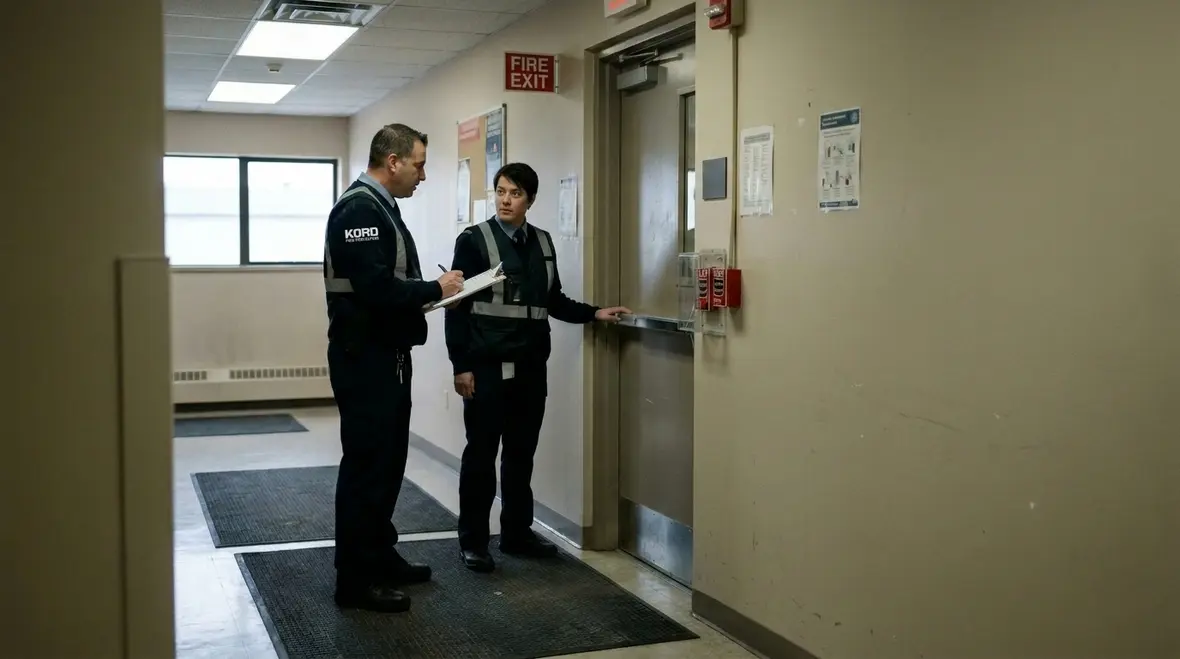
What to expect next
A practical site review focused on how the integrated system will perform for your building’s layout, occupants, and code obligations.
Get a tailored recommendations list
You will receive a focused plan for reliable fire alarm signaling and coordinated security monitoring, with the next steps made simple.
Know Your Weapon Before You Fight the Flame
Kord Fire Protection is your go-to when it comes to all things fire protection. For over 20 years, we’ve been serving Southern California with the quality service and equipment to keep your home or business safe at all times. Our competitive prices reflect our unwavering commitment to protecting what matters most in the event of a fire emergency. Give us a call, send an email, or use that form!

Join Our Newsletter!
Get the latest fire safety tips delivered straight to your inbox From our Newsletter.