Integrated Fire Alarm Systems for Buildings Explained
Integrated fire alarm systems for buildings explained in plain language
FireClass Fire Alarm Systems deliver integrated fire alarm coverage that plugs into the life of a building, not just the emergency moments. With integrated fire alarm systems for buildings, alerts, control panels, and building devices work together so occupants get clear guidance and facilities teams get smarter, faster signals. In other words, these systems aim to coordinate the whole event, from detection to response, while also keeping day to day operations stable. And yes, that means fewer “who touched the panel” mysteries after drills. Kord Fire Protection technicians often explain this like a calm tour: they connect what people see, what systems do, and what code expects, so everyone leaves the meeting with the same understanding.
How FireClass systems work as part of the building network
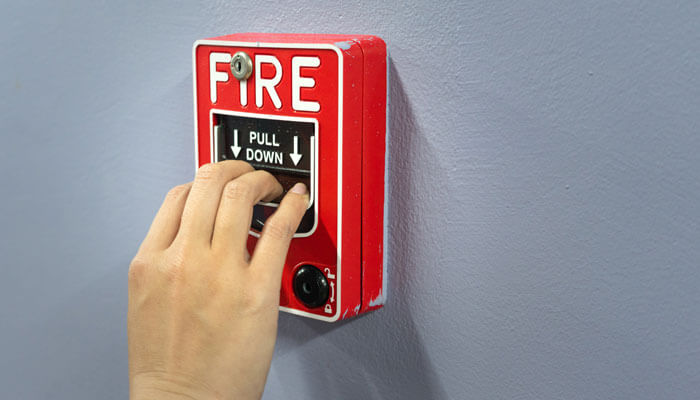
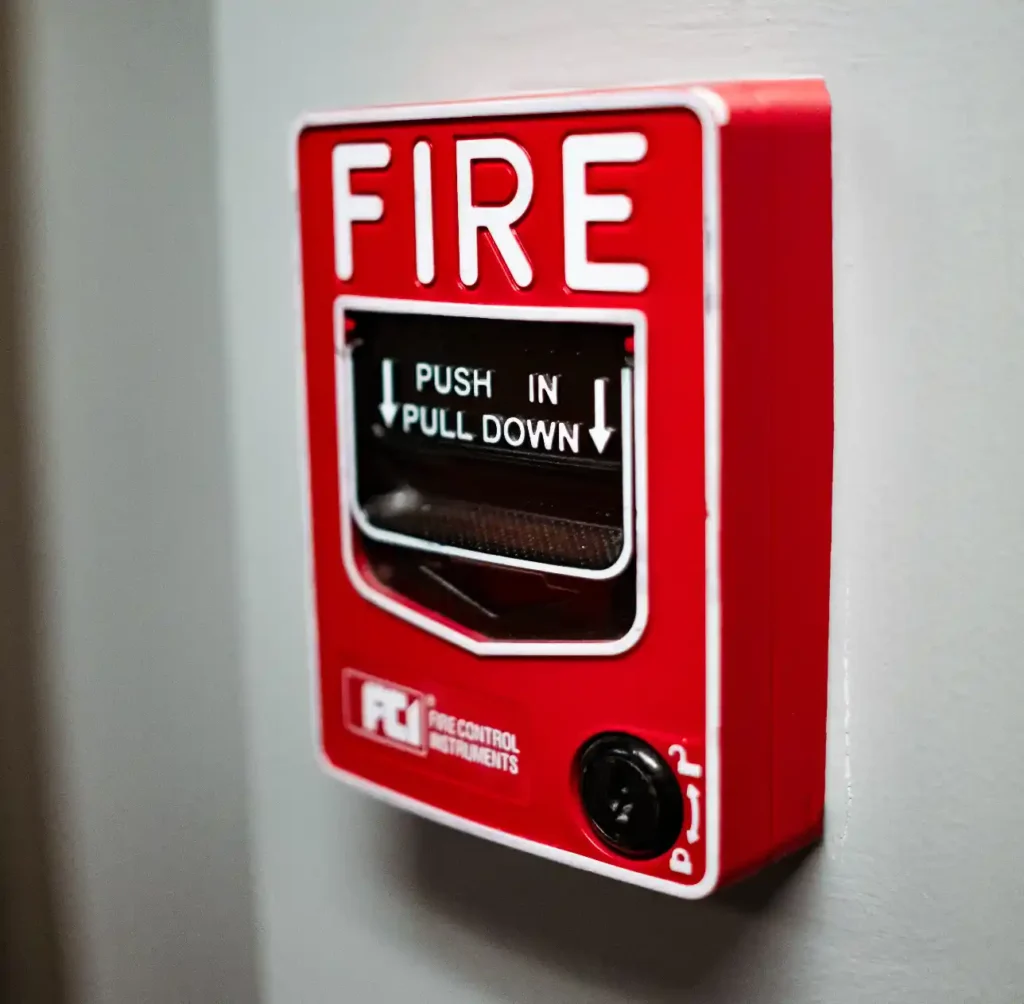
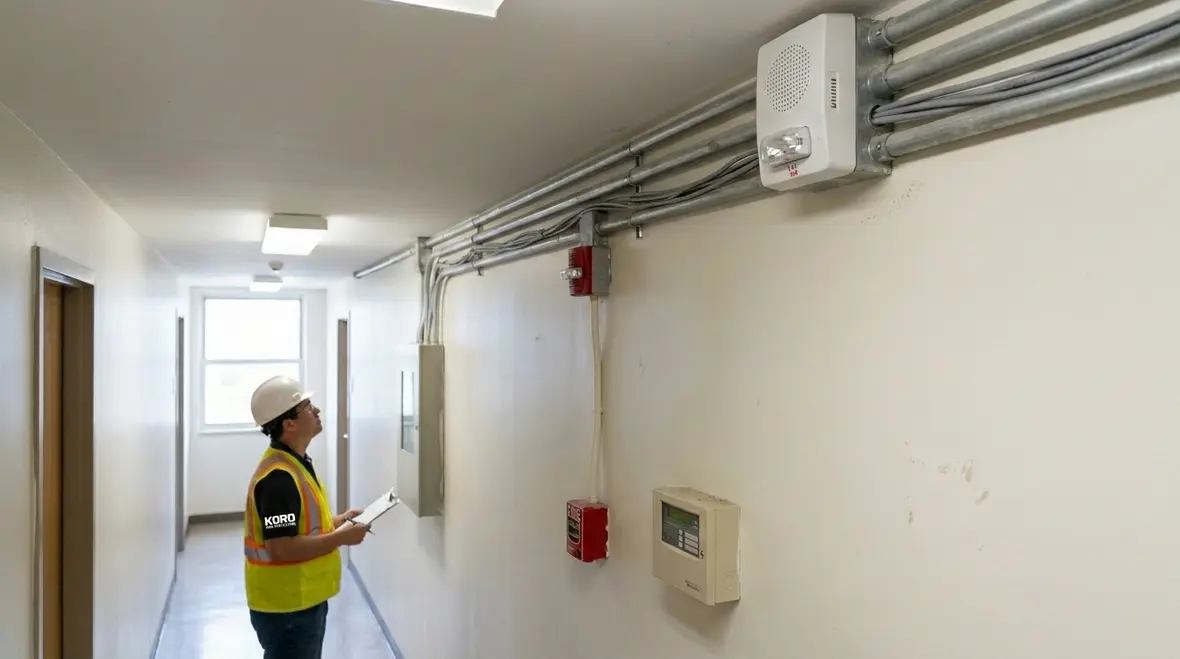
These systems start with detection. Smoke detectors, heat sensors, and manual pull stations watch for fire conditions. When an alarm happens, the system routes the signal through its control logic and into the next layer of actions. Then the building devices respond in a planned sequence. That sequence might include fire alarm notification appliances, elevator recall, smoke control interface, door holder release, and other fire safety functions depending on the design.
Importantly, FireClass panels do not operate like isolated boxes. They integrate with other building systems so the response matches the scenario. For example, the system can coordinate alarm signaling while also providing status and event data to building operators through monitored points or network interfaces. This creates fewer blind spots. It also reduces the chance that one system “knows” about a fire while another system ignores it like it’s not invited.
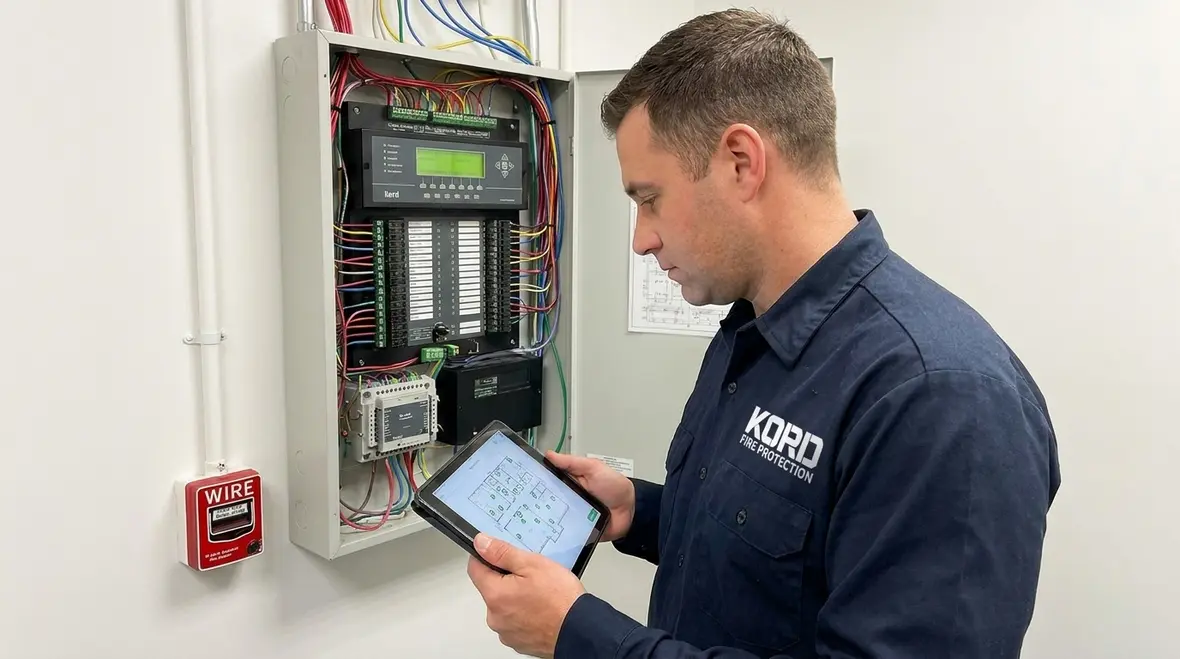
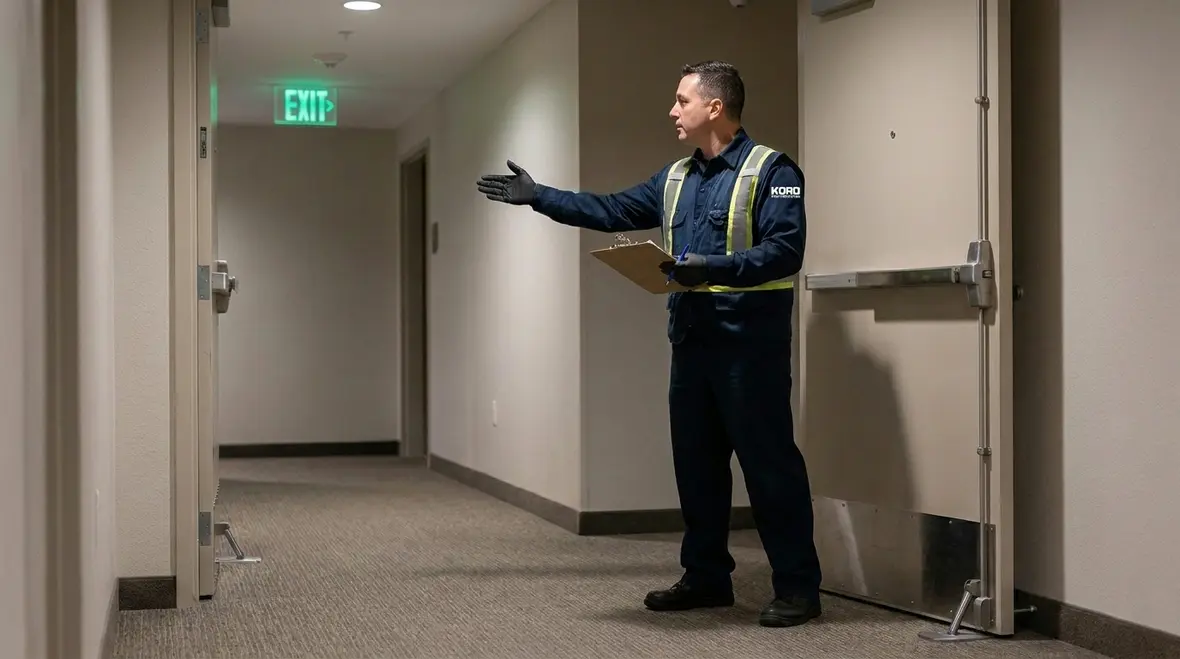
At this stage, Kord Fire Protection technicians typically walk through zones, device mapping, and alarm signaling. In addition, they explain how supervisory conditions differ from alarm conditions, because those differences affect what people do next. By the time installation teams and building managers meet, the goal stays simple: the right signal reaches the right place, at the right time.
Real world use cases where integration matters
In real buildings, fire safety does not happen in a vacuum. It happens in buildings that have daily schedules, complex layouts, and shared spaces. Therefore, integrated fire alarm systems for buildings earn their keep when they help teams act fast and help occupants understand what to do.
Hotels and multifamily properties
Fire events often involve long corridors, multiple floors, and many doors. Integrated behavior helps coordinate notification and release functions, and it can provide clearer status to staff. As a result, staff can guide evacuation routes and coordinate with security without guessing what the panel “meant.”
Healthcare and assisted living
These buildings need calm, clear communication. When devices share information and control logic, notification can follow the planned pattern and avoid confusion. Kord Fire Protection technicians often explain how staged alarms and device supervision help prevent nuisance behavior from overwhelming staff during normal operations.
Schools and office campuses
Day after day, people hear alarms that are not emergencies. So the system must be reliable, and it must still alert quickly when it counts. Integration supports consistent reporting for maintenance and quicker trouble detection. In fact, this is where “boring” becomes brilliant, because fewer surprises means fewer days lost to repeated troubleshooting.
Warehouses and industrial spaces
These spaces can have dust, airflow changes, and large open areas. Detection design matters, and integration supports clear notification. Meanwhile, building management can track supervisory alerts before they become alarms. That helps teams handle problems before the building enters emergency mode.
Strengths and potential weak points to plan for
Integrated systems usually bring real benefits, but planning should stay honest. The strengths come from coordination, yet the weak points often come from poor configuration or skipped steps.
Strengths that show up during emergencies
- Faster, clearer response: Devices and control logic work as a team instead of acting like separate radios in different languages.
- Better visibility for operators: Status reports and monitored points help facilities teams understand system health.
- Coordinated building functions: The system can interface with planned functions like door control and elevator recall where required.
- More meaningful trouble signals: Supervisory alerts can guide service work before failure happens.
Weak points that deserve attention
- Complexity can grow: More integration means more items to label, test, and document. If paperwork is sloppy, response time suffers.
- Improper programming creates confusion: If alarm outputs and control logic are not aligned to the building design, occupants may hear the wrong signal pattern.
- Interfaced systems require coordination: Building controls, power systems, and fire alarm components must be planned together.
- Training gaps lead to “panel panic”: If staff do not know how to interpret messages, they will react slower and second guess the system.
Here is a gentle joke, because sometimes it helps: a fire alarm system should never feel like a pop quiz. Yet without proper setup and training, teams sometimes treat it like one, and nobody wins that game.
Ongoing maintenance needs for long term reliability
Once installed, FireClass systems need ongoing care. This is not optional, and it is not a “set it and forget it” situation. Fire alarm systems sit in the background until the day they do their job, so the best strategy is steady maintenance before problems show up.
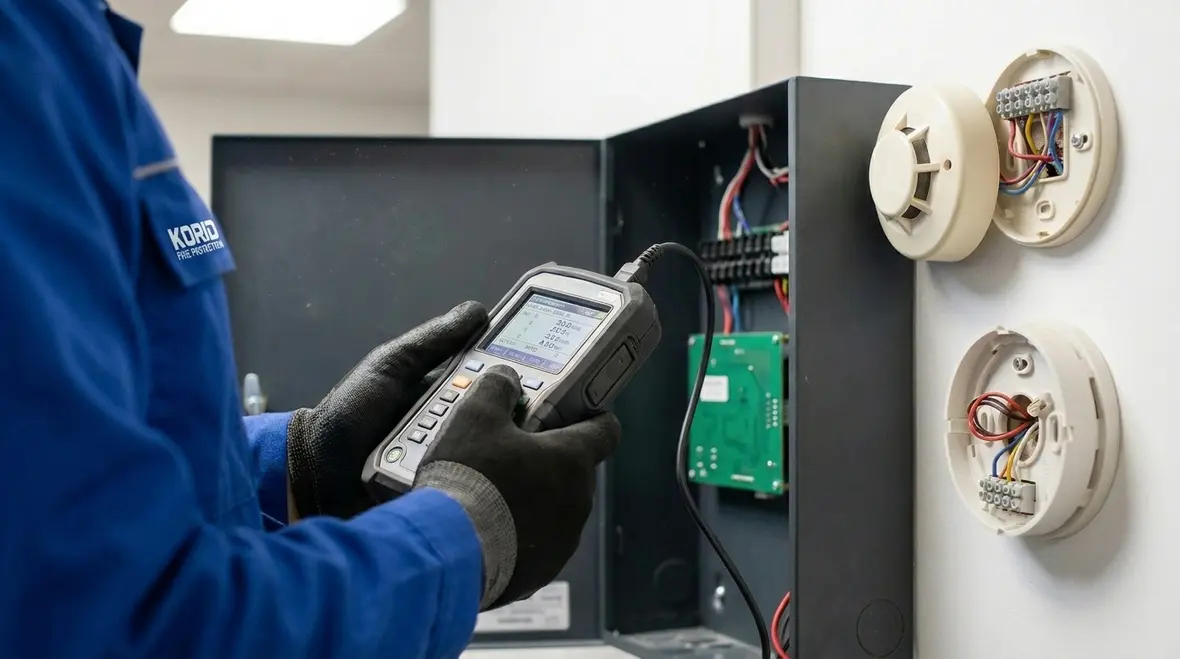
Kord Fire Protection technicians typically focus on the full chain of performance. That includes verification of device health, panel diagnostics, wiring integrity, and functional testing of alarm outputs. They also review event history so the building team can understand patterns in supervisory alerts.
Maintenance should include visual checks of devices, confirmation that zones and labeling match the current building layout, and testing notification appliances in line with the system design. In addition, technicians inspect power supplies and supervise circuits so trouble conditions do not drift from minor to major.
When integration exists, maintenance should also verify that the fire alarm interface points still behave as intended. If a building control system gets updated, someone might accidentally change a setting. Therefore, technicians confirm that the fire alarm functions remain aligned with the original intent. Building owners benefit from this because it cuts down on rework and confusion during inspections.
Relevant NFPA and local code expectations
Fire alarm installations and maintenance follow strict standards. While local rules vary, most jurisdictions look to widely adopted fire protection guidance, including NFPA requirements. Kord Fire Protection technicians often reference these expectations when they prepare system documentation and when they explain why certain testing methods matter.
Key national guidance commonly includes NFPA 72, National Fire Alarm and Signaling Code. NFPA 72 covers design, installation, testing, and maintenance of fire alarm systems. For building safety planning, it also addresses notification appliance behavior, supervision, and record keeping.
Depending on the building type, other NFPA standards may also apply, and local amendments can add extra steps. For example, some jurisdictions require specific labeling practices, frequency for certain tests, or additional features for life safety functions. Therefore, it stays wise to confirm local code interpretations early, not during the final walkthrough, because delays then feel like waiting for a superhero to show up after the villain already left.
Planning steps for safe, smooth integration
To get value from FireClass Fire Alarm Systems, buildings should plan with a clear path. First, teams should confirm the life safety goals of the building and the required interfaces. Next, they should map notification zones to actual occupant flow, not just floor plan lines. Then they should validate that all devices reflect the building layout after construction changes.
After that, training matters. Kord Fire Protection technicians often recommend a simple approach: staff learn how to interpret the panel messages, how to respond during alarms, and how to contact service quickly when trouble signals appear. This keeps response calm and consistent.
Finally, teams should keep documentation current. If a door control function changes, or if a room gets renovated, the system description must stay accurate. Integrated fire alarm systems for buildings work best when the building team treats the system like an important business process, not a background utility.
FAQ on FireClass fire alarm integration
How we can use these systems for safer, smarter building operations
So, how can we use these systems? First, building teams can align FireClass Fire Alarm Systems with their life safety plan so the response feels clear during real events. Next, they can use integration data to spot trouble early, which reduces downtime and repeated service calls. Then, they can train staff on the meaning of alarms and supervisory messages so decision making stays calm, not chaotic. Finally, they can partner with Kord Fire Protection technicians to keep testing, documentation, and interface behavior current.
Call Kord Fire Protection for a building specific plan
FireClass Fire Alarm Systems work best when they fit the building design and stay properly maintained. Kord Fire Protection technicians can review your current setup, confirm code aligned integration, and plan testing that keeps occupants safer while protecting business operations. If the building needs new installation, upgrades, or interface verification, request an assessment today. Make fire safety the one part of your operation that never feels like guesswork, and never like a surprise ending.
Know Your Weapon Before You Fight the Flame
Kord Fire Protection is your go-to when it comes to all things fire protection. For over 20 years, we’ve been serving Southern California with the quality service and equipment to keep your home or business safe at all times. Our competitive prices reflect our unwavering commitment to protecting what matters most in the event of a fire emergency. Give us a call, send an email, or use that form!

Join Our Newsletter!
Get the latest fire safety tips delivered straight to your inbox From our Newsletter.