Fire Pump Controller Reliability Optimization in Australia
Quick Answer
To optimize fire pump controller performance, teams should verify power quality, tune pump curves, calibrate sensors, and run disciplined testing routines. They must also maintain clean wiring, confirm alarm logic, and keep software settings aligned with site risk. Kord Fire Protection can support as a dependable partner for reliability-focused service.
In many Australian facilities, the fire pump controller functionality becomes the quiet hero. It sits in the background, watching pressure, monitoring power, and deciding when the pump should run. And when it performs well, the system behaves like it was trained for the job, because it was. However, when it drifts out of calibration, suffers from wiring wear, or sees inconsistent supply voltage, reliability can slide fast. That is where this article steps in: it walks through practical, on site actions that help industrial, retail, and commercial teams improve performance, reduce nuisance faults, and strengthen compliance readiness. Meanwhile, full fire protection services from Kord Fire Protection can help facilities coordinate testing, inspections, and corrective actions with less guesswork. For teams reviewing how alarm systems fit into broader life safety strategy, this companion guide on what is a fire alarm system also adds useful context.
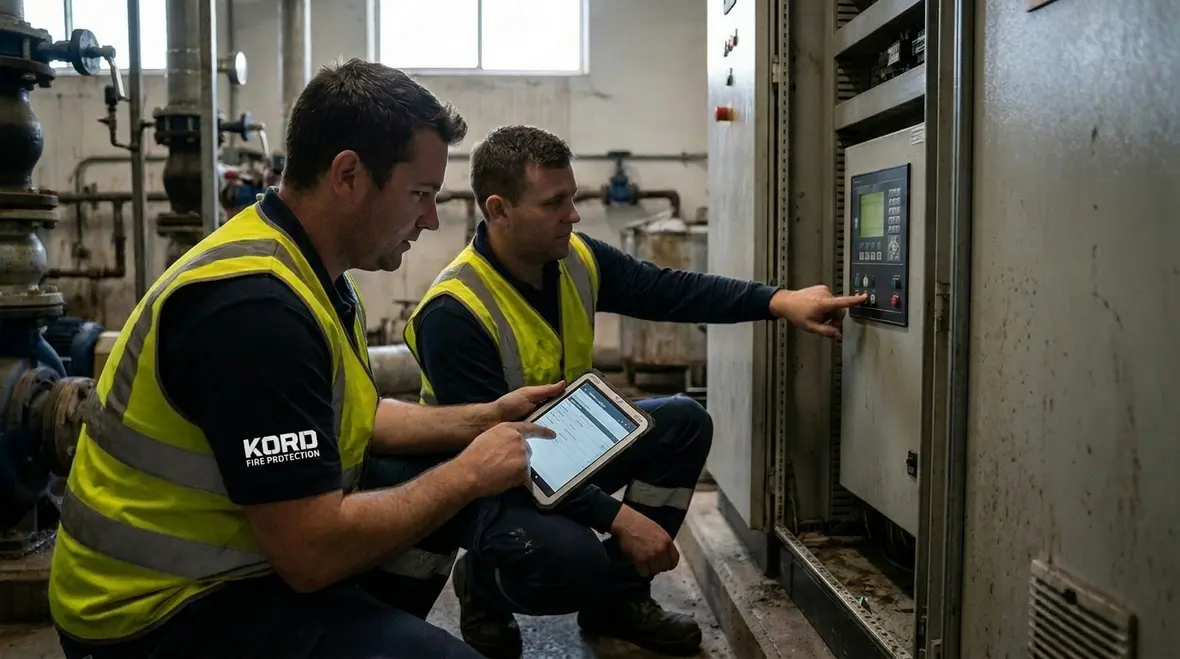
Why fire pump controller reliability needs hands on attention
Fire pump controllers do not fail loudly. They usually degrade quietly, and then one day the system behaves like a TV remote with dying batteries. Pressure readings become inconsistent, start sequences lengthen, or alarms show up for reasons that seem “mystical” until someone checks the basics.
Because third person teams manage multiple assets, they often run maintenance based on calendars, not condition. Yet controllers respond to real world factors such as vibration, heat cycles, moisture intrusion, and electrical noise. Therefore, optimization must include both technical checks and operational habits. When teams treat the controller as a living control system, not just a box that lights up, reliability rises across the site.
Small issues rarely stay small
A loose termination, a drifting sensor, or cabinet moisture may look minor during a rushed inspection. Still, those little flaws can stack up until the controller starts making poor decisions. That is why reliability work should focus on patterns, not single symptoms. If a facility keeps clearing the same fault without finding the cause, the controller is basically waving a red flag and saying, politely but firmly, “Please stop ignoring me.”
How to assess performance before making changes
Before adjusting settings, a facility team should gather a clear baseline. Then they can change one thing at a time and verify the result. This prevents “fixing” the wrong issue and avoids turning maintenance into a guessing game.
A solid assessment typically includes these steps:
- Review historical alarms and fault codes, then look for repeats by time of day or seasonal conditions
- Inspect the controller cabinet for moisture signs, loose gland fittings, and dust buildup
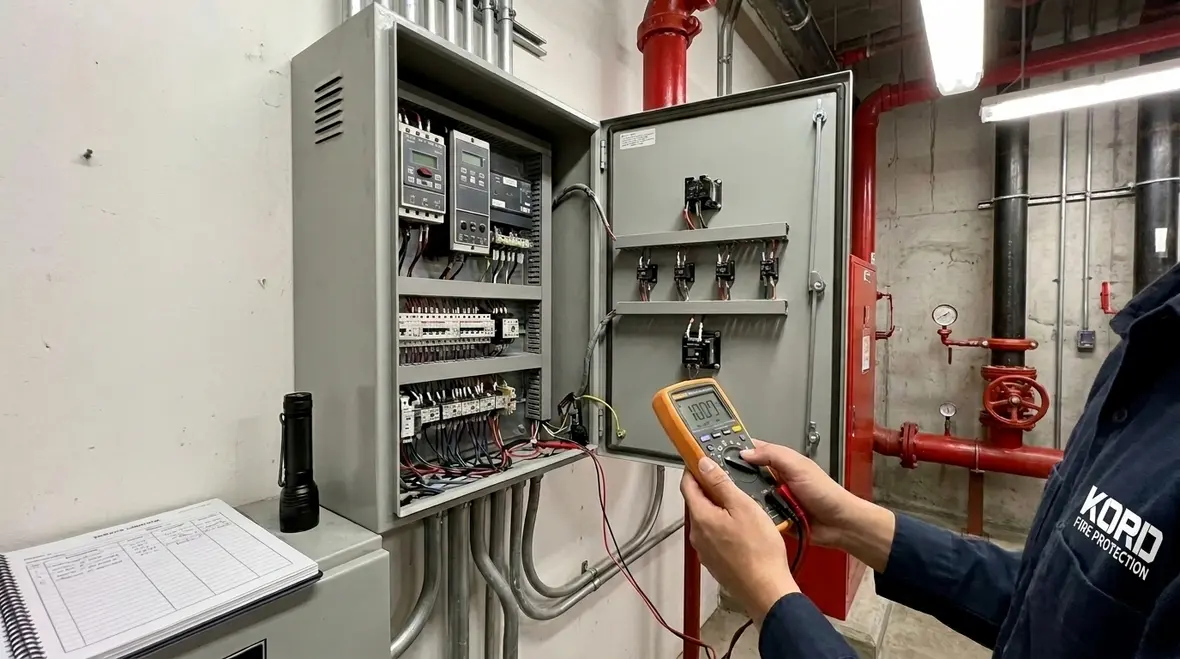
- Measure supply voltage and phase balance during start conditions, since voltage dips often trigger unreliable behavior
- Confirm pressure sensor accuracy using a known reference point, not only a visual gauge
- Verify panel labeling and wiring terminations against as built drawings
After these checks, the team should decide whether the issue is electrical, mechanical, sensor related, or logic and sequencing. In many commercial and industrial environments across Australia, the culprit lands in more than one category, like a bad band with multiple weak musicians. Still, once the root causes surface, optimization becomes straightforward.
Build a baseline that means something
Baseline data should come from actual operating conditions, not just a quick glance at a panel when everything is calm. Teams get better results when they compare alarm history, pump start timing, pressure trends, and any recurring electrical events. That way, when changes are made, they can prove the improvement instead of celebrating a coincidence.
Optimizing settings for stable starts and safer sequencing
Controllers must start pumps with confidence. If the controller sees unstable pressure feedback or slow signal updates, it can delay the start or prematurely assume a fault. Thus, optimization focuses on sequencing logic and setpoints that match the actual pumping equipment.
Key actions include:
- Verify start logic for duty and standby pumps, then ensure the changeover schedule matches operational needs
- Recheck run time limits and transfer conditions, especially after any pump replacement or piping changes
- Confirm pressure setpoints align with design requirements and local demand expectations
- Review time delays for alarms and protections, since overly sensitive delays can cause nuisance events
In facilities such as retail distribution centers, hospitals, and large commercial precincts, the water system can experience varied demand patterns. However, fire pump operation must remain independent and dependable. Therefore, the controller’s logic should reflect tested system behavior, not just design intent on paper.
Setpoints should match reality, not hope
A controller can only make sound decisions if its programmed expectations match the actual site. When pumps, valves, piping layouts, or operating pressures change, the controller should be reviewed right away. Otherwise, teams are asking the panel to control a system that no longer exists, which is a little like using last year’s map to drive through today’s roadworks.
Electrical, wiring, and power quality checks that prevent nuisance faults
Many teams focus on water side components and forget the electrical side. Yet controllers rely on stable power for contactor control, sensing circuits, and control logic. Even small issues, like corrosion at terminals or a failing door interlock, can create alarms that confuse operators and maintenance schedules.
To strengthen performance, teams should address:
- Thermal stress at terminals, identified through careful inspection and tightening where allowed
- Grounding integrity, which impacts signal stability and reduces false readings
- Contact condition in control relays and contactors, especially after repeated test cycles
- Cable routing and segregation, to reduce interference from other plant systems
Then they should run an event based review. For example, if alarms appear during other electrical activity, the problem may relate to electrical noise. In that case, the controller may be “hearing things” it should not. With careful verification, the fix often improves multiple symptoms at once.
Electrical discipline pays off fast
Reliable operation depends on boring details done well. Clean terminals, proper separation of control cabling, secure grounding, and healthy contactors do not make for thrilling site gossip, but they stop a surprising number of nuisance faults. If the controller is acting dramatic, the electrical side often deserves a very unglamorous, very thorough inspection.
Sensing and feedback tuning for accurate pressure control
Pressure sensors and their wiring often decide whether the controller acts correctly. If sensors drift, their signal can mislead the controller into thinking the system is underperforming. That can trigger unnecessary actions, extend start times, or cause unstable control behavior.
Therefore, optimization should include:
- Testing sensor calibration against a verified reference device
- Checking for air, blockages, or contamination in impulse lines
- Inspecting sensor cable insulation and connectors for wear
- Confirming that the controller reads values within expected ranges during tests
When pressure readings align with real conditions, the system becomes more predictable. And in a fire scenario, predictability is not just comfort. It is control.
Good feedback makes good decisions
Controllers react to what they are told. If the feedback is wrong, the response will be wrong too. That is why teams should not assume a displayed pressure value is truthful just because it appears nicely on a screen. Verified references, clean sensing paths, and careful wiring checks help keep the panel honest.
Testing and maintenance routines that keep reliability steady
Optimization works best when teams lock in a disciplined testing routine. Shortcuts create hidden risk, because controller performance changes over time. Also, some defects only show up under specific operating conditions, like vibration, temperature swings, or prolonged idle periods.
A practical routine often includes:
- Scheduled functional tests that verify start, run, alarm, and transfer sequences
- Inspection of cabinet conditions between major tests, including seals and cable glands
- Verification after any plant changes, such as valve replacements, pump servicing, or pipe modifications
- Documentation of outcomes, fault codes, and corrective actions in a clear service record
Finally, teams should ensure staff know how to respond to controller alarms. If the alarm response process is vague, reliability suffers because delays become the real failure. And let’s be honest, nobody wants firefighters waiting on a spreadsheet. They deserve clear, tested procedures.
Where Kord Fire Protection fits as a reliability partner
Optimization takes time, but it becomes far easier when an experienced partner supports the service and documentation side. Kord Fire Protection can become a vital partner with controller performance work, because they can coordinate testing, inspections, and corrective actions with a reliability first approach. That matters across multiple facets of Australian sites, where industrial operations and commercial schedules rarely pause for long.
In practical terms, a strong partnership helps teams stay consistent by:
- Supporting structured test plans that confirm controller functionality and system behavior
- Identifying root causes across electrical, sensor, and logic layers
- Delivering clear reporting so facilities can track trends and act early
- Ensuring service aligns with operational realities and compliance expectations
In short, Kord Fire Protection helps facilities avoid the cycle of “test, fail, scramble, repeat.” Instead, they build a smoother maintenance rhythm, which is about as close to peace of mind as fire protection systems can get.
FAQ
Call Kord Fire Protection for reliability driven optimization
Facilities that want dependable fire pump operation should optimize controller performance with real testing, careful electrical checks, accurate sensing, and disciplined maintenance. When teams partner with Kord Fire Protection, they gain a reliability focused service approach and practical support that reduces uncertainty.
If a controller is showing faults, behaving inconsistently, or needs a performance tune, reach out to Kord Fire Protection to plan the next step. A steady controller is not glamorous, but in fire protection, boring and dependable is exactly the kind of excitement everyone wants.

Join Our Newsletter!
Get the latest fire safety tips delivered straight to your inbox From our Newsletter.