Inglewood Fire Safety Guidelines for Facility Managers
Inglewood fire safety guidelines set the tone for how commercial buildings operate, respond, and recover when fire risks appear. Within the first hundred steps inside any facility, managers must already think about exits, alarms, extinguishers, and training. These local standards do more than check a compliance box. They protect people, property, and reputations. Throughout Inglewood, facility managers rely on structured fire prevention plans, routine inspections, and expert guidance from professionals like Kord Fire Protection technicians, who explain each requirement with calm authority and practical clarity. This article walks through those standards in depth and shows how managers can apply them with confidence and a steady hand.
Understanding Fire Safety Compliance in Inglewood Buildings
Every facility in Inglewood operates under city and state codes that define clear fire protection responsibilities. However, compliance is not simply about passing inspections. It is about creating a system that works even on the worst day imaginable.
First, managers must understand occupancy classification. Office spaces, warehouses, restaurants, schools, and healthcare facilities all carry different risk levels. Therefore, each building requires tailored fire suppression systems, alarm setups, and evacuation strategies that match how many people are inside and what they are doing all day.
Kord Fire Protection technicians often explain that codes function like guardrails. They keep buildings aligned with proven safety standards. For example, technicians clarify why sprinkler coverage must match ceiling height or why storage racks in warehouses need precise spacing. These details may seem minor at first. Yet, during a fire, they make the difference between containment and catastrophe.
Moreover, documentation matters. Inspection records, maintenance logs, and staff training reports should remain organized and current. In fact, during audits, missing paperwork can raise red flags even if the equipment itself works perfectly. As one technician joked during a walkthrough, “The sprinkler can save your building, but the paperwork saves your weekend.” For multi-site managers across Los Angeles County, those weekends add up quickly.
When you manage property in or near Inglewood, your documentation trail should cover every system that local fire authorities will review. That includes sprinkler inspections, alarm tests, fire extinguisher service, and any corrections performed after an inspection. Keeping this trail complete can make your next inspection feel more like a confirmation than a confrontation.
Local context: Inglewood and surrounding communities
Inglewood facilities do not exist in isolation. Many portfolios include buildings in nearby cities such as Hawthorne, Lennox, or Lawndale. Fire safety expectations remain high across the region, and managers often coordinate with providers who already support nearby cities like Hawthorne Fire Protection Services to maintain consistent standards across all properties.

How Often Should Fire Protection Systems Be Inspected in Inglewood?
Facility managers frequently ask this question, often while staring at a calendar that already feels too full. The answer depends on the system, yet the schedule follows clear patterns that align with California and local requirements.
Typical inspection rhythms for Inglewood facilities
- Fire alarm systems: Typically require annual inspections, with additional periodic testing of notification appliances, initiating devices, and monitoring connections.
- Fire sprinkler systems: Commonly demand quarterly visual checks and annual comprehensive testing. Some components, such as backflow preventers, require their own testing schedule.
- Fire extinguishers: Need monthly visual inspections by on-site staff and yearly professional servicing by licensed technicians.
- Emergency lighting and exit signs: Require routine functional testing to ensure visibility and egress lighting during power loss.
Because life moves quickly, many managers set recurring reminders. However, experienced Kord Fire Protection technicians encourage something better. They recommend building inspection cycles into facility culture. When maintenance staff treat checks as routine rather than reactive tasks, compliance becomes second nature and last-minute panic before inspections fades into the past.
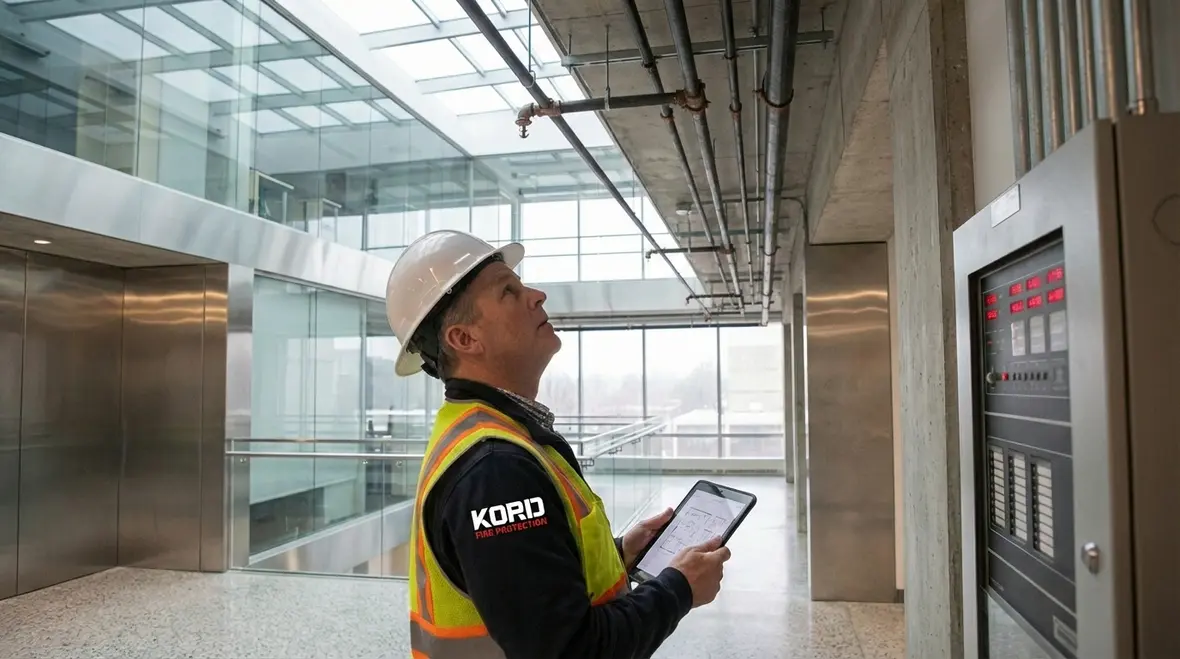
Additionally, technicians often demonstrate what inspectors look for. They show corrosion on pipes, blocked sprinkler heads, and outdated alarm panels. Once managers see these risks up close, the importance of regular reviews becomes crystal clear. Suddenly, inspections feel less like chores and more like quiet guardians standing watch.
Coordinating inspections across Los Angeles County
Many Inglewood facility managers are responsible for additional sites throughout Los Angeles County. Working with one provider across multiple cities, such as those delivering Downey Fire Protection Services or support in Hawthorne and Arcadia, simplifies scheduling. A single master calendar ensures nothing slips through the cracks, even when building portfolios expand.

Building a Fire Prevention Plan That Actually Works
A thick binder labeled Fire Plan does not guarantee safety. A living, practiced strategy does. Therefore, effective fire prevention planning begins with hazard identification and then moves steadily into training, housekeeping, and clear communication.
Step 1: Walk the building like an inspector
Managers should conduct detailed walkthroughs to identify ignition sources, fuel loads, and high risk zones. Electrical rooms, commercial kitchens, storage areas, and mechanical spaces deserve extra attention. Furthermore, housekeeping plays a major role. Cluttered corridors and blocked exits create danger faster than any villain in a summer blockbuster.
Step 2: Invite your fire protection partners in
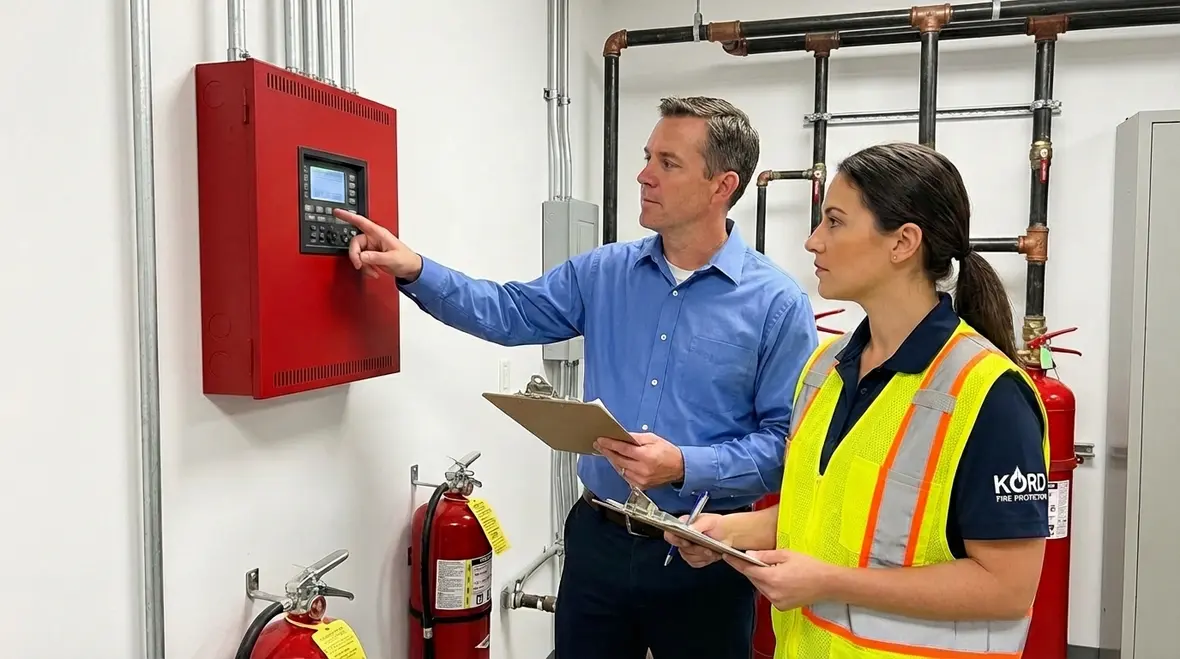
Kord Fire Protection technicians often walk side by side with facility teams during these assessments. They explain how small changes improve safety. For instance, relocating stored materials away from sprinkler heads ensures proper water distribution. Likewise, upgrading outdated alarm panels improves response time and reduces nuisance alarms that make people tune out real alerts.
Step 3: Turn training into muscle memory
Training forms the backbone of prevention. Employees must know evacuation routes, alarm sounds, and extinguisher basics. Yet training should not feel like a dry lecture. Some managers use short drills and quick demonstrations to keep engagement high. After all, in an emergency, people rarely rise to the occasion. They fall back on practice.

Emergency Preparedness and Evacuation Strategy
When alarms sound, clarity saves lives. Therefore, evacuation plans must remain simple, visible, and practiced regularly so no one has to think twice about where to go next.
Designing an evacuation plan that people actually follow
Clearly marked exits, illuminated pathways, and posted evacuation maps guide occupants toward safety. However, planning goes beyond signage. Managers must assign floor wardens or safety leaders who guide teams during drills and real events. Those leaders should know alternate routes, account for mobility challenges, and understand where to meet outside the building.
Partnering with Inglewood fire authorities
Moreover, coordination with local fire authorities strengthens preparedness. Inglewood fire safety guidelines encourage facilities to maintain open communication with fire departments. Pre incident planning visits allow firefighters to understand building layouts, standpipe locations, and potential hazards before an emergency occurs.
Kord Fire Protection technicians frequently explain system operations to management teams so they can relay accurate information during incidents. For example, knowing how the alarm panel displays zones helps staff direct responders quickly. In tense moments, that knowledge proves invaluable.
And yes, while no one enjoys drills, they beat the alternative. Think of them as rehearsals. Even the Avengers practiced before saving the world. Your team deserves the same level of preparation, even if their capes are just high-visibility vests.
Common Fire Code Violations and How to Avoid Them
Many violations stem from oversight rather than intent. Fortunately, awareness prevents most issues. By turning common violations into a simple checklist, managers can catch problems long before inspectors do.
Common violations in Inglewood facilities
- Blocked or locked exit doors
- Obstructed sprinkler heads
- Expired fire extinguishers
- Disabled alarm components
- Improper storage near electrical panels
Prevention strategies facility managers can own
- Conduct monthly internal walkthroughs focused only on life safety items.
- Train staff to report hazards immediately instead of “waiting for maintenance.”
- Schedule professional inspections in advance, especially around renewal dates.
- Maintain clear storage policies that keep aisles, panels, and heads accessible.
- Review inspection reports carefully and act quickly on recommended corrections.
Because managers juggle many responsibilities, small hazards can slip through the cracks. However, consistent internal reviews catch issues early. Kord Fire Protection technicians often emphasize that prevention costs less than correction. That statement may sound obvious, yet it rings true every time a surprise violation appears.
Working with Kord Fire Protection Technicians for Long Term Safety
Partnership matters. While facility managers oversee daily operations, fire protection specialists provide technical depth and regulatory insight that are hard to maintain in-house, especially as codes evolve.
Translating code into clear decisions
Kord Fire Protection technicians take time to explain system designs, testing results, and upgrade options in plain language. Rather than overwhelm managers with jargon, they translate complex standards into clear action steps. Consequently, decision makers feel confident when budgeting for improvements or scheduling repairs.
Planning across multiple cities and campuses
Additionally, technicians stay current with evolving codes. As fire safety standards update, facilities must adapt. Having experts who monitor these changes prevents compliance gaps. In a city like Inglewood, where commercial growth continues steadily and ties into the broader Los Angeles County market, staying ahead of code updates protects both occupants and investments. When those same experts already serve nearby communities like Arcadia Fire Protection Services or Alhambra, multi-city coordination becomes far easier.
Furthermore, long term planning ensures systems age gracefully. Sprinkler components, alarm panels, and suppression systems do not last forever. Strategic upgrades prevent sudden failures. Think of it like maintaining a car. Regular tune ups cost far less than replacing the engine on the side of the freeway.
Advanced Risk Management for Large Facilities
Larger properties such as distribution centers, entertainment venues, and multi story offices require layered protection. Therefore, managers should consider integrated systems that combine alarms, sprinklers, smoke control, and monitoring services so no single failure leaves the building unprotected.
Leveraging data and monitoring
Data tracking also improves oversight. Digital inspection logs and automated reminders reduce missed deadlines. Additionally, remote monitoring services alert teams to system faults immediately. Instead of discovering a disabled panel during an annual inspection, managers receive alerts in real time and can dispatch help before risk grows.
Designing for growth, not just today
Inglewood fire safety guidelines support proactive risk management rather than reactive repair. Facilities that invest in layered systems often see lower insurance costs and smoother inspections. More importantly, they create safer environments for employees and visitors alike.
Kord Fire Protection technicians frequently review facility expansion plans to ensure new construction integrates seamlessly with existing systems. This forward thinking approach prevents mismatched equipment and compliance gaps that can emerge when “temporary fixes” quietly become permanent.
Frequently Asked Questions
Conclusion
Fire safety does not thrive on luck. It thrives on preparation, partnership, and steady leadership. Facility managers in Inglewood who follow local standards, maintain inspection schedules, and collaborate with experienced Kord Fire Protection technicians build environments where people feel secure. By treating inspections as everyday habits instead of once-a-year emergencies, you transform your building from vulnerable to resilient.
If your portfolio stretches beyond city limits into Hawthorne, Downey, Arcadia, or other nearby communities, partnering with one experienced team keeps your entire operation aligned. That consistency reduces surprises, simplifies budgeting, and keeps your weekends free from “urgent” correction marathons.
Now is the time to review systems, refresh training, and strengthen compliance. Connect with trusted professionals today and ensure every alarm, sprinkler, and exit stands ready when it matters most. If you are responsible for Inglewood or nearby properties, consider coordinating support through Kord Fire’s broader Los Angeles County coverage, including dedicated pages such as Downey Fire Protection Services and Hawthorne Fire Protection Services.
If you operate in neighboring cities across the county, you can also explore tailored service pages such as Arcadia Fire Protection Services or other Los Angeles County locations to coordinate inspections, testing, and upgrades. One call secures a proactive plan for your entire portfolio so that when the next inspection—or the next emergency—arrives, your building is ready.
Know Your Weapon Before You Fight the Flame
Kord Fire Protection is your go-to when it comes to all things fire protection. For over 20 years, we’ve been serving Southern California with the quality service and equipment to keep your home or business safe at all times. Our competitive prices reflect our unwavering commitment to protecting what matters most in the event of a fire emergency. Give us a call, send an email, or use that form!

Join Our Newsletter!
Get the latest fire safety tips delivered straight to your inbox From our Newsletter.