NFPA 291 vs NFPA 25 Hydrant Testing Difference
Quick Answer: NFPA 291 and NFPA 25 both support fire safety, but they do different jobs. NFPA 291 focuses on hydrant flow testing and marking, while NFPA 25 covers the inspection, testing, and maintenance of water based fire systems. Together, they help facilities know what water is available, keep systems ready, and avoid nasty surprises when the alarm finally gets its big moment.
In the world of fire protection, NFPA 291 vs NFPA 25 hydrant testing often gets mixed up, and that confusion can cost time, money, and compliance. One standard helps show how much water a hydrant can deliver. The other guides the care of the full fire protection system over time. For industrial sites, retail centres, commercial towers, and large facilities, that difference matters. And yes, the hydrant does not care about the paperwork, but the auditor certainly does.
Near the top of any smart compliance strategy, it helps to connect hydrant performance with broader system care. That is why many facility teams pair this topic with Kord Fire Protection’s full fire protection services, especially when hydrants, pumps, sprinklers, and inspections all need to stay on the same page without turning the maintenance calendar into performance art.
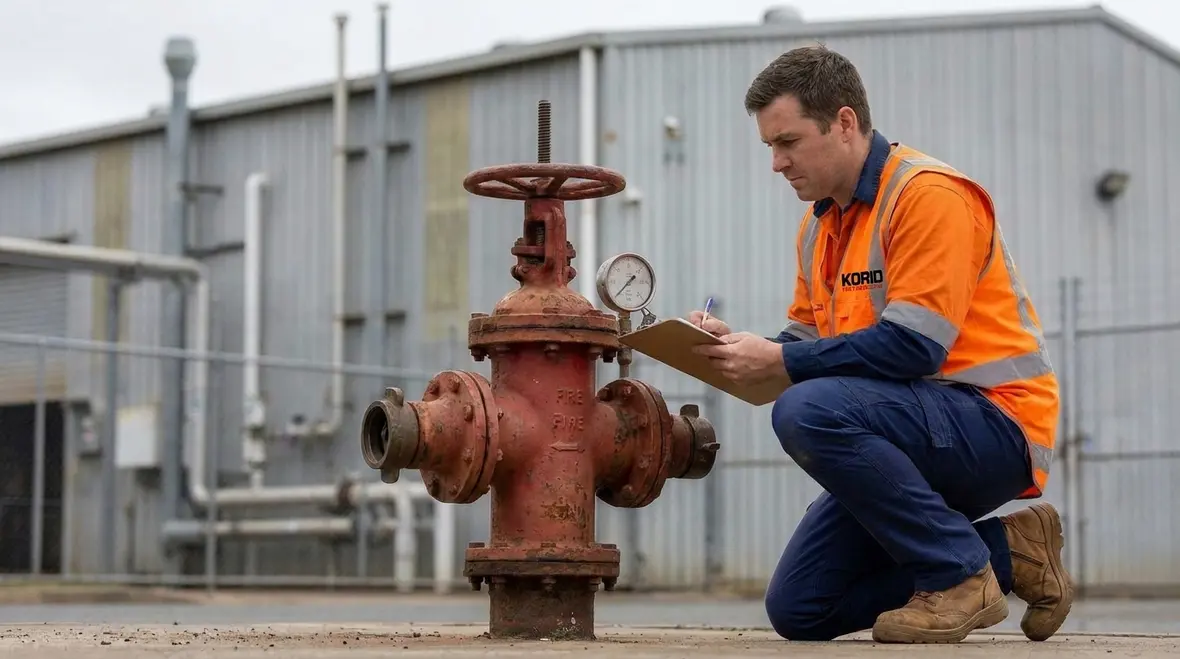
What NFPA 291 Covers in Practice
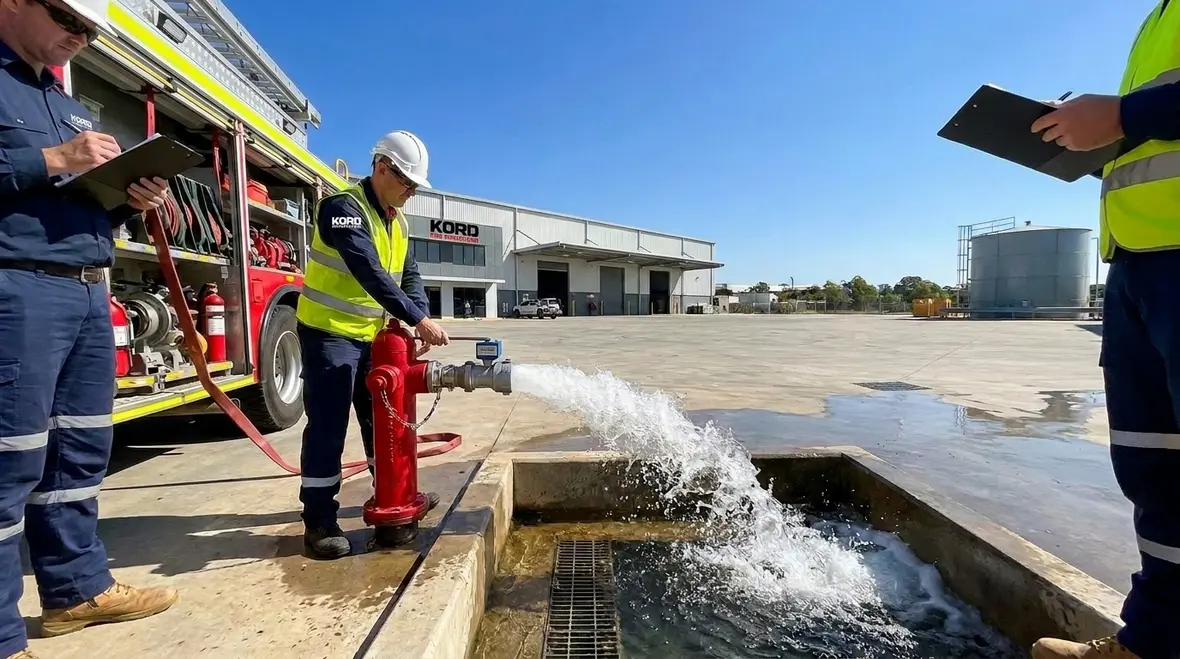
NFPA 291 focuses on fire hydrant flow testing and marking. In simple terms, it helps confirm how much water a hydrant can supply and what pressure remains during a test. This matters because a hydrant may look fine on the outside and still underperform when a fire crew needs it most. That would be a very expensive disappointment.
For facilities, NFPA 291 supports water supply planning, emergency response, and hydrant identification. It also helps teams compare actual flow data against system needs. As a result, site managers can better judge whether the water supply meets fire risk demand, especially in larger industrial and commercial operations where assumptions tend to age badly.
Why flow data matters more than appearances
A painted hydrant, a visible cap, and a decent location do not automatically mean the water supply can carry the load. NFPA 291 is about proving performance with numbers, not vibes. It gives a clearer snapshot of available flow and residual pressure at a specific moment, which becomes vital when engineers, property managers, and fire response teams need facts instead of wishful thinking.
If you want to go deeper into flow rates, pressure, and how those readings shape real decisions, Kord Fire Protection’s fire hydrant flow test guide to water pressure fits naturally beside this discussion and helps connect the technical readings to practical site planning.
How NFPA 25 Guides Ongoing System Care
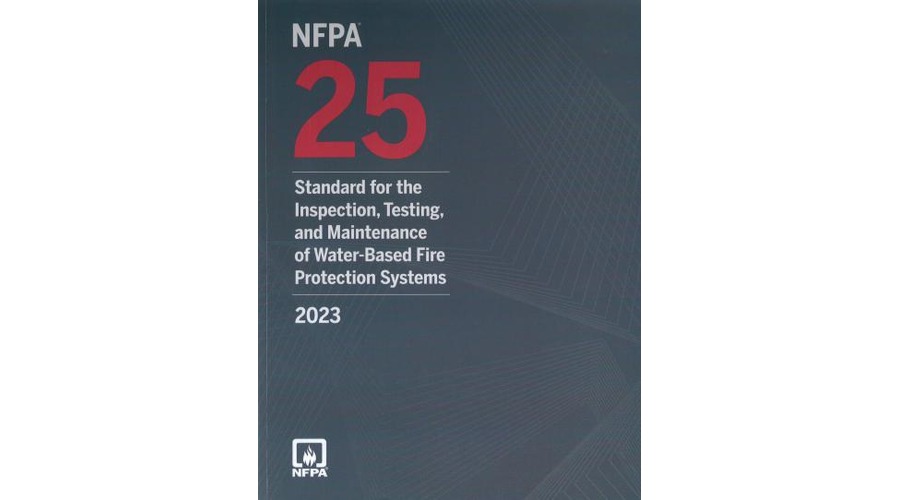
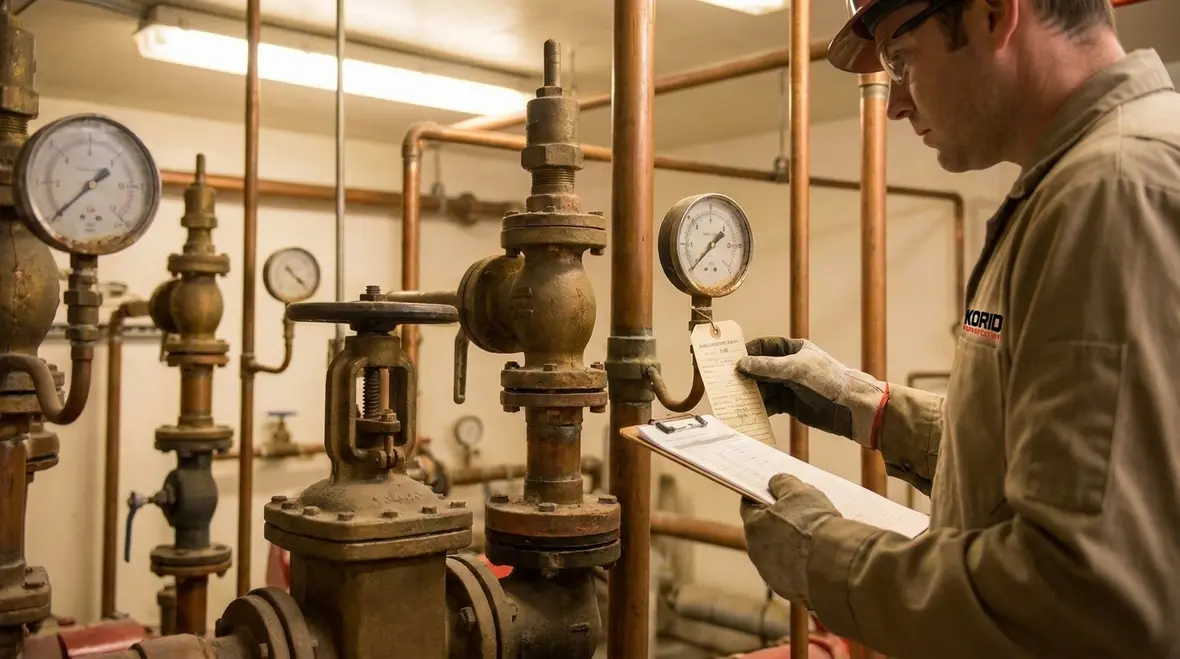
NFPA 25 takes a wider view. It covers the inspection, testing, and maintenance of water based fire protection systems. That includes hydrants, sprinklers, pumps, valves, and related equipment. Where NFPA 291 looks at hydrant flow performance, NFPA 25 focuses on keeping the entire system in working order over time.
For example, NFPA 25 helps set the schedule for routine inspections and tests. It also guides what happens when a defect shows up. Therefore, if a hydrant is corroded, damaged, or hard to operate, the issue should not sit there collecting dust like a forgotten prop from a long running sitcom.
A wider maintenance lens
This is where the confusion usually starts. People hear “hydrant testing” and assume one standard covers the whole story. NFPA 25 says not so fast. It is concerned with system condition, inspection intervals, maintenance follow through, and making sure water based fire protection equipment remains ready over the long haul. In other words, NFPA 291 asks what the hydrant can deliver. NFPA 25 asks whether the broader system is being cared for like it matters, because it does.
NFPA 291 vs NFPA 25 Hydrant Testing in One View
Both standards support fire readiness, yet they serve different roles. NFPA 291 checks water supply performance. NFPA 25 manages system condition and long term upkeep. Together, they form a more complete picture of hydrant reliability.
NFPA 291
- Focuses on hydrant flow testing
- Measures available water supply and residual pressure
- Supports emergency response planning and hydrant marking
- Helps verify hydrant performance at a point in time
NFPA 25
- Focuses on inspection, testing, and maintenance
- Covers hydrants and the wider fire system
- Helps detect defects before they become failures
- Supports ongoing compliance and system reliability
The key point is that these standards are not competitors in a cage match. They are teammates with different assignments. When facilities understand that distinction, records become cleaner, testing becomes more purposeful, and maintenance plans stop feeling like a collection of unrelated chores taped together with panic.
Why Facilities Should Care
Industrial plants, warehouses, shopping centres, and commercial properties face real fire risk, often with complex water systems and high asset value. Because of that, hydrant testing cannot be treated like a box ticking exercise. It needs planning, records, and practical follow through.
In many sites, water supply changes over time. Local network conditions shift, valves age, and site layouts evolve. Therefore, a hydrant test done years ago may no longer tell the full story. That is where regular testing and maintenance become essential. In the real world, systems drift. The paperwork should not.
Compliance is only part of the reason
Yes, audits matter. Yes, inspectors notice gaps. But even outside compliance, weak hydrant performance can ripple into poor emergency planning, inaccurate system assumptions, and delayed corrective action. A site that understands both testing and maintenance standards is far better equipped to respond before a fault turns into a headline no one wanted.

How Kord Fire Protection Becomes a Vital Partner
Kord Fire Protection can play a key role in keeping hydrant systems compliant, reliable, and ready for use. With the right service approach, Kord Fire Protection can help facilities carry out hydrant testing, record results, identify faults, and plan corrective work before problems grow.
That support matters because many sites do not have the time or in house expertise to track every standard, test date, and maintenance need. Kord Fire Protection helps bridge that gap. As a result, facility teams gain a partner who understands both the technical side and the practical side of keeping fire systems in order.
For busy operations, that means less guesswork, fewer compliance headaches, and stronger confidence that the hydrant system will perform when needed. In a fire event, confidence is not a luxury. It is the whole show.
For readers who want deeper hydrant specific context, Kord Fire Protection also has a closely related resource on NFPA 291 fire hydrant testing and marking, which works well as a next step after understanding how NFPA 291 differs from NFPA 25.
How Site Managers Can Stay Ahead of Compliance
The best approach starts with knowing which standard applies to which task. NFPA 291 supports hydrant flow testing. NFPA 25 supports routine inspection and maintenance. Therefore, a good compliance plan should include both.
Site managers should keep clear records, review results quickly, and act on defects without delay. They should also schedule testing around site operations so work does not disrupt business more than needed. With the right partner, this process becomes much smoother and far less dramatic than a season finale cliffhanger.
A practical rhythm that works
Strong compliance habits are usually boring in the best possible way. Test. document. review. repair. repeat. That rhythm keeps the hydrant conversation grounded in evidence and action, rather than confusion and crossed fingers. It also makes it much easier to explain system status to leadership, insurers, contractors, and anyone else who suddenly becomes very interested in hydrants after one bad report.
When to Call a Fire Protection Specialist
A fire protection specialist should step in when hydrants show weak flow, damaged parts, poor access, or signs of wear. They should also be involved when a site needs a compliance review, a new testing program, or support after a failed inspection. Because hydrant systems protect life and property, delays can carry real risk.
Specialist support also helps facilities interpret results correctly. A low reading is not always a disaster, but it should never be ignored. Instead, it should trigger a proper response plan with clear next steps.
Do not wait for a dramatic reveal
If testing uncovers weak pressure, poor accessibility, damage, corrosion, or maintenance gaps, that is the cue to bring in experienced help before a real emergency writes the plot twist for you. Hydrant systems reward attention and punish neglect, usually at the worst possible time.
Conclusion
NFPA 291 and NFPA 25 are closely related, but they are not interchangeable. NFPA 291 is about hydrant flow testing and marking. NFPA 25 is about the ongoing inspection, testing, and maintenance of water based fire protection systems. When both are understood correctly, facilities gain a clearer view of water supply performance and overall system readiness.
Need a trusted partner for hydrant testing and fire system care? Kord Fire Protection can help facilities stay compliant, ready, and protected with practical service built around real site needs. When the stakes are high, the right partner makes all the difference.
FAQ

Join Our Newsletter!
Get the latest fire safety tips delivered straight to your inbox From our Newsletter.