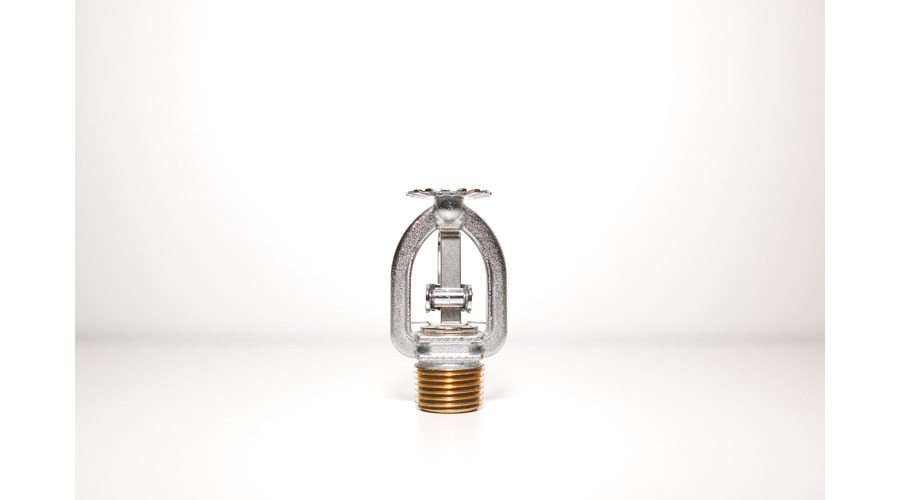
Fire Protection Products Inc systems work best when every piece communicates like a well rehearsed band. In that spirit, fire protection system components integration connects detection, notification, control, and power so the building responds fast and in the right order. Early on, a clear plan matters, because sensors cannot save the day alone, and strobes cannot do their job if the control panel cannot trust the wiring. Throughout this article, Fire Protection Products Inc Systems: System Component Integration Explained will show how kord fire protection technicians explain the process in plain language: define the hazard, match the components, test the behavior, then keep it all reliable. And yes, the system still needs maintenance, not just good intentions. Like a sitcom, it will not run on vibes.
Overview of How It Works in Real Buildings
Fire protection system components integration starts with an input, then moves to an action. First, detection devices watch for signs of fire such as heat, smoke, or flame. Next, the control panel receives those signals, checks the event logic, and chooses the right response path. Then, notification appliances alert occupants, while control modules trigger building functions. Those functions can include door holders, smoke control interfaces, elevator recall, or shutting down fans that would otherwise feed the fire.
To make this work smoothly, kord fire protection technicians typically map each device to its role before a single screw gets tightened. For example, a smoke detector in a corridor should not merely “alarm.” Instead, it should activate the corridor notification and the correct supervision signals. In addition, the system must handle trouble conditions. A bad input cannot cause a false evacuation, and a single fault should not silence the whole system. Therefore, engineers and installers use supervision features, properly sized power supplies, and fail safe logic designed for life safety.
Finally, integration must include timing and sequencing. Many systems wait a short period before full alarm output depending on the design. However, delays remain tied to code rules, monitoring needs, and local authority requirements. As a result, when the alarm occurs, it does not feel random. It follows the plan, and it follows it quickly.

Real World Use Cases for Fire Alarm and Life Safety
Different sites need different integration strategies. For instance, in a multi tenant commercial building, the system must distinguish between local incidents and events that call for full building evacuation. Therefore, the control panel groups devices by floor, zone, and risk level. Then it ties those groups to notification patterns that guide occupants where to go.
In warehouses and distribution centers, the challenge often involves airflow, dust, and large ceiling spaces. Detection placement must account for air movement and stratification. Yet integration also involves what happens next. If the system triggers dampers or shutdown controls, those control outputs must match the equipment design and the intended smoke strategy. Otherwise, the system may alert occupants while the ventilation system still behaves like it is rooting for the fire.
In schools and healthcare facilities, the integration focus leans toward controlled evacuation and staff response. The system may use phased notification, or it may prioritize certain zones like stairwells and critical care corridors. Also, the interface with emergency communications, mass notification systems, and nurse call workflow can matter for practical safety. Kord fire protection technicians often explain this as “the system must talk to the people,” not just to the building.
For high rise environments, integration includes building wide readiness. Elevator recall functions must trigger correctly, and smoke control interfaces must operate within the required timing windows. In other words, the system does not only sound alarms; it also helps prevent the fire from spreading vertically.
Strengths and Potential Weak Points to Watch
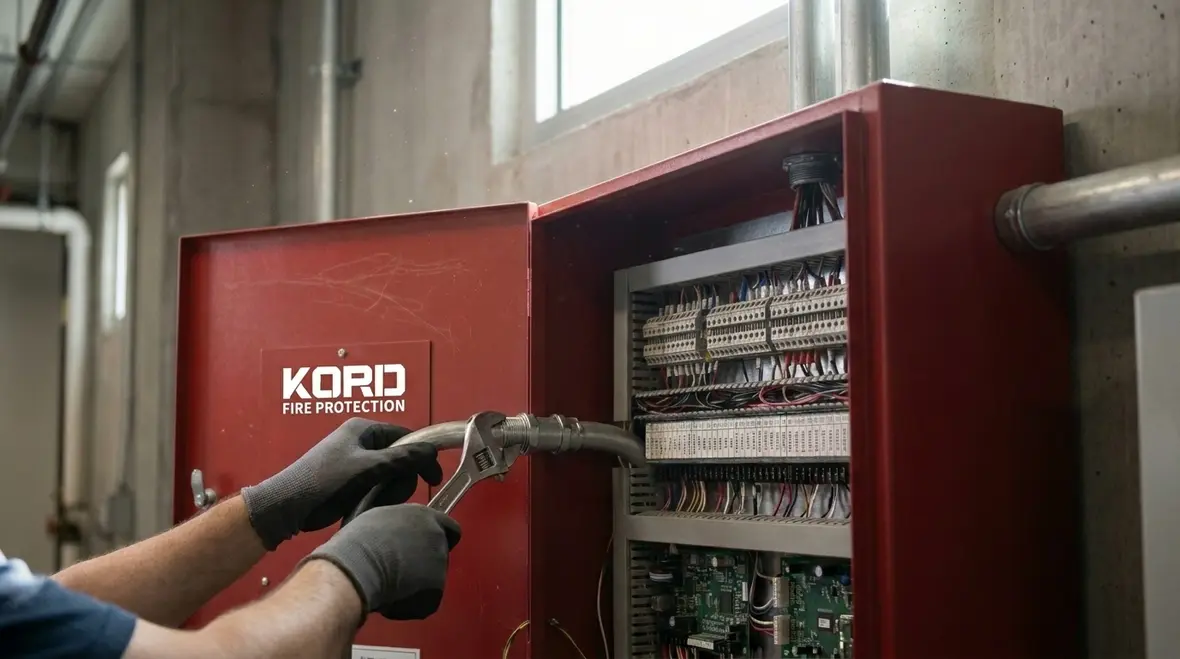
The biggest strength of fire protection system components integration is coordinated action. When detection, notification, and control outputs connect cleanly, the system reacts with purpose. It also improves troubleshooting because techs can isolate the issue to a device, circuit, or panel state instead of guessing.
Another strength involves occupant clarity. Integrated notification can direct people through a building in a predictable way. When the system uses the right alarm audibility and visual patterns, occupants tend to respond faster. Additionally, integration supports monitoring. Supervisory signals for valves, tamper switches, and other monitored devices let maintenance fix problems before they turn into emergencies.
However, potential weak points exist. One frequent issue involves mismatched device listings or improper interface design. If a control output drives equipment without the correct interface module, it can fail under load or not meet the intended response logic. Another weak spot involves wiring errors, especially when installers change plans mid project. A single conductor swapped or misidentified circuit label can make the panel report trouble while the field behavior does not match the design intent.
Also, systems can suffer from “integration drift” over time. If someone later adds a device without updating the system map, the integration logic can become outdated. Then the system still works, but it works differently than planned. Like a celebrity endorsement that quietly turns into a different brand, it can create surprises right when you least want them.
Ongoing Maintenance and Testing Needs
Maintenance keeps integrated systems dependable. After installation, the system needs periodic inspections, functional testing, and records that show the building stays compliant. Kord fire protection technicians often emphasize that the goal is not just to “pass tests.” The goal is to confirm that the system performs as designed under real conditions.
A solid maintenance plan typically includes cleaning and inspecting detectors, checking notification appliance visibility and audibility, and verifying control outputs. It also covers battery health for panels and integrated modules. In addition, techs check for changes in the building layout. A renovated corridor, a new ceiling treatment, or an altered air handling path can affect smoke detector performance. Therefore, periodic re evaluation matters, especially in spaces that see dust, humidity, or frequent tenant turnover.
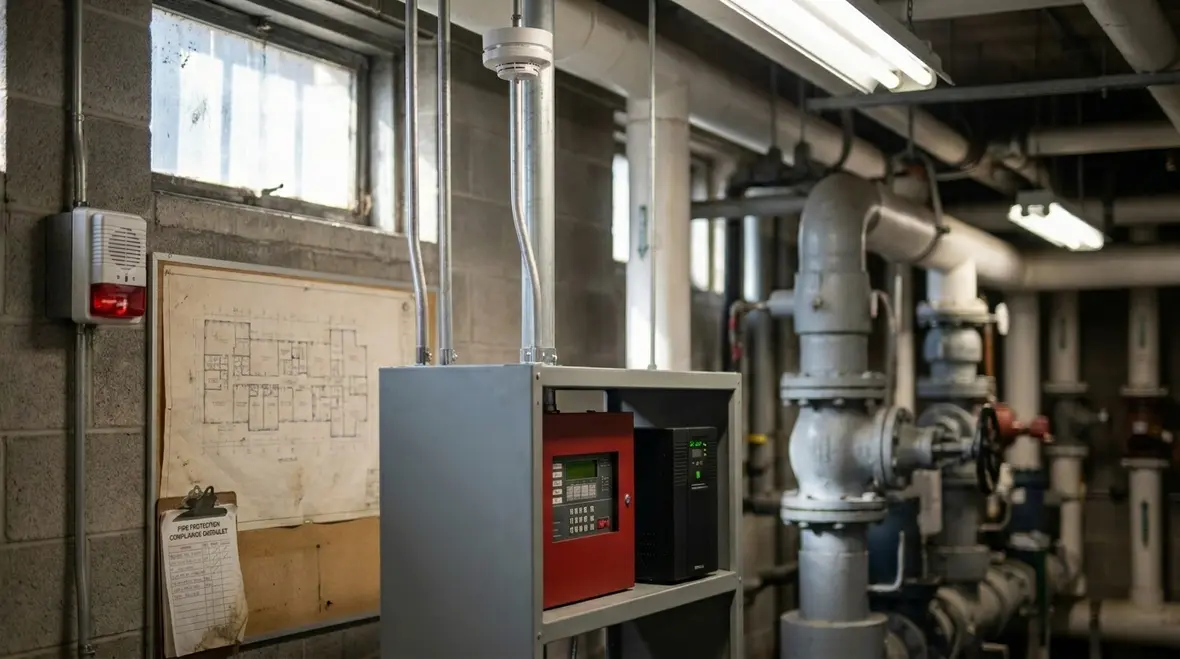
Integrated systems also require careful attention to documentation. The as built drawings, device lists, and circuit maps must match what the panel shows today. When facilities update signage, add doors, or re route conduit, the system design documents need updates too. This keeps fire protection response consistent and prevents confusion during emergencies.
Finally, inspection schedules depend on local code and on the type of system. Even so, smart owners treat testing as a risk management tool. Because if the system does not know the building, the building cannot trust the system.
Relevant NFPA and Local Code Requirements
Fire protection system component integration aligns with major standards and local amendments. Many facilities follow NFPA 72 for fire alarm systems, which covers installation, inspection, testing, and maintenance. That standard also addresses supervision, notification performance, and operational features. For sprinkler systems, NFPA 13 often guides design and installation, while NFPA 25 covers inspection, testing, and maintenance.
In addition, local fire codes and authority having jurisdiction requirements can add site specific rules. Examples include scheduling of testing, requirements for emergency communications interfaces, or rules for monitoring and supervision. Therefore, the right approach starts with a plan review that matches the site and the intended occupancy use.
Because codes update over time, the best teams check the current edition and also confirm local amendments. Kord fire protection technicians often stress that the code does not live on paper only. It shows up in the field through proper device placement, verified circuit supervision, and documented testing results.
How Fire Protection Teams Use These Integrated Systems Day to Day
When fire protection teams use these integrated systems, they treat them like a safety network, not a collection of parts. First, they rely on clear wiring labels and consistent panel programming so technicians can trace any fault quickly. Next, they coordinate integration points with other building systems so controls activate as expected. Then, they keep records that prove reliability, especially after repairs or tenant changes. If an alarm happens, the system should guide action without panic. And when maintenance happens, the system should confirm health, not create new mysteries for next week’s night shift.
Here is the best part, and it is not glamorous. The calmer the system behavior, the calmer the response. It is like knowing the plot twist ahead of time instead of watching the characters stumble around in the dark. That is peace of mind, delivered with discipline.
FAQ: Quick Featured Snippet Answers
CTA Conclusion: Get the Right Integration, Not Just the Right Equipment
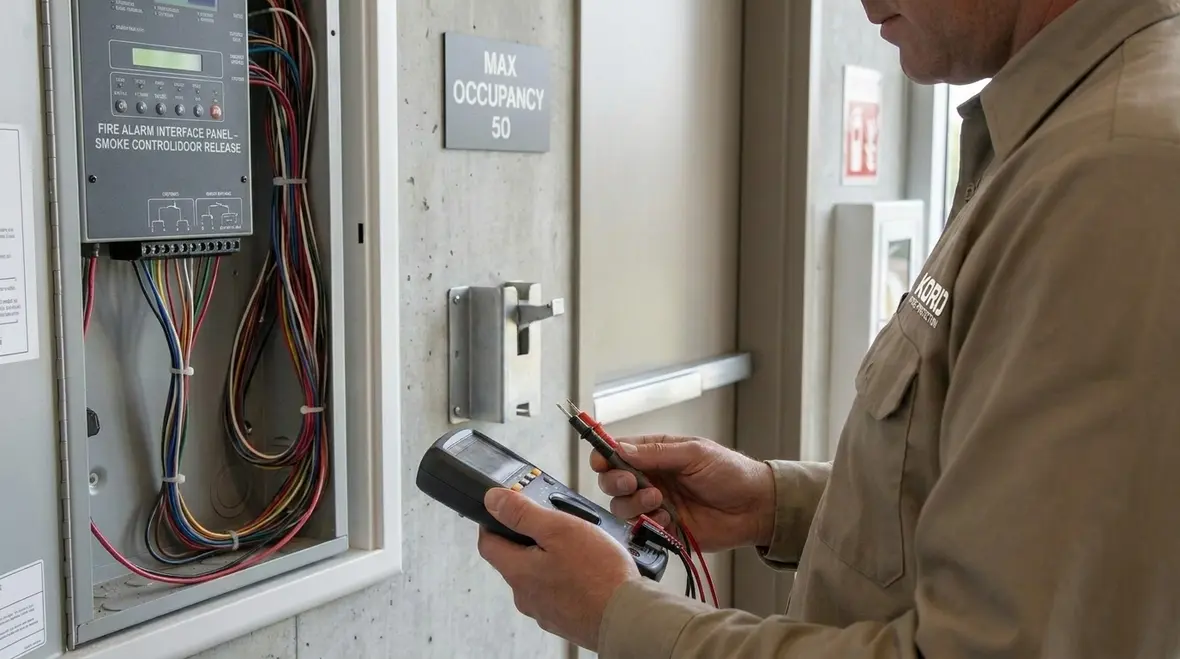
A fire alarm or life safety system should not feel like guesswork. With the right design and fire protection system components integration, a building gains coordinated response, clearer occupant direction, and dependable monitoring. If a project is new, changing tenants, or due for code compliant updates, it is time to align the components with how the building actually works. Contact Fire Protection Products Inc to review integration details, plan testing, and confirm compliance with current requirements. Then let the system do its job, before the job does you.
Know Your Weapon Before You Fight the Flame
Kord Fire Protection is your go-to when it comes to all things fire protection. For over 20 years, we’ve been serving Southern California with the quality service and equipment to keep your home or business safe at all times. Our competitive prices reflect our unwavering commitment to protecting what matters most in the event of a fire emergency. Give us a call, send an email, or use that form!

Join Our Newsletter!
Get the latest fire safety tips delivered straight to your inbox From our Newsletter.