
How Long Do Fire Extinguishers Last by Type
How Long Do Fire Extinguishers Last? Lifespan by Agent Type and Use Case
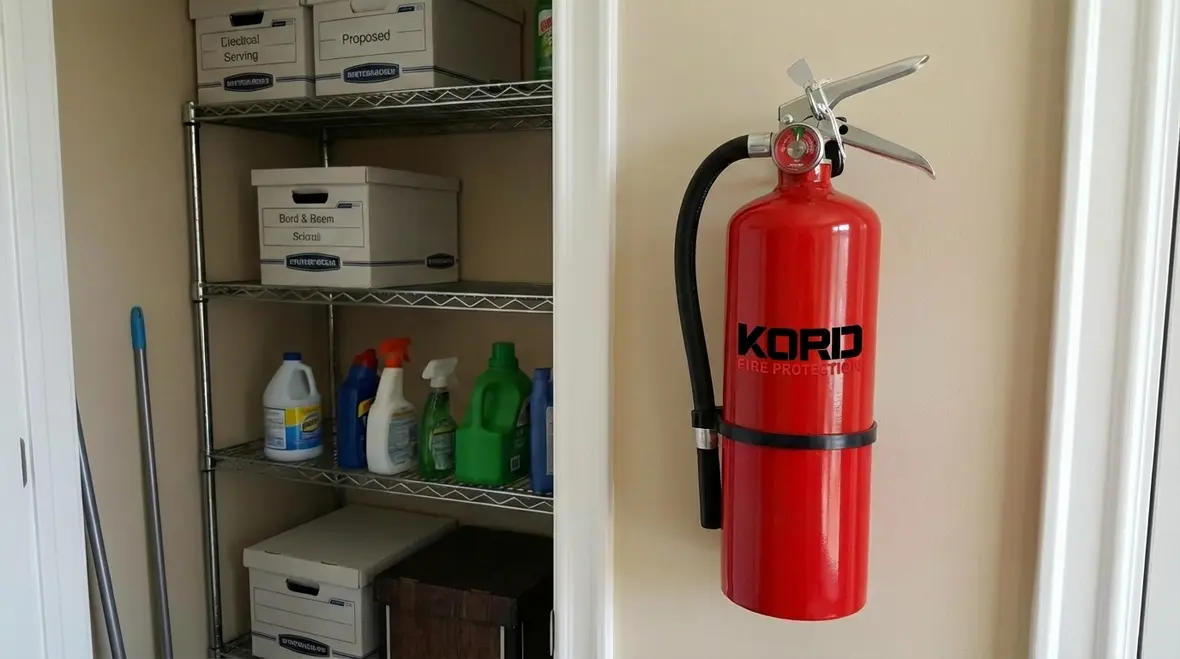
How long do fire extinguishers last? It is one of those questions people ask right after they buy one and place it under the kitchen sink, next to the cleaning supplies and that one pan nobody knows how to use. The truth is, fire extinguishers do not last forever. However, they are not ticking time bombs either. With proper care, inspection, and service, many can remain reliable for years. Kord Fire Protection technicians often explain that lifespan depends on the type of agent inside, the environment around it, and how often it is inspected or used.
Therefore, understanding what affects longevity helps property owners protect lives, avoid fines, and sleep a little better at night. Let us walk through it calmly, clearly, and with just enough humor to keep the fire safety talk from putting anyone to sleep.
Understanding Fire Extinguisher Lifespan by Type
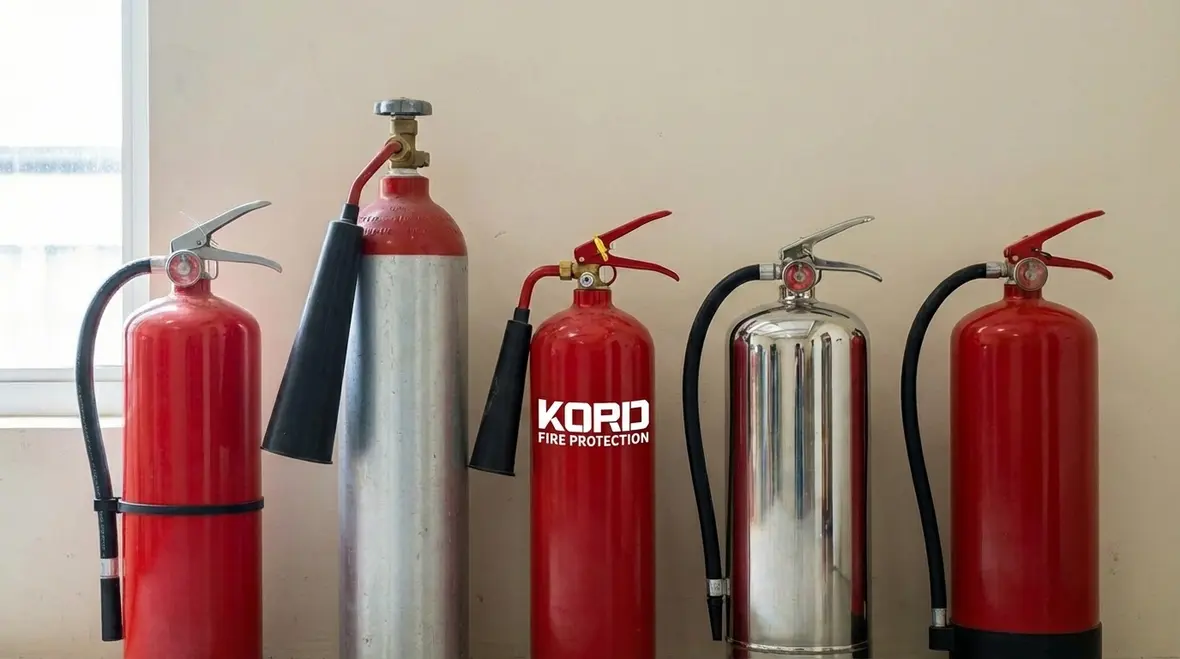
Not all extinguishers age the same way. In fact, the agent inside plays a major role in determining how long a fire extinguisher remains effective. Kord Fire Protection technicians often compare it to groceries. Some items stay fresh longer, while others need careful handling and regular checks. If you have ever wondered how this lines up with expiration and replacement timing, it fits closely with what Kord explains in their guides on expired fire extinguishers and replacement planning, where most units fall in that 5 to 15 year window when properly maintained. Their “My Fire Extinguisher Is Expired” guide dives even deeper into those ranges and risks.
Dry Chemical Extinguishers
Dry chemical units are the most common in homes and businesses. Typically, they last between 10 to 12 years if maintained properly. However, they require internal inspections and hydrostatic testing at specific intervals. Over time, the powder can compact, especially in areas with vibration or humidity. Consequently, regular shaking or professional servicing helps keep the agent loose and ready.
In the real world, that usually looks like monthly visual checks, annual service, a six year internal examination, and 12 year hydrostatic testing to confirm the cylinder can still safely hold pressure. Kord Fire’s own six year breakdown/tear down service is built around this schedule for stored pressure dry chemical units, making sure the agent and parts have not quietly degraded in the background.
Carbon Dioxide Extinguishers
CO2 extinguishers often last 10 years or more. Because they contain pressurized gas rather than powder, they avoid compaction issues. However, they must still undergo hydrostatic testing every five years. While they look sleek and almost futuristic, they still need human attention. Even Iron Man serviced his gear.
With CO2 units, technicians pay close attention to weight, pressure, and valve condition. A cylinder might appear normal on the outside but still fail testing, which is why Kord’s hydrostatic testing services focus on catching microscopic cracks and weaknesses long before they turn into a dangerous failure under pressure.
Water and Foam Extinguishers
These units typically last 5 to 10 years, depending on maintenance. Since they contain liquid, corrosion becomes a concern over time. Therefore, inspections remain critical.
Rust around the base, pitting on the shell, or signs of leakage are all cues that the water or foam inside is slowly winning the long-term battle against metal. Technicians check not only the outside of the cylinder, but also internal surfaces during required breakdowns, similar to what happens during Kord’s scheduled internal maintenance and annual services.
Clean Agent Extinguishers
Clean agents, often used in server rooms and medical facilities, can last 10 to 12 years with proper care. Because they protect sensitive equipment, technicians pay close attention to pressure levels and seals.
Even a minor leak or pressure drop can make the difference between a clean, electronics-safe discharge and a disappointing sputter when someone pulls the pin. In high value environments like data rooms, many owners lean on regular service relationships with companies like Kord to keep clean agent units perfectly tuned rather than finding out the hard way that “probably fine” was wishful thinking.
Although these ranges provide guidance, lifespan is never just about the calendar. It is about condition.
What Impacts How Long Fire Extinguishers Last in Real World Settings
Time matters, yes. However, environment matters more.
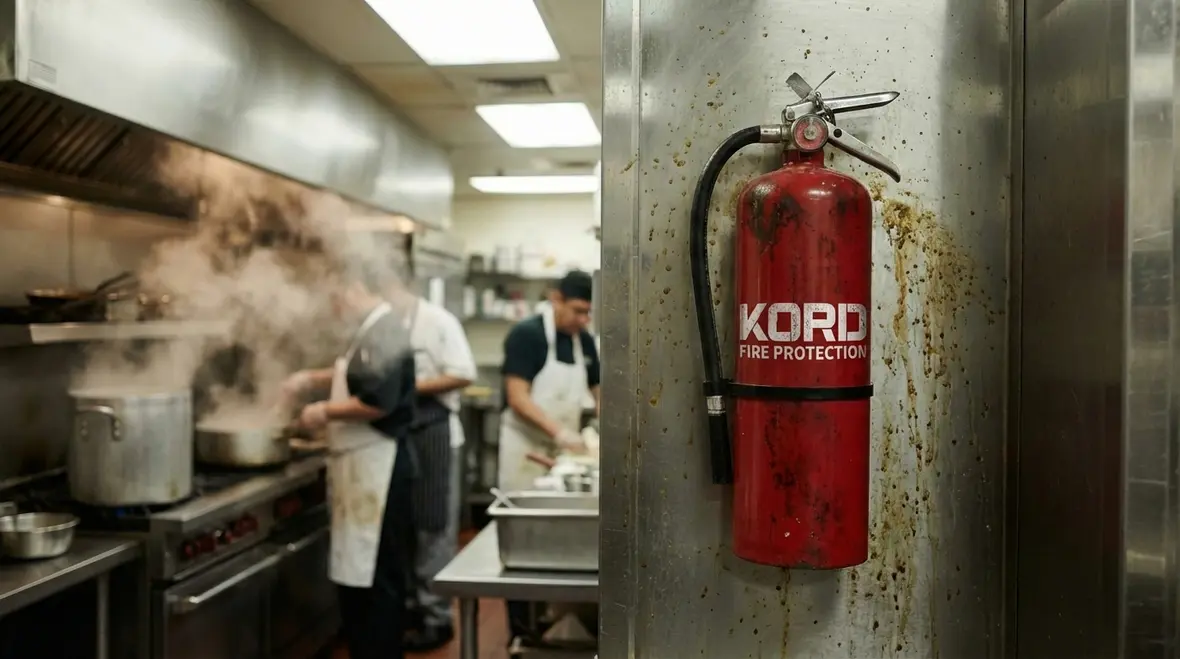
Extinguishers placed in climate controlled offices tend to last longer than those mounted in warehouses or outdoor enclosures. Heat, moisture, vibration, and chemical exposure all speed up wear.
For example, a unit installed in a busy commercial kitchen experiences grease, steam, and temperature swings. As a result, corrosion may develop faster. On the other hand, an extinguisher in a quiet office hallway lives a calmer life.
Kord Fire Protection technicians explain that usage also affects longevity. Once discharged, even partially, most extinguishers require recharge or replacement. Letting a used extinguisher sit idle is like putting a bandage on a broken pipe. It looks fine, but it will not save the day. Their recharging and pressure check guide drives home this point: post use or low pressure means immediate service, not “someday.”
Additionally, proper mounting reduces impact damage. Units tossed in the trunk of a vehicle without secure brackets suffer more stress. Over time, that stress weakens components.
So when people ask how long do fire extinguishers last, the better question might be how well are they cared for.
Inspection, Maintenance, and Testing Requirements
Regular inspections do more than check a box for compliance. They extend life.
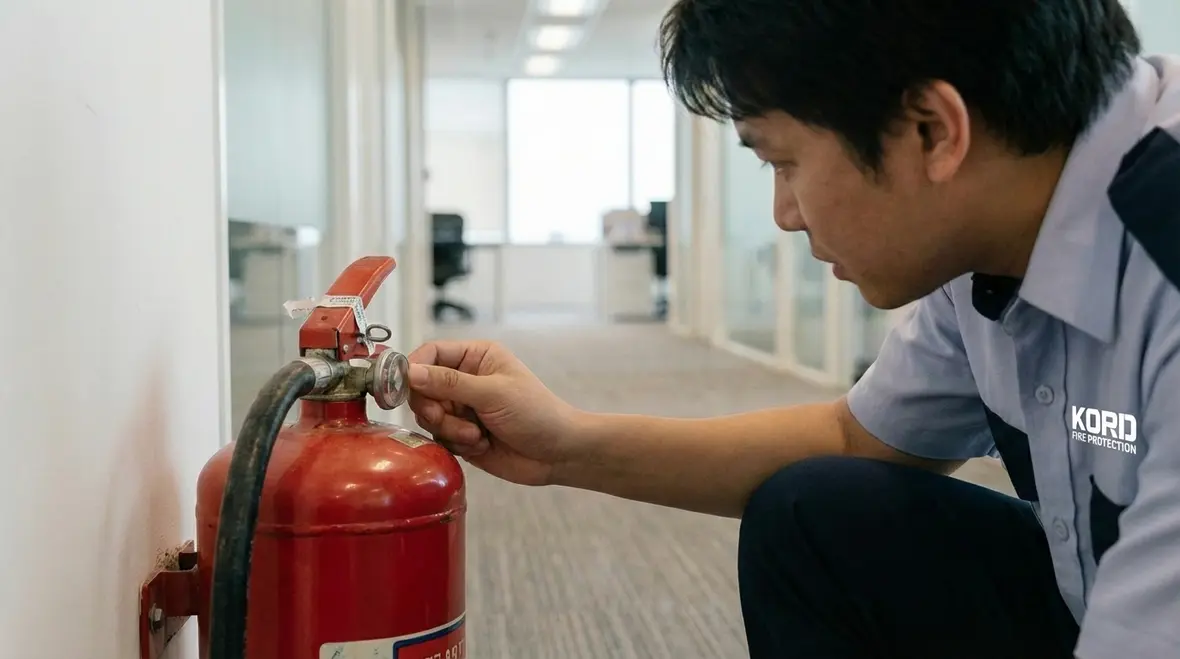
Monthly visual inspections ensure:
- The pressure gauge sits in the green zone
- The pin and tamper seal remain intact
- There is no visible corrosion or damage
- The label remains readable
However, annual maintenance by certified professionals goes deeper. Kord Fire Protection technicians disassemble components, inspect internal parts, and verify weight and pressure. Their monthly inspection and annual service program lays out exactly how those checks keep extinguishers code compliant and ready year after year.
Then comes hydrostatic testing. This process checks the cylinder’s structural integrity by filling it with water and pressurizing it. While it sounds dramatic, it is a controlled and essential safety test. Most dry chemical and clean agent extinguishers require testing every 12 years. CO2 units often require it every 5 years.
Because these tests identify hidden weaknesses, they directly influence how long fire extinguishers remain safe to use.
When to Replace Instead of Recharge
At some point, replacement becomes smarter than repair.
Disposable extinguishers, often sold in retail stores, typically last around 10 years and cannot be refilled. Once discharged or expired, they should be replaced.
Rechargeable models can be serviced multiple times. However, if the cylinder fails hydrostatic testing, shows severe corrosion, or suffers structural damage, replacement becomes mandatory.
Kord Fire Protection technicians often advise businesses not to push aging equipment beyond recommended limits. Although it might seem cost effective to stretch a few extra years, reliability during an emergency carries far greater value. Their dedicated fire extinguisher replacement service page makes this crystal clear: when in doubt about condition, it is safer and often more economical to swap in a new unit.
Besides, when flames appear, nobody wants to wonder whether the extinguisher feels up to the task. Fire emergencies are not the time for motivational speeches.
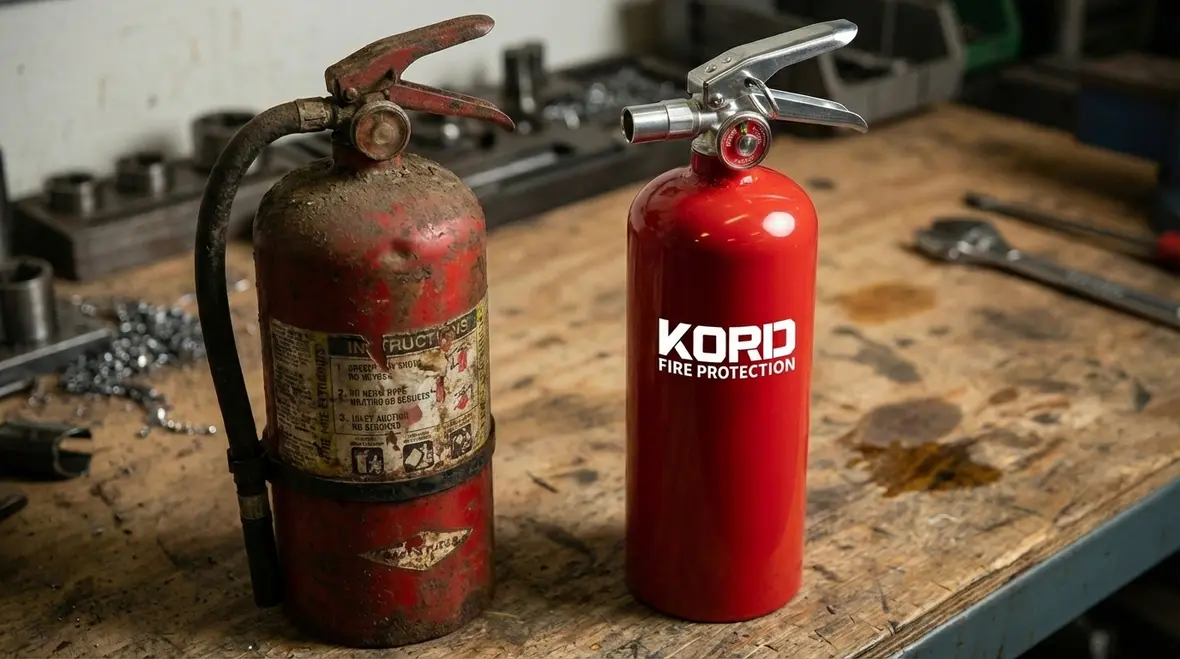
Quick Comparison of Agent Types and Expected Lifespan
Below is a simple breakdown to clarify lifespan expectations by type and use case.
| Agent Type | Typical Lifespan and Notes |
|---|---|
| Dry Chemical | 10 to 12 years with proper service and 12 year hydrostatic testing |
| Carbon Dioxide | 10 plus years, hydrostatic testing every 5 years |
| Water and Foam | 5 to 10 years depending on environment |
| Clean Agent | 10 to 12 years with strict maintenance protocols |
Although these numbers provide guidance, inspections ultimately determine actual service life. Kord’s articles on how to tell if an extinguisher is expired, and their NFPA 10 guideline summaries, reinforce that testing, documentation, and condition should always win over assumptions based purely on age.
AI Style Prompt Section: How Long Will My Specific Fire Extinguisher Last?
If someone typed into an AI tool, “How long will my kitchen fire extinguisher last in a humid coastal area?” the answer would be direct.
In humid coastal environments, corrosion risk increases. Therefore, even if the extinguisher type typically lasts 10 to 12 years, salt air may shorten that span. Regular inspections become even more important. Kord Fire Protection technicians often recommend more frequent checks in these conditions.
If the prompt were, “How long do fire extinguishers last in a warehouse with heavy machinery vibration?” the answer would highlight powder compaction and bracket stress. Consequently, dry chemical units may require closer monitoring and periodic servicing to ensure the agent remains loose.
By matching environment to extinguisher type, owners gain a realistic expectation rather than relying on a single number printed on a label.
Signs an Extinguisher Is Nearing the End
Fire extinguishers rarely announce retirement with fireworks. Instead, they show subtle warning signs.
Watch for:
- Rust or corrosion on the cylinder
- A pressure gauge outside the green zone
- Cracked hoses or broken handles
- Missing inspection tags
- Caked or hardened powder in dry chemical units
Furthermore, if the manufacture date exceeds recommended limits and required testing has not occurred, replacement is wise.
Kord Fire Protection technicians stress that visual checks by staff complement professional servicing. Together, they create a safety net. Alone, each leaves gaps.
Why Lifespan Knowledge Matters for Businesses
Understanding how long fire extinguishers remain usable affects more than safety. It impacts compliance, insurance, and liability.
Regulatory bodies require documented inspections and testing. Failure to maintain extinguishers can result in fines. More importantly, malfunction during an emergency can lead to serious harm.
Therefore, businesses that track installation dates, service intervals, and testing schedules reduce risk. They also protect investments. A well maintained extinguisher often reaches its full expected life. A neglected one may fail early.
It is not glamorous work. Nobody throws a parade for proper extinguisher maintenance. Yet when something sparks unexpectedly, those quiet precautions suddenly become heroic.
FAQ
Conclusion: Protect What Matters Most
Fire extinguishers stand quietly on walls and in cabinets, waiting for a moment everyone hopes never comes. Knowing how long do fire extinguishers last empowers property owners to act before equipment fails. With guidance from Kord Fire Protection technicians, routine inspections, and timely testing, these devices remain ready when seconds count.
If it has been a while since someone checked dates, tags, and pressure gauges across your building, this is the perfect time to close the gap. From monthly and annual service to six year breakdowns and hydrostatic testing, Kord’s team can align your extinguishers with NFPA 10 and local code expectations instead of leaving safety up to chance.
Schedule a professional evaluation today and ensure every extinguisher on site stands prepared, steady, and strong. For locations that need replacement as well as service, Kord’s dedicated Fire Extinguisher Replacement team can recommend the right types, ratings, and quantities so your next inspection ends with a clean bill of health instead of a punch list of violations.
Whether you manage a single storefront or multiple facilities, partnering with experts who live and breathe extinguisher laws, testing cycles, and best practices means you can focus on running the business while they keep those quiet red cylinders ready to be heroes.
Know Your Weapon Before You Fight the Flame
Kord Fire Protection is your go-to when it comes to all things fire protection. For over 20 years, we’ve been serving Southern California with the quality service and equipment to keep your home or business safe at all times. Our competitive prices reflect our unwavering commitment to protecting what matters most in the event of a fire emergency. Give us a call, send an email, or use that form!

Join Our Newsletter!
Get the latest fire safety tips delivered straight to your inbox From our Newsletter.


