Food Truck Fire Suppression System: Installation and Maintenance
Running a food truck is a little like hosting a live episode of your own show. The crowd expects great food, fast service, and absolutely no chaos. That is why a food truck fire suppression system should be treated like an essential part of the kitchen, not a last minute “hope for the best” plan. These systems protect the cooking area from grease flare ups, electrical issues, and heat spread, while also reducing the risk that a small incident becomes a headline. And yes, nobody wants their truck featured on social media with the caption, “Well, that escalated.”
In this guide, third person planning meets real world safety. It explains what fire suppression covers, how it works on mobile kitchens, what compliance typically involves, and why kord fire protection can become a vital partner when it is time to install, maintain, and verify the system is ready for action.
Food truck fire suppression system basics and what they protect
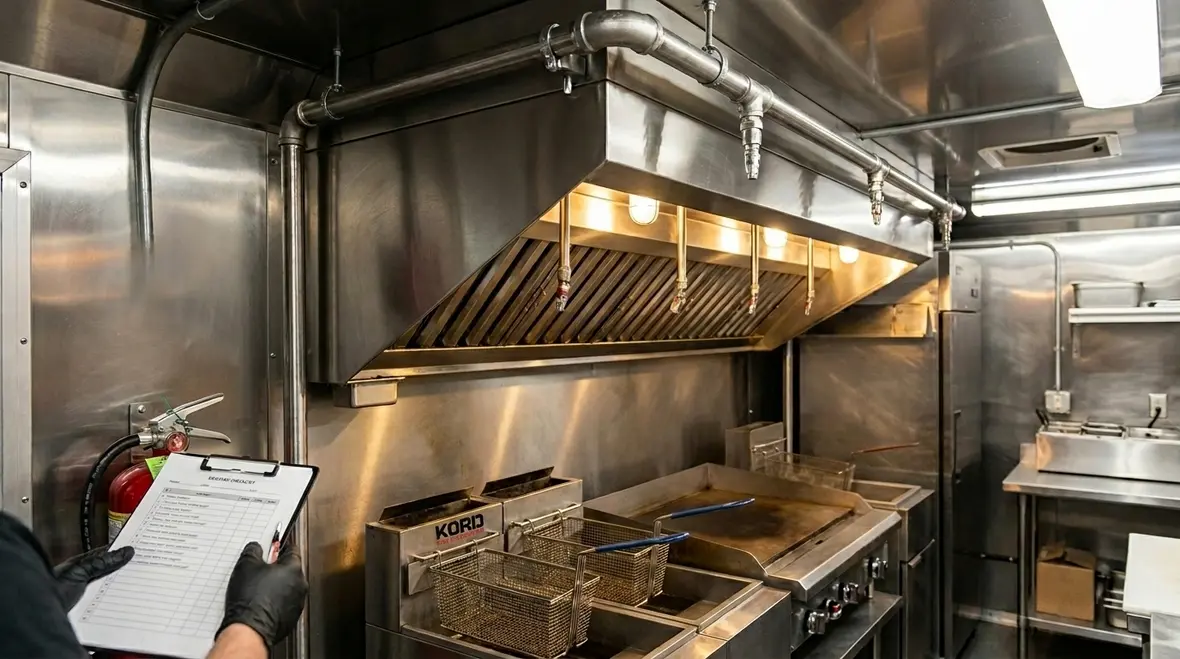
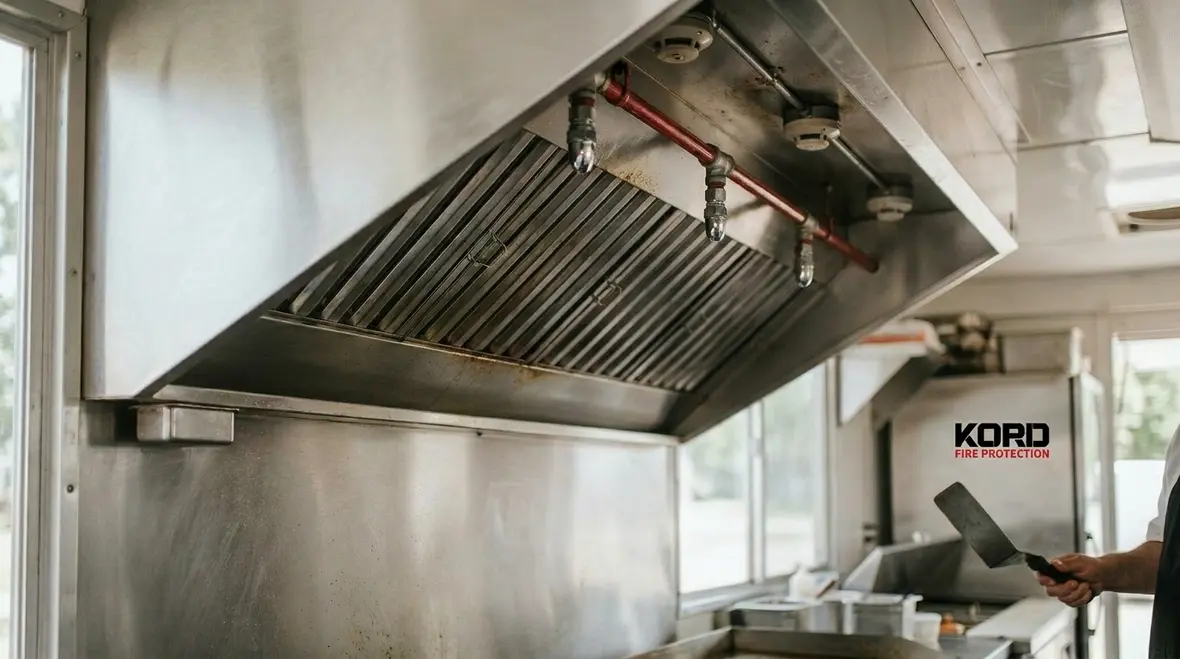
A fire suppression system for a food truck usually targets the cooking equipment, where flames can ignite from oil, fat, or high heat. The system places detection and discharge where it matters most, like above hoods, in the duct path, and near key cooking surfaces. As heat rises, sensors or fusible links detect abnormal temperature. Then the system releases an extinguishing agent fast enough to stop a growing fire before it spreads to filters, ductwork, or nearby combustibles.
Common protected elements include the hood, grease laden surfaces, and duct runs that trap cooking byproducts. Because food trucks move through different environments and road vibration can affect equipment alignment, a suppression design also accounts for secure mounting and reliable trigger points. In other words, it is not just about having a canister. It is about having the right coverage, installed with care.
Why coverage matters more on a mobile kitchen
A brick and mortar kitchen stays put. A food truck does not. That difference changes everything. The system has to handle vibration, compact layouts, tighter clearances, and the kind of daily wear that comes from driving one workplace to another. A setup that looks fine on paper can still fail to protect the right zones if the hood geometry, appliance spacing, or nozzle aiming is off. That is why mobile suppression design is not a copy and paste job from a standard restaurant hood. It needs to fit the truck as it actually operates, not as someone imagined it in a calm office with no lunch rush.
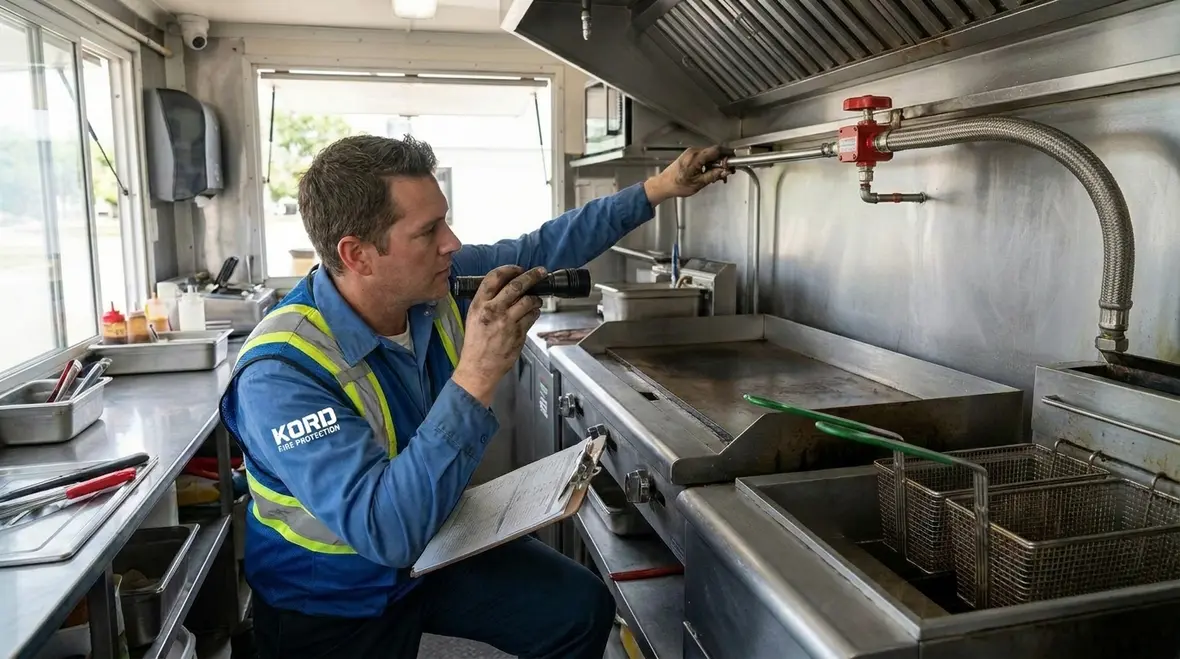
Key components inside a mobile kitchen suppression setup
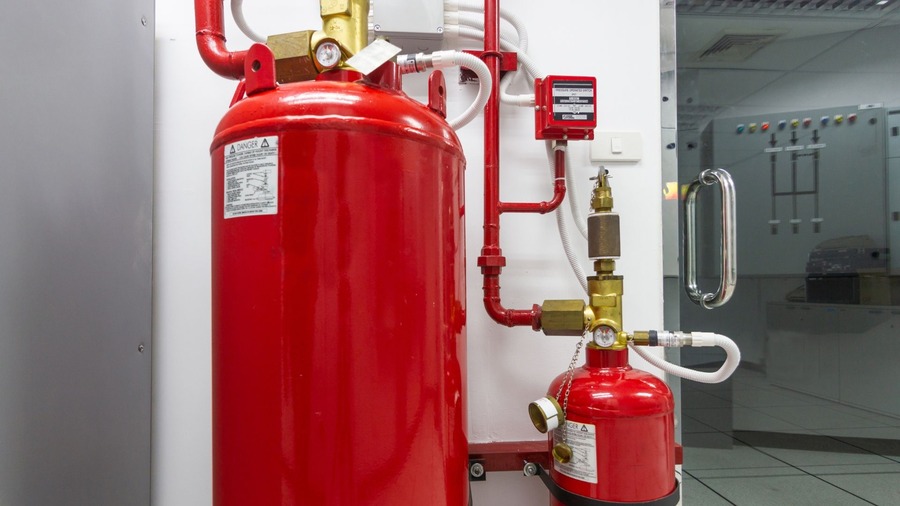
A complete installation typically includes several parts that work together as one coordinated system. First, there is the detection method. Second, there is the storage container or agent source. Third, there are piping or tubing routes that guide the discharge. Finally, there is a manual release so operators can act quickly if they spot danger first. Additionally, the system includes valves, nozzles, and the electronics or trigger components that ensure timing stays consistent.
In practice, the system also needs to match the truck layout. For example, if the cooking line runs longer than expected, or if the hood shape changes during a buildout, the coverage area needs adjustment. Meanwhile, technicians must consider how grease drains and where heat concentrates. When the setup fits the equipment, it helps reduce “missed coverage” zones that can otherwise give fire a head start.
The parts that quietly do the heavy lifting
- Detection links or sensors that respond to dangerous heat conditions
- Agent cylinders sized for the cooking hazard and hood arrangement
- Nozzles positioned to cover appliances, hood plenums, and duct entry points
- Manual pull stations that let staff activate the system if needed
- Control components that coordinate shutoff and system release
When those elements are selected and placed correctly, the system acts less like random hardware and more like a well rehearsed safety team. When they are not, owners are left trusting equipment that may not protect the actual hazard area. That is not exactly the kind of suspense anyone wants before a catering event.
How kord fire protection supports installation and ongoing inspections
Most owners understand that cooking equipment requires regular cleaning. However, they often underestimate how often suppression systems must be verified. That is where kord fire protection steps in as a vital partner with this service. They help teams select the right approach for the truck’s kitchen design, then they install and commission the system so it performs as intended under real conditions.
After installation, they continue with maintenance and inspection. This matters because agents, sensors, and detection components do not last forever. Furthermore, vibration from travel can loosen hardware over time. If inspections get skipped, a system might still look fine while quietly losing effectiveness.
kord fire protection also supports documentation. That part sounds boring, until a regulator or venue asks for proof that the truck’s fire protection system meets requirements. Then suddenly documentation becomes the main character of the story.
For a related Kord Fire resource, operators can also explore Restaurant Fire Suppression for Food Trucks and Grease, which expands on the real world risks that make suppression planning so important. When owners want broader inspection context, Kitchen Fire Suppression Inspection Requirements Guide is another helpful internal reference for keeping service schedules and records from turning into a scramble.
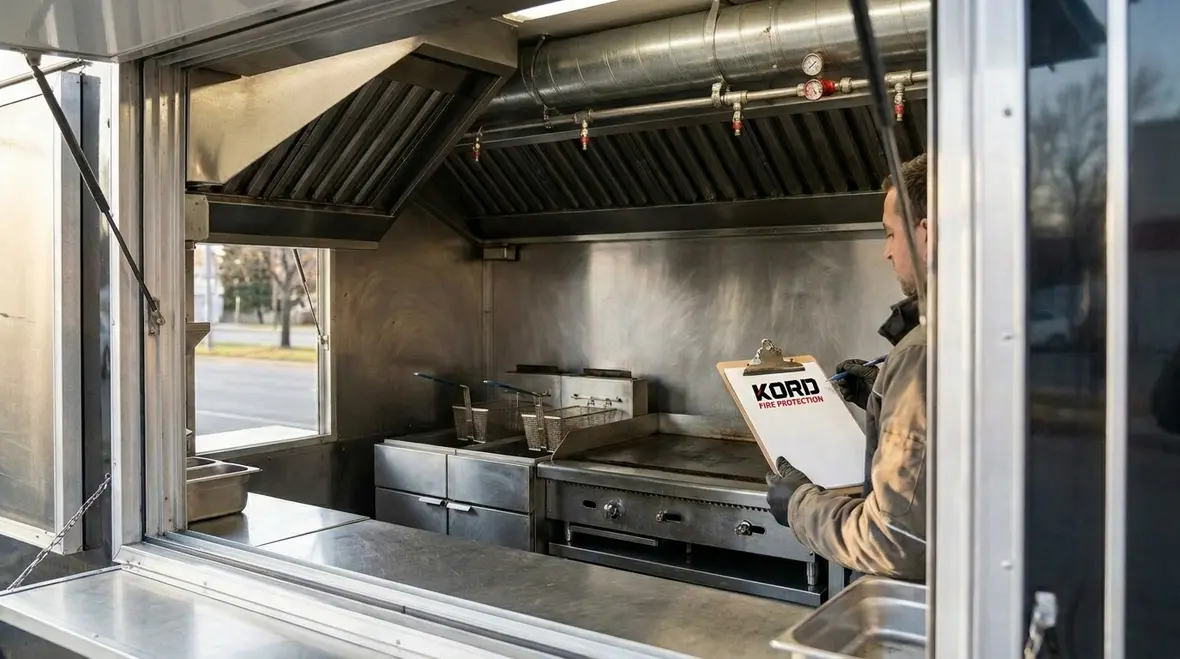
Compliance basics and how to avoid surprise inspections
Fire safety rules vary by state, city, and even the type of event where the truck operates. Generally, authorities care about installation standards, approved components, and regular service records. Many inspections focus on whether the system is properly mounted, whether discharge paths are unobstructed, and whether the system has been inspected within a required time window.
To avoid surprise issues, the truck should treat compliance as an ongoing process. Owners can set internal reminders for inspections, keep service logs in an easy to access location, and ensure staff understand how to use the manual override. Also, when the truck changes equipment, the system may need an update. Replacing a fryer, swapping a hood, or adding another burner can change the protection profile. Therefore, the suppression plan should evolve with the kitchen.
Practical ways to stay ahead of compliance trouble
- Keep the latest inspection and service paperwork inside the truck
- Train staff on the manual pull station and emergency shutdown steps
- Review suppression coverage any time cooking equipment changes
- Schedule service before major event seasons instead of during them
- Address damaged nozzles, loose hardware, or grease buildup immediately
Fire risk from cooking operations and where systems reduce harm
Fires on food trucks often start with predictable sources: grease buildup, hot oil splatter, improper ventilation, and operator errors under time pressure. A fire suppression solution helps by reducing how quickly heat can ignite grease and spread through ducts and hood filters. At the same time, it can limit damage to the cooking area, which helps protect inventory, equipment, and the truck itself.
Importantly, suppression does not eliminate the need for safe operations. It works as a second layer of defense. Yet when staff follow safe cooking practices, the system becomes the backstop. As a result, the truck gains more than just fire control. It gains better stability during service rushes, when mistakes are most likely and distractions come from all directions.
And yes, the system helps even during the moments when someone forgets that the fryer is hot. That moment happens in every universe, even in the Marvel movies. The difference is that the truck does not need a superhero to fix it.
Maintenance schedules that keep the fire suppression system ready
A reliable plan includes inspections, cleaning, and periodic checks of key parts. Technicians often examine agent pressure, sensor condition, trigger wiring, nozzle alignment, and physical mounting. Additionally, they confirm that nozzles stay clear and that pathways remain unobstructed by grease or residue. If the truck uses certain cooking oils or runs high output during events, the inspection needs can increase because the environment accelerates buildup.
Owners should also document maintenance. That documentation supports compliance needs and helps identify patterns. For example, if inspections repeatedly find clogged components after a certain event type, the truck can adjust cleaning schedules or hood filtration practices.
In the same spirit, staff training improves outcomes. The team should know what alarms sound like, where the manual release is located, and what immediate actions follow discharge. After all, suppression is one event, and recovery is the next. A truck that plans for both operates with more confidence and fewer delays.
What a strong maintenance routine usually covers
- Checking pressure and condition of the suppression agent container
- Inspecting detection links, wiring, and release hardware
- Confirming nozzle caps, alignment, and discharge path clearance
- Reviewing mounting points affected by vibration and road movement
- Updating service records so inspection history stays easy to prove
Choosing the right fire protection partner for a food truck
Not every vendor delivers the same level of support. When owners look for help, they should consider whether the partner can handle design fit, install quality, and maintenance with clear records. They should also ask how the partner responds if something needs adjustment after a buildout or after equipment changes. In addition, the best partners communicate simply, so the owner understands what was done and what comes next.
kord fire protection stands out because it treats the suppression system as part of a broader safety program. They help trucks avoid guesswork by providing a clear process from installation through routine service. Meanwhile, truck operators get more than a one time sale. They get a working relationship that keeps their kitchen protected as the business grows.
Near the point of decision, it also helps to review the related Kord Fire service page for UL 300 Fire suppression System. That service page is a strong next step for owners who want installation, maintenance, and long term support from a team that already understands how active cooking hazards behave in the real world.
FAQ
Conclusion: secure the truck, protect the business
Fire safety should not feel like a gamble. A properly designed and maintained food truck fire suppression system protects the cooking area and helps reduce the odds that a grease flare up turns into a full stop. To keep it reliable, the owner needs the right partner for installation, inspections, and documentation. kord fire protection can step in as a vital partner with this service and help keep the system ready when it matters most.
Ready to protect the truck before the next rush?
Schedule a consultation with kord fire protection and move forward with confidence. It is a lot easier to serve great food when the fire plan is not held together by crossed fingers and good vibes.

Join Our Newsletter!
Get the latest fire safety tips delivered straight to your inbox From our Newsletter.