AFFF Fire Suppression Foam: Ready, Inspected Protection
Fire protection teams do not gamble with liquid fuel hazards, and that is exactly why AFFF fire suppression foam matters. In the first line of defense, AFFF fire suppression foam forms a specialized blanket that helps slow down the spread of flames on the surface of flammable liquids. And yes, while fires rarely follow movie rules, this approach can still buy critical time for evacuation, shut down, and professional response. Even so, foam systems only perform as well as the plan behind them. That is where Kord Fire Protection can become a vital partner, turning a safety requirement into a reliable, inspected, and ready-to-deploy solution.
Facilities that store, move, or process flammable liquids need more than optimism and a dusty binder on a shelf. They need suppression systems that are actually matched to the hazard, actually tested, and actually ready to perform when something goes sideways. That is where the difference between “installed once” and “maintained properly” becomes very real, very fast.
What AFFF fire suppression foam does in real fires
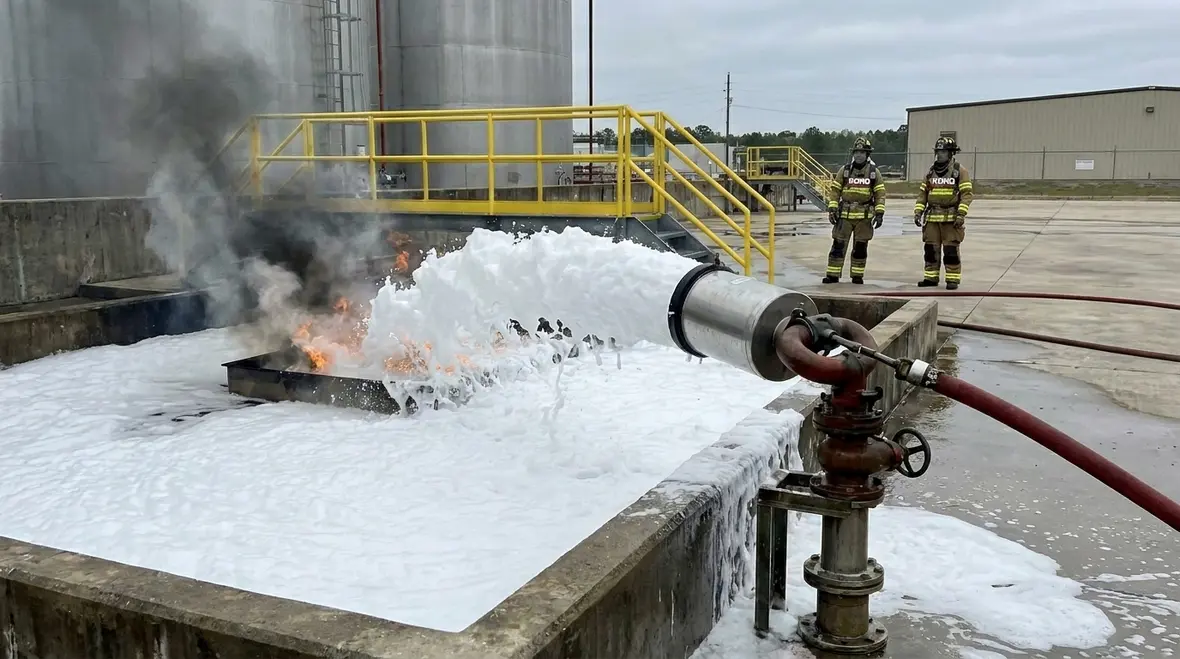
AFFF fire suppression foam is engineered for situations where burning liquids create a fast, surface level fire. Once applied, it spreads across the liquid surface and creates a barrier. This barrier limits oxygen contact, reduces evaporation, and helps stop the fire from feeding itself. In practical terms, it can help responders gain control before the incident grows into something that forces everyone to sprint like they just missed the bus.
Additionally, AFFF firefighting foam is not just “something slippery.” It uses chemical components designed to attack the fire behavior specific to fuel based incidents. Therefore, the best results come when the system matches the hazard. When a facility uses the wrong foam type or deploys it at the wrong concentration, the fire does what fires do. It keeps moving forward, with the confidence of a villain who never reads the safety manual.
That is one reason facilities often pair agent selection with broader system planning. Kord Fire Protection also explains these relationships in its Foam Fire Protection System Concentrate Guide, where concentrate choice and compatibility are treated like the serious business they are.
How AFFF works with foam concentrates, proportioning, and discharge
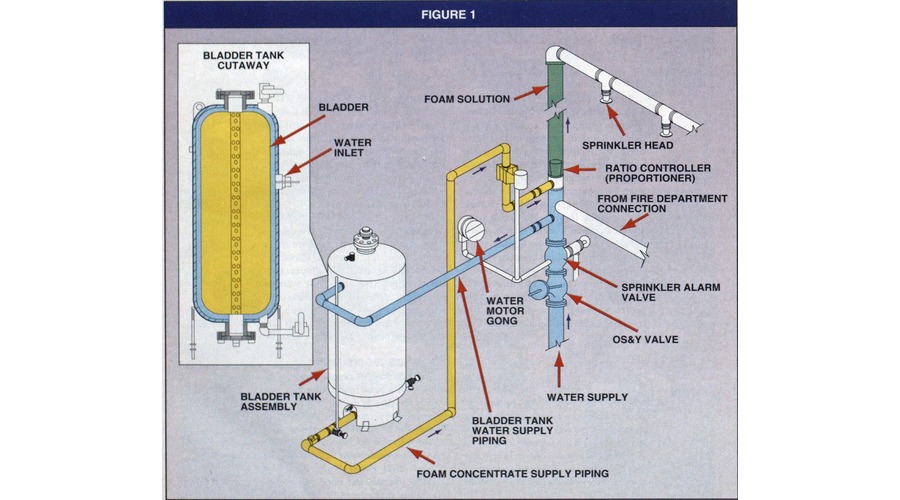
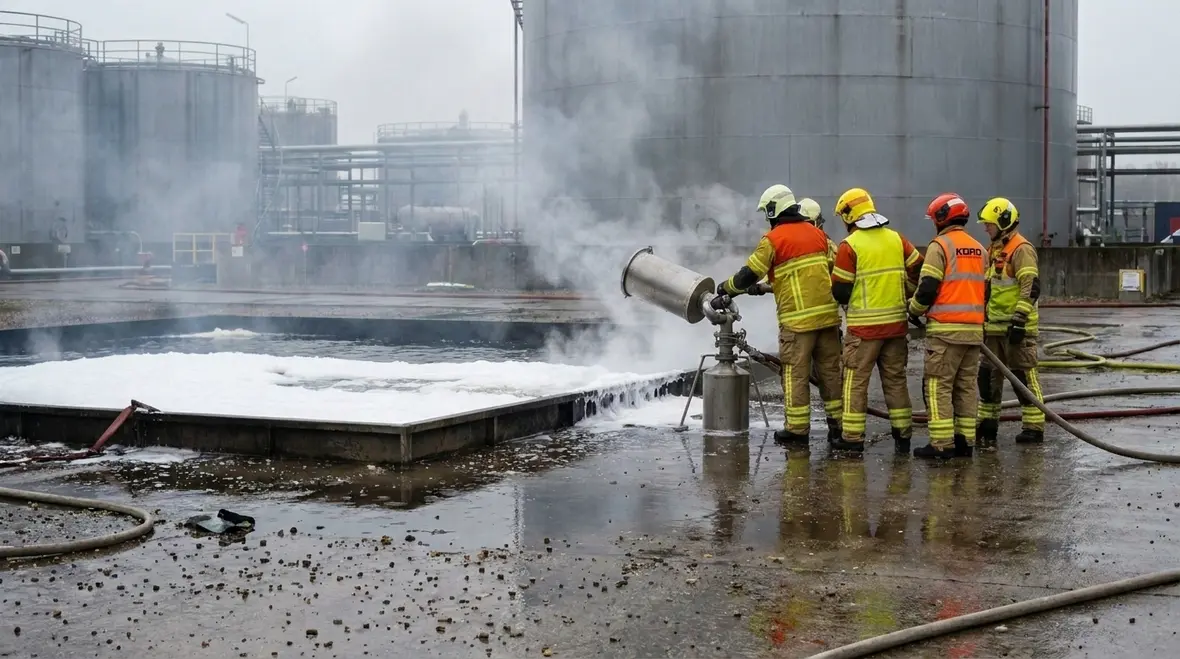
To work consistently, AFFF must be mixed correctly. Kord Fire Protection approaches this like a process, not a guess. Foam concentrate sits in storage, and a proportioning system blends it with water at the right ratio. Then, pumps and piping deliver the finished foam to discharge devices, such as monitors, nozzles, or fixed piping systems.
Because the mixture determines performance, the biggest risk is usually not the foam itself. It is the setup. Over time, factors like water chemistry, equipment wear, and incorrect settings can change how the foam behaves. Consequently, facilities need routine checks that confirm the system still meets the intended specs. This includes verifying proportioning accuracy, inspecting hoses and nozzles, and confirming that discharge patterns still cover the risk area.
Why proportioning accuracy matters more than people think
A foam system can look impressive from ten feet away and still miss the mark where it counts. If concentrate is under proportioned, the blanket can weaken. If it is over proportioned, the system may waste agent and affect discharge duration. Either way, “close enough” is not the comforting phrase people think it is in fire protection.
For facilities handling these hazards daily, that is why periodic validation is so important. Kord also covers the broader role of system matching and deployment in its article on foam system fire protection for flammable liquids, which fits naturally with readiness planning.
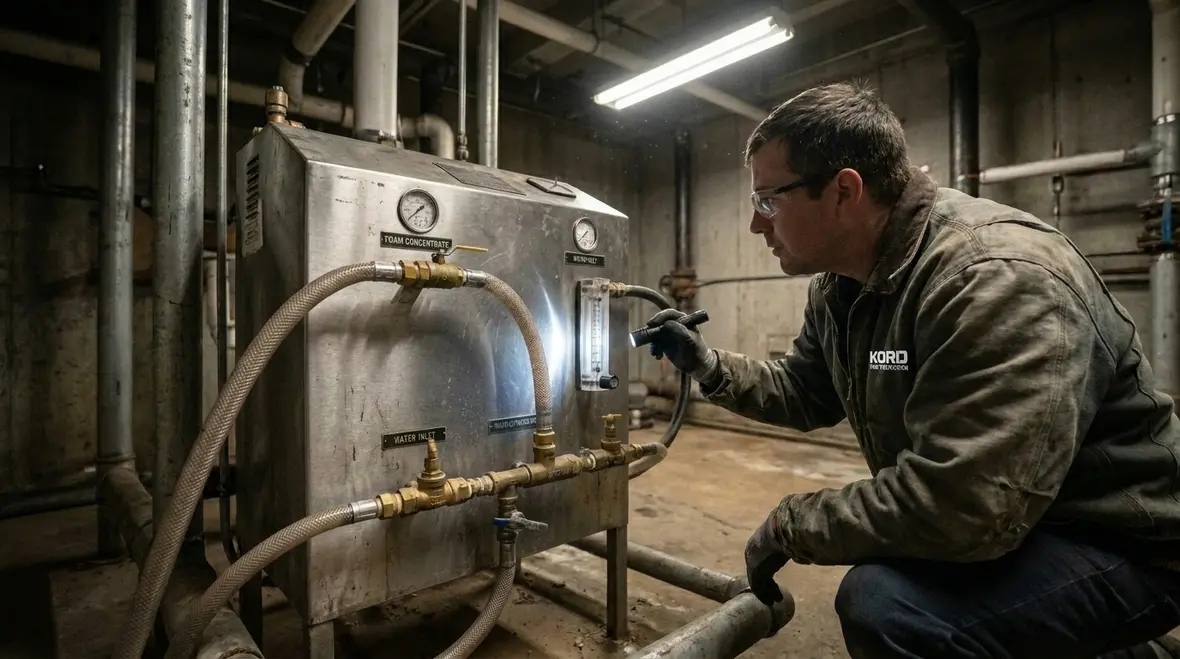
Where AFFF fire suppression foam is commonly used
AFFF fire suppression foam often appears in high risk environments where flammable liquids are present. Typical settings include airports with fuel storage and fueling operations, chemical processing sites, petroleum terminals, bulk fuel handling areas, and some industrial plants with tank farm hazards.
Moreover, the use case matters. Some facilities need it for fixed protection around tanks. Others rely on mobile systems for incident response. Then there are sites that use it for training and readiness checks, so responders can deploy correctly under pressure. Kord Fire Protection helps teams line up the right foam method with the site layout, hazard class, and operational constraints.
Fixed systems versus mobile response
This distinction matters because the hazard does not care how the budget meeting went. Fixed foam systems can protect defined areas with engineered coverage, while mobile equipment gives responders flexibility during changing incidents. The smartest approach is often the one built around real site conditions, not a generic template borrowed from somewhere with completely different risks.
Key safety and compliance considerations for foam systems
Foam systems live inside a world of standards, inspections, and documentation. That means AFFF fire suppression foam is only “effective” when it is maintained and compliant. Many facilities track inspection records, test frequencies, and maintenance actions. They also confirm training, response procedures, and communication protocols.
In addition, foam concentrate handling still requires careful attention. Storage conditions, shelf life, and labeling rules all influence reliability. Then there is the deployment method, since valves, pumps, and actuators must work smoothly. If a system sits idle too long, small issues can become big failures. Therefore, Kord Fire Protection supports facilities with planned service steps that keep the hardware ready and the documentation clean.
That broader inspection mindset also shows up across related suppression categories. For example, Kord’s guide to dry chemical fire suppression system inspection reinforces the same lesson: service intervals, documentation, and follow through are not extras. They are part of the protection.
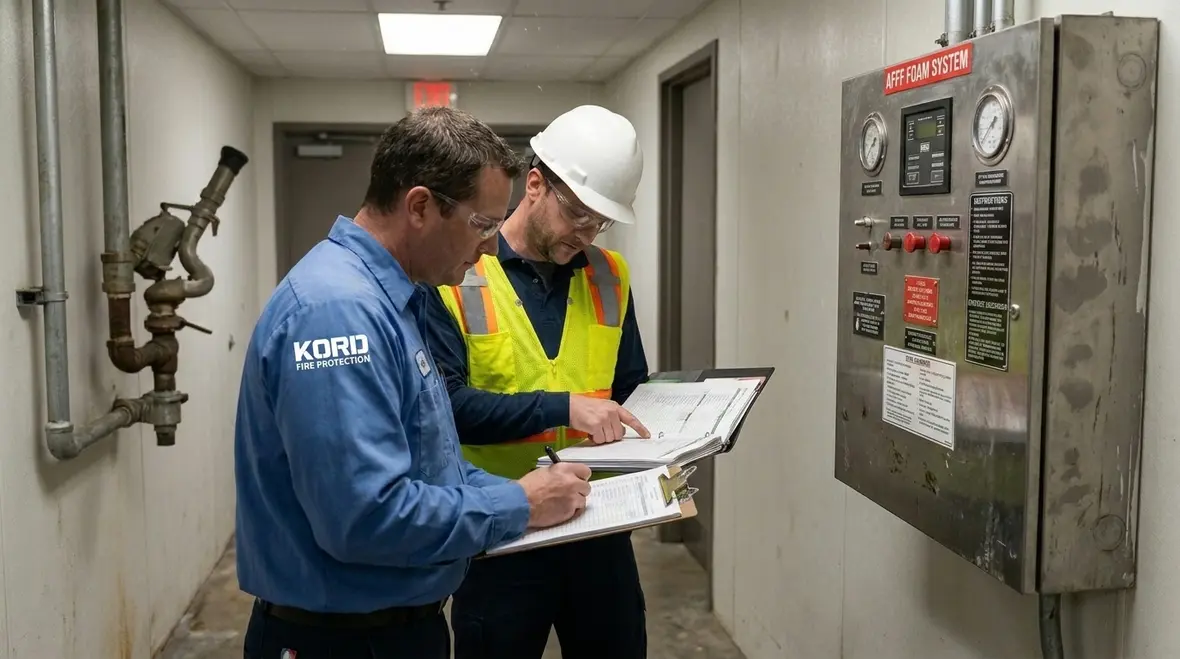
Comparing alternatives and choosing the right foam for the hazard
Not every job calls for the exact same chemistry. In many markets, teams consider different foam agents based on hazard type, performance goals, and evolving regulations. However, “choosing the right foam” does not mean picking a product off a shelf and calling it done.
Instead, the selection should reflect the facility’s fuel hazards, expected fire size, enclosure conditions, water supply capabilities, and operational needs. Then, it should match the foam system hardware. If the system was designed for one foam type and suddenly changes without proper adjustment, performance can drop at the worst moment. That is why hazard based planning wins. Kord Fire Protection helps customers evaluate the complete system context, so the foam choice aligns with the real risk, not just the marketing brochure.
Teams comparing options may also benefit from Kord’s overview of fire suppression system types, especially when a facility uses foam alongside clean agent, CO2, dry chemical, or water mist technologies.
How Kord Fire Protection supports AFFF readiness and performance
Maintenance is where good intentions go to prove themselves. Kord Fire Protection becomes a vital partner by supporting the full lifecycle, from system review to inspection readiness and corrective action. This includes checking proportioning equipment, verifying discharge flow, inspecting system components, and confirming that the foam coverage plan still fits the site.
To make it easier for teams to track performance, Kord Fire Protection aligns service activities with operational schedules. As a result, facilities avoid long outages and keep safety coverage intact. Furthermore, training support helps ensure responders understand how to deploy the foam correctly and when to use the right method for the incident.
Common approach Fix issues only after failures Run minimal checks to “get by” Track compliance loosely Rely on memory for deployment steps | Kord Fire Protection approach Plan inspections before problems grow Verify proportioning and discharge performance Document work for audit readiness Support training and deployment accuracy |
What facility managers should ask before the next inspection
Before an inspection or a scheduled test, managers benefit from asking focused questions that tie directly to performance. They can start by confirming that the foam concentrate inventory matches the planned use, and that it stays within shelf life requirements. Then they can confirm that proportioning targets remain correct and that discharge devices show no blockages or damage.
Next, managers should review maintenance history and verify that prior corrective actions stayed resolved. Also, they should confirm that documentation is current and stored where it can be produced fast. Finally, they should check whether responders have the current procedures for deploying AFFF firefighting foam safely. When Kord Fire Protection supports this process, the answers tend to be less stressful than a pop quiz from a tough teacher.
- Is the foam concentrate inventory correct for the actual hazard?
- Has the proportioning equipment been verified recently?
- Do nozzles, monitors, valves, and piping show wear, blockage, or damage?
- Are prior deficiencies documented and closed out properly?
- Can the site produce inspection and maintenance records quickly?
- Have responders reviewed current deployment procedures and roles?
FAQ
Conclusion
AFFF fire suppression foam can provide fast, targeted suppression when systems match the hazard and maintenance keeps performance steady. However, the real safety value appears only after inspection, proportioning verification, and deployment readiness become routine. Kord Fire Protection helps facilities reduce uncertainty, support compliance, and keep foam systems ready for the moments that matter.
If a review, service plan, or readiness check is on the schedule, now is the time to act. Reach out through Kord Fire Protection’s Foam Fire Suppression Systems page or explore the broader Fire Suppression Services offering to move from “we hope it works” to “we know it will.”

Join Our Newsletter!
Get the latest fire safety tips delivered straight to your inbox From our Newsletter.