
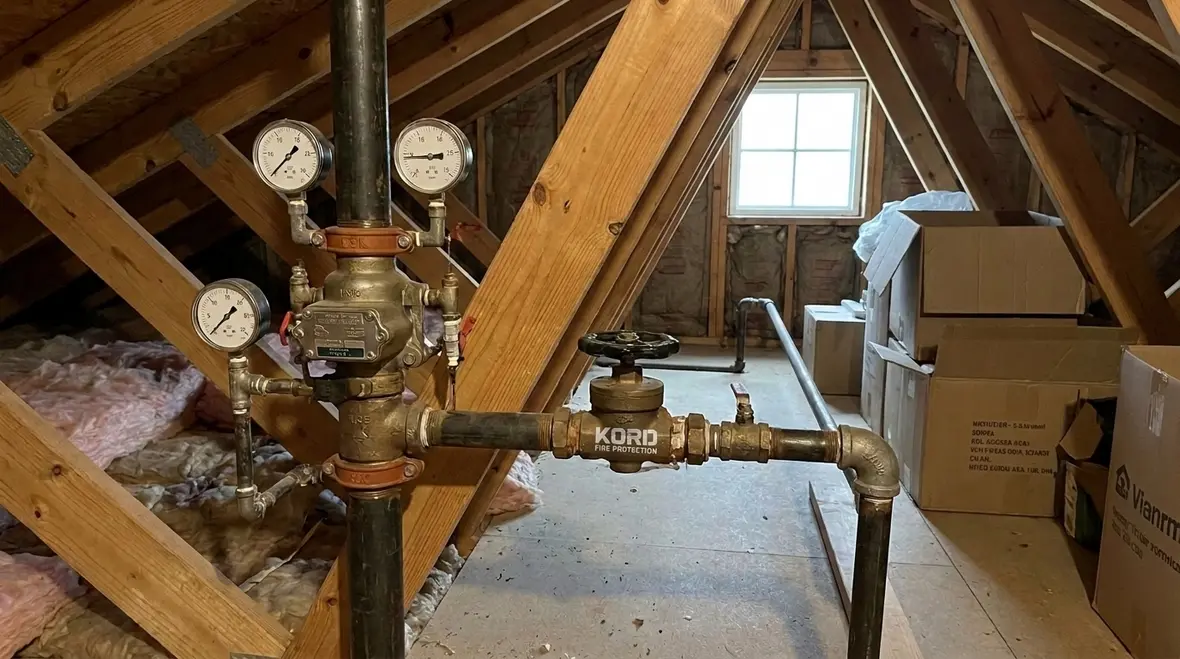
NFPA 13D Section 9.3: Dry Pipe and Preaction Sprinkler Systems for Unheated Residential Areas
Quick Answer
NFPA 13D Section 9.3 addresses how to protect unheated residential areas where freezing conditions can impair water based sprinkler operation. It covers dry pipe and preaction approaches, key components, supervision, trip time expectations, and inspection and maintenance practices needed to keep systems reliable.
Why NFPA 13D Section 9.3 exists for unheated residential areas
NFPA 13D dry pipe preaction sprinkler systems unheated residential areas NFPA 13D are designed for environments where the water in piping cannot remain in a usable state year round. Unheated spaces such as garages, attics, porches, or storage rooms often experience temperatures that can freeze water, block flow, or delay activation. Section 9.3 provides a framework for selecting and maintaining dry pipe or preaction systems so that water delivery happens after the fire signal while still preventing freezing in the sprinkler piping.
In commercial, industrial, and retail facilities that incorporate residential style occupancy areas, the same freezing risk creates compliance and operational challenges. Facilities teams must coordinate inspections, supervision, heat tracing where applicable, and service access to ensure the system performs when called upon.
For properties that need ongoing fire sprinkler inspection and maintenance support, it helps to align Section 9.3 planning with real world service access, testing intervals, and corrective work. For a broader installation context, facility stakeholders can reference this overview on automatic sprinkler system installation requirements: NFPA 13 overview for automatic fire sprinkler system installation.
What Section 9.3 requires conceptually: control the water exposure and the release sequence
Section 9.3 centers on two protection goals. First, it prevents water from being present in the sprinkler piping long enough to freeze. Second, it ensures that once a fire occurs, water reaches the sprinklers quickly and predictably after system actuation.
Dry pipe systems: air or nitrogen supervisory pressure, water at the valve
In a dry pipe system, the piping is filled with compressed air or nitrogen. Water stays in the system piping that feeds the dry valve. When heat from a fire activates sprinklers, air pressure drops, the dry valve trips, and water flows into the sprinkler piping.
Operational mechanisms that matter: The system depends on stable supervisory pressure, correctly sized air supply equipment, and reliable operation of the dry valve components. If supervisory pressure drifts too low, or if there are leaks, the dry valve may prematurely trip or the system may fail to respond during a real fire.
Preaction systems: reduce accidental discharge and confirm conditions
Preaction systems use an intermediate condition. The system holds back water until a fire condition initiates. Depending on the design, preaction may require one or more events, such as fire detection initiating an action signal and sprinkler activation confirming the presence of fire.
Operational mechanisms that matter: Preaction systems must manage supervision circuits, correct valve positions, and coordination between detection devices and initiating piping. Misalignment, tampered detector circuits, or out of calibration components can cause delays or prevent valve release when it matters.
How to comply in practice: typical design and acceptance checkpoints under Section 9.3
Compliance challenges usually show up during system verification after installation, not during initial specification. A strong compliance approach focuses on evidence that the system behaves as intended across seasonal temperature swings, occupancy changes, and maintenance cycles.
1) System supervision and monitoring
Dry and preaction systems rely on supervisory signals to confirm readiness. Supervisory switches, pressure switches, tamper switches, and detection supervision circuits help document that valves are in the correct position and the system is pressurized or staged.
Common failure points: Supervisory devices can drift out of adjustment, wiring can be altered by tenant improvements, and control panels can be placed in bypass without adequate documentation. Kord Fire Protection typically supports owners and facility managers by maintaining inspection records tied to system status, test results, and corrective actions.
2) Trip time and water delivery behavior
Section 9.3 expects that the system design will achieve reliable actuation and timely water delivery after the initiating condition. In dry systems, air movement and valve operation contribute to the delay between sprinkler operation and water discharge. In preaction systems, additional steps add complexity but also reduce the likelihood of unwanted discharge.
Practical control: Verification should include confirmation that the air supply equipment provides the correct supervisory pressure and that the dry valve and actuating components respond within expected parameters. Field measurements during acceptance and periodic service help detect degradation before it creates an unsafe delay.
3) Component selection for unheated conditions
Unheated areas increase the risk that components outside the sprinkler piping freeze, especially air supply devices, trim, and detection components depending on placement and temperature exposure. Designers and installers should address heat, insulation, and accessibility for testing.
Maintenance critical detail: Control valves, drains, and auxiliary equipment must remain accessible and functional. Facilities frequently discover that enclosures restrict technicians, which increases the likelihood of skipped tests or incomplete troubleshooting. Planning access is part of code aligned readiness.
4) Inspection, testing, and maintenance documentation
NFPA 25 style maintenance practices typically guide ongoing inspection and testing for sprinkler systems, but the facility must apply them consistently to dry and preaction equipment, not only sprinklers. That includes air supply checks, valve trim and drain operation, supervision circuits, and functional tests that confirm the system can actuate as designed.
Service records should align with internal compliance policies for commercial, industrial, and retail sites. Where the facility integrates mixed occupancy elements, documented maintenance also supports audits and insurer or jurisdictional review.
For additional technical context on fire pumps and pressure systems that often interface with water supply and alarm systems, teams can review resources like this fire pump PRV system interaction design guide.
Common compliance and reliability problems seen in the field
Teams often experience recurring issues that reduce performance even when the system passes an initial acceptance test. The most important pattern involves slow degradation of air or supervision conditions in dry pipe systems, and incomplete verification of detection and valve staging in preaction systems.
Dry pipe reliability gaps
- Supervisory pressure instability: Leaks in compressed air systems or fittings reduce system readiness and can affect trip behavior.
- Blocked or restricted air paths: Debris, water accumulation in trim, or improperly maintained air supply equipment slows actuation.
- Valve trim issues: Misadjusted or clogged components interfere with correct dry valve operation.
- Inadequate drain management: Drains that are not tested can create trapped moisture or nuisance conditions.
Preaction staging and detection coordination gaps
- Detection circuit changes: Tenant improvements or wiring modifications can introduce faults that go undetected if supervision testing is not rigorous.
- Valve position uncertainty: If valves are not monitored correctly or are left in an incorrect state after maintenance, the system may not release water when needed.
- Accumulated nuisance conditions: Small air or supervisory issues can create repeated trouble signals, leading teams to disable alarms without fixing the root cause.
- Unheated equipment exposure: Components outside protected enclosures can experience freezing conditions that prevent reliable operation.
How Kord Fire Protection supports ongoing Section 9.3 compliance
Dry pipe and preaction systems for unheated residential areas require more than seasonal awareness. They require documented inspection routines, functional testing discipline, and timely corrective work when supervision signals, pressure conditions, or valve performance drift.
Kord Fire Protection supports owners and facility managers by coordinating system readiness verification, evidence based inspection reporting, and maintenance planning that aligns with commercial facility standards. This service approach helps reduce the likelihood of missed testing, incomplete troubleshooting, and compliance surprises during insurer reviews or jurisdictional inspections.
For teams coordinating related installation requirements across system types, Kord Fire Protection’s technical perspective on automatic sprinkler system installation can help standardize expectations: automatic fire sprinkler system installation requirements.
Frequently Asked Questions
Schedule a Section 9.3 readiness review
Freeze risk and complex valve staging demand disciplined maintenance. Kord Fire Protection can review your dry pipe or preaction system performance, confirm inspection and testing completeness, and build a corrective action plan for any supervision or trip behavior concerns. Contact Kord Fire Protection to schedule a readiness assessment and ensure your unheated residential area protection stays compliant and reliable.

Join Our Newsletter!
Get the latest fire safety tips delivered straight to your inbox From our Newsletter.



