Fire Suppression System Design Assist Guide
In the world of commercial construction, there comes a moment when blueprints meet reality. Walls rise, ceilings close in, and someone finally asks, “How are we protecting this place from fire?” That is where fire suppression system design assist enters the conversation. It is not just a technical service. It is a collaboration. It is the bridge between what the owner envisions and what the code demands. And when done right, it feels less like a checklist and more like a well conducted orchestra.
Owners often assume contractors will “handle the fire stuff.” Contractors assume owners have already defined the risk. Meanwhile, the clock ticks. Fortunately, experienced teams such as Kord Fire Protection technicians step in early, explain the process in plain language, and guide both sides toward a system that works on paper and in the real world. Because when it comes to fire protection, guessing is a risky hobby.
The Role of Fire Suppression System Design Assist in Modern Construction
Today’s buildings are more complex than ever. Open ceilings. Mixed occupancies. Battery storage rooms. Commercial kitchens that could host their own cooking show. As a result, early collaboration between owners, engineers, and fire protection contractors has become essential.
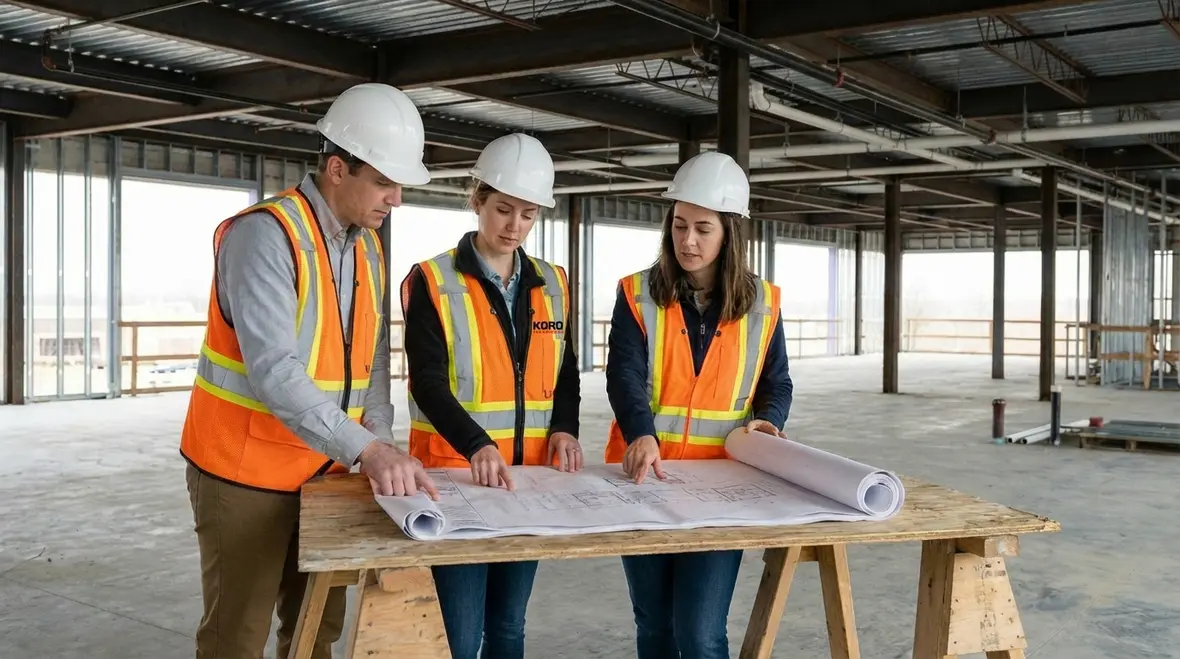
Design assist services allow contractors to contribute expertise during the design phase rather than after plans are finalized. Consequently, potential conflicts get resolved before steel is installed and ductwork blocks sprinkler mains. This approach saves time, reduces change orders, and protects budgets.
Kord Fire Protection technicians often explain it this way: bringing in suppression experts late is like calling the DJ after the wedding reception has started. Sure, music will happen. But it may not be what anyone planned.
Through coordinated drawings, hazard evaluations, and code analysis, the contractor works alongside the design team. Therefore, the final system reflects actual site conditions, not assumptions made months earlier.

What Information Do Contractors Need From Owners Up Front?
Owners play a larger role in fire protection planning than many realize. In fact, the quality of information they provide directly impacts the accuracy of the suppression design. So what does a contractor truly need?
Clear building use and occupancy details
First, contractors must understand how the building will function. A warehouse storing paper goods has very different requirements than one storing lithium batteries. Even small operational changes can alter hazard classifications.
Future growth plans
Additionally, owners should disclose expansion goals. Will storage heights increase? Will manufacturing processes change? Designing only for today can create costly retrofits tomorrow.
Architectural and structural drawings
Complete, updated drawings allow fire protection teams to coordinate pipe routing and identify obstructions early. Without them, field adjustments become inevitable.
Insurance requirements
Many insurance carriers impose standards beyond local code. Therefore, sharing these expectations at the start prevents redesign later.
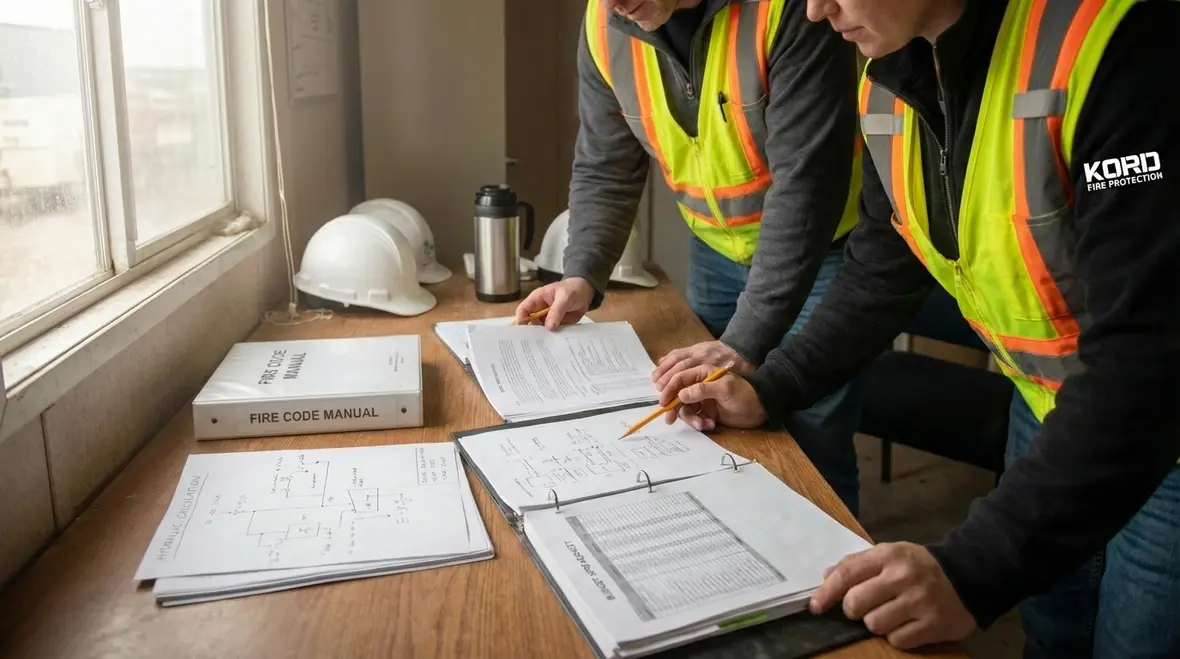
Kord Fire Protection technicians often sit down with owners and translate technical requirements into straightforward decisions. They walk through hazard categories, explain density calculations, and outline why ceiling height matters. It becomes less about jargon and more about protecting people and property.
Aligning Budget, Code, and Performance Expectations
Every project balances three forces: cost, compliance, and capability. However, tension arises when one outweighs the others.
Owners may enter discussions with a fixed budget. Meanwhile, codes set minimum standards that cannot be negotiated. Through fire suppression system design assist, contractors help owners understand where flexibility exists and where it does not.
For example, selecting between a wet pipe system and a preaction system depends on building use and risk tolerance. A data center may justify the higher cost of preaction protection. Conversely, a standard office may not.
Moreover, water supply plays a critical role. If municipal pressure falls short, the project may require a fire pump or storage tank. Identifying this early prevents financial surprises. Nobody enjoys discovering a six figure equipment need after the slab has cured.
By reviewing hydraulic calculations, reviewing code pathways, and discussing long term operational goals, contractors align expectations. Consequently, the system performs as intended without draining resources unnecessarily.
How Early Coordination Prevents Expensive Field Changes
Construction sites have a rhythm. Trades move in sequence. When one falls behind, others feel the impact. Fire protection often weaves through structural, mechanical, and electrical systems. Therefore, coordination is not optional.
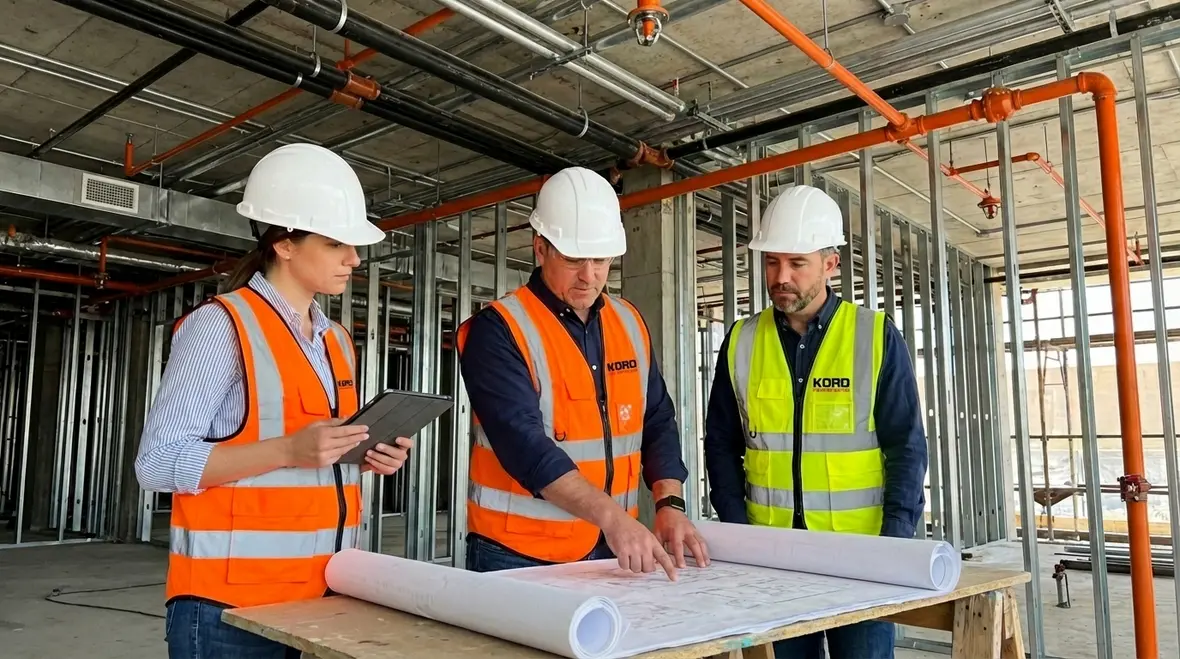
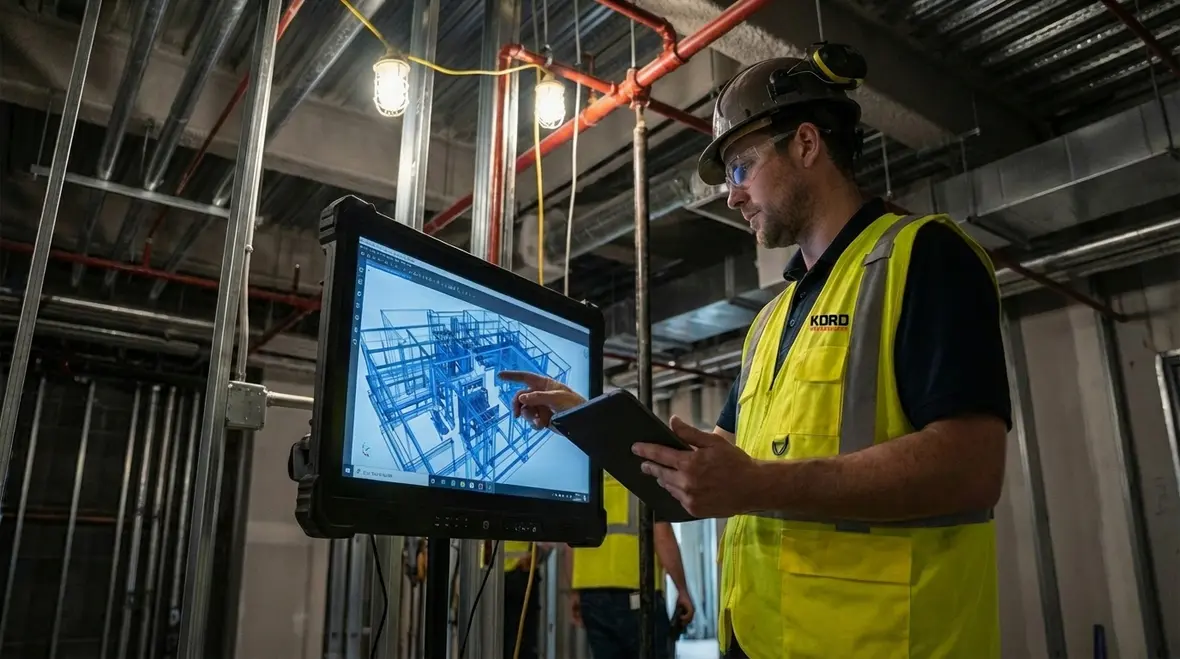
Through design assist collaboration, contractors attend planning meetings, review clash detection models, and adjust layouts before fabrication begins. As a result, conflicts get resolved digitally instead of with cutting torches.
Consider a simple example. A large supply duct occupies the same ceiling space as a planned sprinkler main. If discovered late, crews must reroute pipe, order new fittings, and possibly delay inspections. However, when identified during coordinated modeling, adjustments occur with a few clicks.
Kord Fire Protection technicians frequently explain that prevention applies to construction conflicts just as much as fire events. Fixing problems in advance costs less and keeps tempers calm. And calm job sites are productive job sites.
Fire Suppression System Design Assist and Long Term Maintenance Planning
A suppression system does not retire after the ribbon cutting. In fact, it begins its true service life that day. Therefore, owners should think beyond installation.
During the collaborative design phase, contractors can recommend valve placements that allow easier inspections. They can also plan for accessible test connections and future tenant modifications. Small layout decisions today can reduce service disruptions later.
Additionally, documentation matters. Accurate as built drawings, equipment data sheets, and inspection schedules form the backbone of compliance. When these elements are organized from the start, facility managers avoid scrambling during annual inspections.
Kord Fire Protection technicians often emphasize stewardship. A system must not only pass its first inspection but every inspection that follows. Consequently, thoughtful planning during design assist sets the stage for decades of reliable performance.
Comparing Traditional Design Bid Build vs Collaborative Approach
Traditional Design Bid Build
• Engineer completes drawings with limited contractor input
• Contractors bid based on finished documents
• Revisions occur after award if conflicts arise
• Change orders more likely
Collaborative Design Assist
• Contractor contributes expertise during design
• Real world installation feedback shapes plans
• Budget alignment occurs earlier
• Fewer surprises during construction
While both methods can succeed, the collaborative model often reduces friction. Furthermore, it encourages shared accountability. Instead of pointing fingers when challenges surface, the team solves them together.
Common Missteps Owners Should Avoid
Delaying contractor involvement
Waiting until permits are nearly approved limits flexibility. Early engagement provides options.
Underestimating commodity changes
Storage adjustments can significantly alter system demand. Owners should communicate operational updates immediately.
Ignoring water supply testing
Hydrant flow tests confirm available pressure. Skipping them invites costly redesign.
Overlooking local amendments
Codes vary by jurisdiction. Therefore, regional expertise becomes invaluable.
Kord Fire Protection technicians routinely guide owners through these pitfalls. They explain not only what code requires but why it exists. And when people understand the reason behind a rule, compliance feels less like red tape and more like common sense.
FAQ About Fire Suppression System Planning
Building Safer Projects Through Clear Collaboration
Fire protection rarely earns applause during a grand opening. Sprinkler heads do not trend on social media. Yet their quiet presence safeguards everything inside the walls. Through thoughtful collaboration, clear communication, and early contractor involvement, owners transform fire protection from an afterthought into a strategic asset.
If a project demands clarity, coordination, and confidence, the path forward is simple. Engage experienced professionals who value education as much as execution. Let Kord Fire Protection technicians guide the process, align expectations, and deliver systems built to perform. Because when safety is planned with intention, everyone sleeps a little better at night.
Ready to plan your next system with fewer surprises and stronger protection? Contact Kord Fire Protection today to discuss fire suppression system design assist and related services for your facility.
Know Your Weapon Before You Fight the Flame
Kord Fire Protection is your go-to when it comes to all things fire protection. For over 20 years, we’ve been serving Southern California with the quality service and equipment to keep your home or business safe at all times. Our competitive prices reflect our unwavering commitment to protecting what matters most in the event of a fire emergency. Give us a call, send an email, or use that form!

Join Our Newsletter!
Get the latest fire safety tips delivered straight to your inbox From our Newsletter.