NFPA 1 Section 42.5 Fuel Dispensing Systems Fire Safety
Quick Answer: NFPA 1 Section 42.5 sets fire safety rules for fuel dispensing systems to reduce ignition risk, protect people, and keep business sites compliant. It covers safe equipment placement, emergency shutoff controls, electrical safety, and regular inspection. For industrial, retail, and commercial sites across Australia, strong compliance can prevent costly downtime.
For industrial yards, retail fuel sites, and busy commercial facilities, fuel dispensing systems NFPA guidance matters because one weak link can turn a routine fill up into a serious event. In simple terms, the fuel dispenser fire code exists to keep sparks, leaks, vapors, and bad decisions from sharing the same room. That is where fueling system fire safety becomes more than a rulebook. It becomes a business shield. And yes, the rules may sound dry, but the fire risk is not.
For sites looking to tighten compliance planning early, fire protection compliance and readiness support can fit naturally into broader maintenance strategy. It helps connect day to day site conditions with the systems and routines that keep fuel hazards from becoming very expensive headlines.

What NFPA 1 Section 42.5 Covers
NFPA 1 Section 42.5 focuses on fuel dispensing systems and the fire hazards that come with them. It looks at how fuel is stored, dispensed, protected, and monitored. It also addresses how equipment should be arranged so emergency response stays simple and fast.
In practice, this section helps site operators control the main fire risks around pumps, hoses, nozzles, tanks, electrical parts, and vapor release points. Moreover, it gives a clear path for safer daily operation. That matters because fuel systems do not forgive much. They reward good planning and punish shortcuts with enthusiasm nobody asked for.
Why this section matters in the real world
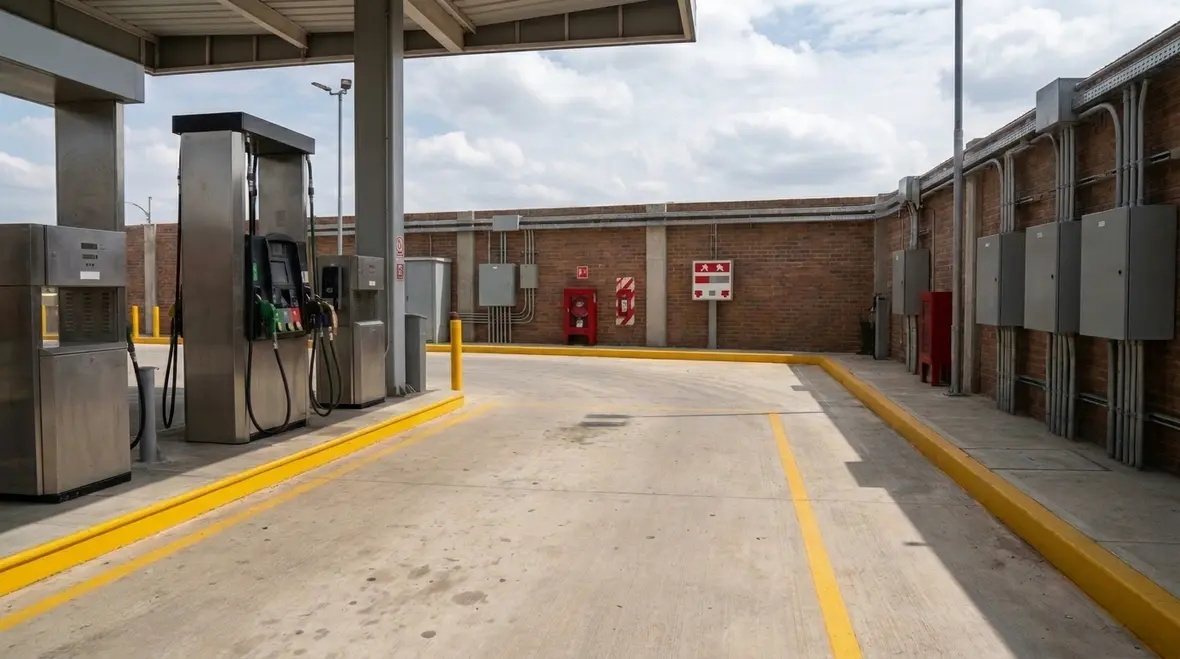
A fueling area is one of those places where routine activity can create a false sense of comfort. People see pumps, hoses, and nozzles every day, so the danger can start to look ordinary. Unfortunately, vapors do not care how familiar the process feels. If equipment is damaged, if shutdown controls are hard to reach, or if electrical protection is poor, a normal operation can become a fast moving problem with very little patience for excuses.
Why Fuel Dispensing Systems Need Strong Fire Controls
Fuel systems bring together flammable liquid, movement, pressure, and people. As a result, the risk rises when equipment ages, maintenance slips, or staff rush the process. Even a small leak or faulty part can create vapor buildup, and vapor is often the real troublemaker. It spreads faster than rumors at a film set.
Good fueling system fire safety planning reduces those risks before they grow. For industrial and commercial sites, that means less chance of fire, less chance of shutdown, and less chance of a call no manager wants to make before lunch.
The hazards that tend to sneak up on sites
The obvious risks get most of the attention, but smaller failures often do the real setup work for bigger incidents. A hose that is cracking at the edges, a nozzle that does not seat properly, an electrical component that has not been checked in far too long, or a shutoff control partly blocked by stock or equipment can all push the odds in the wrong direction. None of these issues look dramatic on their own. Together, they can build the kind of scene that emergency crews would very much prefer not to visit.
Key Safety Requirements for Fire Protection
NFPA 1 Section 42.5 points toward practical controls that support safe operation. These controls often include:
- Safe placement of dispensing equipment
- Clear access to emergency shutoff devices
- Control of ignition sources near the dispensing area
- Proper electrical protection around fuel equipment
- Regular checks for leaks, wear, and damage
- Safe handling practices during fuel transfer
In addition, site owners should keep the area clean and free from clutter. A fuel island should not look like a storage room after a long weekend. Good housekeeping helps reduce fire load and improves response time if an incident occurs.
Inspection, access, and operator discipline
The best controls are the ones that hold up during an ordinary Tuesday, not just during a polished audit walkthrough. Inspection routines should make it easy to spot physical wear, verify emergency access, and confirm that no one has slowly turned a safety zone into a parking bay for random gear. Operator discipline matters too. Staff need procedures that are clear, realistic, and repeated often enough that nobody invents their own version under pressure.
How Compliance Supports Australian Industrial and Commercial Sites
Although NFPA comes from a global fire safety tradition, its principles align well with the needs of Australian industrial, retail, and commercial sites that manage fuel systems. Many sites need a strong internal standard even when local rules already apply. Therefore, NFPA 1 Section 42.5 can serve as a solid benchmark for better fire risk control.
For facilities teams, compliance brings three clear benefits. First, it protects workers and visitors. Second, it helps reduce equipment damage and downtime. Third, it supports a stronger audit trail for insurers, safety officers, and operational reviews. That is not just paperwork. That is business sense with a hard hat on.
If your team is also reviewing broader code alignment, it makes sense to connect this topic with NFPA 1 fire prevention and safety guidance. That wider context helps fuel dispensing rules make more sense within the bigger picture of site readiness, emergency planning, and hazard control.
Dual Column View: Common Hazards and Practical Controls
Below is a simple dual column view that helps connect common fuel system hazards with practical safety controls.
Common Hazard
- Fuel vapor buildup
- Damaged hoses or nozzles
- Blocked emergency access
- Electrical faults
- Operator error
Practical Control
- Keep ignition sources away and maintain airflow
- Inspect and replace worn parts on schedule
- Keep shutoff paths open and clearly marked
- Use proper protection and routine testing
- Train staff and refresh procedures often
These steps sound simple, yet simple is often what keeps a site safe. After all, a fire does not care how impressive the asset register looks.
Where Kord Fire Protection Adds Real Value
Kord Fire Protection can become a vital partner for facilities that depend on fuel dispensing systems. Their role goes beyond basic service. They can help identify gaps, support compliance planning, and strengthen the fire safety systems that protect daily operations.
For sites across Australia, Kord Fire Protection may assist with fire system checks, risk focused advice, compliance support, and maintenance planning that fits the real demands of industrial and commercial use. Furthermore, their knowledge can help site managers turn NFPA style guidance into practical action on the ground. That matters because rules do not stop fires. Proper implementation does.
With the right partner, a fuel site gains more than inspection dates and reports. It gains confidence. It also gains a clearer path to safer operations, fewer surprises, and stronger readiness when auditors, insurers, or emergency teams take a closer look.
FAQ
Final Takeaway for Fuel Site Operators
NFPA 1 Section 42.5 gives fuel sites a clear path to safer operation, better control, and stronger readiness. For industrial, retail, and commercial facilities, the smart move is simple. Review the system, close the gaps, and bring in Kord Fire Protection to help keep compliance and safety moving in the same direction.
Because when fuel safety is done well, everyone sleeps better. And in a high risk environment where vapors, ignition sources, and human shortcuts all like to mingle, that peace of mind is worth far more than another tick on a maintenance spreadsheet.

Join Our Newsletter!
Get the latest fire safety tips delivered straight to your inbox From our Newsletter.