NFPA 2001 Section 6.6 Piping Rules for Clean Agent Systems
Quick Answer
NFPA 2001 Section 6.6 sets the piping rules that help clean agent fire suppression systems work the way they should. It guides pipe size, pressure loss, and nozzle layout so the agent reaches the fire fast and evenly. For projects involving sensitive equipment and critical spaces, clean agent fire suppression services from Kord Fire Protection can help support compliant design, installation, and long term performance with less stress and fewer costly mistakes.
Why NFPA 2001 Piping Design Matters
When a clean agent system activates, there is no room for guesswork. NFPA 2001 piping system design clean agent fire systems must deliver the agent at the right pressure, in the right amount, and to the right place. Otherwise, the system may look ready on paper but fail in real life. That is not a fun surprise for anyone, least of all the person signing off the job.
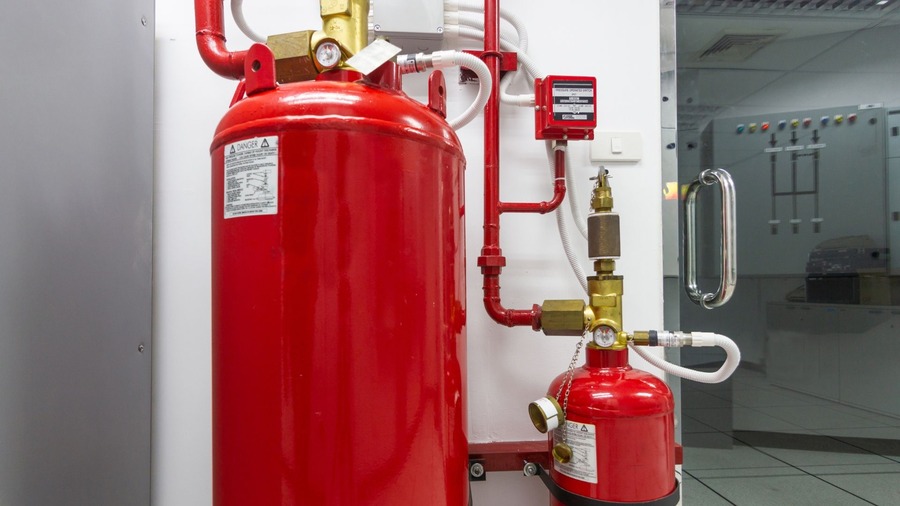
Section 6.6 focuses on the pipe network that carries the agent from the cylinder bank to the hazard area. Because clean agent systems protect valuable equipment, people, and business continuity, the piping must be correct from the start. This is especially important in data rooms, control rooms, switchboards, warehouses, retail back areas, and plant spaces. The goal is simple: protect the asset without wrecking the room or the workflow.
Why the pipe network cannot be treated like an afterthought
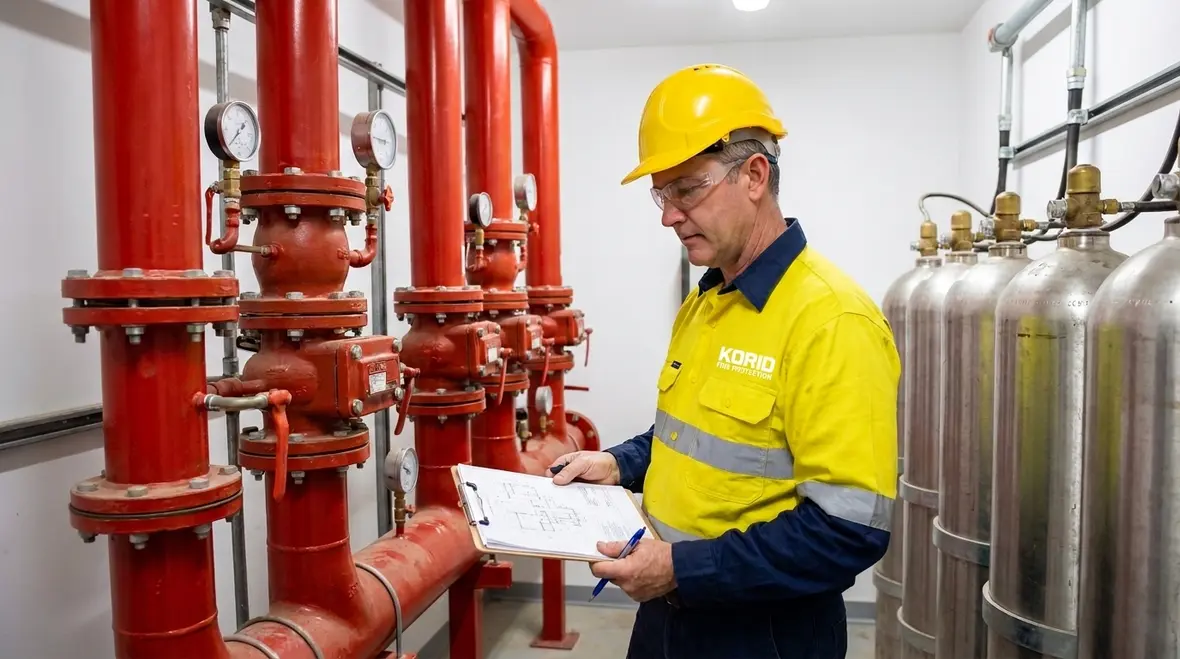
A clean agent system is only as good as the route it travels. The cylinders may be sized correctly and the agent may be the right choice, but if the piping network is off, the whole system can drift away from design intent. That is why Kord Fire Protection consistently frames clean agent protection as a complete engineered system, not a collection of parts that somehow become compliant through optimism alone.
What Section 6.6 Requires
NFPA 2001 Section 6.6 sets the basic design rules for the piping system. It addresses how the pipe network must be built so that pressure stays within the design range and the agent discharge stays balanced. In practice, that means the designer must check pipe length, pipe diameter, fittings, bends, elevation changes, and nozzle placement.
The standard also expects the system to work as a complete unit. So, one poor fitting choice can change the flow pattern and reduce performance. That is why the piping layout needs careful engineering, not a “we will sort it on site” attitude. Fire protection rarely rewards improvisation, even if the toolbox sounds confident.
The pieces that usually cause the most trouble
Most piping problems do not begin with dramatic failure. They begin with ordinary decisions that seem harmless at the time. A tighter turn here, a longer run there, a nozzle shifted to avoid another trade, and suddenly the real world installation no longer mirrors the engineered design. This is exactly why facility owners and contractors often benefit from related guidance such as NFPA 2001 guidelines for clean agent fire suppression systems, because the piping rules make far more sense when viewed as part of the entire system standard.
How Piping Layout Affects Performance
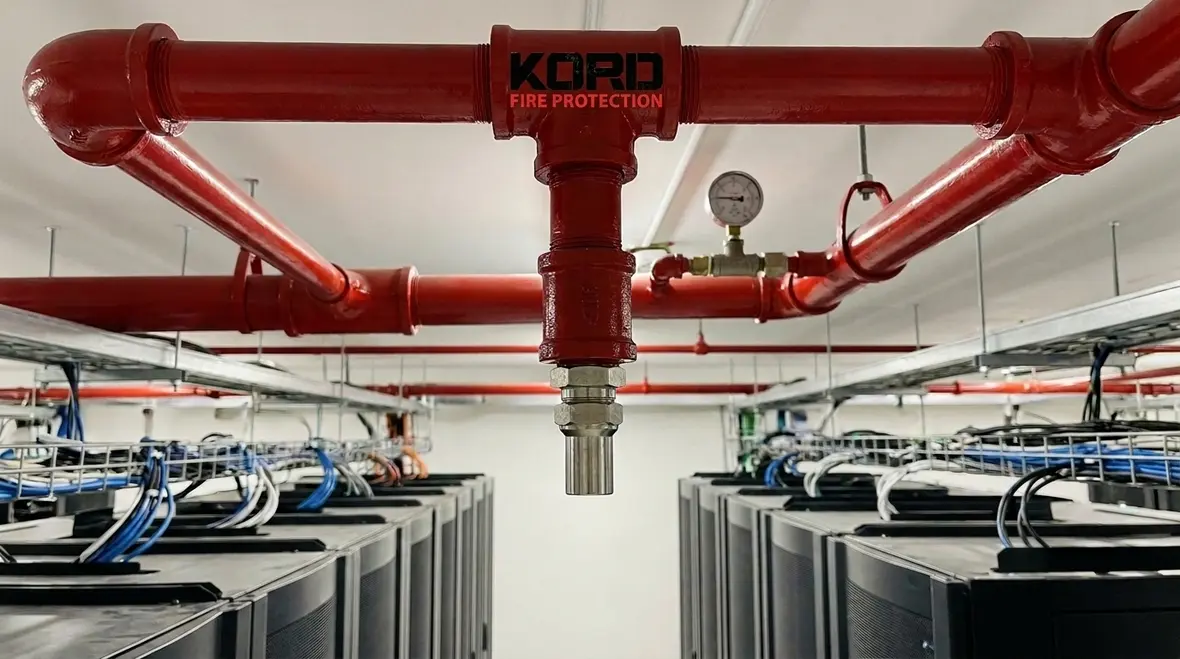
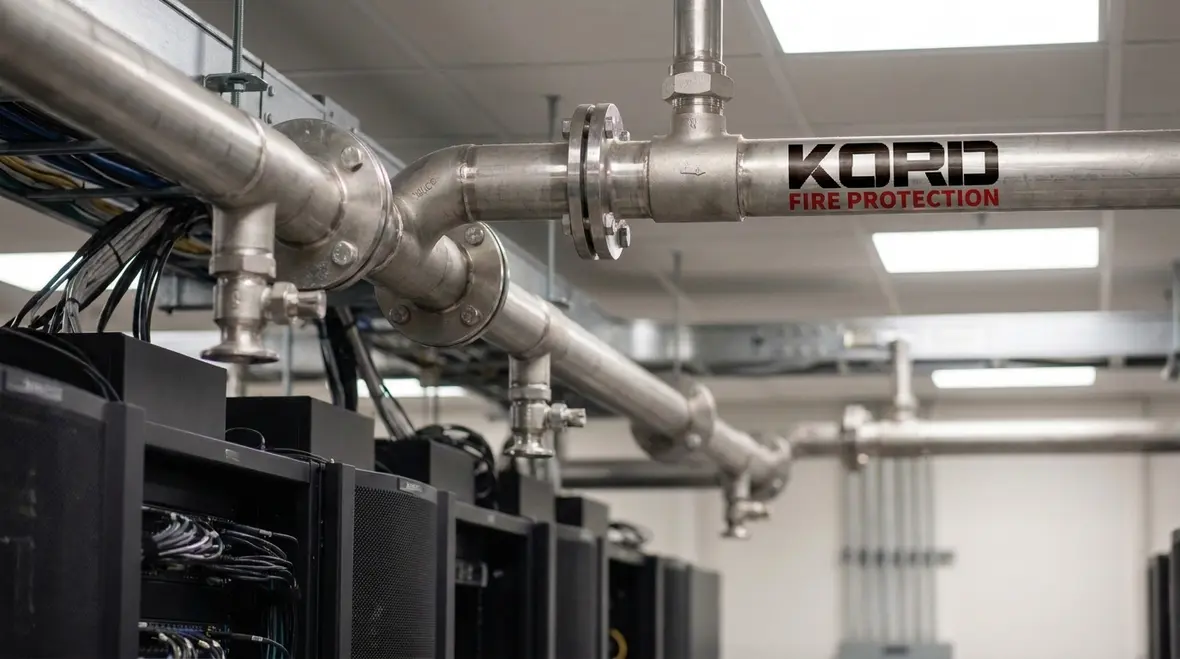
The pipe layout shapes how the clean agent travels. If the pipe run is too long, too narrow, or too full of sharp turns, pressure drops can slow discharge and affect coverage. As a result, the hazard may not receive enough agent in time. Since clean agents depend on fast and even release, flow balance becomes a core part of the design.
Engineers must also think about nozzle position and room shape. For example, a compact server room needs different flow choices than a larger industrial control area. Even a small change in ceiling height or obstruction placement can shift how the agent spreads. Therefore, the piping system design should always match the actual site, not a pretty sketch that only works in theory.
Room realities that change the design
This is where experienced coordination starts earning its keep. Ceiling obstructions, cable trays, ductwork, panel access zones, and equipment clearances all influence the final piping arrangement. None of those details are particularly glamorous, but every one of them can affect discharge performance. In sensitive rooms, “close enough” is usually just a more polite way to say “expensive callback later.”
Where Kord Fire Protection Helps Most
Kord Fire Protection can become a vital partner because this work calls for both technical skill and site experience. Their role may include system design support, equipment selection, installation guidance, compliance checks, testing coordination, and ongoing service. That matters because clean agent projects often sit between strict code demands and tight business schedules. In other words, they are the kind of job where delays cost money and bad decisions cost more.
For businesses protecting high value areas, Kord Fire Protection can help align the system with site needs, project conditions, and long term performance goals. They can also help reduce rework by catching piping issues before they become expensive field fixes. Since clean agent systems protect spaces where uptime matters, a reliable partner does more than install parts. They help protect operations, safety, and peace of mind.
| Design Area | Why It Matters |
| Pipe sizing | Helps keep pressure and flow within the required range |
| Fittings and bends | Controls pressure loss and improves discharge performance |
| Nozzle placement | Supports even agent spread across the hazard area |
| Elevation changes | Affects pressure balance through the piping run |
| Testing and checks | Confirms the installed system matches the design intent |
Common Mistakes to Avoid
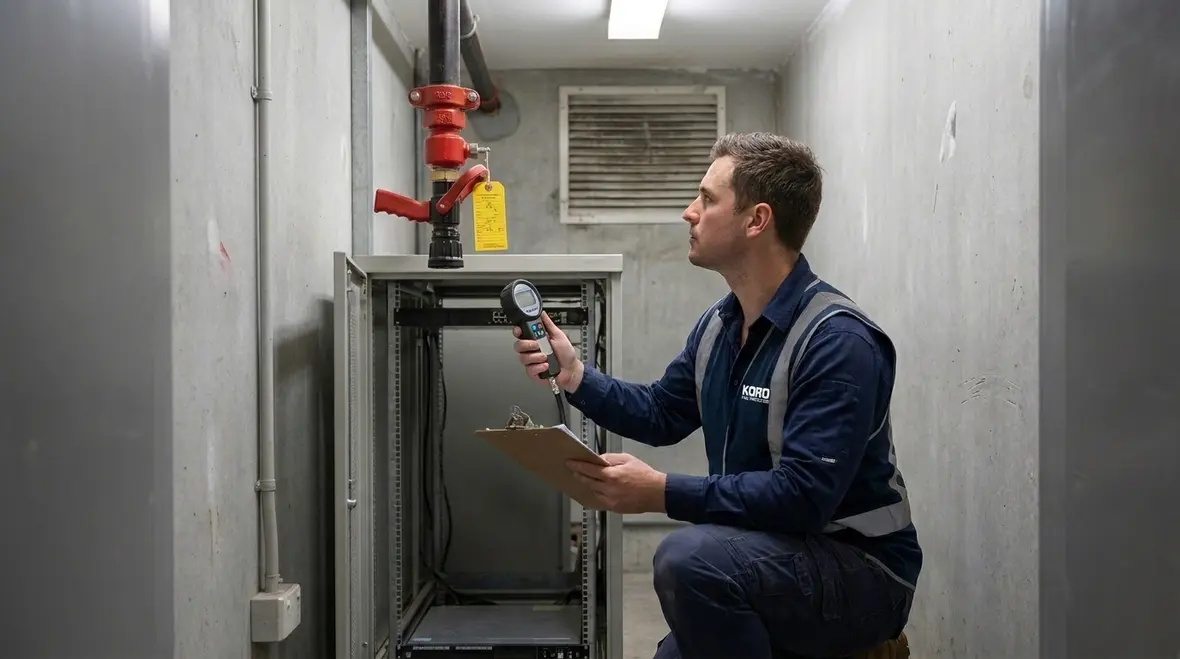
One common mistake is treating the piping like a simple plumbing job. It is not. Clean agent piping must handle pressure, timing, and exact flow behavior. Another mistake is changing the field layout without checking the design impact. A small shift in pipe length or nozzle location can change the whole discharge profile, and the system may no longer match NFPA 2001 expectations.
People also sometimes ignore maintenance access. However, a system that cannot be inspected or serviced easily becomes a future problem. Finally, poor coordination with other trades can create clashes with cable trays, ductwork, or structural members. That is where good planning saves the day, and also keeps the contractor from earning a very avoidable headache.
A short list of field changes that deserve a second look
- Relocating a nozzle to clear another trade
- Adding extra elbows to work around obstructions
- Changing pipe diameter because of material availability
- Extending a run after room equipment shifts
- Blocking service access behind new building elements
Why This Matters for Critical Facilities
Many facilities depend on clean agent fire suppression to protect critical operations. Data centers, utilities, healthcare support spaces, retail infrastructure, and industrial control areas all need systems that perform fast and clean. Because these spaces often house valuable gear, water damage from other systems may create more loss than the fire itself.
That is why proper piping design matters so much. It supports compliance, protects business continuity, and reduces downtime after an incident. In addition, well planned systems can make inspections and service simpler over time. For busy sites, that is not just convenience. It is operational survival with a calmer face.

FAQs
Bring the System Together with the Right Partner
NFPA 2001 piping design works best when every part of the system gets proper attention. So, if a project needs clean agent fire suppression that performs as intended, Kord Fire Protection can help make the job smoother, safer, and more reliable. Good piping design is not flashy, but it does the quiet, essential work that keeps the whole system honest when it matters most.
For facility teams, contractors, and owners, the best outcome usually comes from planning early, coordinating carefully, and treating the engineered layout like the performance backbone it is. That approach turns a complex fire protection project into a well managed result, which is a lot better than discovering after installation that the “small field adjustment” was not small at all.

Join Our Newsletter!
Get the latest fire safety tips delivered straight to your inbox From our Newsletter.