Fire Suppression Impairment: How to Keep Systems Ready
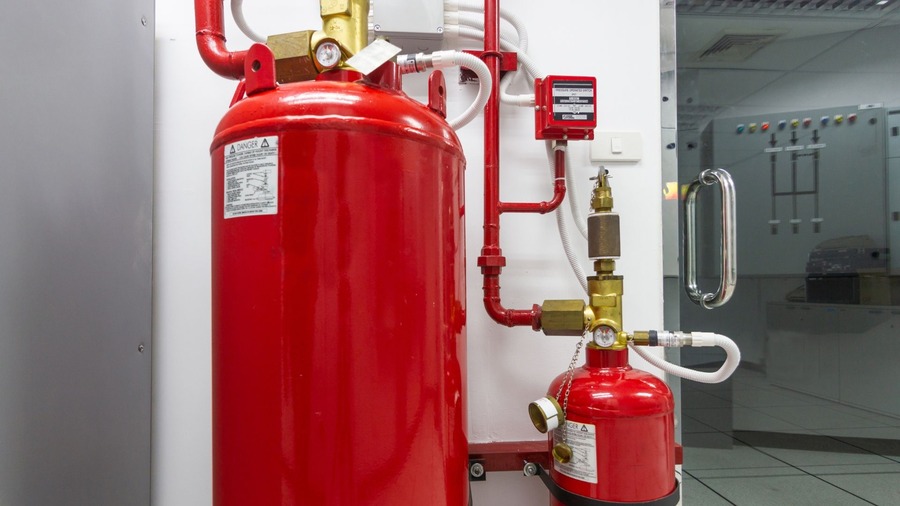
Fire suppression systems do a job that most people only notice when something goes wrong. In day to day life, they sit quietly in walls, ceilings, and plant rooms, ready to protect people, inventory, and the building itself. Yet fire suppression impairment can slowly chip away at that readiness through corrosion, poor maintenance, outdated parts, or simple neglect. When owners understand these impairments early, they can prevent surprise failures and costly downtime. And just like a smoke alarm that never gets tested, an unaddressed impairment can turn into a very expensive “we thought it was fine” moment. In this guide, third person experts explain what owners need to know, what to look for, and how Kord Fire Protection can become a vital partner in keeping the system dependable.
Why fire suppression impairment happens more than owners expect
Owners often assume that if the piping looks intact and the labels still exist, the system will work. However, systems age, valves stick, nozzles clog, and detection components drift out of spec. Fire suppression impairment can show up in ways that look minor at first, then grow into major risk. For example, a small leak can waste pressure over time. In addition, moisture in an enclosure can harm electrical devices, even when the room seems dry. Meanwhile, some impairments come from changes to the building, such as new storage layouts, added ceilings, or revised duct work that blocks discharge patterns.
Just as importantly, impairment can also result from incomplete service. Someone replaces a part without verifying the full system health. Then the system carries forward a hidden flaw. And yes, that is as fun as it sounds, like rewatching the same movie but missing the ending every time.
Common impairment signs owners can catch early
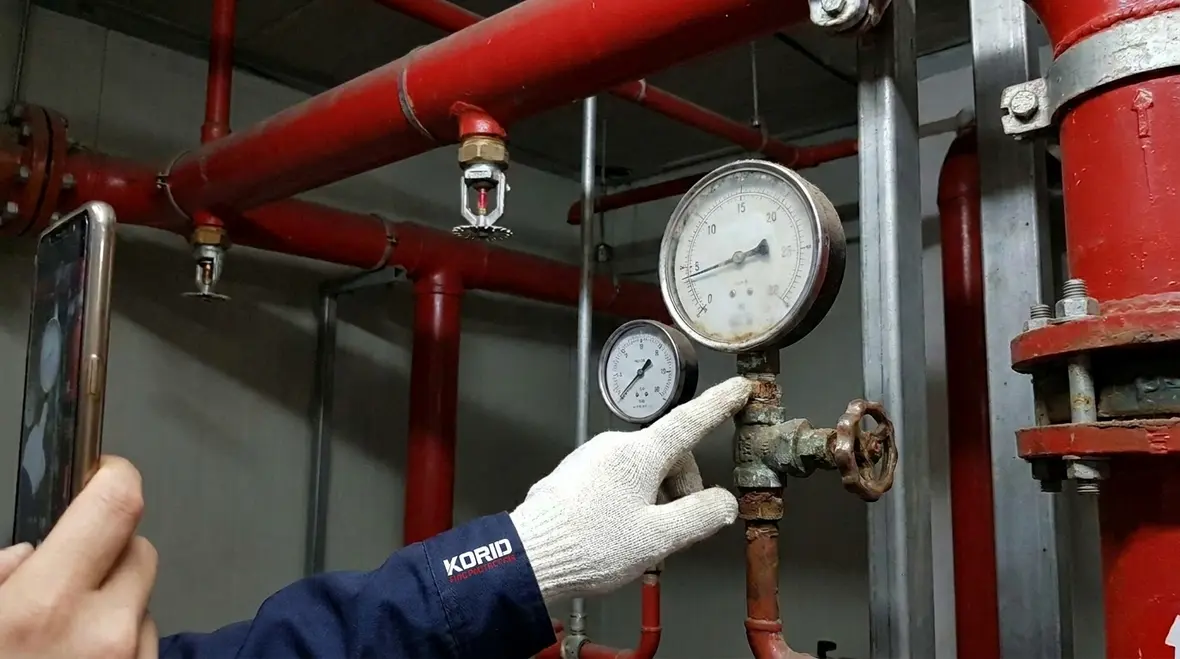
Owners may not run the technical tests, but they can spot early warning signals that point to a fire suppression impairment. Below are practical items that often show up during walkthroughs, maintenance coordination, or contractor visits. The goal is not to turn every property manager into a field technician. The goal is simply to notice when something looks off and get it reviewed before the problem graduates from annoying to expensive.
Early warning signs worth documenting
- Pressure gauge problems: readings drift high or low, or the gauge face looks aged and unclear
- Noticeable corrosion: piping hangers, valves, and fittings show rust or flaking
- Blocked discharge paths: storage shelves, racks, or new construction reduce coverage
- Loose or damaged signage: labels fade, tags go missing, or instructions become hard to read
- Frequent trouble signals: repeated supervisory issues or recurring alerts on control panels
Next, owners should connect these observations to a service plan. Because if an impairment exists, it should not be treated like a mystery that “will probably go away.” Instead, it needs a documented evaluation. That same disciplined mindset appears throughout Kord Fire Protection’s approach to the full lifecycle of fire protection servicing, where inspection records and maintenance decisions help turn scattered issues into a clearer plan.
What inspection and testing should cover
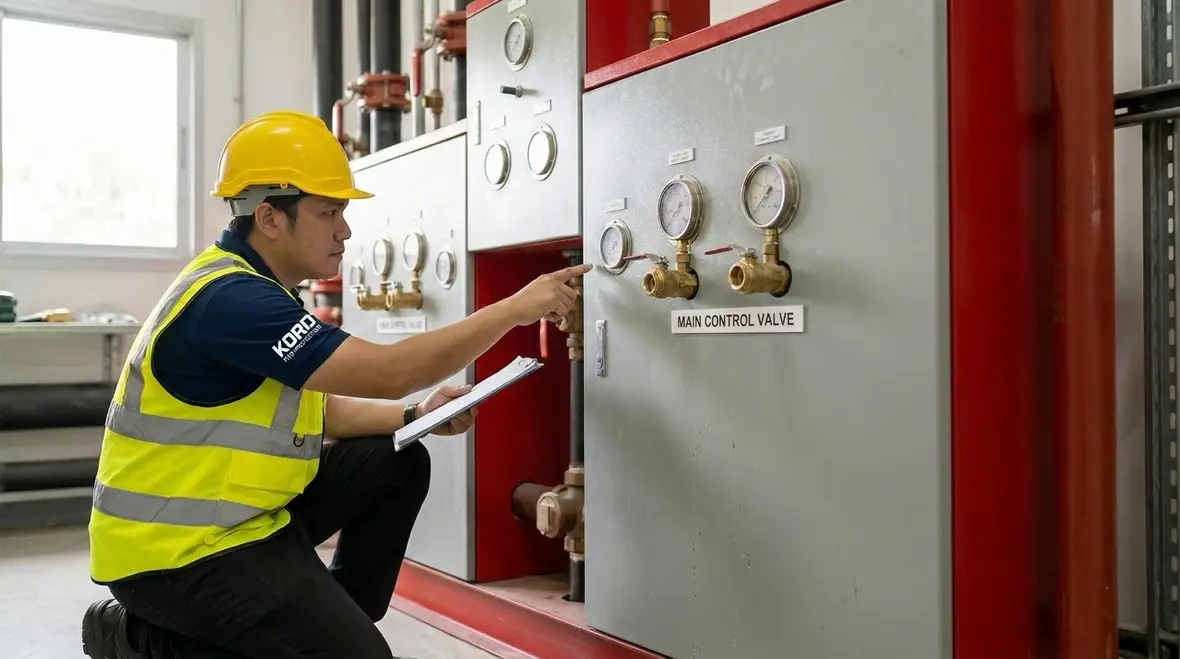
Even when the system looks fine, testing and inspection confirm it can perform under stress. Most owners benefit from a clear scope that matches the system type, local code requirements, and the facility risk level. Therefore, a proper approach usually includes visual checks, functional testing of key components, verification of pressures and flows, and review of device condition.
Additionally, testing should focus on both the hardware and the control logic. For wet pipe systems, owners need confidence in valves, drains, and water supply conditions. For dry systems, they need proof that air or nitrogen holds correctly and that actuation components work as designed. For pre action systems, teams must verify the full sequence between detection and valve release. And for clean agent or other specialty systems, they must confirm agent integrity and protection of protected spaces.
A solid testing scope usually includes
- Visual review of piping, valves, nozzles, alarms, releasing devices, and support hardware
- Functional testing of initiating devices, supervisory points, and discharge or release sequences where applicable
- Verification of pressures, water flow, air hold, or agent status based on system type
- Review of enclosure conditions, access clearances, signage, and recent construction changes
- Clear reporting that separates completed repairs from open deficiencies and follow up items
Finally, owners should ask whether the service team documents results in a clear way. After all, good reporting turns confusion into action. A smart maintenance record shows what was checked, what was found, and what was corrected. That kind of visibility is also reflected in Kord Fire Protection’s explanation of the full lifecycle of fire protection, where design assumptions, testing results, and maintenance records all need to connect instead of living in separate silos.
How building changes create risk and system mismatch
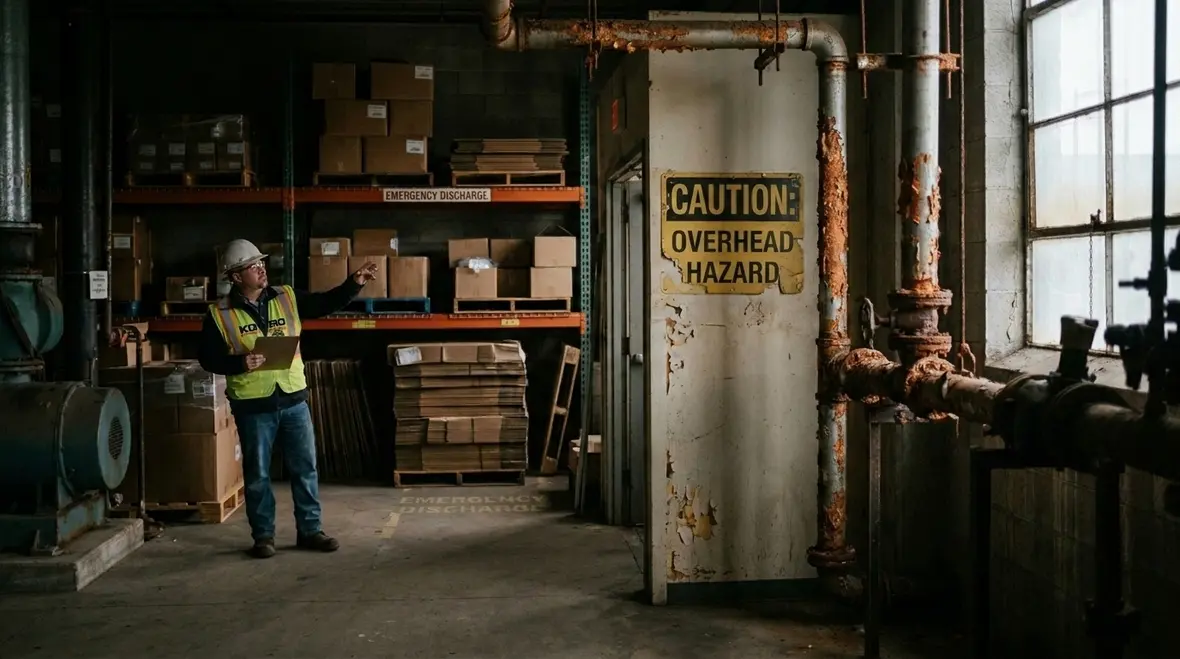
Fire suppression impairment does not only come from age. It can also come from growth. When companies renovate, they often reconfigure storage, install new walls, or reroute equipment. Then coverage can shift, and discharge patterns may not reach the same hazards they were designed to protect.
For instance, if a warehouse adds ceiling obstructions, the suppression flow can strike surfaces and lose effectiveness. If a tenant builds a new mezzanine, it can trap hot gases and change how quickly heat spreads. If owners add high density racks, the expected fire load changes. And when the hazard changes, the system design assumptions can become outdated.
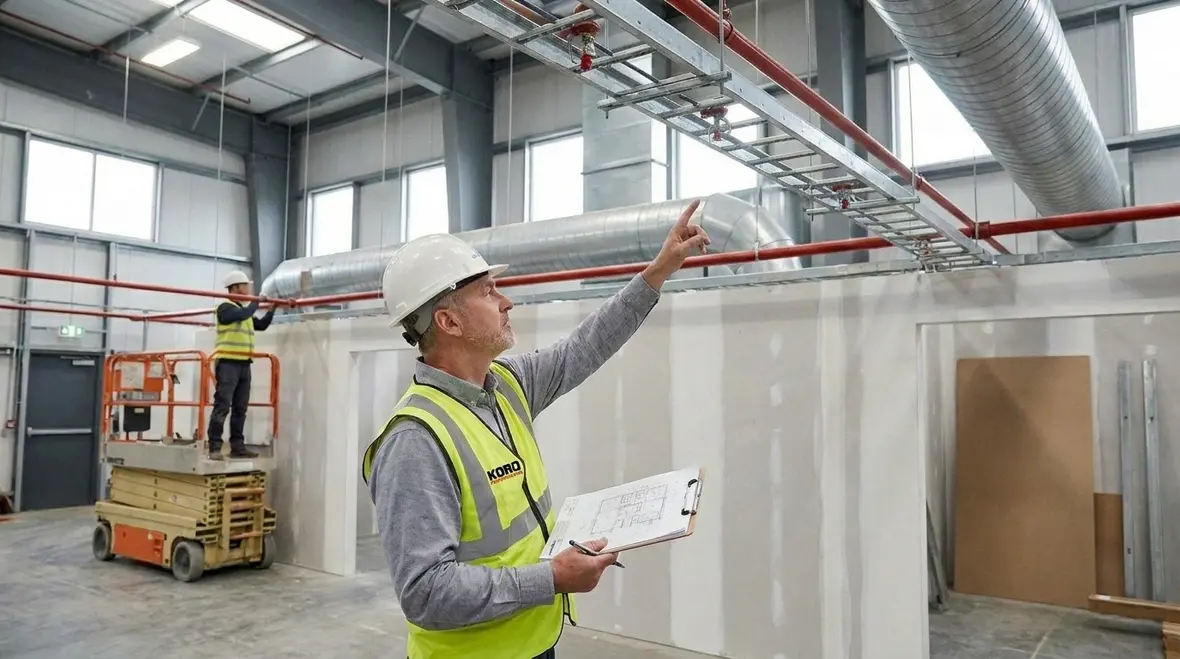
Because of this, owners should treat every construction phase like a test event. They should schedule a review of suppression coverage after major changes. Then they can confirm the system still supports the current building layout. This matters especially for facilities that rely on specialty protection, since Kord Fire Protection’s fire suppression services cover system inspections, testing, installation, and maintenance for a range of commercial and industrial applications.
Owner responsibilities that reduce impairment over time
Owners do not have to micromanage every inspection step, but they do carry key responsibilities. They should ensure service records stay current, hold contractors to the right scope, and monitor internal conditions that accelerate wear. Moreover, they should train staff to report issues early instead of waiting for something to go off.
Practical owner habits that help
- Maintain access: ensure panels, valves, and control cabinets remain reachable and unobstructed
- Control environmental exposure: fix chronic leaks and humidity sources near system components
- Update system information: keep diagrams current when layouts change
- Track impairment reports: address each finding with a timeline and a documented closeout
- Coordinate shutdown plans: prevent contractors from interrupting service without proper supervision and restart verification
When owners follow through, fire protection stops being a yearly chore. Instead, it becomes a business habit. And business habits are usually what separate a dependable system from one that only looks dependable during a quick hallway glance.
Why Kord Fire Protection can be a vital partner
Not every owner has time to chase updates, coordinate trades, and understand how system details connect to risk. That is where an experienced partner helps. Kord Fire Protection supports owners by bringing service discipline, clear documentation, and practical guidance that teams can act on.
First, Kord Fire Protection helps identify fire suppression impairment through thorough evaluation, not guesswork. Then, they connect findings to a workable plan that fits the facility schedule. In addition, they help teams align suppression performance with changing layouts, so new construction does not quietly reduce coverage.
Owners also benefit from ongoing communication. Instead of receiving a vague report that reads like a fortune cookie, they get actionable steps, timelines, and support for compliance needs. And if anyone tries to sell a quick fix that skips key checks, Kord Fire Protection can steer the decision back to what actually matters: safe, reliable operation.
Because at the end of the day, fire safety cannot rely on hope. It needs a system that stays ready. And yes, that is more exciting than it sounds, because it prevents the kind of emergency that no one wants to live through, or explain to an insurer. For owners wanting broader support across connected systems, Kord Fire Protection also provides full fire protection services designed around compliance, scheduling, and operational readiness.
FAQ
Take action now to protect people, property, and budgets
Fire suppression impairment is rarely dramatic at first, but it can become costly once it fails. Therefore, owners should review inspection records, address signs of system wear, and reassess coverage after any building changes. Next, they should partner with a team that documents results clearly and guides repairs with urgency and care.
Kord Fire Protection helps owners keep their systems ready, compliant, and dependable. If this matters to your facility, explore fire suppression services from Kord Fire Protection and schedule a service review now to handle potential issues before they turn into an emergency.

Join Our Newsletter!
Get the latest fire safety tips delivered straight to your inbox From our Newsletter.