Fire Suppression Impairment: Prevent Costly Surprises
When owners hear fire suppression impairment, they often think it is a minor service note that can wait until next quarter. However, impairments can quietly reduce or delay a system’s ability to protect lives and property when it matters most. In other words, the system may look “ready” on paper, while the real performance has slipped behind the scenes. And just like a smoke alarm with a dead battery, it only takes one bad day to turn “probably fine” into an expensive surprise.
So, what should owners know, how do impairments happen, and what practical steps keep risk low? This article walks through the common causes, owner responsibilities, inspection basics, and the business value of working with Kord Fire Protection, because prevention is cheaper than drama. No offense to drama, but it never shows up with a service report.
Understanding fire suppression impairment and why it matters
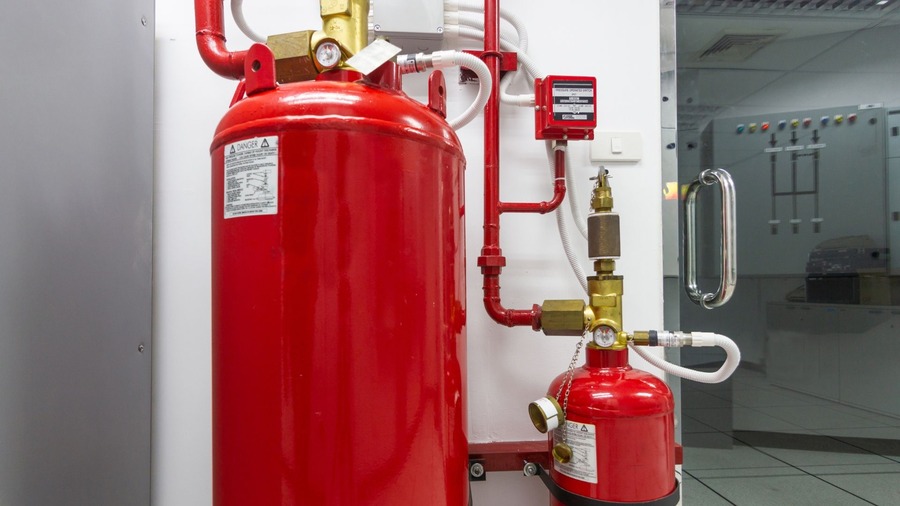
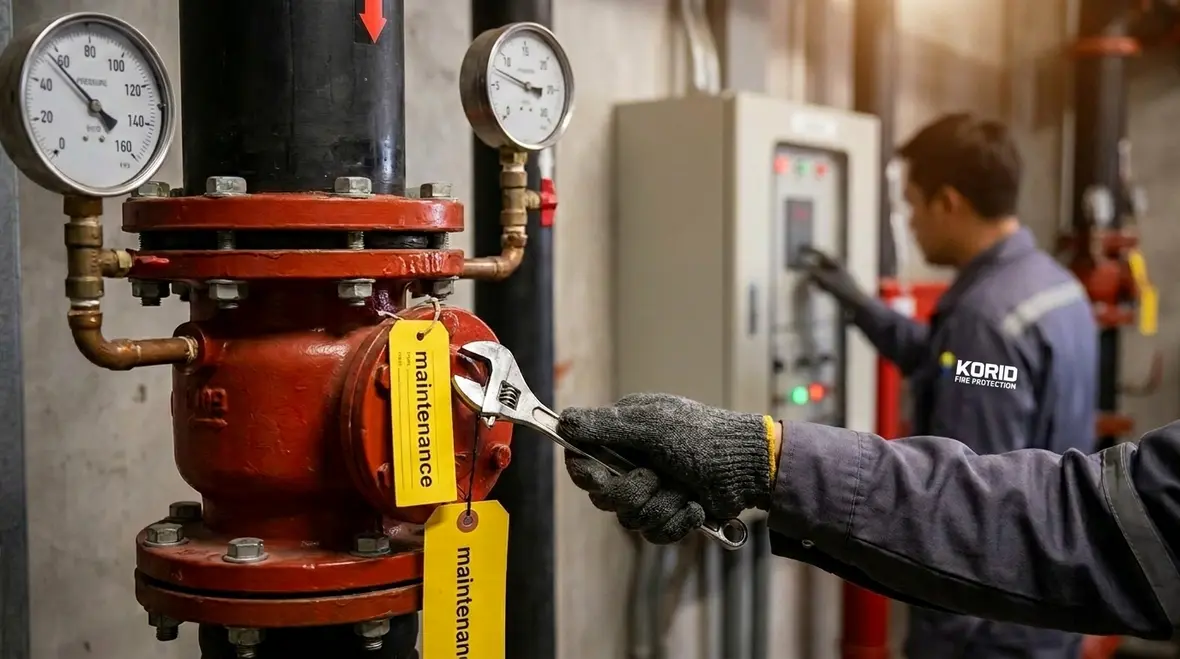
A fire suppression system impairment means the system cannot perform as intended under fire conditions. That impairment might be partial, full, or intermittent. For example, a sprinkler system may have a valve shut, a component out of service, or a flow issue that limits water delivery. Meanwhile, a clean agent system might lose capacity due to pressure problems or incorrect settings.
Because building protection relies on timely discharge and proper coverage, even small issues can change outcomes. Furthermore, many jurisdictions require that systems operate reliably and that owners document impairment status and corrective actions. If an inspection finds an impairment, it becomes a compliance and safety concern, not just a maintenance item.
Owners also need to understand a key point: a system can be present yet impaired. That distinction matters when insurers ask questions, when tenants require assurance, and when life safety audits happen. For a broader look at how systems are supposed to work before trouble starts, readers can also explore this fire sprinkler overview and system guide.
Common causes of suppression system impairments
Impairments often start with everyday events, not villainous sabotage. Still, the result can be the same. Over time, the system can fall out of tolerance due to routine work, aging parts, or neglected documentation.
The usual suspects behind hidden system trouble
- Valves left closed or in the wrong position, often after repairs, seasonal adjustments, or tenant work
- Maintenance gaps such as missed testing intervals or overdue inspections
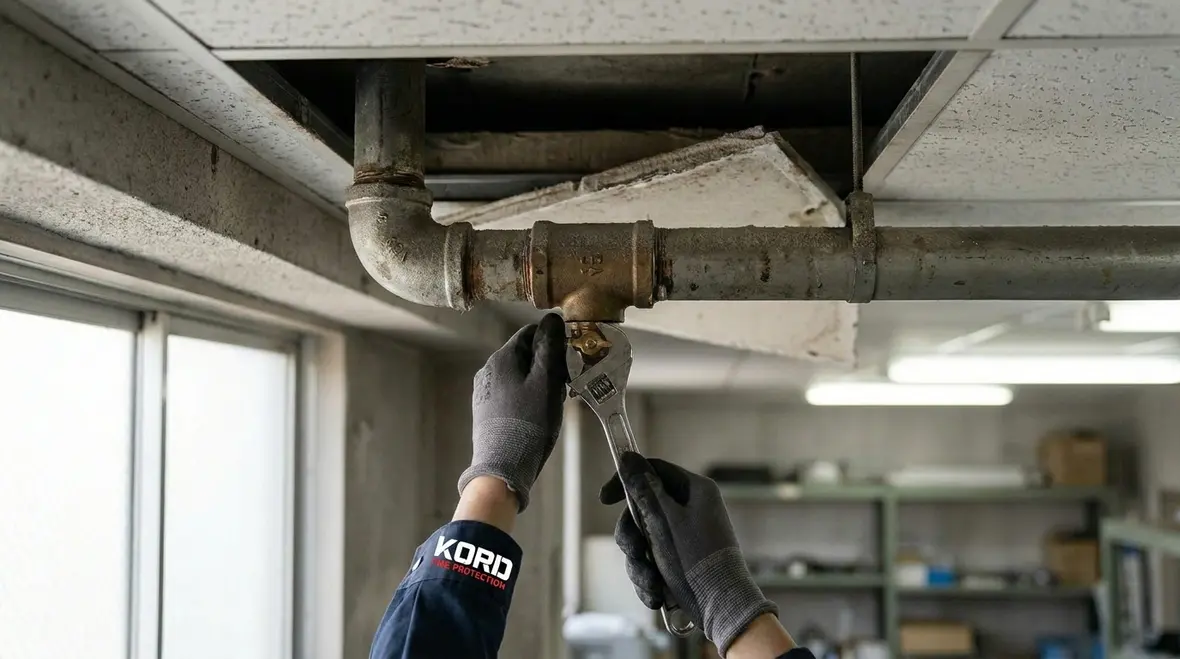
- Damaged piping or fittings due to construction activity, equipment moves, or impact
- Incorrect system configuration, especially after contractor changes or control panel updates
- Low pressure, leaks, or blocked lines that reduce discharge performance
- Component wear, including detection devices, releasing devices, and pump reliability
In addition, some impairments show up only during testing or during seasonal changes. Therefore, owners benefit from a process that tracks impairment risk before it becomes a surprise report. That is one reason inspection-focused content like Kord Fire Protection’s wet sprinkler system inspection guide is useful for understanding where problems often reveal themselves.
Owner responsibilities during impairment events
When an impairment occurs, owners should act fast and document everything. First, they should confirm what portion of the system is affected and why. Then they should evaluate whether any temporary protections are needed, such as extra fire watch coverage, operational limits, or alternative safety measures while repairs continue.
Next, owners should coordinate with the local authority having jurisdiction and follow any permit or notification requirements. Even when rules vary by location, the safe approach stays consistent: verify the system status, control the risk, and correct the issue without delay.
Finally, owners should keep clean records. Good documentation includes dates, description of the impairment, testing results, parts replaced, and the return to service details. If someone asks later, “What happened and when?” the owner should have an answer ready, not a guessing game.
Documentation turns chaos into clarity
That paperwork may not feel exciting, but it is often the difference between a contained issue and a messy one. Clear records support insurers, reassure tenants, and make follow-up work much easier for service teams. They also help owners see patterns. If the same valve, signal, or pressure issue keeps coming back, that is not bad luck. That is a clue.
How inspections and testing help catch issues early
Owners do not need to become system engineers, but they should understand what inspections look for and what they mean. Inspections and testing provide proof that devices, controls, and water or agent delivery still work together as designed.
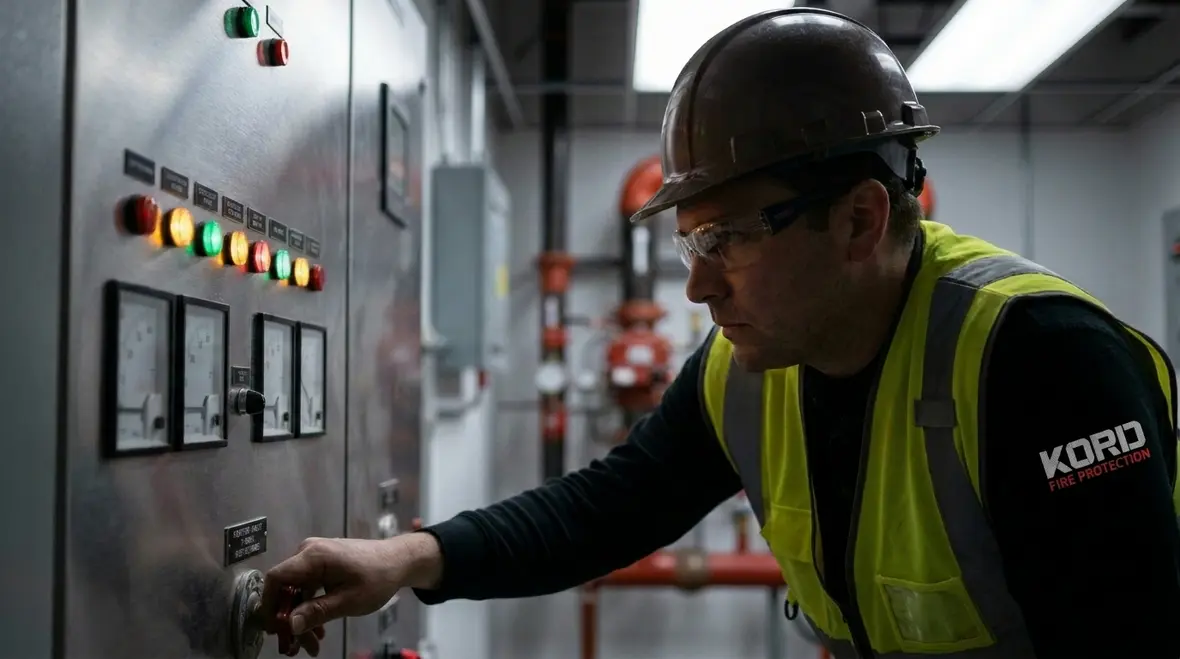
Typically, inspection programs check coverage, valve positions, gauges, test connections, alarms, and supervisory signals. Meanwhile, testing verifies that the system can move from standby to action and that the relevant components respond correctly.
However, the key is consistency. When owners schedule inspections on time, they catch problems during calm conditions instead of during an emergency. Also, they reduce the odds of repeat impairment findings because the system receives steady attention, not sporadic “fix it when it breaks” care.
And yes, there is a business angle here: fewer impairment events means fewer operational interruptions, fewer surprises for tenants, and fewer costly extensions of downtime. In short, proactive checks keep the building functioning like a well rehearsed play, not like a live improv show where the sprinklers refuse to cooperate.
Owners who want to understand the bigger picture can also read the full lifecycle of fire protection, which ties design, installation, inspection, maintenance, and replacement into one practical framework.
Choosing a partner: where Kord Fire Protection adds real value
Owners often try to manage suppression impairments through emails, spreadsheets, and good intentions. That approach can work until it does not. Instead, a qualified partner helps owners connect the dots between compliance requirements, system health, and corrective action.
Kord Fire Protection can become a vital partner by supporting impairment prevention with hands on inspections, clear reporting, and dependable service follow up. For example, they help owners track valve status, monitor system indicators, and schedule testing so that impairments get handled before they escalate. Additionally, Kord Fire Protection can assist with return to service documentation so owners can maintain accurate records without last minute stress.
Just as importantly, Kord Fire Protection communicates in plain language. So, owners understand what failed, what caused it, and what will stop it from coming back. That clarity reduces downtime and supports better decisions, whether the building serves retail traffic, industrial operations, or office tenants who do not want fire protection surprises during lunch rush.
In a world where everyone is chasing the next thing, Kord helps owners protect the current one. If you want a broad picture of what that support can include, visit Kord Fire Protection’s full fire protection services page near the end of your planning process. It is a practical next step when inspection readiness, repairs, and compliance all need to work together.
FAQ: quick answers on fire suppression impairment
Conclusion: protect the building now, not later
Fire suppression impairments do not announce themselves with a siren, but they do create real risk. Therefore, owners should treat impairments as urgent, document the facts, and correct issues quickly with a clear return to service plan. The buildings that stay safest are rarely the lucky ones. They are the ones with consistent inspection habits, fast response when issues appear, and a partner who knows how to keep protection systems from drifting out of readiness.
If you want fewer surprises, stronger compliance, and confident coverage, reach out to Kord Fire Protection for an inspection and impairment prevention plan. A smart next step is to review their fire protection services and connect with a team that can help you save time, reduce disruption, and keep the building safer for the people inside. Call Kord Fire Protection today and get ahead of the problem.

Join Our Newsletter!
Get the latest fire safety tips delivered straight to your inbox From our Newsletter.