Fire Suppression Impairment: How Owners Prevent Risk
Fire suppression systems do not fail in slow motion. They fail when an owner least expects it, often after years of service gaps, design changes, or simple neglect. In that moment, fire suppression impairment can turn a life safety feature into an unreliable one. Owners should understand how these impairments happen, what they look like in real life, and how to respond before a problem turns into a crisis. And if this sounds like a horror movie, relax. With the right partner, the “monster under the stairs” stays safely where it belongs, in the script.
For owners and managers, the challenge is that impairment rarely announces itself with a dramatic soundtrack. It usually sneaks in through skipped testing, undocumented service changes, blocked discharge areas, or system conditions that looked temporary and somehow became permanent. Kord Fire Protection has also covered related risk issues in its guide on fire protection impairment management, which makes one point clear: when protection is reduced, awareness has to rise with it.
What fire suppression impairment means for property owners
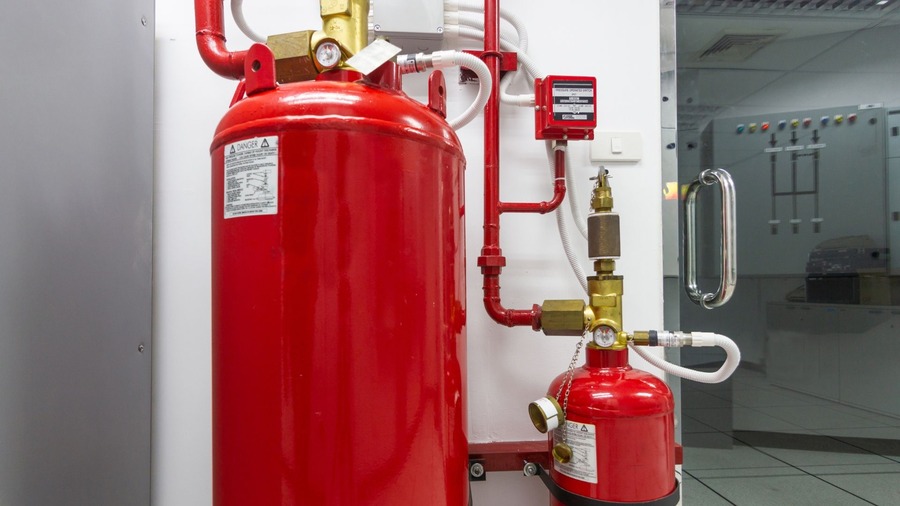
A fire suppression impairment is a condition that reduces, blocks, or prevents the proper function of a fire suppression system. In other words, the system may not discharge when it should, may discharge incorrectly, or may not maintain the required protection.
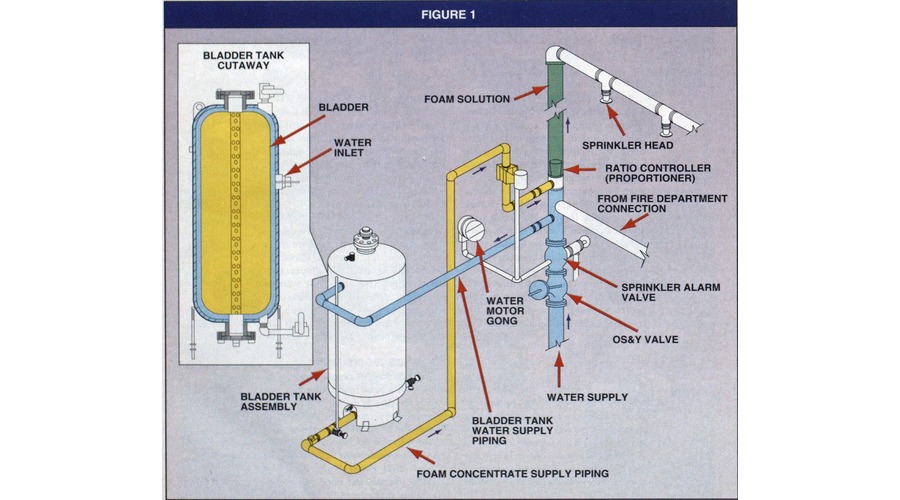
Depending on the system type, common impairment drivers include valves left in the wrong position, impaired detection components, damaged piping, closed control valves, out of date inspections, or changes to the building that alter airflow, obstructions, or hazard levels. Therefore, owners need to treat impairments as operational risks, not paperwork problems.
Just as importantly, the word “impairment” does not always mean “broken.” Sometimes the system still looks fine. However, the details hide in test records, service tags, and system configuration. If an owner only checks the wall sign and calls it a day, that is like checking your smoke detector battery once and assuming the rest of the house is protected. It is comforting, but it is not enough.
Why owners should care before an alarm event
The practical problem is simple. A system that is partly impaired can give owners a false sense of security. It may sit there looking official, labeled, inspected at some point in the distant past, and still fail to protect the exact area that needs it. That gap between appearance and readiness is where losses grow. It is also where claims, citations, and painful post-incident conversations begin.
Top impairment causes in real buildings
Most impairment issues do not come from one dramatic event. Instead, they build over time. Here are frequent causes that owners typically encounter, especially after renovations, tenant moves, or staffing changes:
- Obstructions in sprinkler areas or discharge paths that limit coverage
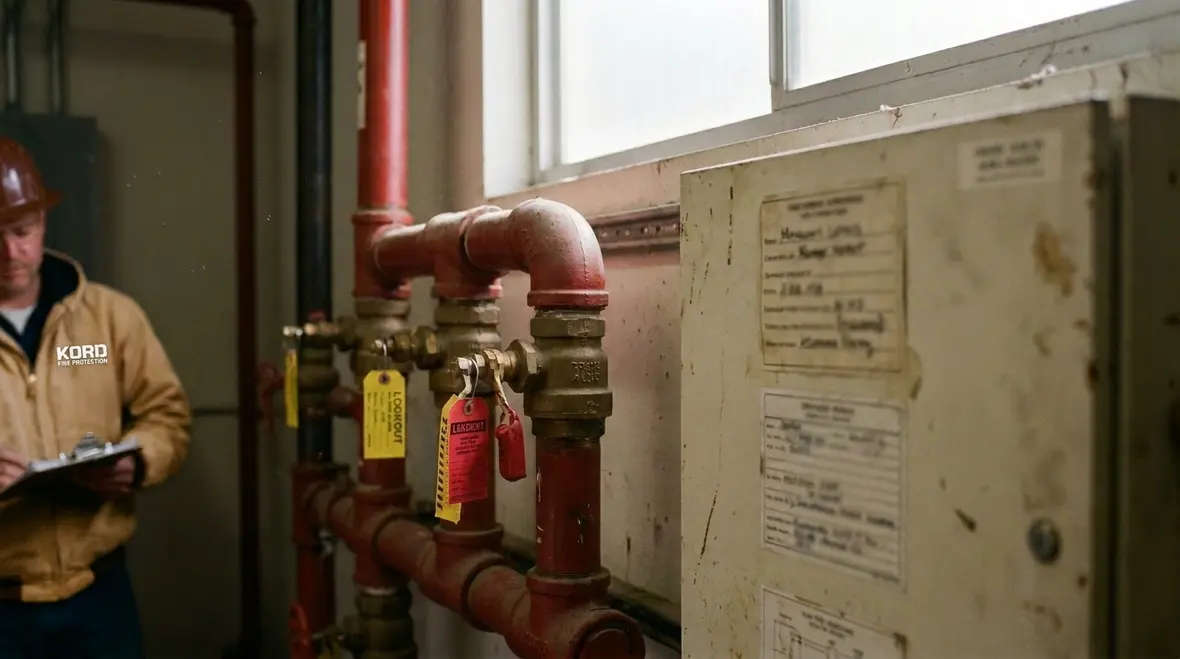
- Incorrect valve status from maintenance work or seasonal adjustments
- Corrosion and physical damage to pipes, fittings, or tanks
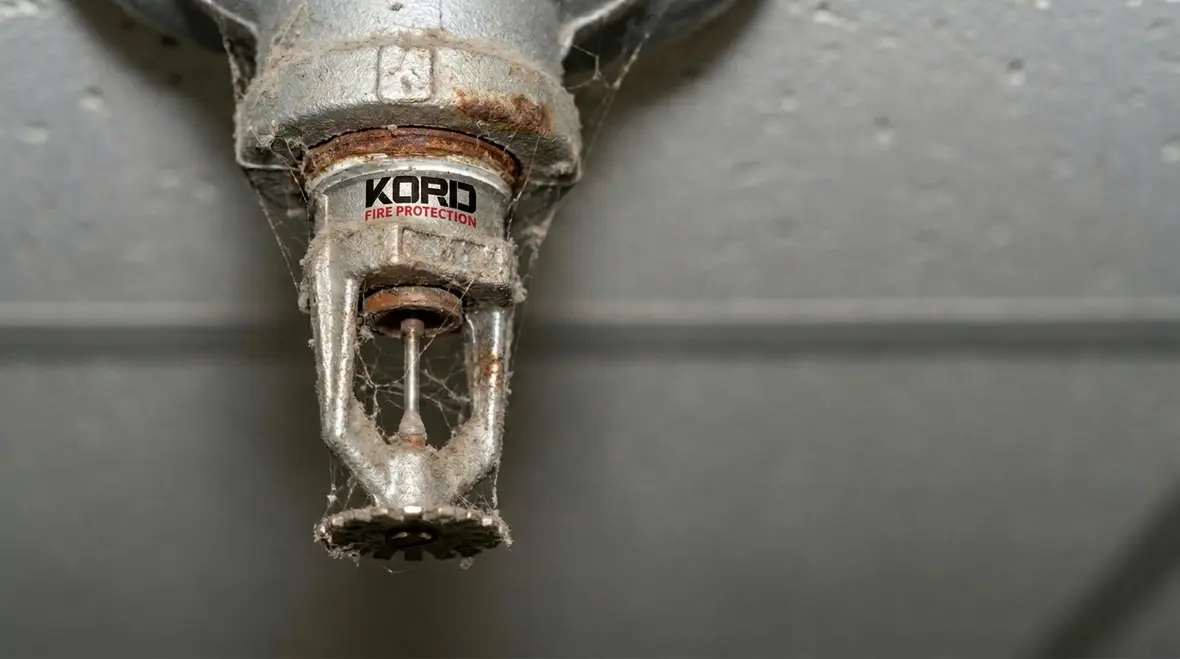
- Detector impairment due to dust, paint overspray, or improper spacing
- Temporary impairments that never got restored to normal operation
- System modification gaps after construction or layout changes
And then there is the classic “we will fix it later” scenario. In safety work, later becomes expensive quickly. As a result, owners should build a process that prevents temporary states from lingering and converts findings into tracked work orders.
Another issue is that building changes often move faster than fire protection documentation. A tenant fit out, storage layout change, equipment upgrade, or partial remodel can quietly change hazard conditions while the suppression setup stays exactly where it was. Kord Fire Protection touches on similar real-world issues in its article on common fire code violations found in inspections, including painted sprinkler heads, blocked access, and incomplete records that can cause trouble long before an emergency does.
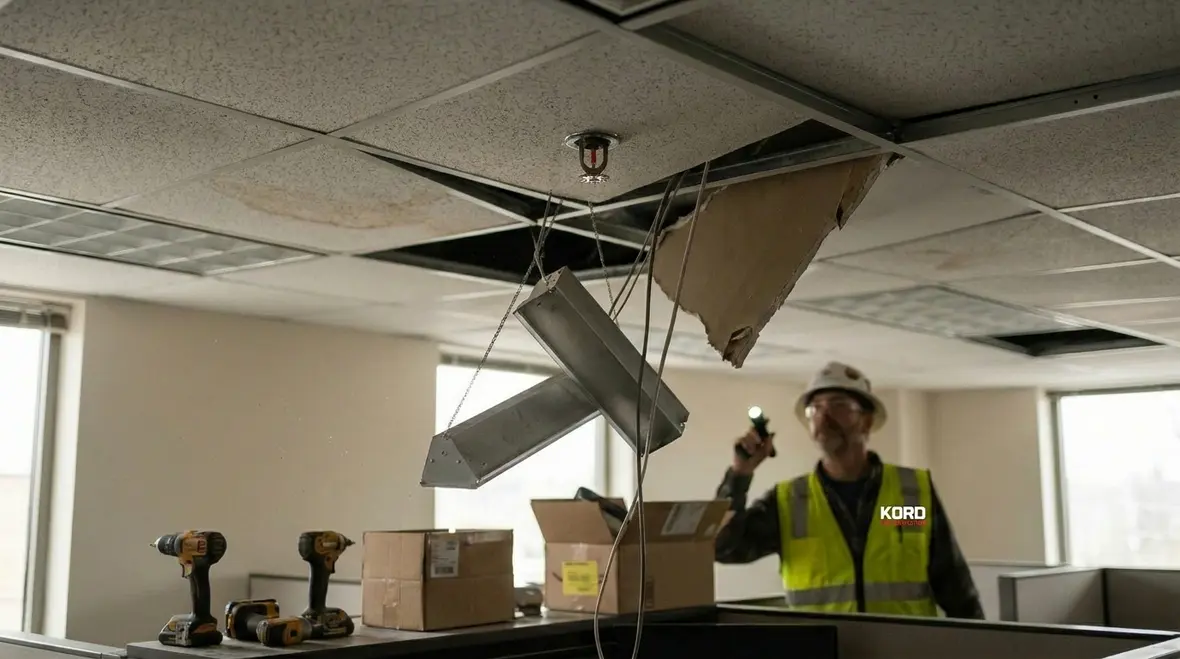
Small oversights that become big problems
Some of the most common impairments are boring on the surface, which is exactly why they get missed. A valve gets left in the wrong position after service. Dust settles onto detection equipment. Overspray from a quick paint job affects components no one meant to touch. A disabled zone during construction gets forgotten once the contractor packs up. None of that sounds dramatic until the day the system is expected to perform without excuses.
How to spot signs before they become an emergency
Some impairment clues show up in maintenance logs, while others show up in the building itself. Even a busy owner can look for practical indicators without turning into a full time fire marshal.
Therefore, owners should connect what they see with what the system reports. When the two disagree, that is often where the impairment hides. And yes, that is also where stress begins. Better to catch it early than to explain it later to an investigator who has heard every excuse from here to the moon.
It also helps to compare physical conditions against recent activity. If the property has gone through renovations, storage changes, equipment relocation, or new tenant occupancy, those events deserve extra attention. Even when nothing appears damaged, the protected space may no longer match the original assumptions of the system design.
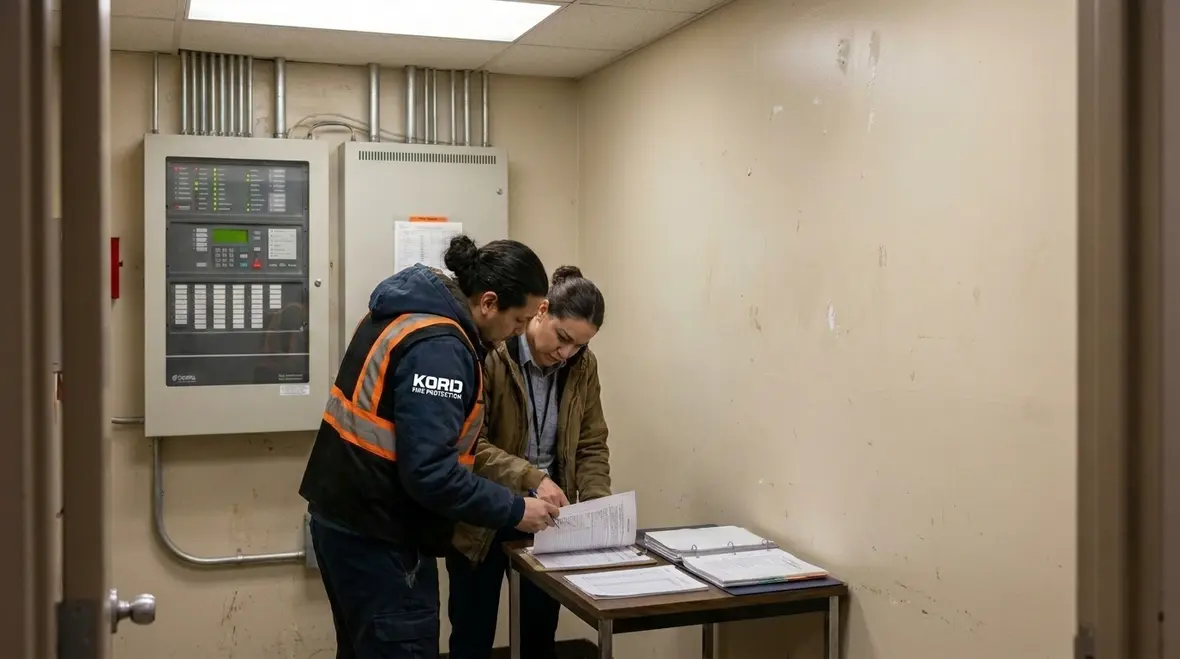
The value of reading the boring stuff
Service tags, testing records, and supervisory histories are not glamorous reading. They are, however, where a surprising number of impairment stories begin. If a system keeps generating the same trouble signal, if a correction remains open across multiple visits, or if the records are oddly thin after major building changes, owners should assume follow up is needed. The system may be trying to wave a red flag without being rude about it.
What owners must do when impairments are found
Once an impairment is confirmed, the next steps matter just as much as the discovery. Owners should respond with speed and clarity. First, they should document the scope, location, and system type. Then they should review the operational impact on the protected hazard area.
Next, they should coordinate with their licensed fire protection provider to restore the system to its ready state. However, restoration does not end the job. Owners should also update records, verify the correction during testing, and confirm that any temporary conditions returned to normal.
Many owners also overlook communication. For example, facilities teams and tenant managers need to understand what changed and how long it will take to fix it. Meanwhile, leadership should understand the risk level so decisions stay informed and calm. Fire safety work rewards planning, not panic. Panic is for emergency scenes and bad sitcoms.
Response steps that keep control in the owner’s hands
- Document exactly what part of the system is impaired and what area is affected
- Notify internal stakeholders so no one assumes the system is fully ready when it is not
- Coordinate correction work with a qualified provider as quickly as possible
- Verify testing after the fix instead of relying on assumptions
- Close the loop in writing so temporary conditions do not linger into the next inspection cycle
Why compliant reporting and documentation prevent costly surprises
Owners often worry most about repairs. Yet, documentation plays a heavy role in risk management. When inspections show issues, clear records help explain what occurred, when it occurred, and how the owner responded.
Good documentation also supports consistent compliance across time. Over the years, property teams change, vendors change, and tenants come and go. If the history stays organized, the next team does not have to rebuild the past from scratch. Additionally, clear records reduce confusion during audits, insurance reviews, or AHJ interactions.
Owners should look for service reports that identify affected components, reference system sections, summarize test results, list impairments, and provide a correction plan with dates. Then they should store reports in an accessible place, ideally tied to the property’s maintenance system. Because when it comes time to prove readiness, “I think we took care of it” does not pass the smell test.
Documentation also makes future decisions faster. Instead of rediscovering the same issue every year, owners can spot repeat patterns, budget more intelligently, and see whether a deficiency is isolated or part of a wider maintenance problem. That kind of visibility saves time, money, and a whole lot of avoidable confusion.
Kord Fire Protection as a vital partner for impairment prevention
Fire suppression impairment management requires more than one visit and a quick signature. It requires a partner who understands the systems, tracks trends, and helps owners act before problems escalate. That is where Kord Fire Protection can become a vital ally.
Kord Fire Protection supports owners by taking a proactive approach to inspections, impairment identification, and corrective action coordination. Instead of waiting for a shutdown or a surprise alert, a good program focuses on readiness. Consequently, owners can align maintenance schedules with building activity, handle system changes after renovations, and reduce the odds of leaving valves, detection, or hazard conditions out of alignment.
Furthermore, a strong partner helps owners make sense of technical findings. When the report reads like it came from a secret government lab, decisions get delayed. Kord Fire Protection helps translate issues into practical steps, so owners can prioritize work, plan budgets, and keep protected spaces truly protected.
Owners looking for broader support can also review Kord Fire Protection’s full fire protection services and the company’s dedicated fire alarm services page to connect impairment planning with inspection, testing, and correction work across the property.
FAQ: Fire suppression system impairments
Ready to prevent the next impairment?
If an owner waits until a problem becomes visible, they lose time and control. Instead, they should set a clear plan for inspection, impairment tracking, and fast correction. Kord Fire Protection helps property teams stay ahead of risk with proactive service and clear reporting.
Contact Kord Fire Protection today to review your systems, confirm readiness, and build a maintenance approach that protects people and the bottom line. Explore Kord Fire Protection services to connect inspections, suppression support, and long term readiness planning in one place. Because fire safety should never feel like guesswork.

Join Our Newsletter!
Get the latest fire safety tips delivered straight to your inbox From our Newsletter.