
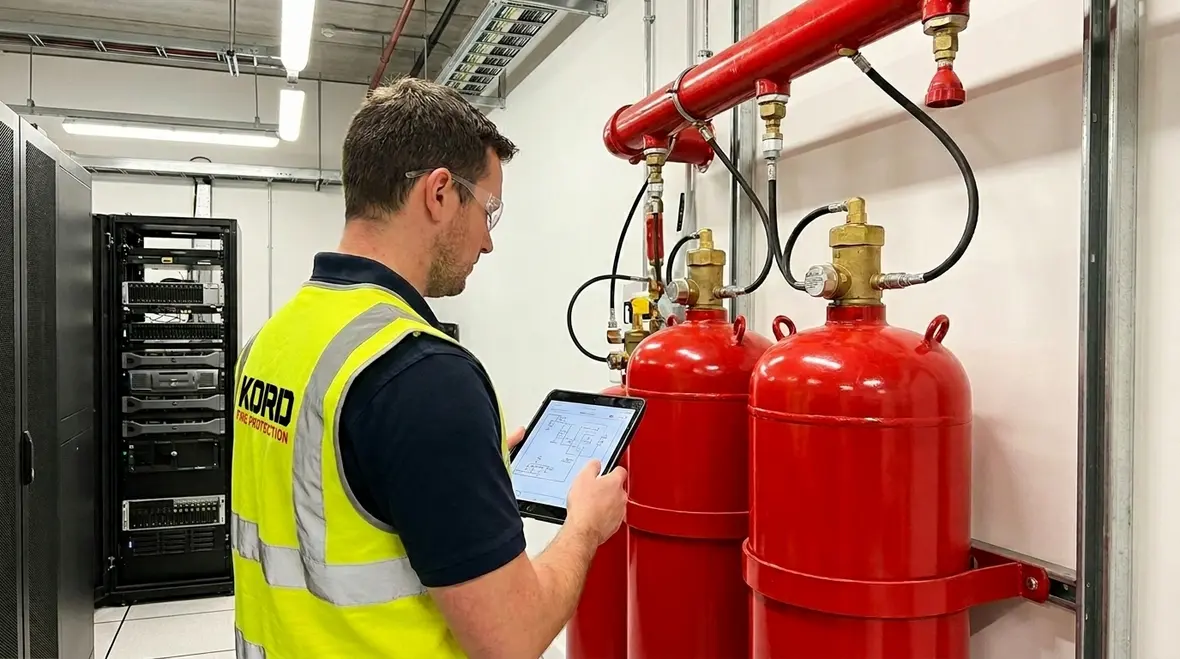
Fire Suppression Agent Selection for Australian Facilities
Quick answer: Choosing the right fire suppression agent means matching the agent to the hazard, the equipment, the space design, and the risk profile. When done well, it protects people, assets, and operations without unnecessary downtime. Kord Fire Protection helps businesses in Australia select and validate the right approach for real-world conditions.
Every facility owner eventually faces the same question: what do they use to put out a fire without turning their own operation into collateral damage. That’s where a solid fire suppression agent selection matters. In the introduction, the simple truth is this: the right agent starts with understanding the hazard, not guessing. Then it gets even smarter when Kord Fire Protection steps in as a vital partner, because they connect agent choice with system design, maintenance reality, and compliance expectations across industrial, retail, and commercial sites throughout Australia. And yes, while fires are not a pop quiz, the planning still has to be just as sharp.
For teams that also need broader support across alarms, sprinklers, extinguishers, and suppression planning, full fire protection services can help frame the project before the finer suppression decisions begin. That way, the conversation starts with the whole facility in mind rather than one isolated hazard.
Now let’s walk through the decision process in a way that keeps operations steady and risk lower. No magic tricks. Just practical steps that work on the floor, not just on paper.
Assess the hazard before choosing an agent
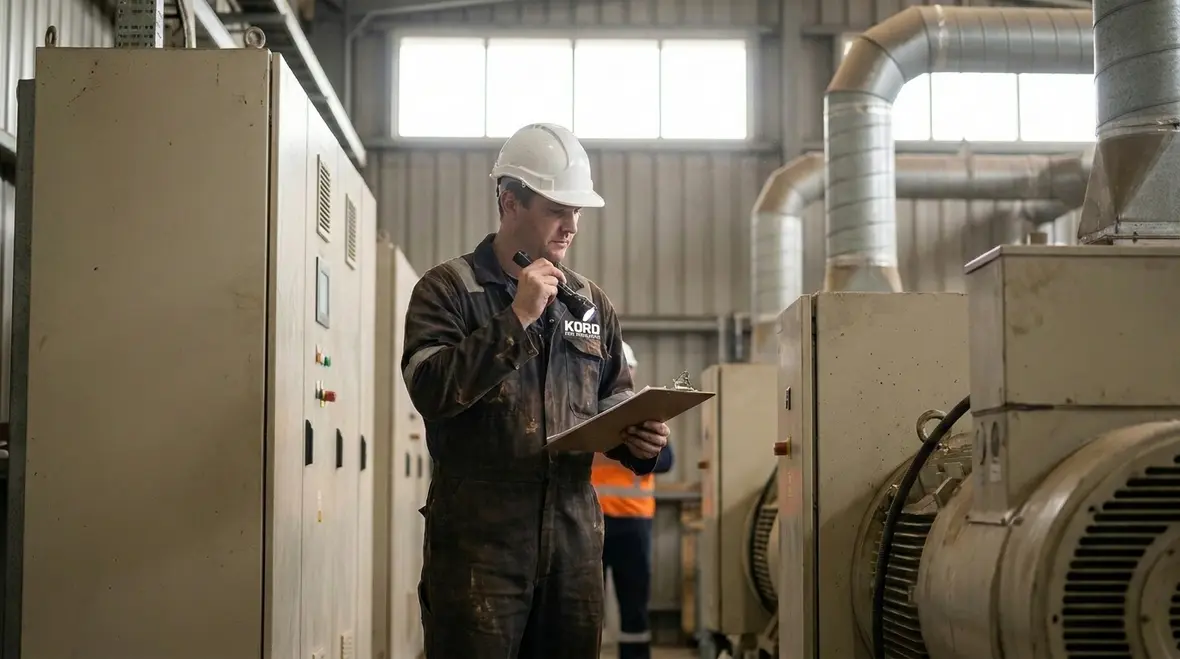
The first step in fire suppression agent selection is clarifying what can burn, how it burns, and how fast it can grow. A machine room with hydraulic equipment behaves differently from a retail storage area, and cooking vapours behave differently from solvent vapours. Therefore, the facility team should confirm the fire class, fuel type, and ignition sources that commonly occur in that area.
Next, the team should examine enclosure and airflow. For example, a tightly sealed electrical cabinet needs a different approach than an open warehouse aisle. In addition, they should check whether the equipment is likely to fail in a way that exposes live parts, because that changes both hazard analysis and agent compatibility. This is also the stage where a practical review of nearby detection, isolation points, and service access starts to pay off. If the hazard lives in an awkward corner that nobody can reach without acrobatics, that matters more than a tidy spreadsheet ever will.
Key information to gather
- What fuel loads exist and where they sit
- How heat and smoke move through the space
- What could damage sprinklers, piping, or detection equipment
- Which areas stay occupied and which can be cleared quickly
Match the agent to equipment and what it will protect
Not all suppression agents treat equipment the same. Some leave residue, some cool effectively, and some interrupt the chemical reaction of combustion. So, when the goal is to protect sensitive equipment, the facility must consider clean-up impact and downtime. After all, nobody wants a dramatic “extinguish” moment followed by a week of recovery.
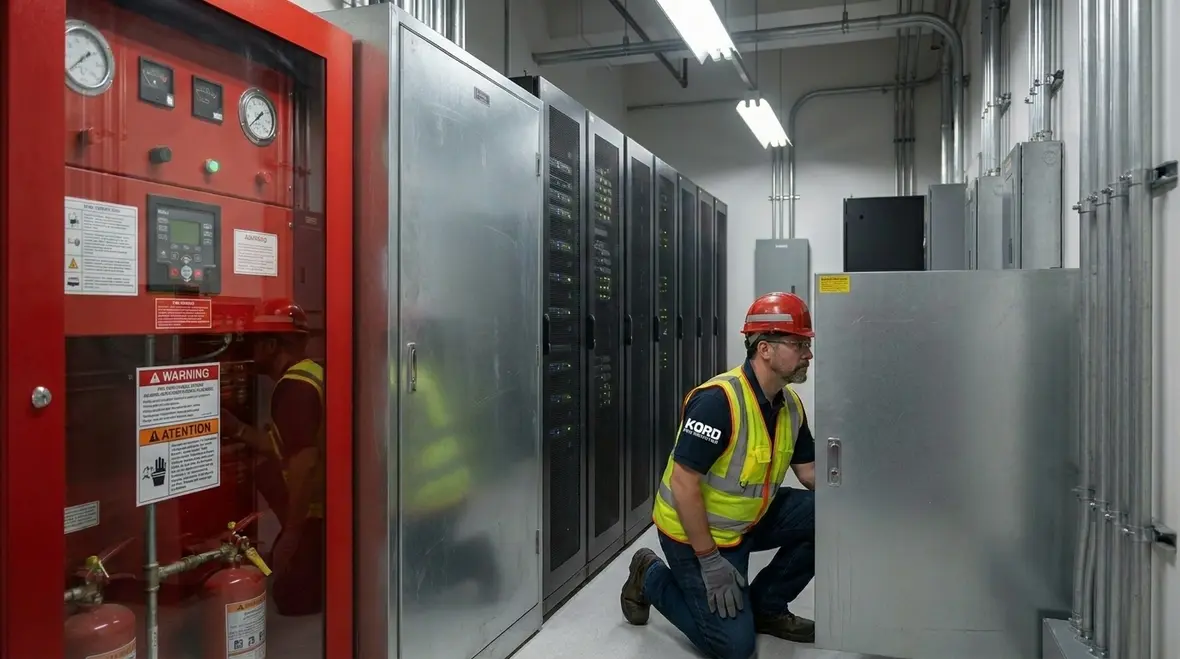
For industrial sites, the equipment list should include motors, control panels, conveyors, compressors, and process lines. For retail and commercial spaces, the risk often concentrates in back-of-house storage, server rooms, loading bays, and electrical distribution. Each one demands a specific protection strategy.
Then comes the compatibility check. The agent should not create electrical hazards, reduce visibility in a way that slows evacuation, or interfere with fire detection and alarm performance. When Kord Fire Protection partners on the job, they help align agent selection with equipment realities so the system supports operations instead of disrupting them. That same thinking also connects naturally with fire alarm integration for smarter building safety, because suppression, detection, and response timing should behave like a team, not like strangers meeting during an emergency.
Why equipment compatibility changes everything
A facility can choose an agent that performs beautifully in theory and still end up with a poor real-world result if the discharge affects electronics, obscures access, or creates a brutal reset process. Protecting the asset means thinking past the fire itself. It means looking at restart time, cleaning labour, replacement lead times, and whether staff can safely re-enter and recover the area without turning the whole week into a damage-control exercise.
Decide based on space design, detection, and system type
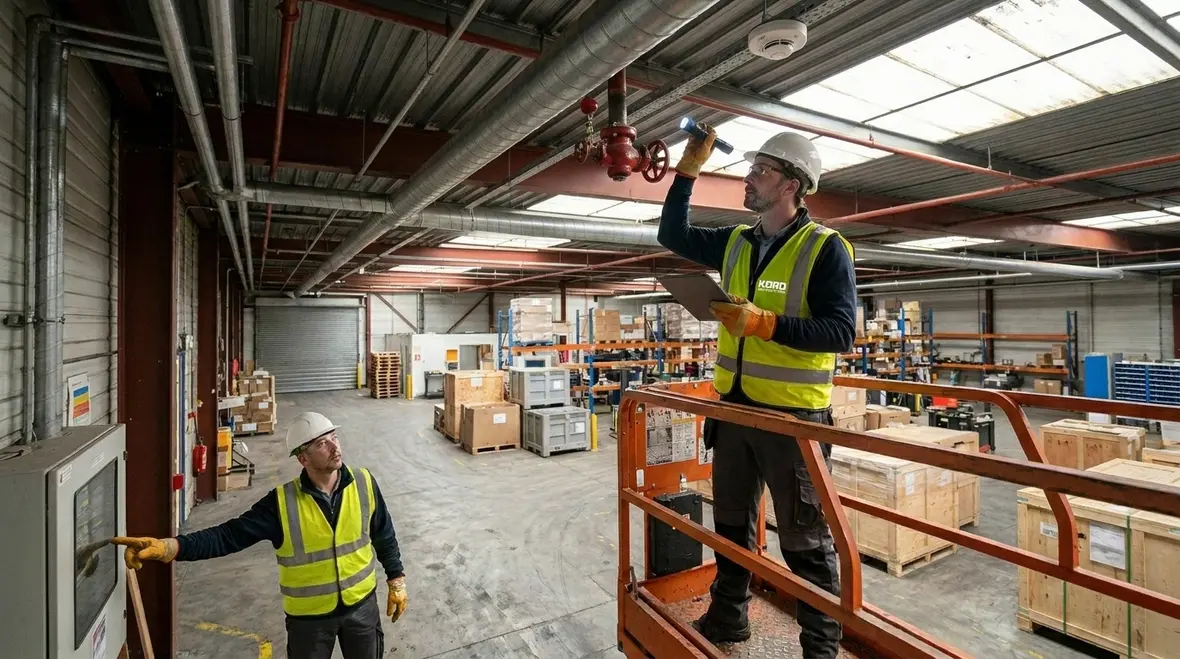
The agent does not choose itself. The space layout and the detection method guide the selection. For instance, an area with ceiling obstructions may affect coverage, while a high air exchange rate can reduce effectiveness. Likewise, the detection system and release timing must work together so the agent arrives when it matters most.
Additionally, system type influences agent choice. Some systems focus on total flooding of a protected volume. Others focus on local application at the hazard. Therefore, the design team should confirm the protected volume limits, piping layout, and discharge direction. A well planned system can reduce unnecessary discharge and lower overall risk.
Common design checks
- Ceiling height and obstructions that impact agent distribution
- Ventilation schedules and likely airflow during operation
- Detection placement and how quickly a condition triggers
- Release pathways that avoid short-circuiting coverage
This part of the project often separates a merely compliant layout from one that genuinely performs. A beautiful plan set means very little if the room leaks, the fan schedule defeats the concentration, or the release pattern misses the actual seat of the risk. Good design is not just geometry. It is timing, movement, containment, and verification working together at once.
Understand performance, side effects, and business impact
Every suppression agent carries trade-offs. Some cool flames rapidly, while others rely on chemical interruption. However, the real-world impact includes residue handling, recovery time, and the effect on people and operations during and after discharge. So, the best choice balances firefighting performance with the least operational disruption.
For example, a facility that must resume service quickly may prioritise agents with cleaner post-event outcomes. Meanwhile, a warehouse might tolerate certain recovery steps if the agent controls the fire fast and limits spread. And in a busy retail environment, the facility may also consider how quickly areas can reopen after discharge.
To keep decisions grounded, the facility team should ask Kord Fire Protection to review system outcomes, not just theoretical performance. That approach turns fire suppression agent selection into a business continuity plan, not a technical gamble. Think of it like choosing the right tool for the job. Using a spoon to fix plumbing is brave, but it also makes everyone miserable.
Questions that keep the decision practical
- How long will the area be out of service after discharge?
- What cleaning or replacement work follows activation?
- Will staff need specialist support before reoccupation?
- Does the chosen approach support a realistic restart plan?
Plan for compliance and ongoing maintenance
Selection only starts the work. The next phase includes installation quality, commissioning, documentation, and maintenance routines. If a system cannot be maintained properly, the best agent in the world still becomes a risk.
Therefore, the facility should confirm service access, component availability, and inspection requirements. In industrial environments, vibration, heat cycles, and dust can affect reliability, so maintenance planning becomes essential. For commercial and retail sites, scheduled downtime and staff coordination matter too, because inspections still need to happen without shutting down the business.
Kord Fire Protection can help coordinate maintenance and system checks so the agent selection stays relevant over time. That matters because the hazard can change as stock, processes, and equipment evolve. Without reviews, the system may protect the original plan but miss the current reality.
Use a partner for the full lifecycle of risk
This is where the value of a trusted partner really shows. Kord Fire Protection can act as more than a supplier. They can support the full lifecycle, from early hazard review through design input, installation follow-up, commissioning support, and ongoing service.
When a business works with a knowledgeable partner, fire suppression agent selection becomes a repeatable process. The team learns from past projects. The system configuration fits the site instead of forcing the site to fit the system. And the facility reduces surprises during inspections or real incidents.
Dual view of decision factors
| Facility priorities | What drives the agent choice |
|---|---|
| Protect live operations | Release timing, coverage, and downtime impact |
| Limit damage to equipment | Residue level, cooling effect, and compatibility |
| Support compliance checks | System documentation and serviceable design |
| Reduce uncertainty | Verification through commissioning and testing |
How to start the project without slowing operations
A facility does not need to pause everything to make progress. First, they can run a structured hazard walk-through with Kord Fire Protection and identify the top risk zones. Then they can map existing detection, suppression components, and access routes for service. After that, the team can confirm where new suppression is needed versus where upgrades can strengthen protection.
Next, the business can set practical milestones. That includes early concept review, design alignment, installation scheduling that avoids high trade periods, and commissioning windows that do not disrupt critical processes. Finally, they can build maintenance schedules into normal operations rather than treating them like emergency chores.
With this approach, fire suppression agent selection becomes a controlled project, not a last-minute fire drill. And if someone says “we will deal with it later,” the facility can politely respond that later usually shows up wearing smoke.
FAQ
Conclusion and call to action
Choosing the right fire suppression agent protects people, equipment, and continuity. For Australian industrial, retail, and commercial sites, fire suppression agent selection should start with hazard clarity and end with maintenance-ready design. Kord Fire Protection helps organisations make confident decisions, avoid guesswork, and keep systems working after installation.
If your facility needs a targeted review, contact Kord Fire Protection to discuss your hazards and protection goals. The best time to make a smart suppression decision is before the emergency tries to make one for you.

Join Our Newsletter!
Get the latest fire safety tips delivered straight to your inbox From our Newsletter.



