Commercial Sprinkler Water Pressure Management for Large Networks
When large properties need sprinklers to perform in real time, commercial sprinkler water pressure management becomes the difference between “it should work” and “it works when it matters.” In other words, the system can only deliver water the way it was designed if the network keeps pressure stable from pump to hydrant to sprinkler head. Kord Fire Protection technicians explain that pressure optimization is not a one time adjustment. It is a process that balances supply, pipe design, friction loss, demand changes, and control settings, so the whole network behaves like a team instead of a group of stubborn strangers. And yes, the hydraulics can feel like watching a slow sitcom, until you see the punchline: correct pressure means reliable coverage during the stressful parts of life.
Why large networks struggle with water pressure
Large scale sprinkler networks tend to pressure problems for a few predictable reasons. First, as pipe runs get longer, friction loss rises. Then, as zones open, demand changes quickly and pressure can drop right where performance counts. Also, older systems often carry added pressure burdens from corrosion, partial obstructions, or mismatched components. In these networks, Kord Fire Protection technicians typically see pressure fall in bursts, such as when an inspector tests one area and suddenly the system behaves differently than the design model predicted. That difference matters during an actual fire event.
Therefore, the goal is not to “turn up the pressure” like it is a home shower. Instead, technicians align system pressure with the sprinkler design so the network delivers the right flow at the right elevation and time. When this alignment fails, the system can under deliver water, or it can waste energy and cause water hammer issues. Either way, the network stops acting like a dependable safety system and starts acting like a risky guess.
The pressure problem is rarely just one thing
That is what makes large network troubleshooting so interesting, and by interesting we mean occasionally annoying in a very professional way. A long main might be part of the issue, but so can a control valve that drifts, a renovation that changed hydraulic demand, or a supply profile that looked fine on paper and acts completely different under test. Reliable pressure management means treating the system like a living network, not a frozen set of assumptions from the day it was installed.
How Kord Fire Protection technicians evaluate the system
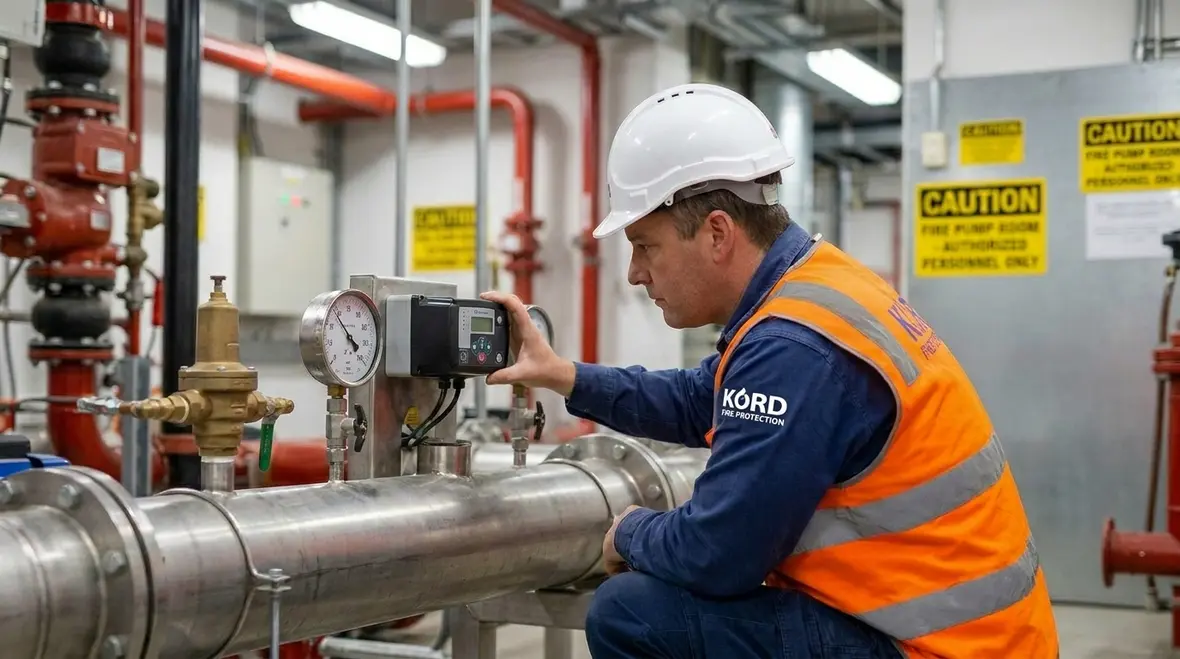
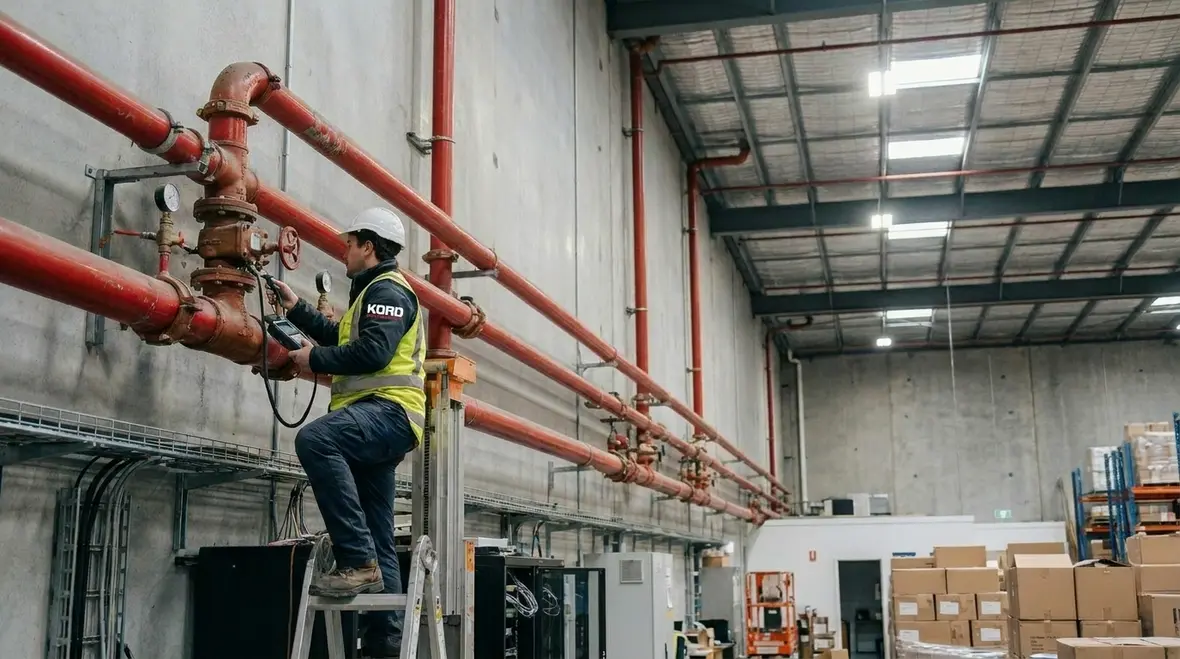
When Kord Fire Protection technicians perform a pressure optimization review, they start with real conditions, not just paper calculations. They verify water supply performance, check pump curves, review pressure reducing valves, and measure actual flows at key points. After that, they compare results to the design basis. If numbers do not match, they trace the gap back through the network.
Next, they pay close attention to demand scenarios. For large facilities, a single zone test does not represent the worst case. Instead, they model multiple heads operating or flows across demand blocks, then confirm pressure at critical elevations. This method helps avoid a common mistake: optimizing for one “good” condition while ignoring how the system responds under higher demand. And because pressure and flow move together, a stable pressure plan must include both.
That same field first approach is why ongoing service matters. Kord Fire Protection offers broader fire protection support that includes sprinkler work, fire alarm systems, extinguisher service, and testing programs for commercial properties, which helps facilities keep related life safety systems coordinated instead of managed in separate silos. If one part of the building changes, the rest of the protection strategy should not be left guessing.
Pressure targets and what actually controls flow
Large sprinkler networks depend on the hydraulic relationship between pressure, flow, pipe friction, and sprinkler discharge. In practice, controlling flow means controlling pressure losses so the required residual pressure reaches the sprinkler outlets. When the pressure is too low at the far end, sprinklers can deliver less water than expected. When pressure is too high, the system can move beyond the intended discharge pattern and create stress on components.
That is why Kord Fire Protection technicians focus on distribution accuracy. They often use the system’s design criteria to set pressure targets at key nodes, not just at the pump discharge. Then they adjust the pressure management method based on where the network actually loses performance. If the losses come from long mains, then pipe related fixes matter. If the losses come from control devices, then valve and control tuning matter. If the issue comes from supply limits, then the approach shifts again. Pressure management is a system decision, not a single knob turning exercise.
Residual pressure is where the truth shows up
A pump discharge reading can look heroic while remote sprinklers quietly disagree. For large commercial systems, the only pressure that really matters is the pressure that survives the trip. That is why critical nodes, far points, and elevation heavy areas deserve attention during testing. If the intended residual pressure does not arrive there, the rest of the dashboard can be as comforting as a weather app during a roof leak.
Hydraulic balancing across zones and elevations
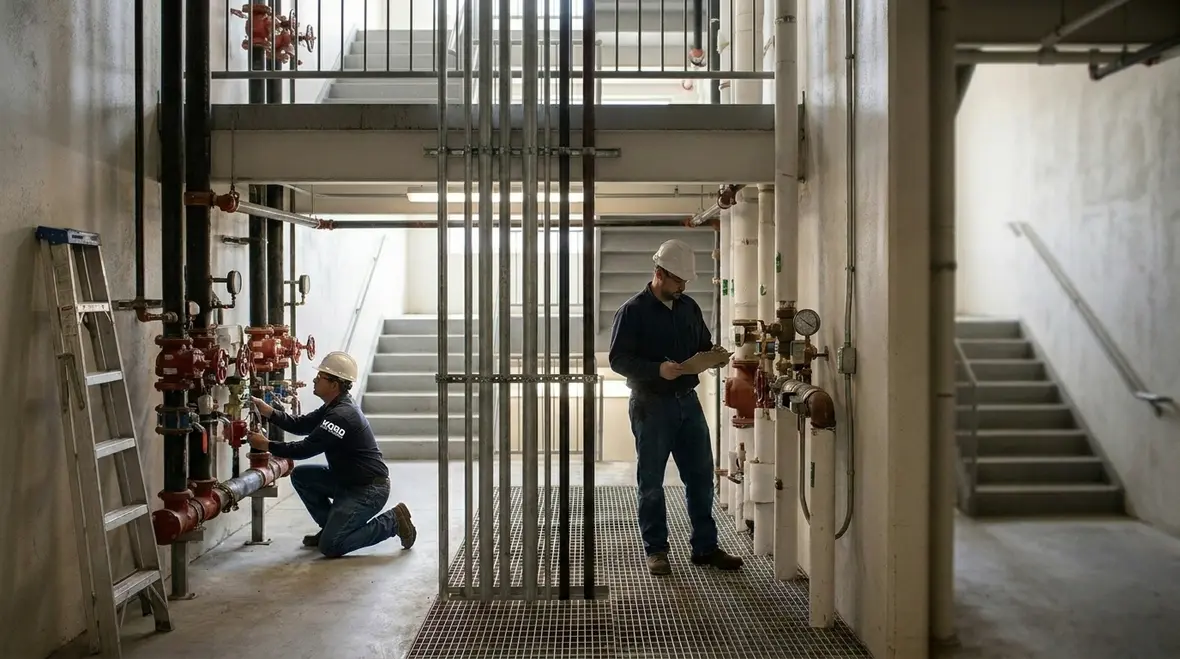
In large networks, multiple zones often feed different parts of the building, with different elevations and different pipe lengths. That means pressure varies even when the pump runs. To balance performance, technicians coordinate zone layouts, valve settings, and supply strategy so the farthest points still receive the designed residual pressure. If a zone has higher elevation, then the system must overcome static head plus friction loss. Therefore, the plan must respect both.
Also, zoning choices can create hidden imbalances. For example, a zone might include longer branch lines even though it looks short on a drawing. As a result, the zone can drain pressure and slow down the network response. Kord Fire Protection technicians handle this by mapping the “pressure critical” paths and then validating them with flow tests or remote monitoring where allowed. When pressure critical paths are controlled, the network delivers coverage more evenly and reduces the chances of a few heads becoming the weak link while the rest look fine.
Commercial sprinkler water pressure management methods that work in the real world
Several tools help optimize pressure in large systems, and the best choice depends on why pressure shifts. Below are practical methods technicians typically evaluate. Kord Fire Protection technicians often explain the options like this: you do not pick a tool that sounds impressive, you pick the one that solves the failure mechanism you measured.
- Pressure regulating devices to maintain stable setpoints across varying demand
- Proper pump control and staging so the system meets flow without overshooting pressure
- Valve tuning to correct imbalances caused by mismatched pressure drops
- Hydraulic recalculation and design verification when renovations change piping, ceilings, or obstructions
- Pipe condition management such as clearing or planning for replacement when loss increases over time
In addition, technicians plan for transients. When multiple sprinklers operate at once, the pressure curve changes fast. If the system includes slow response controls, pressure can sag. If the system includes aggressive controls, it can oscillate. So they tune response time and setpoints to keep the network stable. And if you think stability is boring, good. Fire protection should be boring, because boredom means the system stays reliable. Nothing spicy, no surprises.
Where testing and service intersect
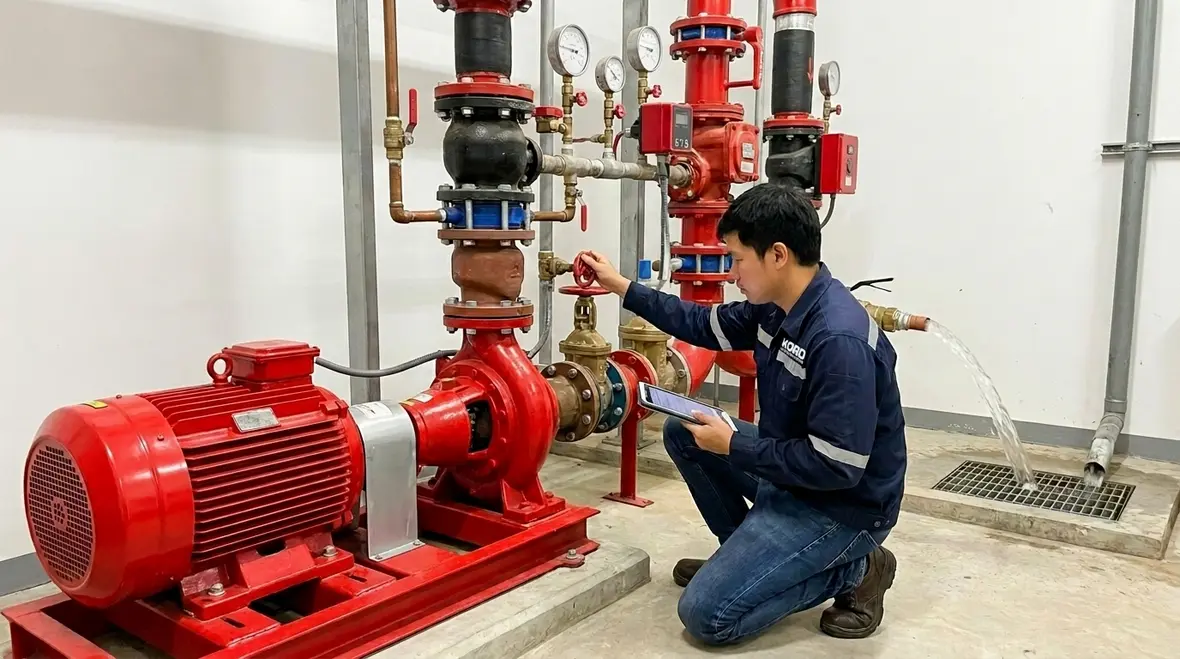
If a property has a pump in the mix, pressure management and pump verification naturally overlap. Kord Fire Protection’s fire pump testing guidance helps facility teams understand how weekly, monthly, and annual testing fits into long term performance planning, especially when pressure behavior changes between routine checks and higher demand scenarios.
Read more here: Fire Pump Testing Requirements – Things To Know.
Common pitfalls that cause poor performance
Even well built sprinkler networks can under perform when the pressure plan ignores the real world. One pitfall is adjusting pressure to “fix a test,” then forgetting that the design event is different. Another pitfall is ignoring elevation impacts. Elevation effects do not care how convincing a service report sounds. Pipes can also develop higher friction loss over time. Corrosion, scale, and partial blockages may not show up until a real flow test reveals the difference.
Technicians also watch for inconsistent component sizing. A valve that appears compatible on paper can create unexpected pressure loss in the field. Likewise, changes from construction activities can introduce minor misalignments or debris. Therefore, Kord Fire Protection technicians recommend verification after major work, not just routine inspections. It is the safety equivalent of checking your smoke detector after you change batteries, because batteries are not the only thing that can fail.
How to maintain stable pressure over time
Pressure optimization is not a one time event. It is a maintenance program. First, facilities should schedule periodic flow testing at representative nodes, especially after renovations. Second, they should review pump performance trends, including how controls behave during staged starts. Third, they should check control valves and regulators for drift, because even stable systems can change as parts wear.
Additionally, technicians document changes. When a team logs valve adjustments, pump controller settings, and test readings, it becomes easier to detect drift early. That reduces downtime and helps avoid emergency “fix it now” sessions during business hours, which is a popular way to turn a minor issue into a full day of chaos. Finally, facilities should keep training simple and consistent. When the right people understand how pressure management decisions link to test results, the whole organization supports the safety system instead of guessing at it.
FAQ
Next steps with Kord Fire Protection
Large scale sprinkler networks deserve pressure stability, not hope. Kord Fire Protection technicians can evaluate the supply, confirm hydraulic performance, and tune commercial sprinkler water pressure management so the system delivers the right flow at the right time. If a recent test showed surprises, or if the building has changed through renovations, now is the moment to verify the network before conditions change again.
For facilities that also need connected life safety support, Kord Fire Protection provides dedicated fire alarm services and monitoring, making it easier to coordinate detection and suppression planning under one experienced team. If you are ready to move from crossed fingers to verified performance, schedule a pressure assessment and build a plan that stays reliable when the stakes rise.

Join Our Newsletter!
Get the latest fire safety tips delivered straight to your inbox From our Newsletter.