Fire Sprinkler System Damage Prevention in Australia
Quick Answer: Sprinkler system accidents can ruin floors, interrupt operations, and create costly insurance headaches. To protect a facility, teams should control hazards, manage inspection routines, and respond fast when leaks or accidental discharges happen. Partnering with Kord Fire Protection helps companies plan smarter and reduce fire sprinkler system damage prevention risks.
When a sprinkler system goes wrong, the damage often looks like water you did not order, at the worst possible time. That is why fire sprinkler system damage prevention matters so much in industrial, retail, and commercial facilities across Australia. While sprinklers are designed to protect people and property, accidental discharges, valve issues, and maintenance mistakes can cause flooding, shutdowns, and safety risks. Therefore, a solid prevention plan must focus on the things that cause system failures in the first place, and on how a facility responds when something unexpected happens.
Near the top of that planning effort, it helps to connect prevention with broader Australia fire protection support for compliance and readiness, especially when facilities need a partner that can keep systems practical, documented, and ready for real-world use. It is also worth reviewing how power continuity supports life-safety performance through reliable backup and AC fire alarm power requirements, because response planning works better when the supporting systems are not improvising behind the scenes.
How sprinkler accidents happen in busy Australian facilities
Everyday pressure is usually the culprit
Accidents rarely start with a dramatic villain. Instead, they usually come from everyday pressures: contractors working after hours, storage areas getting reorganised, and “quick fixes” that ignore procedure. For instance, a maintenance team may bump a control valve during routine work. Meanwhile, dust, corrosion, or misaligned heads can set the stage for leaks. Then, a minor issue can grow because the facility lacks consistent checks or clear ownership.
In industrial and retail settings, the risk climbs due to higher traffic around service points, frequent product movement, and ongoing tenant fit outs. Consequently, fire protection equipment sits in the path of forklifts, ladders, and carts more often than people assume. And yes, even the best teams can get distracted. That is why prevention needs system thinking, not just hope.
Design controls that reduce leaks, bursts, and accidental discharges
Protect the parts people can accidentally touch
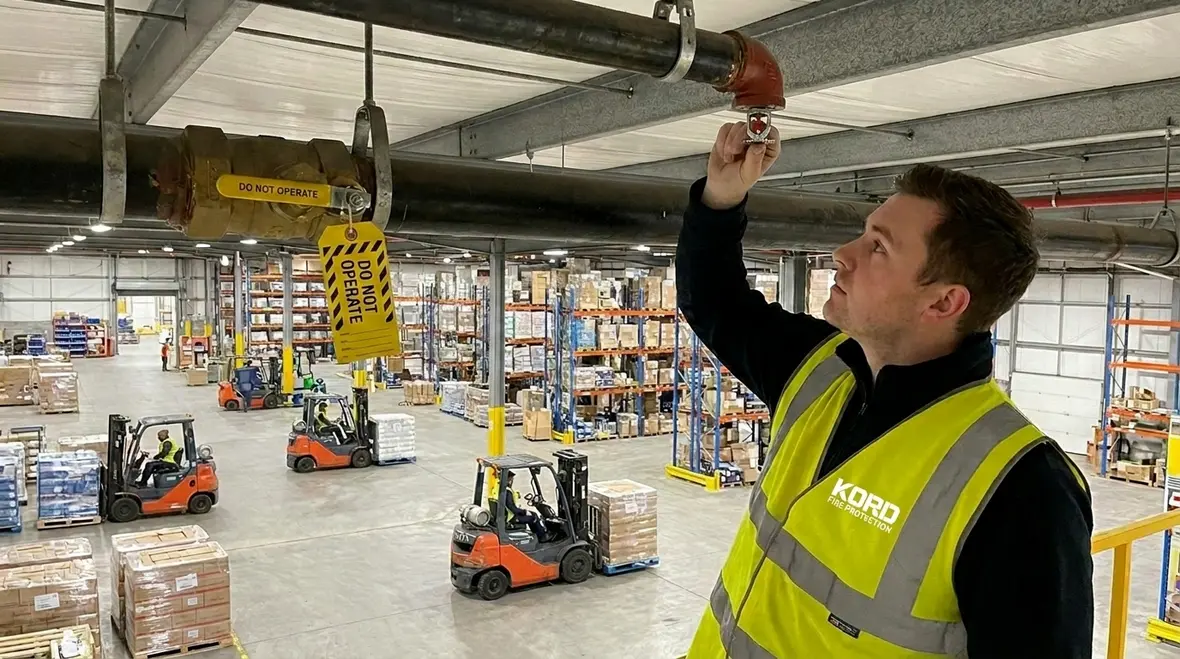
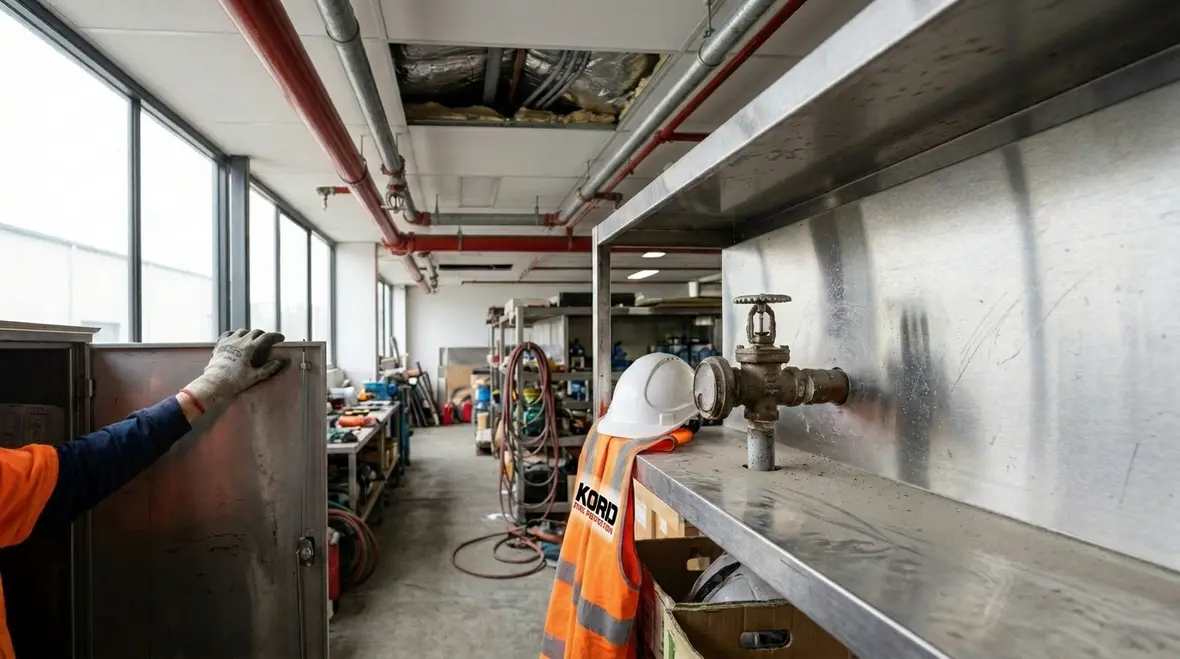
Prevention starts before a problem appears. First, facilities should map critical components and create physical and procedural safeguards around them. For example, valves, inspectors test connections, and control panels should sit behind protected access barriers where practical. Next, signage should clearly state that only authorised personnel can operate key controls. This reduces “casual operation,” which is a real thing and not a fun hobby.
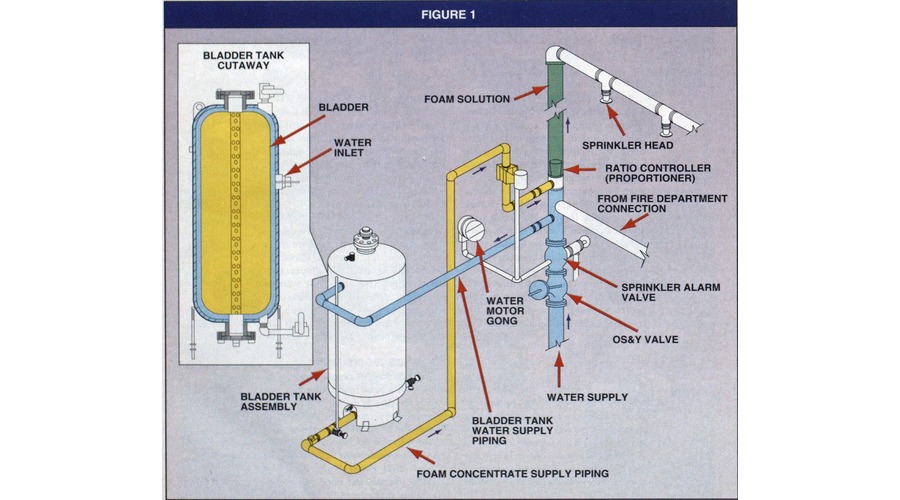
Then, teams should manage flow paths and protect against water hammer. If the system’s design does not match the occupancy’s operation, sudden changes can stress pipes and seals. In addition, proper drainage planning matters. When systems discharge during a test or incident, the facility must control where that water goes. Otherwise, fire sprinkler system damage prevention becomes less about the sprinkler itself and more about the messy aftermath.
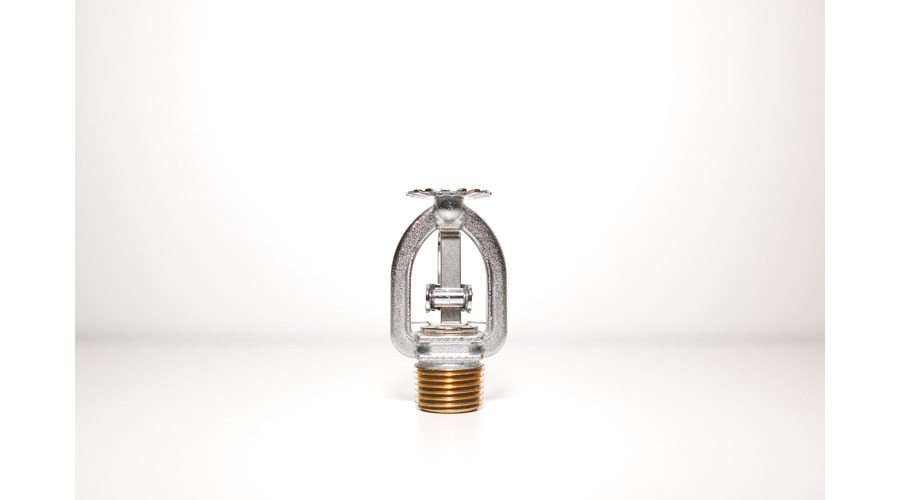
Finally, facilities should keep hazard reporting simple. If a head appears damaged, a valve handle looks mispositioned, or a cabinet door is missing, staff should report it immediately. Quick reporting prevents “small visible issues” from turning into “big expensive events.”
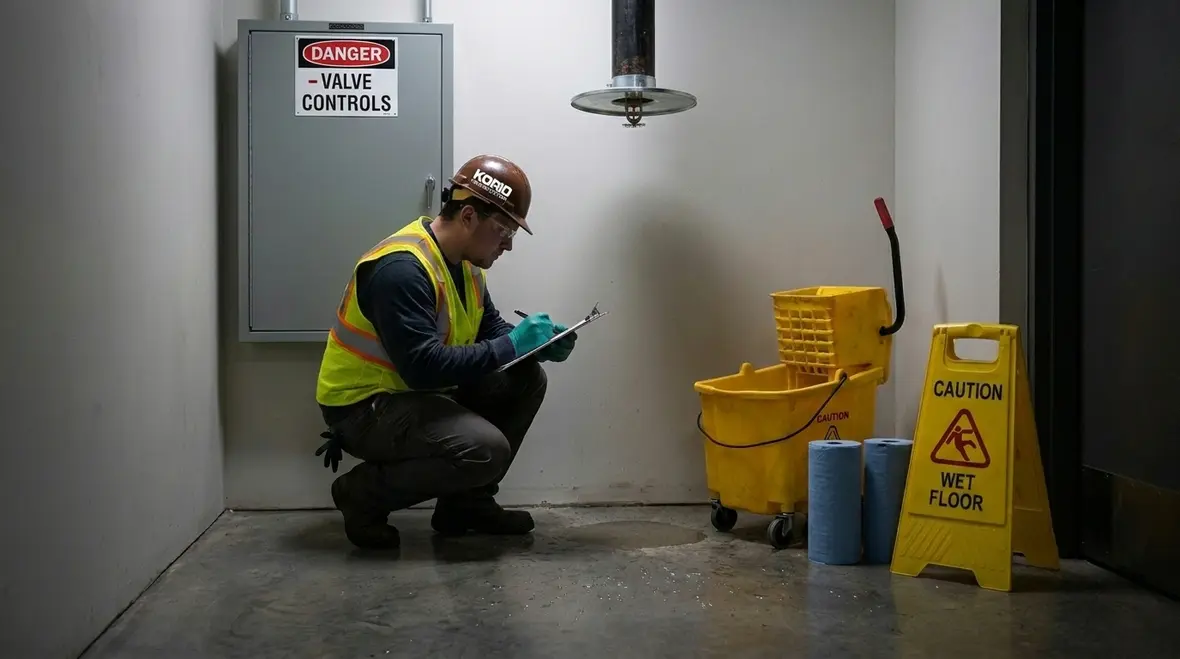
Inspection, testing, and maintenance routines that do not get skipped
Routine care is where reliability quietly lives
Most sprinkler accidents during normal operations happen because routine care slips. Therefore, facilities should build schedules that match actual site conditions, not generic calendar plans. In warehouses, heavy vibration and frequent equipment movement can affect fittings. In retail, fit outs, lighting upgrades, and temporary storage can create hidden interference with piping routes.
To keep the system reliable, facilities should ensure that inspections cover the whole network, not only the obvious heads. That includes checking water supplies, verifying supervisory signals, confirming tamper protection on valves, and reviewing test records. Moreover, Kord Fire Protection can help facilities set practical maintenance routines that align with compliance expectations and real work patterns across Australia.
Also, documentation should be easy to find. When an incident occurs, teams need immediate access to system layouts, last service dates, and recent findings. Otherwise, the facility spends precious time searching files instead of stopping the damage.
Preventing sprinkler head damage during construction and daily operations
Construction zones are not harmless just because they look temporary
Construction and maintenance work can unintentionally cause sprinkler issues, mainly through mechanical impact, debris, and incorrect reinstallation. Consequently, facilities should use a permit process for hot work, ceiling access, and any task that impacts sprinkler areas. Additionally, contractors should follow protective measures, such as temporary coverings where allowed and strict housekeeping to prevent paint overspray and dust buildup.
In multi-use sites, communication becomes the real magic trick. Building managers should coordinate schedules between operations teams and contractors so that firefighting systems do not get treated like background furniture. When a ceiling is opened, the sprinkler layout should be verified, then left in safe condition before work closes.
To reduce downtime, facilities can stage material handling routes that avoid impacts around sprinkler cabinets and pipe corridors. Then they can train staff to recognise common warning signs: water staining, unusual valve positions, missing escutcheons, or recurring alarms. If something looks off, the facility should not “wait and see.” Waiting often turns a manageable fix into fire sprinkler system damage prevention surgery that nobody wants.
What to do during an accidental discharge or suspected leak
Speed matters, but guessing is expensive
When a discharge happens, the goal is to contain water damage, protect occupants, and keep the system in a safe state. First, the facility should follow its emergency plan and notify the right parties quickly. Then, staff should identify whether the discharge is active, ongoing, or a brief event caused by testing.
Next, teams should shut off the relevant area if appropriate and safe. However, they should not start improvising. Incorrect valve operations can increase damage or delay proper fire response. So the plan should specify responsibilities, valve identification, and escalation steps before an emergency occurs.
Meanwhile, the facility should begin water mitigation immediately. That includes stopping electrical hazards, moving inventory where possible, and documenting the scene for insurance and remediation planning. As a result, the site reduces both property losses and operational recovery time.
Here is where Kord Fire Protection can become a vital partner. They can support incident response planning, assist with troubleshooting after abnormal events, and help facilities restore system readiness properly instead of “almost good enough” performance. Because when safety systems fail, “close” is not a comfort.
Why partnering with Kord Fire Protection improves prevention outcomes
A good partner helps before the puddle appears
Sprinkler prevention works best when the fire protection team does more than react. Kord Fire Protection operates like a long term ally: they help facilities manage risk through planning, careful servicing, and practical guidance for industrial, retail, and commercial environments across Australia.
Rather than treating maintenance as a box to tick, they help clients understand where failures can start and how to prevent them through routine control. Additionally, they can coordinate with site teams during inspections so work stays safe and disruptions stay limited. And when changes occur, such as fit outs or new storage layouts, they can help ensure that fire protection coverage remains correct.
In other words, Kord Fire Protection helps facilities protect people and property while also supporting smarter fire sprinkler system damage prevention outcomes. That means less downtime, fewer surprise repairs, and a system that behaves the way it should, not like a prank with water.
FAQ
Quick dual-column note
Risk |
Accidental valve operation |
Construction impact to heads or pipes |
Slow response to small leaks |
Prevention action |
Restrict access, label controls clearly, and train authorised staff only |
Use permits, protect equipment zones, and verify layouts after ceiling access |
Set reporting rules, inspect staining and alarms fast, and document findings |
CTA: Build a safer system with Kord Fire Protection
Facility owners and managers do not need to gamble with water damage. They can reduce risk through clear procedures, smarter maintenance routines, and confident emergency planning. Kord Fire Protection helps businesses across Australia strengthen sprinkler reliability and support fire sprinkler system damage prevention with practical, site-ready guidance. Contact Kord Fire Protection today to review your prevention approach, identify weak points, and set up a plan that keeps operations running.
Prevention priorities
Control access to valves and key components
Match inspection routines to real site conditions
Manage contractor work around sprinkler zones
Respond fast to leaks, alarms, and visible damage
Why Kord helps
Supports planning before failures become disruptions
Helps align servicing with operational reality
Improves documentation and emergency readiness
Reduces downtime, repair surprises, and recovery stress

Join Our Newsletter!
Get the latest fire safety tips delivered straight to your inbox From our Newsletter.